Source Racing Horse Horseshoe with 1 Clip for Racing, Training, and Care
Find 11 verified listings for a Racing Horse Horseshoe with 1 Clip, featuring materials like aluminum alloy and iron. Compare options with drop-forged processes, anti-rust treatments, and custom sizes to meet specific equestrian performance needs; compare the available evidence and request quotations based on your requirements.
Key considerations
Products List


Comprehensive Sourcing Guide
Racing Horse Horseshoe with 1 Clip Sourcing Guide
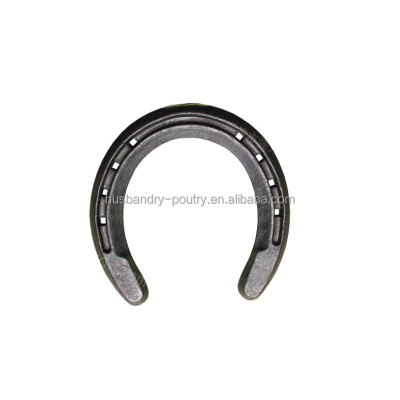
Procuring racing horse horseshoes with a single clip requires precise identification of the specific attachment mechanism, as the supply chain offers distinct variations in clip configuration. The observed market data confirms that specific listings explicitly feature a "1 Clip on Each Horseshoe" design, which is critical for maintaining the balance and weight distribution required in high-speed equestrian events. Buyers must verify that the product description matches this exact clip count, as some alternatives may utilize two clips or a different fastening system entirely, potentially altering the shoe's performance characteristics.
The material composition varies significantly across available listings, ranging from aluminum alloy to iron and steel, each offering different durability and weight profiles for racing applications. While some products are drop-forged for superior strength, others utilize pressure casting or anodized finishes to enhance surface resistance against rust and wear. Sourcing agents must cross-reference the material specification with the intended racing discipline, ensuring the selected horseshoe provides the necessary shock absorption and traction without adding excessive weight that could impede the horse's speed.
Product Scope and Observed Listing Signals
The product scope for racing horseshoes encompasses a wide array of customization options, including specific model numbers like HS001, HZF-701, and performance-specific variants such as the Racing Horseshoe 12. Listings indicate that customization is available, allowing buyers to request specific dimensions or designs that align with their stable's requirements. The observed color palette includes vibrant options like orange, black, brown, pink, red, green, blue, and yellow, though some suppliers default to a "picture shows" approach where the actual finish may vary based on the production batch.
Commercial signals in the market reveal a broad price range from 1.5 to 400 USD, reflecting the disparity between standard iron models and specialized aluminum alloy or anodized performance shoes. Minimum order quantities fluctuate between 2 and 2000 units, suggesting flexibility for small stables while accommodating large-scale equine facility needs. Buyers should note that packaging varies from individual plastic bubble bags to cartons and pallets, which directly impacts shipping costs and the logistical planning required for international procurement.
Technical Specifications to Verify
Technical verification begins with the forging tolerance and molding style, as the market lists specific tolerances of +/-0.2mm for drop-forged items and pressure casting for other variants. The surface treatment is a critical differentiator, with options including anti-rust treatments, anodizing, and powder coating, all of which influence the longevity of the shoe in wet or muddy racing conditions. Buyers must confirm whether the product standard aligns with specific drawing requirements or if it adheres to a fixed standard like 4-7#, ensuring the dimensions match the horse's hoof measurements precisely.
The model number serves as a primary identifier for the shoe's intended use, with specific entries like "Performance Horseshoe 15" and "Racing Horseshoe 12" indicating specialized designs for different racing speeds and distances. It is essential to verify the processing object, which is consistently listed as metal, and to confirm the specific alloy or iron grade used in the construction. Additionally, the sample time of 7 days for customized orders should be factored into the production schedule, ensuring that the lead time accommodates the necessary quality checks before the racing season begins.
Compliance and Safety Documentation
Compliance documentation for racing horseshoes often includes certifications such as ISO 9001, RoHS, and CE, which indicate adherence to international quality and safety management systems. While some listings explicitly state these certifications, others may only reference ISO 9001 or SGS standards, requiring buyers to request specific test reports to validate the safety of the materials used. The absence of a specific certification on a listing does not necessarily imply non-compliance, but it does necessitate a direct inquiry to the supplier to confirm their quality assurance protocols.
Safety verification also extends to the structural integrity of the clip mechanism, which must withstand the high-impact forces generated during racing. Buyers should ensure that the supplier provides evidence of the forging process, such as drop-forging records, to confirm that the metal grain structure is optimized for strength. Although specific test results are not universally listed, the presence of a "Customized" standard suggests that the manufacturer is capable of meeting specific safety requirements when requested, provided the buyer clearly defines these needs in the initial inquiry.
Cost Drivers and Commercial Terms
Cost drivers in this category are heavily influenced by the material choice, with aluminum alloy and anodized finishes typically commanding higher prices than standard iron or steel options. The level of customization, including specific model numbers and color requirements, also impacts the final unit cost, as custom molds and specialized surface treatments add to the production overhead. Buyers should anticipate that the price range of 1.5 to 400 USD reflects these material and processing differences, with the lower end likely representing basic iron models and the higher end covering specialized racing variants.
Commercial terms regarding packaging and shipping are equally critical, as the observed options range from simple cartons to complex palletized shipments or custom crates. The minimum order quantity of 2 to 2000 units allows for flexible purchasing strategies, but larger orders may yield better per-unit pricing. Additionally, the sample time of 7 days for customized products should be considered when calculating the total lead time, as this period is separate from the bulk production and shipping duration required to fulfill the order.
Supplier Qualification and Quality Control
Supplier qualification should focus on verifying the origin of the products, as the data indicates origins in China, specifically Shandong and Qingdao regions, which are known for metalworking industries. Buyers must confirm that the supplier has a proven track record in producing drop-forged or pressure-cast metal products, as these processes are essential for creating durable horseshoes. The presence of OEM acceptance and customization capabilities suggests that the suppliers are equipped to handle specific buyer requirements, but this should be validated through a review of their past performance and client references.
Quality control measures must be explicitly defined, particularly regarding the forging tolerance and surface treatment consistency. Buyers should request a quality control plan that details how the +/-0.2mm tolerance is maintained during the drop-forging process and how the anti-rust or anodized coatings are applied uniformly. The availability of ISO 9001 certification is a positive indicator, but it should be supplemented with on-site audits or third-party inspection reports to ensure that the quality control processes are consistently applied across all production batches.
Long-Term Procurement Checks
Long-term procurement checks should include regular audits of the supplier's ability to maintain consistent material quality and adherence to the specified standards over time. Since the market offers a wide range of models and customization options, buyers must ensure that the supplier can consistently deliver the same level of quality for repeat orders, particularly when the specific clip configuration and material composition are critical for racing performance. Establishing a clear communication channel for feedback on product performance will help identify any deviations in quality early in the relationship.
It is also vital to monitor changes in the supplier's production capabilities, such as shifts in the origin location or changes in the molding techniques used. The observed data shows that suppliers may offer different packing methods, from plastic bubble bags to wooden crates, which can affect the product's condition upon arrival. Buyers should periodically review the supplier's certification status and ensure that any changes in their quality management systems are communicated and validated to maintain the integrity of the supply chain.
FAQs
What materials are used for racing horse horseshoes with 1 clip?
These horseshoes are available in aluminum alloy, iron, and steel. The specific material depends on the model selected, such as performance or racing variants. Buyers can choose based on durability needs and weight requirements for their specific equestrian activities.
Can I request custom colors for these horseshoes?
Yes, customization is available with options including orange, black, brown, pink, red, green, blue, and yellow. Some listings also indicate any color is possible. Buyers should confirm specific color availability with the supplier before placing an order for their custom requirements.
How long does it take to receive samples?
The sample time is typically 7 days for these products. This duration applies to standard requests for racing horse horseshoes with 1 clip. Buyers should plan their procurement timeline accordingly to ensure samples arrive before finalizing bulk orders with manufacturers.
What certifications do the manufacturers hold?
Manufacturers often hold ISO 9001, RoHS, and CE certifications. Some suppliers also reference SGS standards or AISI specifications. These certifications ensure quality control and safety compliance for the metal products supplied to international buyers in the equestrian equipment sector.
Where are these horseshoes manufactured?
Products originate from China, specifically from regions like Shandong and Qingdao. Factories in these locations produce various models including steel and aluminum alloy options. Buyers can expect consistent manufacturing capabilities from these established industrial hubs in the region.
What is the minimum order quantity for these items?
The minimum order quantity ranges from 2 to 2000 units depending on the supplier. This flexibility allows buyers to start with small batches or place large orders. Specific MOQs vary by manufacturer and should be confirmed during the sourcing process for accurate planning.
How are the horseshoes packaged for shipping?
Packaging options include cartons, plastic bubble bags, pallets, or wooden crates. Some suppliers offer custom packing requests to meet specific logistics needs. The packaging ensures protection during transit while allowing for efficient handling and storage upon arrival at the destination.