Source Rail Cutting Annular Broach Cutter for Steel, Rail, and Metal
Compare 30 Rail Cutting Annular Broach Cutter options from verified suppliers. Explore HSS and tungsten carbide models with varying diameters, shank types, and cutting depths for industrial drilling applications.
Key considerations
Products List


25/50mm Cutting Depth High Standard Rail Way HSS DIN Rail Broach Annular Cutter
$7.00 - $40.00
MOQ: 30 Pieces


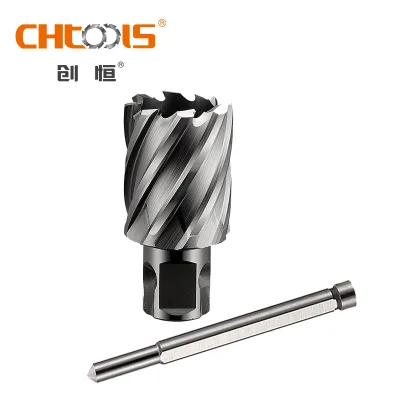
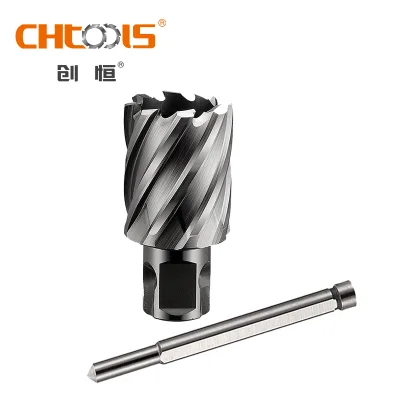
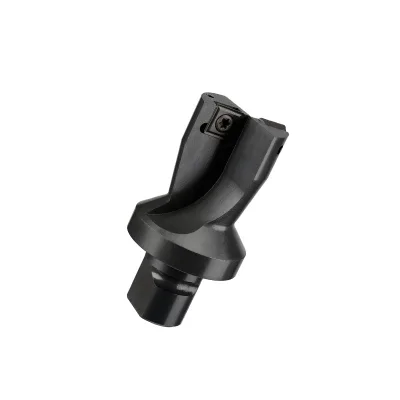
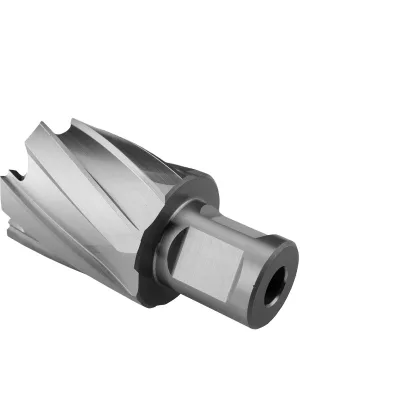
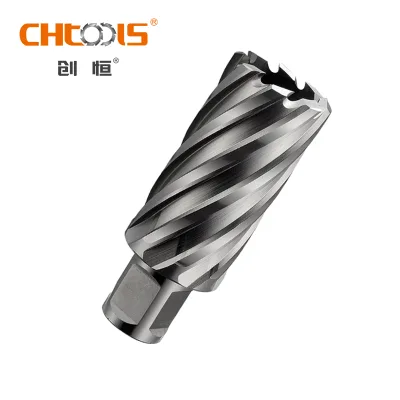
Broach Drill Bit 50mm Cutting Depth Hss Annular Cutter with Weldon Shank
$6.11 - $15.28
MOQ: 10 pieces
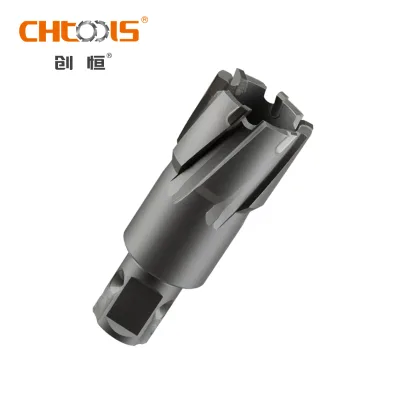

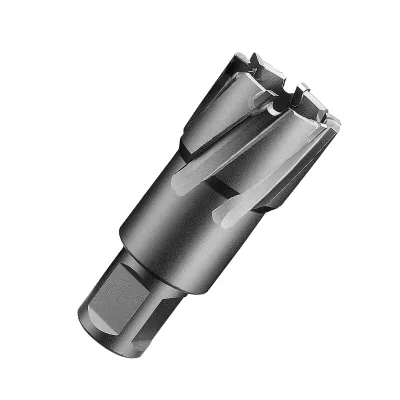
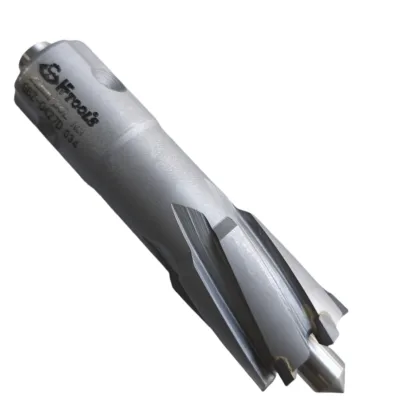
Comprehensive Sourcing Guide
Strategic Sourcing Guide for Rail Cutting Annular Broach Cutters
Understanding the Technical Landscape of Annular Broach Cutters
When sourcing rail cutting annular broach cutters, buyers must first distinguish between the specific tool geometries and material compositions available in the market. The core keyword suggests a focus on heavy-duty applications, yet the product landscape includes distinct variations such as HSS Railway Cutters, TCT Railway Cutters, and HSS or TCT Annular Broach Cutters. These tools are not interchangeable without careful consideration of the workpiece material and the required cutting depth.
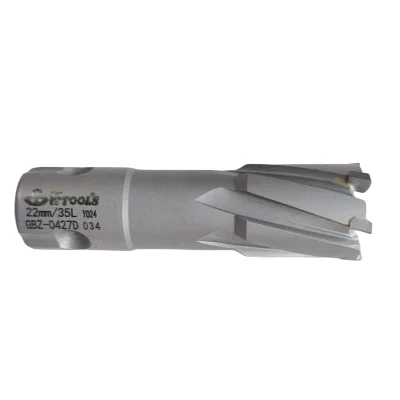
The technical specifications for these tools vary significantly based on the intended application. For instance, HSS (High Speed Steel) variants are often observed with diameters ranging from 12mm to 36mm, designed specifically for railway cutter applications. In contrast, annular broach cutters and TCT (Tungsten Carbide) variants offer a broader operational range, with diameter specifications extending from 12mm up to 100mm. This wide range allows for versatility in drilling through thicker steel sections or varying rail gauges. The cutting depth is another critical parameter; while some models support depths of 25mm or 50mm, others are engineered for deeper penetration, offering options of 25mm, 50mm, 75mm, or even 100mm for annular cutters.
The shank design is equally vital for tool retention and torque transmission. Buyers will encounter Weldon shanks as a standard configuration for railway cutters, ensuring a secure fit in drilling machines. However, for more versatile applications, particularly with annular cutters, the market offers Weldon, Universal, and Fein Thread shanks, including Fein Quick-in systems. The choice of shank type dictates compatibility with existing drilling equipment and the ability to handle high-torque operations without slippage. Furthermore, the blade configuration plays a role in performance; some tools feature a double-blade structure, while others utilize specialized types designed for specific material removal rates.
Material Composition and Surface Treatment Standards
The longevity and cutting efficiency of an annular broach cutter are primarily determined by its material composition and surface treatments. The supply chain for these tools typically offers two primary material categories: High Speed Steel (HSS) and Tungsten Carbide. HSS tools are generally noted for their toughness and are suitable for general metal drilling tasks, often featuring a bright finish. Tungsten Carbide tools, conversely, are associated with superior hardness and wear resistance, making them ideal for high-volume or abrasive cutting environments.
Surface treatment and coating processes are essential for enhancing tool life and reducing friction during operation. While some HSS cutters are supplied with a standard bright finish, advanced variants may undergo specific treatments such as Tin or TiAlN coating. These coatings significantly improve heat resistance and reduce the adhesion of swarf to the cutting edge. For annular broach cutters, the process often involves CNC machine grinding to ensure precise geometry, followed by an all-ground treatment to achieve the final cutting profile. The absence of a coating, described as "uncoated," is also a documented option for specific applications where the base material properties are sufficient.
Buyers must verify the specific coating and treatment details for each product model, as these attributes directly influence the tool's performance in different industrial settings. The distinction between a "Bright Finish" and a "Tin/TiAlN Coated" surface is not merely aesthetic; it represents a fundamental difference in the tool's ability to withstand the heat generated during rail cutting. Additionally, the structural design, often described as a "Special Type" or "Universal Tool," must align with the specific demands of the drilling operation to ensure optimal endurance and performance.
Compliance, Certification, and Origin Verification
In the B2B procurement of industrial cutting tools, verifying compliance and certification is a non-negotiable step to ensure safety and quality. The supply chain for rail cutting annular broach cutters often originates from manufacturing hubs in Jiangsu Province, China, with some products listed as originating from China generally. While the specific supplier names are not disclosed in general product listings, the origin location is a key factor in logistics planning and quality assurance protocols.
Certification standards serve as a proxy for quality management systems and product safety. Available data indicates that certain models adhere to TUV and CE standards, which are critical for market access in Europe and other regulated regions. These certifications suggest that the manufacturing processes meet specific safety and quality benchmarks. However, buyers must exercise caution and verify the current validity of these certifications for the specific batch or model they intend to purchase, as certification status can vary between product lines.
Other standards referenced in product specifications include generic "Standard" classifications and specific dimensional standards such as D 18mm~36mm for diameter and D.O.C. (Depth of Cut) of 25/50mm. It is imperative for buyers to cross-reference these listed standards with their internal quality requirements and local regulatory mandates. The presence of a "Standard" label should not be assumed to imply a universal industry standard without further verification. Instead, procurement teams should request detailed documentation confirming that the product meets the specific ISO or ANSI standards required for their application.
Cost Drivers and Pricing Dynamics
The pricing of rail cutting annular broach cutters is influenced by a complex interplay of material costs, manufacturing complexity, and order volume. The observed price range in the market spans from $1 to $81.99 USD, reflecting the vast difference between basic HSS tools and high-performance TCT or coated annular cutters. This wide variance indicates that price is a strong indicator of the tool's material composition and technological sophistication.
Several factors drive these costs. First, the material cost of Tungsten Carbide is significantly higher than that of High Speed Steel, directly impacting the unit price of TCT cutters. Second, the complexity of the manufacturing process, such as CNC machine grinding and specialized coating applications like TiAlN, adds to the production cost. Third, the customization options available, including specific shank types and blade configurations, can influence the final price. Products listed as "Customized" or "Non-Customized" may have different pricing structures, with custom orders often commanding a premium due to the specialized tooling and setup required.
Minimum Order Quantity (MOQ) is another critical cost driver. The observed MOQ range spans from 1 to 500 units. For buyers requiring small quantities for maintenance or prototyping, the per-unit cost may be higher due to the lack of economies of scale. Conversely, bulk purchases can leverage lower MOQ thresholds to reduce the average cost per unit. Buyers should analyze their total volume requirements against the MOQ to optimize their procurement strategy. Additionally, packaging details, such as single-piece clam shell packaging versus blister boxes or plastic boxes, can affect the overall cost, particularly for international shipping where packaging weight and volume are factored into logistics expenses.
Typical Applications and Performance Expectations
Rail cutting annular broach cutters are engineered for demanding industrial applications, primarily in the building and industrial sectors. The specific use cases include metal drilling, railway maintenance, and structural steel fabrication. The "Railway Cutter" designation highlights their suitability for drilling through steel rails, which requires high torque and precise hole quality. These tools are designed to handle the hardness and density of railway-grade steel, making them essential for infrastructure projects.
Performance expectations vary based on the tool type. HSS Railway Cutters are noted for their "Better Endurance," suggesting a balance between toughness and cutting speed suitable for general maintenance tasks. In contrast, TCT Annular Broach Cutters are designed for higher efficiency and longer tool life in continuous operation. The cutting depth capabilities, ranging from 25mm to 100mm, allow these tools to handle a variety of material thicknesses, from thin plates to thick structural beams. The "Double-Blade" structure found in some models indicates a design optimized for chip evacuation and reduced cutting forces, which is crucial for maintaining hole accuracy and surface finish.
Buyers should align their application requirements with the specific tool specifications. For instance, if the application involves drilling deep holes in hard steel, a TCT cutter with a TiAlN coating and a depth capacity of 100mm would be more appropriate than a basic HSS cutter. The "Universal Tool" style and "Special Type" structures suggest versatility, but the specific geometry must match the drilling machine's capabilities and the workpiece material to ensure optimal performance.
Supplier Evaluation and Quality Control Protocols
Evaluating suppliers for rail cutting annular broach cutters requires a rigorous approach to quality control and supplier reliability. Since specific supplier names are not provided in general product listings, buyers must rely on the observable attributes and documentation provided in product catalogs. Key evaluation criteria include the verification of material claims, such as the distinction between HSS and Tungsten Carbide, and the confirmation of surface treatments like bright finishing or TiAlN coating.
Quality control should begin with the verification of product models and specifications. Models such as PFT024, PFT029, PFT018, and DNHC represent specific configurations with defined diameters and shank types. Buyers should request detailed technical data sheets for each model to confirm that the product meets the required standards. The presence of certifications like TUV and CE should be validated through official documentation, ensuring that the claims are current and applicable to the specific product batch.
Furthermore, buyers should assess the supplier's ability to provide consistent quality across different order volumes. The availability of customization options, such as specific shank types or blade numbers, indicates a supplier's flexibility and technical capability. However, the "Customized" status should be carefully managed to ensure that the customization does not compromise the tool's integrity or performance. Regular quality audits and sample testing are recommended to verify that the tools meet the expected performance standards, particularly regarding cutting depth and durability.
Long-Term Procurement and Inventory Management
Sourcing rail cutting annular broach cutters is not merely a transactional activity but a strategic decision that impacts long-term operational efficiency. Buyers should consider the total cost of ownership, which includes not only the purchase price but also the tool's lifespan, maintenance requirements, and replacement frequency. High-performance TCT cutters, while more expensive upfront, may offer a lower cost per hole due to their extended service life, making them a more economical choice for high-volume operations.
Inventory management strategies should account for the variability in product specifications and the potential need for customization. Maintaining a diverse inventory of HSS and TCT cutters with different shank types and diameters ensures that the procurement team can respond quickly to varying project demands. The packaging details, such as single-piece clam shells or plastic boxes, should be considered in the context of storage and handling to prevent damage during transit and storage.
Finally, buyers should establish long-term relationships with suppliers who demonstrate a commitment to quality and compliance. This involves regular communication regarding product updates, certification renewals, and potential improvements in manufacturing processes. By focusing on these strategic elements, buyers can ensure a reliable supply of high-quality rail cutting annular broach cutters that meet the rigorous demands of modern industrial applications.
FAQs
What material options are available for rail cutting annular broach cutters?
High Speed Steel and Tungsten Carbide are the primary materials used. HSS variants typically feature a bright finish, while Tungsten Carbide options offer superior hardness and may include TiAlN coatings for enhanced wear resistance in heavy-duty applications.
Which shank types are compatible with these railway cutters?
Weldon shanks are standard for railway cutters, while annular broach cutters often support Weldon, Universal, and Fein Thread shanks. Some models also include Fein Quick-in systems to ensure secure torque transmission during drilling operations.
How deep can these cutters drill into metal?
Cutting depths range from 25mm to 100mm depending on the specific model. Railway cutters typically support 25 or 50mm depths, whereas annular broach cutters are engineered for deeper penetration up to 100mm for thick structural steel.
Can I find these tools with specific certifications like TUV or CE?
Yes, certain models are listed with TUV and CE standards to ensure safety and quality compliance. Buyers should verify that these certifications apply to the specific product batch before procurement to meet regulatory requirements in regulated regions.
What is the minimum order quantity for purchasing these cutters?
The minimum order quantity ranges from 1 to 500 units depending on the supplier and customization needs. Small quantities are available for maintenance or prototyping, while bulk orders may leverage lower per-unit costs through economies of scale.
Which product models offer customized shank configurations?
Models such as PFT024, PFT029, and DNHC offer various shank types including Weldon and Universal options. Some listings explicitly state customization is available, allowing buyers to request specific shank diameters or thread types to match their drilling equipment.
Where are these industrial cutting tools typically manufactured?
Most products originate from Jiangsu Province, China, with some listings simply stating China as the origin. This location is a key manufacturing hub for industrial tools, influencing logistics planning and quality assurance protocols for international buyers.