Source Rapid Prototyping 3D Printing Parts for Auto, Machinery, and Hardware
Explore 30 options for Rapid Prototyping 3D Printing Parts suitable for machinery accessories, hardware components, and household appliances. Compare materials like ABS and PC, surface finishes, and lead times from suppliers in China to find the right fit for your OEM needs.
Key considerations
Products List


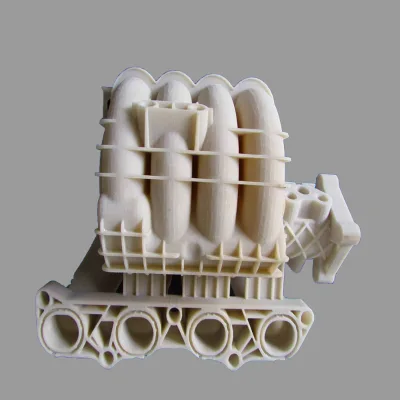


Customized ABS Plastic Parts Large Scale Rapid Prototyping 3D Printing Service
$5.00 - $10.00
MOQ: 1 Pieces


3D Printing Rapid Prototyping Custom High Precision Injection Machining Parts
$5.00 - $10.00
MOQ: 1 Pieces


High Precision Injection Mold Customized Products and Plastic Injection Parts
$2.00 - $2.20
MOQ: 1000 pieces


Comprehensive Sourcing Guide
Rapid Prototyping 3D Printing Parts Sourcing Guide
Buyers initiating a search for Rapid Prototyping 3D Printing Parts must first recognize the diverse material capabilities available in the current market. The observed supply base supports a wide spectrum of engineering plastics, including ABS, PC, PE, PP, and POM, alongside metals like aluminum, steel, and brass. This variety allows procurement teams to select materials that match specific mechanical requirements, such as thermal resistance or structural rigidity, without needing to compromise on the core function of the prototype.
When evaluating listings, it is critical to distinguish between general plastic products and specialized rapid prototyping services. Some suppliers explicitly offer customized OEM services with specific molding methods like injection molding or SLA, while others focus on CNC machining or 3D printing rapid prototypes. Buyers should verify if the listed product model, such as RTPP-2014001 or RT18041801, aligns with their specific design needs, ensuring the supplier can handle the required file formats like STEP and deliver the precise shape customization requested.
Product Scope and Observed Listing Signals
The observed product listings indicate a broad range of applications, extending from machinery accessories and hardware components to household appliances and automotive parts. Procurement teams should note that specific items are marketed for use in metal recycling machines or as general hardware accessories, suggesting that the technology is versatile enough for both industrial and consumer-facing prototypes. This diversity implies that a single supplier might offer solutions for vastly different end-uses, requiring careful filtering based on the intended application environment.
Listing signals also reveal significant variation in packaging and physical specifications, which impacts logistics and handling strategies. Some products are shipped in wooden boxes or paper cartons, while others utilize specific carton boxes, indicating different levels of protection for delicate prototypes. Furthermore, observed product sizes can be substantial, with some entries specifying dimensions like 600x600x600 mm, while others focus on smaller, precision components. Buyers must align their packaging requirements with the supplier's standard offerings to avoid unexpected shipping costs or damage risks.
Technical Specifications to Verify
Technical verification begins with confirming the shaping mode and forming technology, as these dictate the achievable geometry and surface quality. The market offers distinct pathways including CNC machining, SLA, silicone molding, and injection molding, each suited for different production volumes and design complexities. Buyers must ensure the supplier's equipment, such as SLS machines or 3D printers, matches the project's tolerance requirements, especially when the design involves intricate details that standard molding methods might not capture effectively.
Surface finish and material properties are equally critical for functional testing and aesthetic validation. Available surface treatments include polishing, painting, and coating, which can significantly alter the final appearance and durability of the prototype. Additionally, the plastic form and type, such as thermosoftening plastics or liquid forms, must be compatible with the intended manufacturing process. Buyers should explicitly confirm whether the supplier offers micro-machining capabilities or if the service is limited to standard rapid prototyping, as this distinction affects the precision of the final delivered part.
Compliance and Safety Documentation
Compliance verification requires checking for recognized safety and quality certifications that validate the supplier's adherence to international standards. The observed listings frequently cite CE, RoHS, and SGS certifications, which are essential for products entering regulated markets in Europe and North America. Buyers should request current certification documents to ensure that the materials used, particularly plastics and metals, do not contain restricted substances and meet the necessary environmental and safety thresholds for their specific industry sector.
Beyond product-specific certifications, the manufacturing standards applied by the supplier must be scrutinized to ensure consistent quality control. While some listings mention standards like DIN, ASTM, and GOST, others indicate that standards are customizable to meet client needs. It is vital for buyers to confirm which specific standard applies to their order, as this dictates the testing protocols and quality benchmarks used during production. Relying on generic claims without verifying the applicable standard can lead to non-compliance issues during final product audits or regulatory inspections.
Cost Drivers and Commercial Terms
Cost structures for rapid prototyping are heavily influenced by the chosen material, complexity of the design, and the selected manufacturing process. The observed price range spans from $0.01 to $100, reflecting the variability between simple plastic components and complex metal or multi-material assemblies. Buyers should understand that higher costs often correlate with specialized materials like aluminum or brass, or processes requiring extensive post-processing such as polishing and coating, rather than just the raw material cost alone.
Commercial terms, including minimum order quantities (MOQ) and lead times, vary significantly across the supply base and must be negotiated early in the procurement process. MOQs can range from a single unit to as high as 10,000 units, depending on the supplier's capacity and the specific product model. Lead times are typically observed between 6 to 10 days, but this can fluctuate based on the customization level and the current workload of the facility. Buyers should clarify these terms to ensure they align with their project timelines and budget constraints before placing an order.
Supplier Qualification and Quality Control
Supplier qualification should focus on verifying the origin and operational capabilities of the manufacturing facility. The observed data points to key production hubs in Qingdao, Shandong, Yuyao, and Guangdong, China, each offering different logistical advantages and supply chain depths. Buyers should assess whether the supplier's location supports their specific shipping needs and whether the facility has the necessary infrastructure to handle the required volume and customization levels without compromising quality.
Quality control mechanisms must be explicitly defined to ensure the delivered prototypes meet design specifications. Suppliers offering customized OEM services should provide clear protocols for inspection, including checks on dimensions, surface finish, and material integrity. Buyers should inquire about the specific equipment used, such as SLS machines or 3D printers, and verify if the supplier conducts in-process quality checks. Establishing a clear quality assurance framework is essential to minimize the risk of receiving parts that fail functional testing or do not match the original design intent.
Long-Term Procurement Checks
Establishing a long-term partnership requires regular audits of the supplier's ability to maintain consistent quality and delivery performance over time. Buyers should monitor the supplier's adherence to agreed-upon standards and certifications, ensuring that any changes in production processes do not negatively impact the product specifications. Regular reviews of the supplier's track record regarding lead times and defect rates will help identify potential risks before they escalate into supply chain disruptions.
Future scalability is another critical factor to consider when selecting a rapid prototyping partner. As design iterations increase or production volumes grow, the supplier must demonstrate the capacity to scale operations without sacrificing quality or increasing lead times disproportionately. Buyers should discuss potential volume discounts and flexible MOQ adjustments to ensure the partnership remains viable as project requirements evolve. Proactive communication regarding future needs will help secure a reliable supply chain that can adapt to changing market demands and technical challenges.
FAQs
What materials are available for Rapid Prototyping 3D Printing Parts?
Suppliers offer a wide range of materials including ABS, PC, PE, PP, POM, Aluminum, Steel, and Brass. Customized options like PMMA are also acceptable for specific project needs. These materials support various forming technologies such as injection molding and SLA, ensuring the selected substance matches the functional requirements of the prototype.
Can I get customized Rapid Prototyping 3D Printing Parts with specific dimensions?
Yes, customization is available for shape, size, and material composition. Buyers can specify dimensions such as 600x600x600 mm or request unique shapes tailored to their design files. OEM services allow for precise adaptation of Rapid Prototyping 3D Printing Parts to meet exact engineering specifications and functional testing requirements.
What is the typical lead time for Rapid Prototyping 3D Printing Parts?
The standard lead time ranges from 6 to 10 days depending on the complexity and chosen manufacturing method. Processes like CNC machining, SLA, or silicone molding may influence the exact duration. Buyers should confirm specific timelines with suppliers to ensure alignment with project schedules and urgent production needs.
Which certifications are standard for Rapid Prototyping 3D Printing Parts?
Common certifications include CE, RoHS, and ISO9000 standards. Some products also adhere to DIN, ASTM, or GOST specifications. These certifications ensure that the Rapid Prototyping 3D Printing Parts meet international safety and quality benchmarks, providing assurance for industrial applications and regulatory compliance in various global markets.
How are Rapid Prototyping 3D Printing Parts packaged for shipping?
Packaging options vary by supplier and include wooden boxes, carton boxes, paper boxes, and wooden case packages. Proper packaging protects the parts during transit and ensures they arrive in pristine condition. Buyers should specify their preferred packaging method to guarantee safe delivery and minimize the risk of damage during international shipping.
What surface finishes are available for Rapid Prototyping 3D Printing Parts?
Available surface finishes include polishing, painting, and various coating treatments. These processes enhance the aesthetic appeal and functional durability of the prototypes. Buyers can select specific finishes based on their application requirements, ensuring the Rapid Prototyping 3D Printing Parts meet both visual and performance standards for final product validation.