Source rechargeable 0 5ppm handheld ozone detector for labs, water, and air
Compare 30 listings for the rechargeable 0 5ppm handheld ozone detector featuring electrochemical sensors and real-time measurement. Buyers can review specifications like battery life, alarm types, and output options from verified Chinese manufacturers; compare the available evidence and request quotations based on your requirements.
Key considerations
Products List
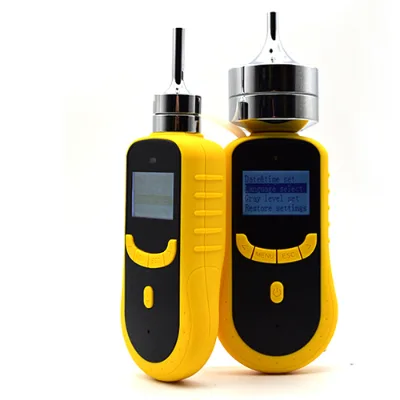
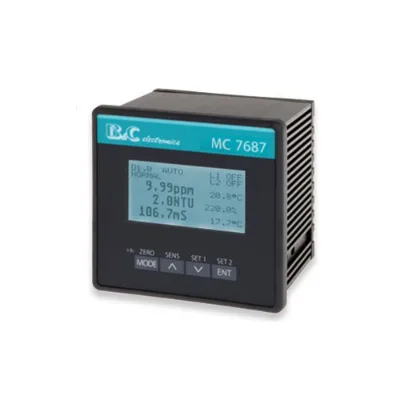
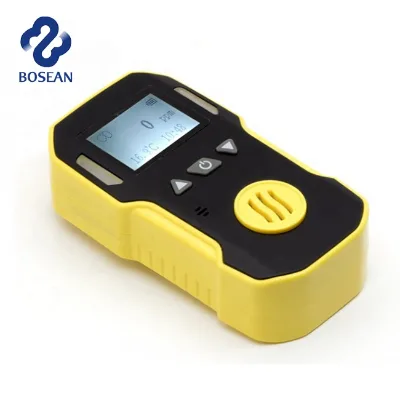
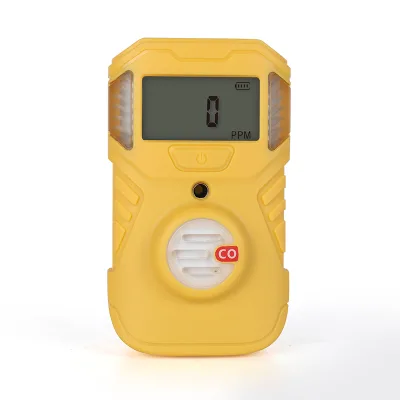










Comprehensive Sourcing Guide
Rechargeable 0 5ppm Handheld Ozone Detector Sourcing Guide
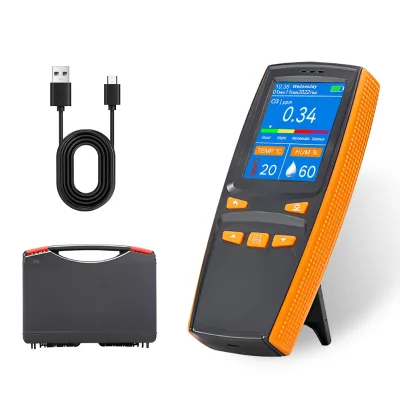
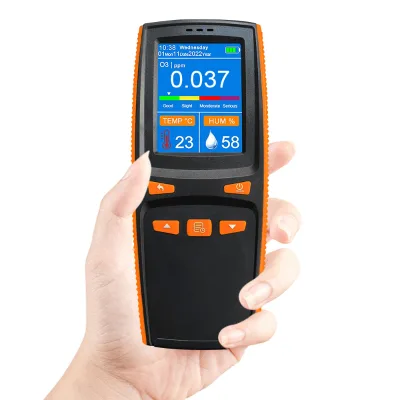
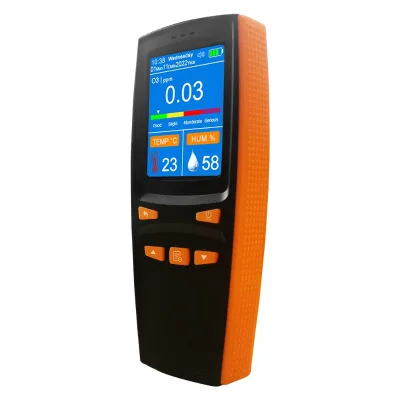
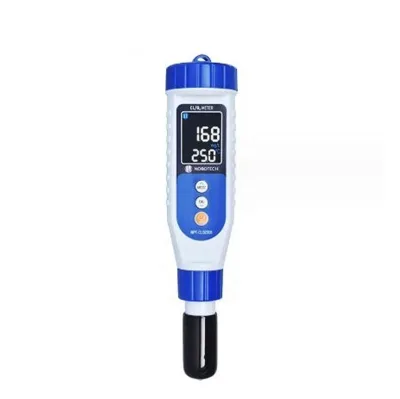
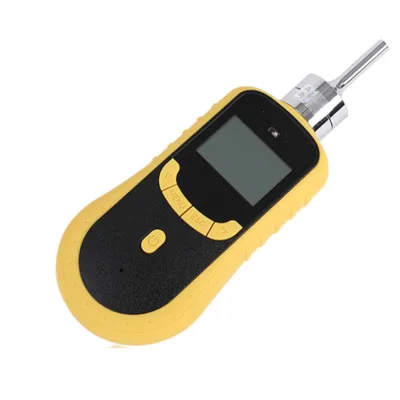
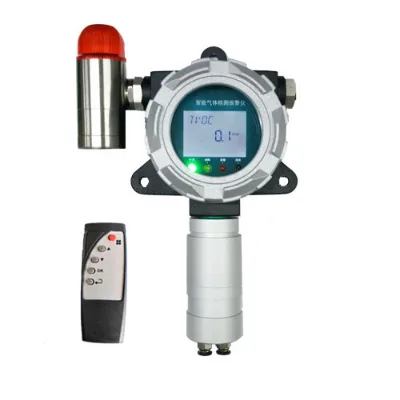
Buyers seeking a rechargeable 0 5ppm handheld ozone detector must first distinguish between portable gas detection units and online dissolved ozone monitoring systems, as the supplied data reveals distinct product categories. The observed listings include specific handheld models like the BH90A, which features a 3.7V rechargeable lithium battery and a sensor life of two years under normal conditions, alongside online detectors such as the 7687 model designed for continuous water concentration measurement. Understanding this distinction is critical because the handheld unit is intended for spot checks in air environments, while the online unit serves industrial process monitoring applications.
Procurement decisions should prioritize the specific detection principle and range required for the intended environment. The handheld devices listed operate on an electrochemical principle with a measure range of 0-5ppm or 0-20ppm, suitable for detecting ozone gas in air. In contrast, other listed items focus on dissolved ozone in water with different output capabilities like 4-20mA signals. Buyers must verify that the selected unit matches their specific need for either portable air monitoring or fixed water system integration to avoid purchasing a device with incompatible functionality or sensor technology.
Product Scope and Observed Listing Signals
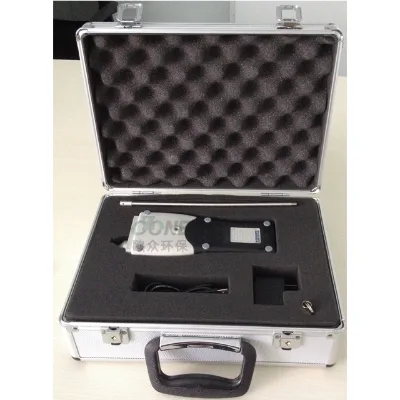
The market for rechargeable ozone detectors presents a wide variance in physical specifications and packaging, requiring careful review of individual product attributes before selection. Observed data indicates that portable handheld units often weigh around 300g to 1kg and are packaged in aluminum suitcases or export standard cartons with dimensions ranging from 17x10.4x7 cm to 35x25x15 cm. These variations in single package size and gross weight directly impact shipping logistics and the portability of the device for field technicians who need to carry the unit for extended periods during inspections.
Buyers must also scrutinize the functional claims regarding the detecting gas and alarm types to ensure the device meets safety protocols. While some listings explicitly state the product is an ozone gas detector, others list a broad range of detectable gases including chlorine, methane, and hydrogen sulfide, suggesting multi-gas capabilities or generic sensor descriptions. The alarm types observed include light, sound, and vibration, which are essential for immediate operator notification in hazardous environments. Confirming that the specific unit selected provides the exact alarm configuration and gas specificity required for the site is a necessary step before finalizing any order.
Technical Specifications to Verify
Technical verification must begin with the sensor life and battery performance, as these factors determine the operational longevity and maintenance schedule of the device. The supplied facts highlight a sensor life of two years under normal conditions and a charging time of 4-6 hours for the rechargeable lithium battery, which are critical metrics for planning replacement cycles and downtime. Buyers should request detailed test results or manufacturer data sheets to confirm that the battery capacity and sensor durability remain consistent under the specific temperature and humidity conditions of their operational site, which can range from -20℃ to 50℃ and 0-95%RH.
Resolution and measurement range accuracy are equally vital for ensuring the detector provides reliable data for safety compliance. The observed listings specify a resolution of 0.01ppm and a measure range of 0-5ppm for certain handheld models, while others offer ranges up to 20ppm or 50ppm. Procurement teams must verify that the accuracy specifications, such as 0.1ppm for ozone, align with the regulatory limits of their facility. Additionally, the output signal options, including 0-20mA or 4-20mA for online systems, must be compatible with the existing data acquisition or control systems to ensure seamless integration without requiring additional conversion hardware.
Compliance and Safety Documentation
Safety documentation is paramount when sourcing gas detection equipment, particularly regarding certifications that validate the device's suitability for hazardous environments. The observed product data includes references to ATEX certificates and CE approval, which are essential for ensuring the equipment meets international safety standards for explosive atmospheres and general electrical safety. Buyers must request current, valid copies of these certificates for the specific model number being purchased, as certification status can vary between different production batches or regional versions of the same product line.
Beyond general certifications, buyers should verify the availability of machinery test reports and specific performance data for the ozone sensor. The supplied facts indicate that machinery test reports are provided for some units, which serves as independent verification of the device's performance under controlled conditions. It is crucial to confirm that these reports cover the specific operating range and environmental conditions relevant to the buyer's application. Without these documented test results, there is a risk that the device may not perform as advertised in real-world scenarios, potentially leading to safety violations or equipment failure during critical operations.
Cost Drivers and Commercial Terms
Cost drivers for rechargeable ozone detectors are influenced by the complexity of the sensor technology, the inclusion of safety certifications, and the specific packaging requirements. The observed price range spans from approximately 36.19 USD to 2100 USD, reflecting the significant difference between basic portable handheld units and more complex online dissolved ozone detectors with advanced output capabilities. Buyers should analyze whether the higher price point correlates with necessary features like external alarms, specific certification levels, or extended warranty periods, rather than assuming a higher cost automatically guarantees superior performance for their specific use case.
Commercial terms such as Minimum Order Quantity (MOQ) and supply ability also play a significant role in the total cost of ownership and procurement planning. The observed MOQ ranges from 1 to 10 units, offering flexibility for small-scale testing or immediate deployment, while the supply ability is noted as 5000 sets per month for certain suppliers. Buyers must clarify the lead times and shipping terms, including the port of dispatch which may be Shanghai, Shenzhen, or other Chinese ports, to accurately calculate delivery schedules. Understanding these commercial constraints helps in negotiating better terms and ensuring that the supply chain can meet the demand without unexpected delays.
Supplier Qualification and Quality Control
Supplier qualification requires a thorough review of the manufacturing location and the consistency of product attributes across different listings. The observed data shows products originating from Guangdong and Henan, China, indicating a concentration of manufacturing in these regions. Buyers should verify the supplier's production capacity and quality control processes to ensure that the products consistently meet the stated specifications, such as the 1-year warranty and the specific dimensions and weight of the units. Consistency in manufacturing is key to avoiding discrepancies between the ordered product and the delivered goods.
Quality control measures should extend to the verification of core components and the reliability of the sensor technology used. The listed core components are described generally as "Others," which necessitates a deeper inquiry into the specific sensor manufacturer and the quality of the internal electronics. Buyers should request information on the testing procedures used for the final assembly, including how the device is tested for accuracy and alarm functionality before shipment. Establishing a clear quality assurance protocol with the supplier, including the acceptance of machinery test reports, is essential for maintaining the integrity of the gas detection system.
Long-Term Procurement Checks
Long-term procurement success depends on establishing a clear maintenance and replacement strategy for the sensor and battery components. Given the specified sensor life of two years and the rechargeable nature of the battery, buyers must plan for periodic replacements to ensure continuous operational safety. It is advisable to negotiate a framework agreement that includes the availability of replacement sensors and batteries at predictable costs, preventing supply chain disruptions when the initial units reach the end of their service life. This proactive approach ensures that the detection system remains compliant and functional over the long term.
Buyers should also implement a regular calibration and performance verification schedule to maintain the accuracy of the detectors over time. The observed accuracy specifications, such as 0.1ppm for ozone, may drift due to environmental exposure or sensor aging, requiring periodic recalibration against a known standard. Establishing a relationship with the supplier for calibration services or obtaining the necessary calibration equipment is a critical step in the long-term management of the gas detection assets. Regular checks and documentation of these activities will help maintain regulatory compliance and ensure the safety of personnel relying on the equipment.
FAQs
What is the measurement range of the 0-5ppm ozone detector?
The device measures ozone concentration within a range of 0 to 5ppm. It utilizes electrochemical principles to provide real-time water ozone concentration value measurement. This specific range ensures accurate detection for applications requiring precise monitoring of low-level ozone levels in air or water environments.
How long does the battery last on the handheld unit?
The unit is powered by a 3.7V rechargeable Li Battery. Charging typically requires 4 to 6 hours to reach full capacity. The sensor life is rated for 2 years under normal operating conditions, ensuring reliable performance for extended periods of continuous or intermittent use in various industrial settings.
Can the detector provide alarms for unsafe ozone levels?
Yes, the detector features an external alarm system. It provides alerts through light, sound, and vibration to notify users immediately. This multi-modal alarm type ensures that operators are warned effectively even in noisy or visually obstructed environments, enhancing safety during gas detection tasks involving ozone.
What is the warranty period for this ozone gas detector?
The product comes with a 1-year warranty. This coverage applies to the device manufactured in Guangdong, China. The warranty supports the reliability of the electrochemical sensor and the overall unit, providing buyers with confidence in the product's durability and performance during its initial year of operation.
What are the packaging dimensions for the single item?
The single package size is 35x25x15 cm. The single gross weight is 2.000 kg. This packaging ensures safe transport of the handheld unit. The dimensions are designed to protect the device while maintaining efficient logistics for shipping, making it suitable for standard export carton or aluminum box configurations.
Is the device suitable for use in humid environments?
Yes, the detector operates within a humidity range of 0-95%RH. This wide range allows for reliable performance in various environmental conditions. The device is designed to function effectively even in high humidity, ensuring consistent measurement accuracy for ozone detection in diverse industrial or outdoor applications without sensor degradation.