Source Rechargeable Battery LED Table Lamp for Bedroom, Learning, and Reading
Find 30 Rechargeable Battery LED Table Lamp options from verified suppliers. Compare models with LED light sources, varying battery capacities, and modern styles suitable for bedroom, learning, and reading applications; compare the available evidence and request quotations based on your requirements.
Key considerations
Products List


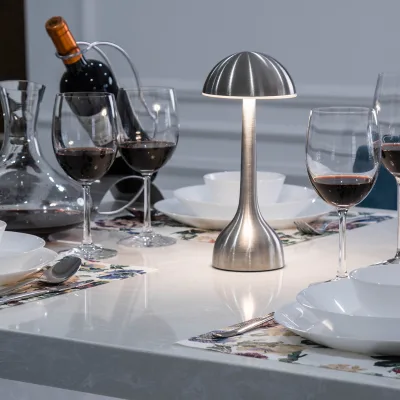


Rechargeable Black Touch LED Lamps colorful 3.5W 5200 mAh LED Table Lights
$5.50 - $9.50
MOQ: 100 Pieces

Portable Cordless Restaurant Rechargeable Battery Touch Portable LED Table Lamps
$10.00 - $80.00
MOQ: 10 Pieces


Modern Touch Night Light Portable Battery Rechargeable Cordless LED Table Lamp
$5.00 - $8.00
MOQ: 3000 Pieces

Dimmable Lamp with Color Changing RGB Portable Touch Lamp Rechargeable Table Lamp
$3.00 - $6.00
MOQ: 3000 Pieces



Comprehensive Sourcing Guide
Rechargeable Battery LED Table Lamp Sourcing Guide
Sourcing rechargeable battery LED table lamps requires a careful balance between portability features and reliable illumination performance. Buyers must first define the primary use case, whether it is for children’s study areas, modern bedroom decor, or flexible workspace lighting. The observed market data indicates a wide range of product models, from compact units with 800mAh batteries to more robust designs featuring 18650 cells with 1800mAh capacity. Understanding these internal power differences is critical for determining runtime and suitability for specific environments.
Procurement teams should also evaluate the physical construction and aesthetic options available from suppliers. Materials range from durable plastic and metal frames to glass elements, allowing for customization in color and style. Many listings highlight modern designs with flexible, cordless capabilities, which are increasingly demanded by consumers seeking eco-friendly and adaptable lighting solutions. Verifying the exact dimensions and packing standards, such as carton specifications, ensures that logistics and storage requirements are met without unexpected surprises during the supply chain process.
Product Scope and Observed Listing Signals
The current market landscape for rechargeable LED table lamps shows significant variation in power sources and light output. While some models rely on AC power with energy-saving bulbs, the core keyword focus is on battery-operated units. Observed listings reveal power outputs generally at or below 5W, with lumens ranging from 100lm to 150lm. These specifications suggest that the products are designed for ambient or task lighting rather than high-intensity illumination. Buyers should note that color temperatures vary, with options including warm 3000K, neutral 4000K, and cool 5000K or 6000K settings, catering to different visual comfort preferences.
Customization is a prevalent feature in this category, with many suppliers offering tailored solutions for frame color, material, and size. For instance, some models allow for customized dimensions and frame materials like iron, while others focus on specific applications such as restaurant or bedroom use. The presence of features like flexible arms and cordless operation adds value for users who need adaptable lighting. However, buyers must distinguish between standard offerings and bespoke options, as customization often impacts lead times and minimum order quantities, which can range from 10 to 3000 pieces depending on the supplier’s flexibility.
Technical Specifications to Verify
When evaluating technical specifications, the battery type and capacity are paramount for ensuring product reliability. Buyers should verify whether the lamp uses a built-in lithium battery or a removable 18650 cell, as this affects replaceability and lifespan. Observed data shows capacities like 800mAh and 1800mAh, which directly influence usage duration. Additionally, the charging interface, often USB-based, should be checked for compatibility with existing power banks or adapters. It is also essential to confirm the light source type, ensuring it is LED for energy efficiency and longevity, and to verify the beam angle, which can be as narrow as 60° for focused task lighting.
Physical dimensions and material composition are equally critical for both functionality and aesthetic integration. Standard sizes observed include compact forms like 11.511.525.5cm and larger cylindrical designs with a diameter of 115mm. Materials such as plastic, metal, and glass offer different durability profiles and weight characteristics. Buyers must ensure that the chosen model meets the specific spatial constraints of the intended application. Furthermore, verifying the lamp holder type and whether the light source is integrated or replaceable can prevent future maintenance issues, especially for models marketed as flexible or cordless.
Compliance and Safety Documentation
Safety certifications are non-negotiable for electrical products, particularly those involving batteries and charging components. Buyers must insist on valid documentation for certifications such as RoHS, CE, CCC, GS, and VDE, depending on the target market. These certifications indicate compliance with regional standards for electromagnetic compatibility, electrical safety, and hazardous substance restrictions. For example, the CCC mark is essential for the Chinese market, while CE and RoHS are critical for European exports. Verifying the authenticity of these certificates with the issuing body is a prudent step to avoid customs delays or product recalls.
Beyond certifications, buyers should request detailed test reports for battery safety and electrical performance. Lithium-ion batteries pose specific risks if not properly managed, so evidence of overcharge protection and thermal stability is vital. Additionally, documentation regarding the LED driver’s efficiency and flicker-free operation can enhance product quality perception. Suppliers should provide clear instructions for safe charging and usage, which should be reflected in the product labeling and user manuals. Ensuring that all safety claims are backed by third-party testing adds credibility and reduces liability for the buyer.
Cost Drivers and Commercial Terms
Pricing for rechargeable LED table lamps varies significantly based on material quality, battery capacity, and customization levels. Observed price ranges span from approximately $1.64 to $80, reflecting the diversity from basic plastic models to premium metal or glass designs with advanced features. Buyers should analyze the cost breakdown to understand how much is attributed to the battery, LED components, and housing materials. Higher MOQs often correlate with lower unit prices, so procurement teams should align order volumes with sales forecasts to optimize cost efficiency without overstocking.
Commercial terms, including lead times and payment conditions, also impact the total cost of ownership. Typical delivery times range from 15 to 30 days, which must be factored into inventory planning. Buyers should negotiate clear terms for customization, as design changes can extend lead times and increase costs. Additionally, packaging standards, such as carton specifications, affect shipping efficiency and potential damage rates. Understanding these variables allows for more accurate budgeting and helps in selecting suppliers who offer the best balance of price, quality, and reliability.
Supplier Qualification and Quality Control
Selecting a reliable supplier involves verifying their manufacturing capabilities and quality control processes. Buyers should assess whether the supplier has experience in producing battery-powered lighting products, as this requires specific expertise in electrical safety and battery management. Requesting samples is crucial to evaluate build quality, light output consistency, and battery performance under real-world conditions. Suppliers located in key manufacturing hubs like Jiangsu, China, often have established supply chains, but buyers should still conduct due diligence on their production capacity and past performance.
Quality control measures should include incoming material inspections, in-process checks, and final random inspections before shipment. Buyers should inquire about the supplier’s defect rate and their process for handling non-conforming products. Additionally, verifying the supplier’s ability to provide consistent product models, such as the WDF162-2008 or JN-106, ensures that future orders will match the initial approval. Establishing a clear communication channel for addressing quality issues promptly is essential for maintaining a smooth supply chain and protecting brand reputation.
Long-Term Procurement Checks
Long-term success in sourcing rechargeable LED table lamps depends on continuous monitoring of product performance and supplier reliability. Buyers should track customer feedback regarding battery lifespan, charging convenience, and durability to identify potential design flaws early. Regular audits of supplier quality systems and compliance documentation help ensure that products remain up to standard as regulations evolve. Maintaining a diversified supplier base can mitigate risks associated with single-source dependencies, especially for customized or high-volume orders.
Furthermore, staying informed about technological advancements in LED efficiency and battery chemistry can provide competitive advantages. Buyers should periodically review product specifications to ensure they align with market trends, such as the growing demand for eco-friendly and smart lighting features. Establishing long-term partnerships with suppliers who demonstrate innovation and commitment to quality can lead to better pricing, priority production, and collaborative product development. This strategic approach ensures that the procurement function remains agile and responsive to changing market demands.
FAQs
What certifications do these lamps have?
The lamps carry RoHS, CE, CCC, GS, and VDE certifications. These marks confirm compliance with safety and environmental standards for international markets. Buyers should verify specific certification documents for their target region before placing bulk orders.
Can I customize the product specifications?
Yes, customization is available for size, color, and design features. Many models allow adjustments to dimensions and materials like plastic or metal. Buyers must confirm specific customization limits with the manufacturer to ensure feasibility for their unique requirements.
What is the battery capacity of these lamps?
Battery capacities vary between 800mAh and 1800mAh depending on the model. Some units use 3.7V 18650 rechargeable batteries while others have built-in lithium options. This variation affects runtime and charging cycles for different usage scenarios.
How much is the minimum order quantity?
The minimum order quantity ranges from 10 to 3000 pieces based on the supplier and product type. Standard models often start at 100 pieces, while custom orders may require higher volumes. Buyers should check specific supplier terms for exact MOQ requirements.
Where are these lamps manufactured?
Most products originate from China, with specific factories located in Jiangsu. This region is known for producing LED lighting solutions with competitive pricing. Buyers can expect efficient logistics from these established manufacturing hubs for global distribution.
What is the delivery time for orders?
Standard delivery times typically range from 15 to 30 days after order confirmation. This period covers production, quality checks, and packaging in cartons. Expedited shipping options may be available depending on the supplier's current production schedule and order volume.