Source Rechargeable Cat Laser Toy Flashlight for car camping boat
Find 30 options for the Rechargeable Cat Laser Toy Flashlight designed for cats and animals. Buyers can compare specifications like battery type, material, and emitting color from suppliers in China.
Key considerations
Products List

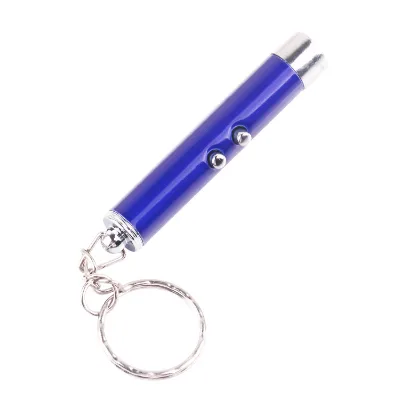


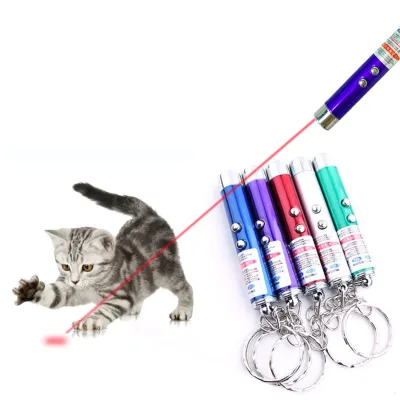


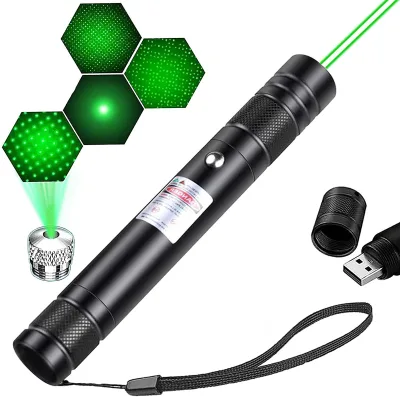
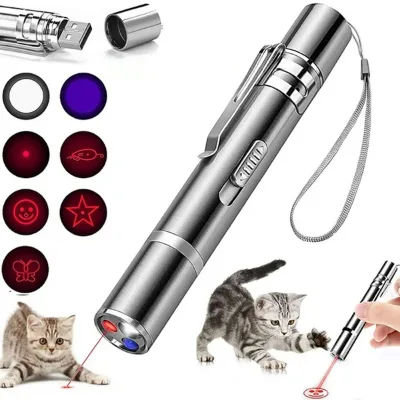
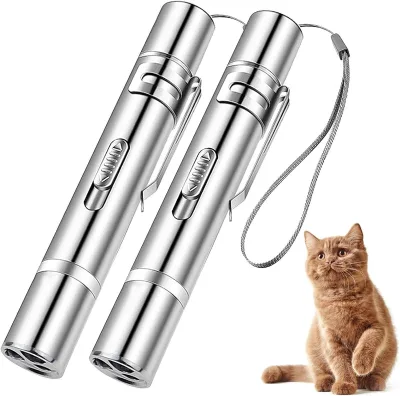
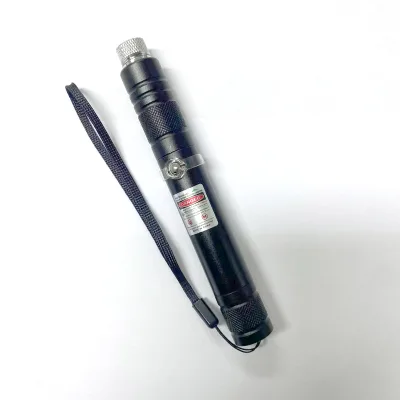


APP-Controlled Cat Laser Toy for Indoor Cats with USB Rechargeable Design
$8.00 - $12.00
MOQ: 100 Pieces

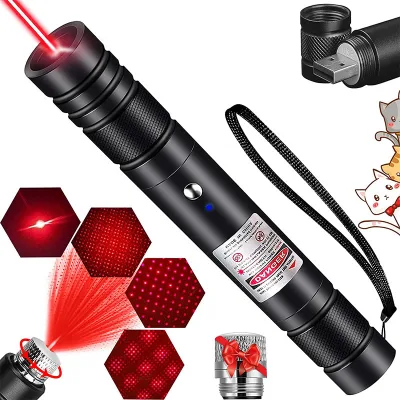
USB Rechargeable Interactive Cat Laser Toy with 360 Degree Rotating Irregular Laser
$2.60 - $4.50
MOQ: 200 Pieces


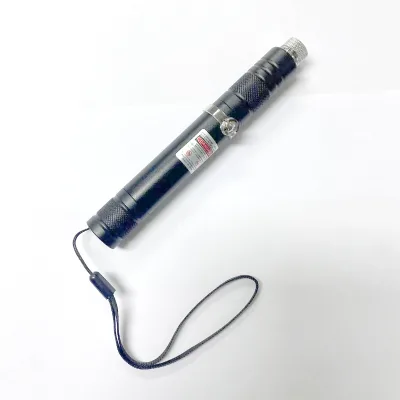
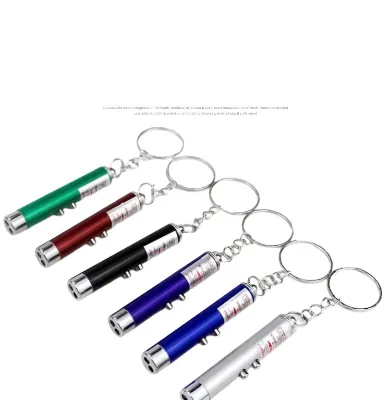




Comprehensive Sourcing Guide
Rechargeable Cat Laser Toy Flashlight Sourcing Guide
Sourcing rechargeable cat laser toy flashlights requires a careful balance between optical performance, battery safety, and commercial flexibility. These devices serve a dual purpose: providing illumination for human use in low-light environments while emitting a specific wavelength of light to engage cats in play. Buyers must navigate a market where product attributes vary significantly between listings, often mixing specifications for standard LED flashlights with those dedicated to pet entertainment. The core challenge lies in verifying that the laser component is safe for animals and that the rechargeable battery system meets durability standards for repeated use.
This guide provides evidence-based procurement advice for buyers evaluating suppliers of these hybrid devices. It focuses on interpreting observed listing signals, verifying technical specifications, ensuring compliance with safety standards, and managing commercial terms. By adhering to these guidelines, procurement professionals can mitigate risks associated with inconsistent product quality, unclear certification status, and mismatched expectations between marketing claims and actual product performance. The goal is to establish a clear framework for due diligence that protects brand integrity and ensures customer satisfaction.
Product Scope and Observed Listing Signals
The market for rechargeable cat laser toys presents a wide range of product configurations, as evidenced by observed listing signals. Product counts and price ranges vary significantly, with prices observed between $0.23 and $15 USD and minimum order quantities (MOQs) ranging from 2 to 1000 units. This disparity suggests a fragmented supplier base, including both small-scale artisans and larger manufacturing operations. Buyers should interpret these signals as indicators of market diversity rather than uniformity, recognizing that lower prices may correlate with simpler designs or lower-quality components, while higher prices might reflect advanced features like custom branding or superior battery technology.
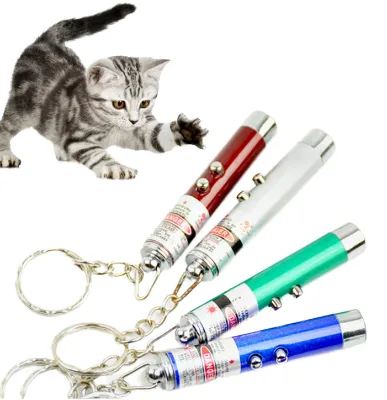
Observed product attributes reveal a mix of materials and power sources that buyers must carefully distinguish. Some listings specify aluminum alloy bodies with LED light sources powered by dry batteries like AG13, while others describe rechargeable models using lithium batteries with capacities such as 480mAh. Materials range from alluminum alloy to ABS+Aluminum+PC composites, indicating variations in durability and weight. Buyers should note that some products are marketed with specific functions, such as white light illumination for corridor walking and infrared cat teasing, while others focus solely on laser emission. Understanding these distinctions is crucial for aligning product selection with target market needs.
Technical Specifications to Verify
Technical verification is paramount when sourcing rechargeable cat laser toys, particularly regarding battery type and charging mechanisms. Buyers must confirm whether the device uses a rechargeable lithium battery or relies on disposable dry batteries, as this impacts long-term cost and environmental considerations. Observed data includes specifications for lithium batteries with 480mAh capacity and charging types labeled as rechargeable, alongside other listings that specify AG13 or AG3 battery types. It is essential to clarify the power source for each SKU, as mixing these specifications can lead to customer confusion and returns. Additionally, runtime claims vary, with some products listing up to 10,000 hours of working time, while others specify a 5-hour runtime, requiring buyers to validate these figures through supplier documentation.
Optical specifications and physical dimensions also require rigorous verification to ensure product suitability. The emitting color is typically listed as red or white, with some products featuring COB bulbs for illumination. Buyers should verify the laser wavelength and power output to ensure compliance with safety standards for pet toys, although specific numerical values are not provided in the observed data. Physical specifications, such as pen size (6*1cm) and single package dimensions (10X5X3 cm or 12X12X12 cm), vary across listings. Buyers must confirm these dimensions to optimize packaging and shipping costs, ensuring that the final product fits within desired retail packaging constraints. Furthermore, features like soft-touch switches and IP ratings should be confirmed to assess usability and environmental resistance.
Compliance and Safety Documentation
Compliance with safety standards is critical for rechargeable cat laser toys, given the potential risks associated with laser exposure and battery safety. Buyers should request documentation for certifications such as RoHS and CE, which are observed in some listings and indicate adherence to environmental and safety regulations in key markets. However, the presence of these certifications in listings does not guarantee that every unit or batch is certified; buyers must verify that the supplier holds valid certificates for the specific models being purchased. It is also important to inquire about laser safety classifications, ensuring that the device meets international standards for Class 2 or Class 3R lasers, which are generally considered safe for intermittent use with pets.
Battery safety is another key area requiring documentation. Since many products use lithium batteries, buyers should request test reports for overcharge protection, short-circuit prevention, and thermal stability. These tests are essential to prevent incidents such as overheating or leakage, which can damage the product and pose safety risks to users. Additionally, buyers should verify that the supplier follows proper disposal guidelines for lithium batteries, especially if the product is marketed as eco-friendly or rechargeable. Ensuring that the supplier provides clear instructions for battery replacement or disposal can enhance customer trust and reduce liability risks.
Cost Drivers and Commercial Terms
Cost drivers for rechargeable cat laser toys include material selection, battery type, and customization options. Products made from aluminum alloy or ABS+Aluminum+PC composites may command higher prices due to improved durability and aesthetic appeal. Similarly, rechargeable models with lithium batteries typically cost more than those using disposable batteries, reflecting the higher component cost and additional engineering required for charging circuits. Buyers should also consider the impact of customization, such as customized logos and colors, which can increase production costs but offer competitive advantages in branded markets. Understanding these cost drivers allows buyers to negotiate effectively and align pricing with their target margins.
Commercial terms, including MOQs and packaging specifications, significantly influence procurement strategy. Observed MOQs range from 2 to 1000 units, offering flexibility for small buyers while catering to larger volume purchasers. Packaging details, such as single item units or carton quantities (1000pcs/carton/403222cm), affect shipping efficiency and storage requirements. Buyers should evaluate these terms in conjunction with their sales forecasts and distribution channels. For instance, higher MOQs may be necessary to achieve economies of scale, while smaller MOQs might be preferable for testing new markets or limited-edition releases. Clear communication of these terms with suppliers can prevent misunderstandings and ensure smooth order fulfillment.
Supplier Qualification and Quality Control
Supplier qualification is a foundational step in sourcing rechargeable cat laser toys, requiring a thorough assessment of manufacturing capabilities and quality control processes. Buyers should verify the supplier’s production capacity, lead times, and history of fulfilling orders of similar scale. Observations indicate that products originate from locations such as Ningbo and Shenzhen, which are known manufacturing hubs in China. Buyers should confirm that the supplier has experience in producing electronic toys and flashlights, as this expertise can impact product reliability and consistency. Additionally, inquiring about the supplier’s quality management systems, such as ISO certifications, can provide assurance of standardized production practices.
Quality control measures should be explicitly defined and agreed upon before placing orders. Buyers should request samples for initial evaluation, testing for optical performance, battery life, and physical durability. Establishing clear acceptance criteria for defects, such as laser misalignment or battery failure, is essential for maintaining product quality. Furthermore, buyers should consider implementing third-party inspections during production or before shipment to verify compliance with specifications. Regular communication with the supplier regarding quality feedback and continuous improvement initiatives can help maintain high standards and address issues proactively.
Long-Term Procurement Checks
Long-term procurement success depends on ongoing monitoring of supplier performance and market trends. Buyers should establish key performance indicators (KPIs) to track supplier reliability, including on-time delivery rates, defect rates, and responsiveness to issues. Regular reviews of these metrics can identify potential problems early and facilitate corrective actions. Additionally, staying informed about changes in regulatory requirements, such as updates to laser safety standards or battery disposal regulations, is crucial for maintaining compliance. Buyers should engage with suppliers to ensure they remain updated on these changes and adapt their products accordingly.
Market dynamics and consumer preferences also evolve, requiring buyers to remain agile in their sourcing strategies. Monitoring trends in pet toy innovation, such as new features or materials, can help buyers stay competitive. Engaging with customers to gather feedback on product performance and satisfaction can provide valuable insights for future sourcing decisions. By maintaining a proactive approach to supplier management and market analysis, buyers can build a resilient supply chain that supports long-term growth and customer loyalty in the rechargeable cat laser toy market.
FAQs
What battery types are used in these cat laser toys?
These toys use either 3 AG13 dry batteries or a 480mAh rechargeable lithium battery. The specific power source depends on the model, with some units designed for dry battery operation while others feature built-in rechargeable options for extended use.
Can I customize the logo and color of the product?
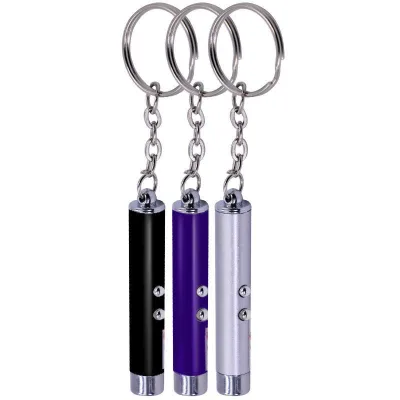
Yes, customization is available for both the logo and the body color. Buyers can select from various colors including blue, black, white, red, yellow, brown, orange, gray, and green to match their branding or preference requirements.
What certifications do the cat laser flashlights hold?
The products hold RoHS and CE certifications to ensure safety and compliance. These standards verify that the materials and manufacturing processes meet specific regulatory requirements for electrical safety and environmental protection in international markets.
How long does the battery last during operation?
The working time can reach up to 10,000 hours for the LED light source, though the runtime for active use is typically around 5 hours. This duration depends on the specific battery type and usage patterns of the device.
What materials are used to construct the flashlight body?
The body is constructed from aluminum alloy, ABS, and PC materials. This combination provides durability and a lightweight feel, ensuring the device is robust enough for handling while remaining comfortable for users to hold during play.
Where are these cat laser toys manufactured?
The products originate from China, with specific manufacturing locations in Ningbo and Shenzhen. These regions are known for their electronics manufacturing capabilities, ensuring efficient production and quality control for the exported goods.
What is the minimum order quantity for these items?
The minimum order quantity ranges from 2 to 1000 units depending on the supplier and specific product configuration. Buyers should check individual listings to confirm the exact MOQ required for their specific order volume and customization needs.