Source Rechargeable Wireless LED Table Lamp for Office, Bedroom, and Study
Find 30 options for the Rechargeable Wireless LED Table Lamp, featuring USB and battery power sources. Compare models with touch controls, LED light sources, and modern designs suitable for living rooms and offices. Review specifications like IP54 ratings and varying battery capacities to select the right fixture.
Key considerations
Products List
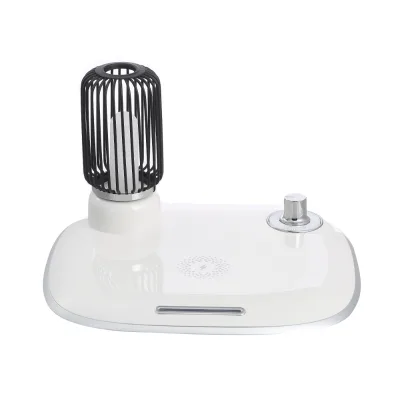


Portable Cordless Restaurant Rechargeable Battery Touch Portable LED Table Lamps
$10.00 - $80.00
MOQ: 10 Pieces


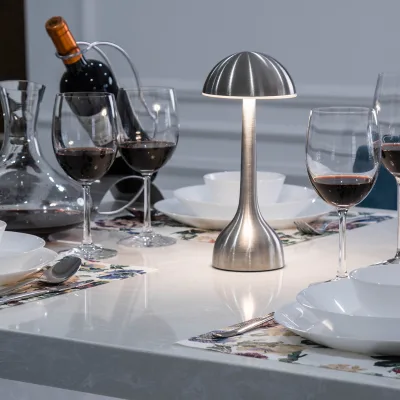


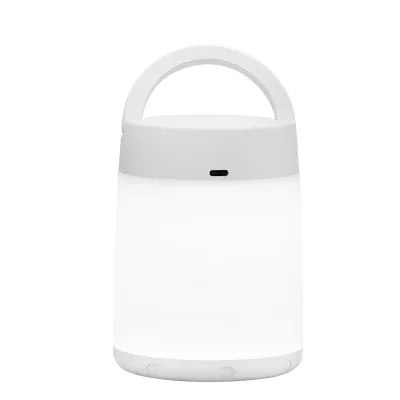


Comprehensive Sourcing Guide
Rechargeable Wireless LED Table Lamp Sourcing Guide
Procuring rechargeable wireless LED table lamps requires a nuanced understanding of the intersection between portable power systems and ambient lighting design. Buyers must navigate a market where "wireless" often implies battery-operated functionality rather than true wireless charging capabilities, necessitating clear definition of power delivery methods during the initial sourcing phase. The observed product landscape reveals a diverse range of specifications, from plug-in USB rechargeable models to those relying on internal battery packs with varying capacities. This distinction is critical for determining the lamp’s suitability for specific use cases, such as bedside reading, office work, or outdoor patio settings, where access to electrical outlets may be limited or non-existent.
The sourcing strategy must also account for the significant variation in build materials and design aesthetics available from manufacturers, primarily concentrated in regions like Jiangsu, China. Products range from durable ABS plastic constructions to more premium aluminum finishes, each offering different trade-offs in weight, thermal management, and cost. Furthermore, the integration of touch controls, dimming capabilities, and specific color temperatures adds layers of complexity to the specification sheet. Buyers need to establish a clear hierarchy of requirements, distinguishing between essential features like continuous use time and charging speed, and desirable but non-critical attributes like customizable colors or specific packaging formats, to streamline the evaluation of potential suppliers.
Product Scope and Observed Listing Signals
The current market for rechargeable wireless LED table lamps exhibits a broad spectrum of price points and minimum order quantities, reflecting the diversity of manufacturing capabilities and target markets. Observed listing signals indicate a price range from approximately $0.99 to $80, suggesting that buyers can find options for both high-volume promotional giveaways and premium retail products. The minimum order quantities (MOQ) typically span from 10 to 1000 units, providing flexibility for small businesses testing the market as well as large retailers seeking bulk inventory. This wide variance underscores the importance of aligning order volume with budget constraints and storage capacity, as smaller MOQs often come with higher per-unit costs due to setup and production inefficiencies.
Product attributes observed in listings highlight key differentiators such as power supply modes, which include both plug-in USB rechargeable options and standalone battery-powered units. Some models feature specific battery capacities, such as 1200mAh, 1800mAh, or 3600mAh, directly impacting the continuous use time, which ranges from 2-3 hours to 5-6 hours on a full charge. Additionally, charging times vary significantly, with some units requiring 8-10 hours while others can be fully charged in 2.5-6 hours. These technical signals are crucial for buyers to assess the user experience, as longer charging times and shorter usage periods may limit the lamp’s appeal in fast-paced environments or for users who prioritize convenience and quick turnaround between uses.
Technical Specifications to Verify
When evaluating technical specifications, buyers must prioritize the verification of battery capacity and charging port compatibility, as these factors directly influence user convenience and longevity. The observed data indicates a variety of battery types, including rechargeable batteries with capacities ranging from 1200mAh to 3600mAh, which dictate the lamp’s operational endurance. It is essential to confirm the charging port type, such as Type-C, to ensure compatibility with existing charging infrastructure and to avoid the logistical burden of managing proprietary cables. Additionally, the continuous use time should be validated under real-world conditions, as manufacturer claims may vary based on brightness settings and battery age, making independent testing or sample evaluation a critical step in the sourcing process.
Light source characteristics and control mechanisms are another vital area for verification, as they impact the lamp’s functionality and user interaction. The LED light source is a common feature, but buyers should verify the color temperature, with options like 2700K providing warm, ambient lighting suitable for living rooms and bedrooms. Control methods, such as touch control, offer a sleek and intuitive user experience, but their reliability can vary between manufacturers. Furthermore, the inclusion of status lights, such as blue indicators for charging or full power, provides valuable feedback to the user. Buyers should also consider the physical dimensions and weight, as these affect portability and stability, ensuring the lamp meets the spatial and ergonomic requirements of its intended application.
Compliance and Safety Documentation
Compliance with international safety and electromagnetic compatibility standards is non-negotiable for importing rechargeable LED lighting products. Buyers must verify that suppliers possess valid certifications such as CE and RoHS, which indicate adherence to European health, safety, and environmental protection standards. The presence of EMC (Electromagnetic Compatibility) certification is particularly important for electronic devices to ensure they do not emit excessive electromagnetic disturbance. These certifications serve as a baseline for product safety, protecting both the end-user and the brand from potential liabilities associated with electrical faults or hazardous materials. Without these documents, products may face customs delays or rejection in key markets, making certification verification a critical part of the supplier qualification process.
Beyond certifications, buyers should request detailed test reports and material safety data sheets to ensure the long-term reliability and safety of the product. The use of materials like ABS plastic or aluminum should be confirmed to be free from harmful substances, aligning with RoHS directives. Additionally, the waterproof grade, such as IP54, should be verified if the lamp is intended for use in environments where it may be exposed to dust or water splashes. Buyers should also inquire about the warranty terms, with a 2-year warranty being a common indicator of manufacturer confidence in product durability. Ensuring that all documentation is up-to-date and issued by recognized testing bodies is essential for maintaining brand integrity and customer trust in the global marketplace.
Cost Drivers and Commercial Terms
Several key factors drive the cost structure of rechargeable wireless LED table lamps, including material selection, battery capacity, and packaging complexity. Products made from aluminum typically command a higher price than those constructed from ABS plastic due to the higher material and processing costs. Similarly, lamps with larger battery capacities, such as 3600mAh, incur higher costs compared to those with 1200mAh batteries, reflecting the expense of the power source. Packaging also plays a significant role, with color box packaging offering a more premium presentation but adding to the overall unit cost. Buyers must balance these cost drivers against their target retail price and margin expectations, ensuring that the chosen specifications align with the perceived value in their target market.
Commercial terms, including payment methods, shipping arrangements, and after-sales support, significantly impact the total cost of ownership. Buyers should negotiate clear terms regarding sample costs, which are often refundable upon placing a bulk order, and establish realistic lead times for production and delivery. The observed packing dimensions and unit weights, such as a single package size of 21.6x30x7.7 cm and a gross weight of 0.400 kg, are crucial for calculating freight costs and optimizing container space. Additionally, buyers should clarify the customization options available, such as logo printing or color customization, and understand any associated fees. Transparent communication regarding these commercial terms helps prevent unexpected expenses and ensures a smooth procurement process from order placement to final delivery.
Supplier Qualification and Quality Control
Supplier qualification is a critical step in mitigating risks associated with sourcing rechargeable LED table lamps. Buyers should conduct thorough due diligence on potential suppliers, verifying their business licenses, manufacturing capabilities, and past performance. Factories located in established industrial hubs like Jiangsu, China, often have mature supply chains and experienced workforces, but this does not guarantee consistent quality. It is advisable to request references from previous clients and to review any available audit reports or factory photos. Additionally, suppliers should demonstrate a commitment to quality control through standardized production processes and regular internal inspections, ensuring that each unit meets the specified technical and aesthetic requirements before shipment.
Quality control measures should extend beyond initial sampling to include ongoing monitoring throughout the production run. Buyers should implement a robust inspection protocol, such as pre-shipment inspections, to verify product conformity to agreed-upon specifications. This includes checking for physical defects, verifying battery performance, and ensuring that all components, such as touch controls and LED lights, function correctly. Suppliers should also provide a clear process for handling defects and returns, with a defined warranty period, such as 2 years, to cover manufacturing faults. By establishing strict quality control standards and maintaining open communication with suppliers, buyers can minimize the risk of receiving substandard products and protect their brand reputation in the competitive lighting market.
Long-Term Procurement Checks
Long-term procurement success depends on establishing a continuous improvement loop with suppliers, focusing on product evolution and market responsiveness. As technology advances, buyers should regularly review product specifications to identify opportunities for upgrades, such as faster charging times, increased battery capacity, or enhanced smart features. Maintaining a close relationship with suppliers allows for early access to new designs and materials, enabling buyers to stay ahead of market trends. Additionally, buyers should monitor customer feedback and return rates to identify any recurring issues, such as battery degradation or control sensitivity, and work with suppliers to implement corrective actions. This proactive approach ensures that the product line remains competitive and meets the evolving needs of end-users.
Sustainability and regulatory changes are also critical considerations for long-term procurement strategies. Buyers should stay informed about evolving environmental regulations, such as restrictions on certain plastics or battery disposal requirements, and ensure that suppliers are compliant with these standards. Exploring sustainable materials and eco-friendly packaging options can enhance brand value and appeal to environmentally conscious consumers. Furthermore, buyers should diversify their supplier base to mitigate risks associated with supply chain disruptions, geopolitical issues, or capacity constraints. By maintaining a flexible and resilient procurement strategy, buyers can ensure a steady supply of high-quality rechargeable LED table lamps, supporting long-term business growth and customer satisfaction.
FAQs
What power supply modes are available for this lamp?
The lamp supports both plug-in and USB recharge power supply modes. It operates on DC5V input voltage and includes a rechargeable battery. This dual-mode design ensures flexible usage in various settings without relying solely on a fixed power source.
Which certifications does the product hold for safety?
The product holds EMC, RoHS, and CE certifications to ensure safety and compliance. These standards verify that the electrical components meet international requirements. Buyers can rely on these documented certifications when assessing the safety profile of the lighting fixture.
How long does the battery last on a single charge?
Continuous use time ranges from 2 to 6 hours depending on the specific battery capacity selected. Options include 1200mAh, 1800mAh, or 3600mAh batteries. Charging times vary between 2.5 and 10 hours to fully replenish the power source for extended operation.
Can the product be customized for specific needs?
Yes, customization is available for this product including color options. The design style is modern and suitable for living rooms. Buyers can request specific modifications to meet unique project requirements while maintaining the core functionality of the Rechargeable Wireless LED Table Lamp.
What is the warranty period for this lighting fixture?
The product comes with a 2-year warranty covering manufacturing defects. This warranty applies to the standard model with ABS or aluminum materials. Buyers receive assurance of quality and support for the duration specified in the product terms and conditions.
Which material is used for the lamp body construction?
The lamp body is constructed from ABS plastic or aluminum materials. These materials provide durability and a modern aesthetic suitable for indoor use. The choice of material impacts the overall weight and structural integrity of the fixed lighting solution.
What is the minimum order quantity for purchasing?
The minimum order quantity ranges from 10 to 1000 units depending on the supplier. Specific MOQ values vary based on customization requests and packaging requirements. Buyers should confirm the exact quantity with the manufacturer before finalizing the procurement agreement.