Find Rechargeable Wireless DMX Battery Uplight for Stage, Dance, Parties
Source 30 models of Rechargeable Wireless DMX Battery Uplight designed for stage, dance, and party applications. Compare specifications including LED power, control modes, and battery life to select the right lighting solution.
Key considerations
Products List


Wireless Battery LED Tube Uplights DMX 360 Degree LED Pixel Tube Light
$816.00 - $913.00
MOQ: 1 Pieces


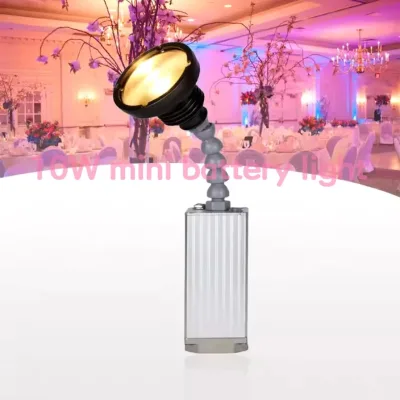
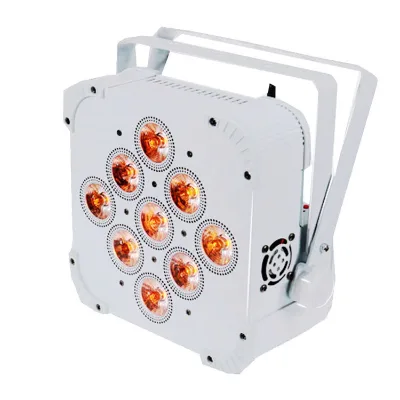
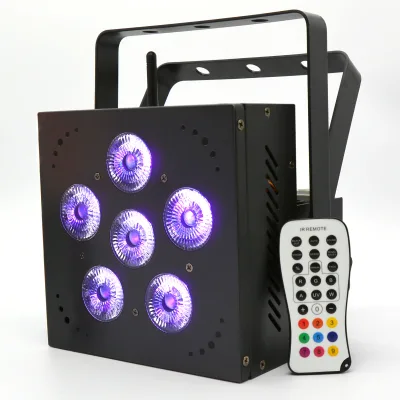
Roylite up-Light Battery Wireless 6*12W Wireless Battery LED PAR Can Stage Light
$78.00 - $85.00
MOQ: 2 Pieces



Comprehensive Sourcing Guide
Strategic Sourcing Guide for Rechargeable Wireless DMX Battery Uplights
Procuring rechargeable wireless DMX battery uplights requires a disciplined approach that balances mobility with performance reliability. These fixtures are engineered to deliver stage-quality illumination in environments where mains power access is limited or where cable management poses a safety hazard. The market offers a diverse array of models, each defined by specific LED configurations, battery capacities, and control protocols. Buyers must navigate a landscape where product attributes vary significantly between units, even within the same category. This guide outlines the critical technical, compliance, and operational factors necessary for a successful procurement strategy, ensuring that the selected equipment meets the rigorous demands of professional lighting applications.
Technical Architecture and LED Performance
The core of any rechargeable wireless DMX uplight lies in its light engine and power management system. When evaluating potential units, the primary observation is the LED configuration. Current market data indicates a prevalence of 6-in-1 RGBWA+UV LED chips, which provide a full spectrum of color mixing capabilities. Specific models feature configurations such as 6x18W or 9x18W arrays, resulting in total power consumptions ranging from 108W to 160W. The choice of LED chips is equally critical; high-performance units often utilize Epistar chips, known for their color consistency and longevity.
Battery capacity is the defining factor for wireless operation. Buyers should verify the specific battery specifications, as units may range from standard lithium-ion packs to high-capacity 14000mAh batteries. This capacity directly influences the "Battery Working Time," with observed operational durations extending up to 8 hours on a single charge. The electric current type is universally AC for charging, but the discharge mechanism must be robust to handle the load of high-power LEDs. The dimming capability is another technical cornerstone; linear dimmers, whether electronic or standard, allow for 0-100% control, ensuring smooth transitions without flickering.
The physical construction also dictates performance. The shell material is typically Aluminium Alloy, chosen for its thermal conductivity to dissipate heat generated by the high-wattage LEDs. This is often paired with a Polycarbonate diffuser that ensures even light distribution while protecting the internal components. The IP Rating is a crucial specification for durability; many units are rated for waterproof conditions, making them suitable for both indoor and outdoor applications. Dimensions vary significantly, with some compact units measuring approximately 8.25" x 8.25" x 5", while larger fixtures can reach 400 x 190 x 210 mm.
Control Protocols and Wireless Integration
The "Wireless DMX" capability is the primary differentiator for this product category. Unlike traditional DMX512 setups that rely on physical cabling, these units offer a suite of control modes including DMX512, Master/Slave, Auto, and Sound Active modes. The integration of wireless technology allows for remote operation via WiFi or dedicated remote controls, providing flexibility in stage setup and event management.
Buyers must verify the specific control architecture of the unit. Some models support Wireless DMX alongside IR (Infrared) control, offering redundancy in signal transmission. The channel count is another variable; units may operate on 6, 8, or 10 channels depending on the complexity of the color mixing and effects required. The ability to switch between DMX512 and wireless modes is essential for versatility. For instance, a unit might be set to "Sound Active" mode for a DJ booth or switched to "DMX" mode for a synchronized stage show. The control interface must be intuitive, allowing operators to adjust brightness, color temperature, and effects without latency.
Compliance, Certification, and Safety Standards
In the B2B procurement of stage lighting, compliance is non-negotiable. The supply chain must provide verifiable documentation for safety and environmental standards. The most frequently observed certifications for these units include CE, RoHS, EMC, LVD, and CCC. These certifications indicate that the product meets European safety directives, restricts hazardous substances, and complies with electromagnetic compatibility standards.
When evaluating a supplier, buyers should request proof of these certifications rather than accepting them as mere marketing claims. The presence of the CCC mark is particularly relevant for products originating from China, indicating compliance with Chinese national standards. Additionally, the product standard dimensions and weight specifications must align with the declared data. For example, a unit with a net weight of 1kg or 3.5kg must match the physical specifications provided in the datasheet. The warranty period is also a critical compliance metric, with a standard offering of 1 Year being common in the industry.
Buyers should also verify the product origin. Many high-volume units are manufactured in Guangzhou, China, a hub for lighting production. While the origin itself is not a quality indicator, it helps in understanding the supply chain logistics and potential lead times. The packing method, whether in a standard Carton or a Rechargeable Flight Case, also impacts the safety of the product during transit and storage.
Cost Drivers and Procurement Economics
The pricing of rechargeable wireless DMX uplights is influenced by several key factors, including LED power, battery capacity, and build quality. The observed price range in the market spans from 39 to 913 USD, reflecting the vast difference between entry-level and professional-grade units. The cost driver with the most significant impact is the battery technology. Units with 14000mAh batteries and high-efficiency power management systems command a premium over those with smaller capacities.
The LED configuration also drives cost. A 9x18W RGBWA+UV array is more expensive than a 6x18W configuration due to the higher component count and increased power requirements. Furthermore, the inclusion of advanced features like WiFi control, wireless DMX, and remote operation adds to the manufacturing complexity and, consequently, the price. The packaging type is another variable; units shipped in a Flycase + Paper Carton combination are often priced higher than those in standard cartons, as the flight case offers superior protection for high-value equipment.
Buyers must also consider the Minimum Order Quantity (MOQ). The market shows an MOQ range of 1 to 49 units. For small events or testing purposes, suppliers with an MOQ of 1 are advantageous. However, for large-scale productions, negotiating a lower unit price with a higher MOQ may be necessary. Customization availability is another cost factor; while many suppliers offer customization, this service may incur additional fees or extend lead times.
Typical Applications and Operational Scenarios
The versatility of rechargeable wireless DMX uplights makes them suitable for a wide range of occasions. The primary applications include Stage, Dance Effect Lights, Club, DJ Lighting, Disco, Hotel, and Parties. In stage productions, these lights are used to create dynamic backgrounds and accent lighting without the clutter of power cables. The wireless capability allows for rapid reconfiguration of the stage layout, which is essential for live performances that require frequent changes.
For outdoor events, the waterproof rating and battery autonomy are critical. Units with IP ratings suitable for outdoor use can withstand varying weather conditions, while the long battery life ensures continuous operation throughout an event. In hotel and corporate settings, these lights are often used for ambient lighting in lobbies or conference halls, where the aesthetic appeal of the fixture and the ease of installation are paramount. The "Sound Active" mode is particularly popular in DJ and disco environments, where the lighting reacts in real-time to the music, enhancing the overall atmosphere.
The portability of these units is a significant advantage. With net weights ranging from 1kg to 3.5kg, they can be easily transported and mounted on stands or trusses. The inclusion of a flight case option further enhances their suitability for touring productions, where equipment must withstand the rigors of travel.
Supplier Evaluation and Quality Assurance
Selecting the right supplier is as important as selecting the right product. Buyers should evaluate suppliers based on their ability to provide consistent product quality and reliable after-sales support. The presence of a 1-year warranty is a baseline expectation, but buyers should also inquire about the supplier's policy on defective units and battery replacements.
Quality control processes should be transparent. Buyers should verify that the supplier conducts rigorous testing on LED chips, battery cycles, and waterproof ratings. The use of high-quality materials, such as Aluminium Alloy shells and Polycarbonate diffusers, should be confirmed through product specifications. Additionally, the supplier's ability to provide detailed datasheets, including dimensions, weight, and power consumption, is a sign of professionalism.
Customization capabilities are another area of evaluation. Suppliers that offer customization in terms of branding, color, or specific technical features can provide a competitive edge. However, buyers must ensure that customization does not compromise the product's core performance or safety certifications. The supplier's location, particularly if they are based in Guangzhou, can influence communication and logistics, but it should not be the sole deciding factor.
Long-Term Procurement and Lifecycle Management
Procuring rechargeable wireless DMX uplights is not just a one-time transaction; it involves long-term lifecycle management. The battery is the component with the shortest lifespan, typically lasting a few years depending on usage patterns. Buyers should plan for battery replacement cycles and ensure that the supplier can provide compatible replacement batteries or the necessary tools for maintenance.
The warranty period of 1 Year covers manufacturing defects, but buyers should consider the total cost of ownership, including potential battery replacements and repair costs. The product's life expectancy is often cited as 50,000 hours, but this is contingent on proper maintenance and operating conditions. Buyers should establish a maintenance schedule that includes regular cleaning of the diffuser, checking of battery health, and firmware updates if applicable.
Sustainability is also a growing consideration. The use of RoHS-compliant materials and energy-efficient LED technology aligns with environmental goals. Buyers should prioritize suppliers who demonstrate a commitment to sustainable manufacturing practices and offer recycling options for end-of-life products. By focusing on these long-term factors, buyers can ensure that their investment in rechargeable wireless DMX uplights remains viable and cost-effective over the lifespan of the equipment.
FAQs
What LED configurations are available for Rechargeable Wireless DMX Battery Uplight?
Available configurations include 6x18W and 9x18W RGBWA+UV 6-in-1 LEDs. These arrays provide full spectrum color mixing with total power ranging from 108W to 160W depending on the specific model selected.
How long does the battery last on a single charge?
The battery working time can extend up to 8 hours on a single charge. This duration depends on the specific capacity, with some units featuring a 14000mAh Lithium Battery for extended operation.
Which certifications do these stage lights typically hold?
Typical certifications include CE, RoHS, EMC, LVD, and CCC. These ensure compliance with European safety directives and electromagnetic compatibility standards for professional stage and club applications.
Can the lights be controlled wirelessly without DMX cables?
Yes, they support Wireless DMX, WiFi, and remote control modes. Additional control options include Master/Slave, Auto, and Sound Active modes for flexible operation in various event scenarios.
What is the minimum order quantity for purchasing these lights?
The minimum order quantity ranges from 1 to 49 units. This flexibility allows buyers to source small quantities for testing or larger batches for extensive production needs.
Where are these rechargeable wireless dmx battery uplights manufactured?
Most units originate from Guangzhou, China. This location is a known hub for lighting production, influencing supply chain logistics and potential lead times for bulk orders.