Source Rechargeable White Portal Vein Finder for hospitals, clinics, and home care
Compare 30 Rechargeable White Portal Vein Finder models from verified Chinese manufacturers. These devices feature infrared optics, compact designs, and easy operation suitable for hospitals, clinics, and home care settings.
Key considerations
Products List


Adjustable Vein Machine Portable Vein Viewer/Detector/Locator/Scanner Infrared Vein Finder
$1130.00 - $1250.00
MOQ: 1 Pieces


Most Advanced Portable Vein Finder with Screen for Clinic and Hospital
$1099.00 - $1299.00
MOQ: 1 Pieces


Fy-600 Vein Finder Functions Vein Viewer Portable Vein Finding Device
$900.00 - $1000.00
MOQ: 1 Pieces
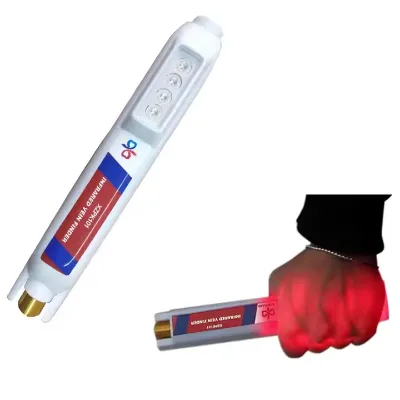
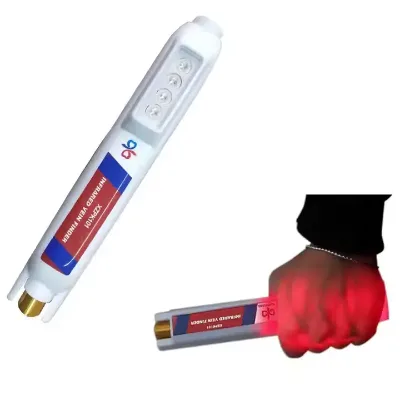


Comprehensive Sourcing Guide
Strategic Sourcing Guide for Rechargeable White Portal Vein Finders
Understanding the Technical Landscape of Vein Visualization Devices
When sourcing a Rechargeable White Portal Vein Finder, buyers must first distinguish between the specific optical technologies and form factors available in the current market. The core keyword implies a device designed to project a visible light pattern onto the skin to visualize subcutaneous veins, facilitating venipuncture and intravenous access. Based on the observed product attributes, these devices frequently utilize Infrared Light as a primary optical component, which is then processed to create a visible white or colored overlay on the skin surface. This technology is distinct from standard white-light devices, as it relies on the absorption and reflection properties of hemoglobin in the blood vessels to generate the image.
The physical characteristics of these devices vary significantly across the supply base. Observed specifications indicate a wide range of dimensions, with some models measuring as compact as 5.5 inches by 3 inches by 2.6 inches, while others, such as specific vein detector strips, may measure 240mm by 60mm by 60mm. Weight is another critical factor for portability; a standard unit in this category has been observed at 12 Lbs, which suggests that while some units are handheld, others may be designed for stationary or cart-based use. The color of the housing is predominantly white, aligning with the sterile and clinical aesthetic required for hospital environments.
Power systems are a defining feature of the "rechargeable" aspect of the keyword. The supply data reveals that many units operate on DC 5V at 2A, often supported by an adapter compatible with 100V-240V AC input at 50Hz-60Hz. This universal voltage compatibility is essential for international procurement, ensuring the device can be used in various regions without additional transformers. The operational noise level is also a technical specification to consider, with some models reporting noise levels below 20dB, ensuring the device does not disturb patients in quiet clinical settings. The working distance for optimal imaging is typically observed between 25cm and 35cm, a range that requires the operator to maintain a consistent hand position for accurate vein detection.
Compliance and Certification Verification Protocols
In the medical device sector, particularly for equipment used in hospitals and for infants, compliance is not merely a formality but a critical risk management requirement. Buyers must verify that the supplier provides valid certification documents that match the specific regulatory environment of their target market. The observed product data highlights several certification types, including ISOCE, CE, and ISO13485. The presence of CE marking indicates conformity with health, safety, and environmental protection standards for products sold within the European Economic Area. ISO13485 is a specific quality management standard for medical devices, suggesting a supplier's commitment to a rigorous quality control system.
However, buyers must exercise caution when interpreting certification claims. The supply data shows variations, with some products listing "ISOCE" while others list "CE, ISO13485." It is imperative to request the actual certificate numbers and verify their validity with the issuing bodies, as the mere presence of a logo on a product listing does not guarantee current compliance. Furthermore, the classification of the device is a key determinant for regulatory pathways. Some units are classified as "Imaging Diagnostic Equipment," while others fall under "Biological Diagnostics" or "Blood Analysis System." This classification affects the import duties, registration requirements, and the level of scrutiny applied by local health authorities.
Origin verification is also a component of compliance. The data indicates that many of these devices originate from China, with specific mentions of Anhui as a production hub. While this is a common manufacturing location for medical electronics, buyers should ensure that the "Made in China" label is accompanied by the necessary export licenses and that the facility has passed relevant audits. For devices intended for use on infants and young children, the regulatory bar is often higher, requiring evidence of biocompatibility and safety testing specific to pediatric populations. Buyers should explicitly ask suppliers for the test reports that support the safety claims for the "Infant, Child, Adult" usage categories observed in the product attributes.
Cost Drivers and Pricing Structure Analysis
The pricing for rechargeable white portal vein finders exhibits a broad range, with observed values spanning from 1 USD to 2150 USD. This significant variance is not arbitrary but is driven by several distinct cost drivers that buyers must understand to evaluate quotes accurately. The primary driver is the complexity of the optical system. Devices that offer high-resolution imaging, adjustable contrast, and advanced algorithms for vein mapping will naturally command a higher price point compared to basic projection units. The observed models, such as the ZD-JM-260-03 and MS-VF400, likely represent different tiers of this technology, with the higher-priced units offering superior performance in difficult venipuncture scenarios.
Battery technology and power management systems also contribute to cost. A rechargeable unit with a high-capacity battery that supports extended operation without frequent recharging will cost more than a model with a smaller battery or one that relies heavily on external power sources. The power specifications observed, such as DC 5V 2A, are standard, but the quality of the battery cells and the efficiency of the charging circuitry can vary. Additionally, the physical build quality, including the durability of the casing and the ergonomics of the handle, influences the manufacturing cost. A device weighing 12 Lbs may utilize more robust materials and internal components than a lightweight handheld unit, impacting the final price.
Packaging and customization are secondary but significant cost factors. The data shows that products are typically packed in cartons, with some specific dimensions noted like 256mm204mm66mm. Customization options, which are listed as "Available" for some models but "Non-Customized" for others, can add to the unit cost. Custom branding, specific color schemes, or tailored software interfaces require additional tooling and development time. Buyers should also consider the Minimum Order Quantity (MOQ), which ranges from 1 to 10 units. While an MOQ of 1 allows for small-scale testing, bulk orders often unlock volume discounts that can significantly reduce the per-unit cost, making the higher-end models more accessible for large hospital networks.
Typical Applications and Clinical Use Cases
The versatility of rechargeable white portal vein finders makes them suitable for a wide array of clinical applications, as indicated by the product attributes. The primary use case is in hospital settings, where the device is employed to assist medical staff in locating veins for venipuncture, intravenous therapy, and blood sampling. The ability to visualize veins on infants and young children is particularly valuable, as pediatric patients often have small, fragile, or difficult-to-access veins. The observation that these devices are used for "Infant, Child, Adult" confirms their broad applicability across different patient demographics.
Beyond general hospital use, these devices are essential in emergency departments and intensive care units where rapid and accurate vein access is critical for patient survival. The "Easy" operation feature noted in the product attributes suggests that the devices are designed for quick deployment, minimizing the time spent searching for a vein and reducing patient discomfort. The "Suit All Body" feature implies that the technology is adaptable to various anatomical locations, including the arms, hands, feet, and neck. This flexibility is crucial for nurses and phlebotomists who may need to access veins in different parts of the body depending on the patient's condition.
The classification of these devices as "Imaging Diagnostic Equipment" also points to their potential use in diagnostic procedures where vein visualization is necessary for accurate sampling. While some listings mention "Blood Analysis System" or "Detecting Body Health," it is important to clarify that the primary function is vein detection, not the analysis of blood composition. The distinction is vital for regulatory compliance and setting appropriate expectations for clinical outcomes. The devices serve as a tool to enhance the success rate of venous access, thereby reducing the number of needle sticks and improving the overall patient experience.
Supplier Evaluation and Quality Assurance Standards
Evaluating suppliers for rechargeable white portal vein finders requires a multi-faceted approach that goes beyond price and basic specifications. Buyers should prioritize suppliers who demonstrate transparency in their manufacturing processes and provide comprehensive documentation. The presence of specific model numbers like JM-S6, SY-G063, and V-600 suggests a structured product line, which is a positive indicator of a mature manufacturing operation. However, buyers must verify that the specific model they are ordering matches the technical specifications and certifications claimed.
Quality control should be a central part of the supplier evaluation. Buyers should inquire about the supplier's internal quality assurance protocols, including in-process testing and final inspection procedures. The "Customization: Available" attribute indicates that some suppliers may offer tailored solutions, but this also introduces the risk of quality inconsistency if the customization process is not well-managed. It is advisable to request samples for rigorous testing before committing to a large order. The sample should be tested for optical clarity, battery life, durability, and ease of use in a simulated clinical environment.
Furthermore, the supplier's ability to provide after-sales support and technical assistance is a critical factor. Medical devices require maintenance, calibration, and potential repairs. A supplier with a strong support network can ensure that the devices remain operational and safe for use over their intended lifespan. Buyers should also check the supplier's track record in the industry, looking for evidence of long-term partnerships with healthcare providers and positive feedback from existing clients. The "Origin: China" and "Anhui" location data suggest a concentration of manufacturers in this region, so buyers should leverage local trade associations or third-party verification services to assess the reputation of specific factories.
Long-Term Procurement and Lifecycle Management
Sourcing rechargeable white portal vein finders is not a one-time transaction but a long-term commitment that involves lifecycle management considerations. Buyers must plan for the replacement of batteries, the availability of spare parts, and the potential for software updates. The rechargeable nature of the devices means that battery degradation over time is a natural occurrence, and the supplier should offer replacement batteries or a refurbishment program. The power specifications, such as the 100V-240V adapter, should be compatible with the local power grid to avoid the need for frequent replacements.
Inventory management is another aspect of long-term procurement. The observed MOQ range of 1 to 10 units suggests that suppliers are flexible, but buyers should establish a consistent ordering schedule to maintain a steady supply of devices. This is particularly important for hospitals that rely on these devices for daily operations. Stockpiling a sufficient number of units can mitigate the risk of supply chain disruptions and ensure that there are always backup devices available in case of equipment failure.
Finally, buyers should consider the obsolescence of the technology. As medical imaging technology advances, older models may become less effective or incompatible with new hospital systems. Selecting suppliers who are committed to continuous innovation and who offer upgrade paths for their product lines can help future-proof the procurement strategy. The "Standard" dimensions and "Packing" details observed in the data provide a baseline for logistics planning, but buyers should also verify that the packaging is suitable for long-term storage and transport, ensuring the devices remain in pristine condition until they are deployed in the clinical setting. By addressing these long-term considerations, buyers can ensure a sustainable and effective procurement strategy for rechargeable white portal vein finders.
FAQs
What certifications do rechargeable white portal vein finders typically have?
These devices commonly hold CE and ISO13485 certifications to ensure medical safety standards. Some listings also reference ISOCE compliance, which indicates adherence to specific international quality management protocols for medical equipment used in hospitals.
How is the power system configured for these rechargeable vein finders?
Most units operate on DC 5V 2A power and include an adapter compatible with 100V-240V AC input. This universal voltage support allows the device to function reliably across different regions without requiring additional transformers for operation.
Which optical technology is used for vein visualization in these devices?
The devices utilize Infrared Light as the primary optical component to detect subcutaneous veins. This technology processes light absorption to create a visible overlay, distinguishing it from standard white-light devices that rely on simple reflection.
Can these vein finders be customized for specific hospital requirements?
Customization is available for certain models to meet specific institutional needs. However, other product listings indicate a Non-Customized option, so buyers must verify the specific customization capabilities of the chosen model before ordering.
What is the typical weight and size of a Rechargeable White Portal Vein Finder?
Standard units can weigh up to 12 Lbs, while dimensions vary significantly across models. Some compact versions measure approximately 5.5 inches by 3 inches, whereas others may reach sizes like 256mm by 204mm depending on the design.
For which patient groups are these vein finders suitable?
These devices are designed for use on infants, children, and adults in hospital settings. The technology supports vein detection across all body types, making them versatile tools for pediatric and general medical applications requiring accurate venous access.