Source Rectangle Tinplate Aromatherapy Can for Gift, Home, Party
Compare 30 Rectangle Tinplate Aromatherapy Can options from verified Chinese manufacturers. Buyers can evaluate materials like tin plate and soybean wax, sizes, and customization services for gift, home, and party uses; compare the available evidence and request quotations based on your requirements.
Key considerations
Products List
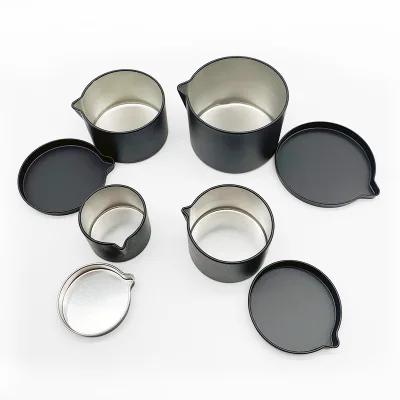


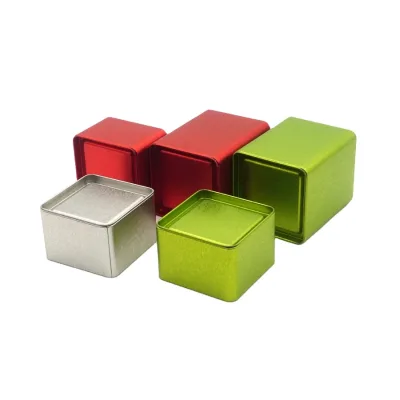


Factory Direct Sales of Tin Cans Aromatherapy Candles Hot Selling Styles
$1.50 - $1.60
MOQ: 100 Pieces


Popular Metal Aroma Tins Jar Cans Soybean Wax Aromatherapy Scented Candles
$5.20 - $6.30
MOQ: 100 Pieces




Comprehensive Sourcing Guide
Rectangle Tinplate Aromatherapy Can Sourcing Guide
Sourcing rectangle tinplate aromatherapy cans requires a nuanced understanding of material properties and manufacturing capabilities, particularly when distinguishing between standard storage containers and specialized vessels for wax-based products. The market data indicates a diverse range of offerings, with suppliers in Guangdong and Anhui, China, providing options that vary significantly in shape, volume, and surface treatment. Buyers must carefully evaluate whether the supplier specializes in flat, rectangular forms or if the available inventory is predominantly round, as this distinction impacts both aesthetic alignment and functional fit for specific retail displays.
The observed product landscape includes items labeled with model numbers such as BLX-661 and S1070, featuring materials like tin plate and soybean wax, which suggests a hybrid market where empty containers and finished goods are often listed together. It is critical to verify the exact geometry of the tinplate can, as some listings describe square or round shapes rather than the desired rectangular profile. Procurement teams should prioritize suppliers who explicitly confirm rectangular dimensions and offer customization services, ensuring that the final product meets the precise spatial requirements of the brand’s packaging design and shelf presentation.
Product Scope and Observed Listing Signals
The current market signals reveal a broad spectrum of tinplate products, ranging from simple storage boxes to complex aromatherapy vessels with specific volume capacities like 1oz, 2oz, 4oz, and 6oz. Listings often include attributes such as "Industrial Use: Gift & Craft" and "Usage: Food, Tableware, Tools," indicating that many suppliers offer versatile containers that can be adapted for various applications beyond strict aromatherapy use. Buyers should scrutinize these broad usage tags to ensure the tinplate material is suitable for direct contact with essential oils or wax, as some industrial-grade tins may lack the necessary internal coatings for fragrance preservation.
Surface finishing and printing techniques are prominent differentiators in the observed listings, with options including matte finishes, CMYK printing, and offset lithography. The presence of brands like Baolai and YOUWEI suggests that established manufacturers are active in this space, offering OEM/ODM services that allow for custom logo placement and graphic design. However, the inconsistency in shape descriptions, with some products listed as "ROUND" or "Square," necessitates a rigorous verification process to confirm the availability of true rectangular forms. Procurement specialists must request physical samples to assess the quality of the offset lithography and the structural integrity of the rectangular corners, which are prone to deformation during shipping if not properly reinforced.
Technical Specifications to Verify
When evaluating technical specifications, the volume capacity and dimensional accuracy of the Rectangle Tinplate Aromatherapy Can are paramount. Buyers should verify that the internal volume matches the required fill level for their specific wax or oil formulations, keeping in mind that listed volumes such as 578ml or 1083ml may correspond to larger, non-aromatherapy containers. It is essential to confirm the wall thickness and the type of tinplate used, as thinner gauges may compromise the seal integrity and durability of the can, especially when subjected to temperature fluctuations during storage or transport.
Sealing mechanisms and lid compatibility are critical technical factors that directly impact the longevity of the aromatherapy product. Listings mention sealing types such as "Button," which may refer to specific lid closures, but buyers must ensure that the rectangular tinplate can features an airtight seal to prevent the evaporation of volatile essential oils. Additionally, the surface printing process, whether CMYK or offset lithography, should be evaluated for its resistance to abrasion and chemical interaction with the contents. Procurement teams should request detailed technical drawings that specify the exact outer and inner dimensions, ensuring that the rectangular can fits seamlessly into existing packaging lines or retail display fixtures.
Compliance and Safety Documentation
Compliance and safety documentation are non-negotiable for aromatherapy products, particularly when the tinplate can comes into direct contact with consumable or therapeutic materials. Buyers must verify that the tinplate material is food-grade or certified for cosmetic use, ensuring that it does not leach harmful substances into the wax or oil. Although some listings mention certifications like ISO 9001 or BSCI, these are often general quality or social compliance standards and do not specifically address the chemical safety of the container. Procurement teams should request material safety data sheets (MSDS) and migration test results to confirm that the tinplate and any internal coatings meet international safety standards for fragrance products.
Furthermore, the printing inks and surface finishes used on the exterior of the rectangular tinplate can must be non-toxic and compliant with relevant regulations, such as REACH in Europe or CPSIA in the United States. Buyers should inquire about the specific pigments and varnishes used in the CMYK or offset lithography processes to ensure they do not emit volatile organic compounds (VOCs) that could contaminate the aromatherapy product. It is also important to verify that the supplier adheres to good manufacturing practices (GMP) to prevent contamination during the production and packaging phases. Requesting third-party lab reports for heavy metal content and chemical migration is a prudent step to mitigate liability and ensure consumer safety.
Cost Drivers and Commercial Terms
Cost drivers for rectangle tinplate aromatherapy cans include the complexity of the rectangular shape, the volume of the order, and the level of customization required. Rectangular tins often involve more complex tooling and manufacturing processes compared to round cans, which can lead to higher unit costs, especially for small order quantities. Buyers should anticipate a wide range in minimum order quantities (MOQ), with some suppliers requiring up to 80,000 units for standard designs, while others may offer lower MOQs for customized versions at a premium price. Understanding these cost structures is essential for budgeting and determining the optimal order size to achieve economies of scale.
Commercial terms such as payment methods, shipping options, and lead times also significantly impact the total cost of procurement. Listings indicate that suppliers offer various shipping methods, including DHL, UPS, and FedEx, which can affect delivery speed and cost, particularly for urgent orders. Buyers should negotiate clear terms regarding sample costs, tooling fees, and mold charges, as these can add substantial upfront expenses for customized rectangular designs. Additionally, it is important to clarify the packaging details, such as whether the cans are shipped in single OPP bags or cartons, as this influences the efficiency of the receiving and storage process at the buyer’s facility.
Supplier Qualification and Quality Control
Supplier qualification is a critical step in ensuring the reliability and consistency of rectangle tinplate aromatherapy cans. Buyers should conduct thorough due diligence on potential suppliers, verifying their production capabilities, quality control systems, and track record in the aromatherapy or packaging industry. It is advisable to request references from previous clients and to review any available audit reports or certifications that demonstrate the supplier’s commitment to quality and ethical manufacturing practices. Suppliers with experience in OEM/ODM services are often better equipped to handle custom designs and maintain consistent quality across large production runs.
Quality control measures should be implemented at various stages of the production process, from raw material inspection to final packaging. Buyers should establish clear quality standards for the tinplate material, surface finishing, and printing quality, and request pre-shipment inspections to verify that the products meet these specifications. It is particularly important to check for defects such as dents, scratches, or misaligned lids, which can compromise the aesthetic appeal and functionality of the rectangular tinplate can. Implementing a robust quality control plan, including random sampling and stress testing, helps to minimize the risk of receiving substandard products and ensures that the final packaging enhances the brand’s market position.
Long-Term Procurement Checks
Long-term procurement checks involve continuous monitoring of supplier performance, market trends, and regulatory changes to ensure the ongoing suitability of rectangle tinplate aromatherapy cans. Buyers should establish key performance indicators (KPIs) to track metrics such as on-time delivery, defect rates, and responsiveness to issues, using this data to inform future sourcing decisions. Regular communication with suppliers is essential to stay informed about any changes in production processes, material availability, or pricing structures that could impact the supply chain. Building a strong relationship with a reliable supplier can lead to better pricing, priority production, and improved collaboration on new product developments.
Additionally, buyers should periodically review the competitive landscape to identify new suppliers or alternative materials that may offer better value or performance. The aromatherapy market is dynamic, with evolving consumer preferences for sustainable and innovative packaging solutions. Staying abreast of these trends allows buyers to proactively adapt their sourcing strategies and maintain a competitive edge. It is also important to regularly update compliance documentation and safety standards to ensure that the rectangle tinplate aromatherapy cans continue to meet all relevant regulatory requirements. By maintaining a proactive and informed approach to procurement, buyers can mitigate risks and secure a stable supply of high-quality packaging for their aromatherapy products.
FAQs
What materials are used for rectangle tinplate aromatherapy cans?
The cans are primarily made from tinplate, a durable metal suitable for packaging and storage. Some variants may incorporate soybean wax for specific candle applications. This material choice ensures structural integrity and compatibility with various aromatherapy products, providing a reliable container for essential oils and scented items.
Can I customize the logo on these tinplate containers?
Yes, customization is available for logo and graphic design. The printing process supports CMYK color modes, allowing for detailed and vibrant branding. Buyers can request specific designs to match their product identity, ensuring that the packaging effectively communicates brand values and attracts target customers in the aromatherapy market.
What are the standard volume options for these storage boxes?
Standard volume options include 1oz, 2oz, 4oz, and 6oz capacities. These sizes cater to different aromatherapy needs, from small sample sizes to larger storage requirements. The flexible volume selection allows buyers to choose the most appropriate container size for their specific product line, ensuring optimal packaging efficiency and customer satisfaction.
Where are these tinplate cans manufactured?
These products originate from Guangdong and Anhui provinces in China. The manufacturing facilities are equipped to handle various production processes, including offset lithography and filling. This geographic concentration ensures efficient supply chain management and consistent quality control, providing buyers with reliable access to high-quality tinplate packaging solutions for their business needs.
What sealing types are available for these containers?
Available sealing types include button seals for secure closure. This design ensures that the contents remain fresh and protected from external contaminants. The secure sealing mechanism is particularly important for aromatherapy products, preserving the integrity of essential oils and scents while providing a convenient and user-friendly experience for the end consumer.
How are these items packaged for shipment?
Items are typically packaged in single OPP bags for individual protection. Larger orders may be shipped in cartons to ensure safe transit. This packaging method protects the tinplate containers from damage during handling and transportation, maintaining their aesthetic appeal and structural integrity upon arrival at the buyer's facility or distribution center.