Source Rectangular Ribbed Oven Grill Liners for Baking, Grilling, and Roasting
Compare 30 verified suppliers offering Rectangular Ribbed Oven Grill Liners designed for baking, grilling, and roasting applications. Buyers can review specifications including material, size, and certifications to find the right product for their needs.
Key considerations
Products List


Non Stick Hotplate BBQ Grill Baking Liners Mat, PTFE Coating Grilling Liner
$0.31 - $0.34
MOQ: 1000 Pieces

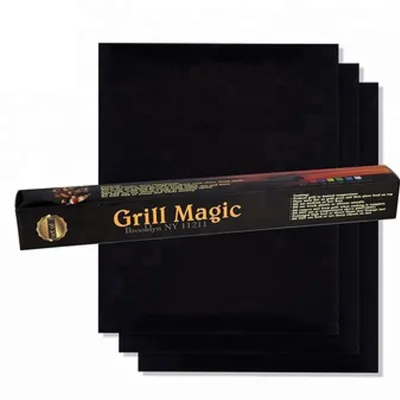
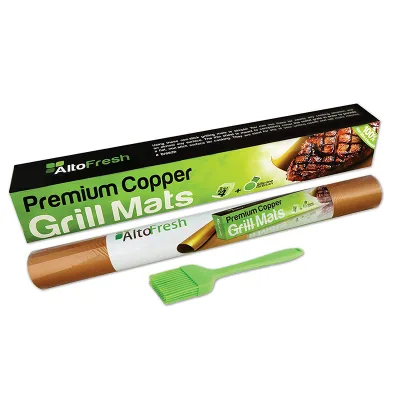
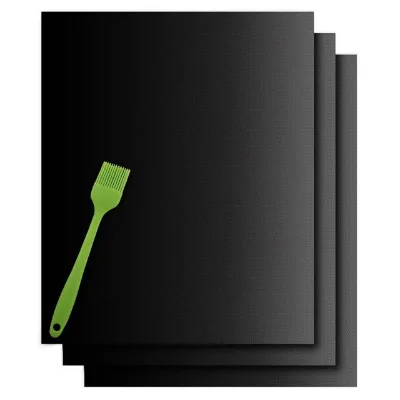
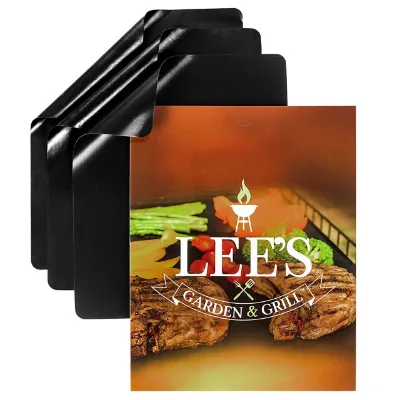
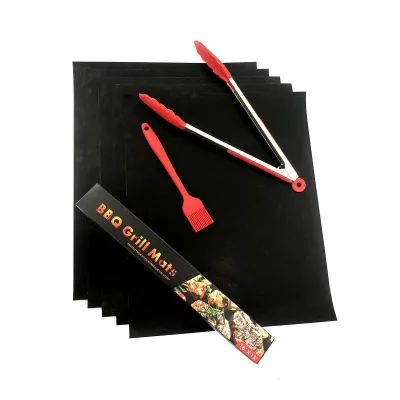
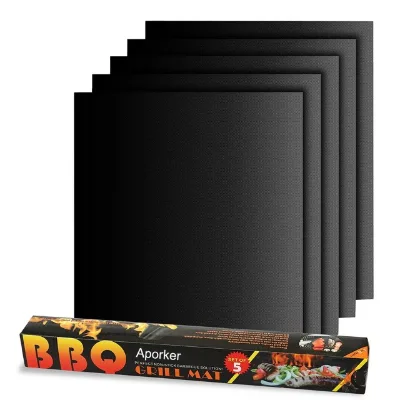


BBQ Grill Mat Oven Baking Pan Liners 100% Non-Stick BBQ Grill Mat
$0.82 - $2.20
MOQ: 1000 Square Meters


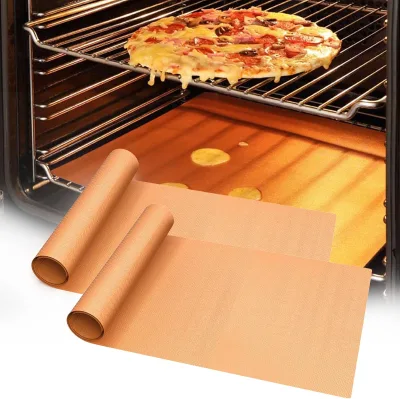


Comprehensive Sourcing Guide
Strategic Sourcing Guide for Rectangular Ribbed Oven Grill Liners
The global demand for high-performance cooking surfaces has driven a significant shift toward reusable, non-stick, and heat-resistant grill liners. For procurement professionals seeking Rectangular Ribbed Oven Grill Liners, the market offers a diverse array of materials, primarily focusing on PTFE-coated fabrics and silicone-based composites. These products are engineered to withstand extreme thermal conditions while providing an easy-clean surface that prevents food from sticking to grill grates. The specific geometry of a rectangular ribbed design is critical for ensuring even heat distribution and allowing grease to drain away from the cooking surface, thereby reducing flare-ups and simplifying the cleanup process. This guide synthesizes available product data and industry standards to provide a structured approach for sourcing these essential kitchen and barbecue accessories.
Technical Specifications and Material Composition
When evaluating Rectangular Ribbed Oven Grill Liners, the primary technical differentiator lies in the base material and the coating technology. The supplied product data indicates a prevalence of PTFE (Polytetrafluoroethylene) and fabric-based constructions. PTFE is widely recognized for its exceptional non-stick properties and thermal stability. Products in this category often specify a temperature resistance range, with observed data pointing to a functional limit between -70℃ and 260℃. This range is critical for applications involving high-heat searing or baking, ensuring the liner does not degrade or release harmful fumes within standard operating parameters.
The physical dimensions of the liners vary significantly based on the intended application, whether for home ovens, commercial grills, or outdoor charcoal setups. The data reveals specific standard sizes such as 400330mm, 30x40 cm, and 2414cm, alongside fully customized options. The "ribbed" feature mentioned in the core keyword implies a textured surface, which is often achieved through the weave type or the molding process. For fabric-based liners, a twill weave is noted as a common construction method, providing structural integrity and flexibility. The thickness of these liners is another vital specification; observed data includes a thickness of 0.30mm, though customization is frequently available to meet specific durability requirements. Buyers must verify that the ribbed pattern is consistent and does not compromise the non-stick coating's integrity during repeated thermal cycling.
Compliance, Certification, and Safety Standards
Safety and regulatory compliance are paramount when sourcing food-contact materials. The supply chain for grill liners is heavily regulated to ensure that no harmful substances migrate into food during cooking. The provided facts highlight several key certifications and test results that serve as indicators of product safety. Products are frequently tested against FDA and LFGB (German Food and Feed Code) standards, which are the gold standards for food safety in North America and Europe, respectively. Additionally, SGS testing is cited as a verification method, providing third-party assurance of material composition.
Beyond food safety, environmental and labor compliance are increasingly important for B2B buyers. The data indicates that products may carry RoHS (Restriction of Hazardous Substances) and BSCI (Business Social Compliance Initiative) certifications. RoHS compliance ensures that the manufacturing process adheres to restrictions on hazardous materials like lead and mercury, while BSCI certification signals adherence to ethical labor practices. For buyers targeting the European market, LFGB is particularly critical, whereas FDA compliance is essential for the United States. It is important to note that while some listings mention "Alkali Free" properties, which suggests a neutral pH balance suitable for sensitive food items, buyers should request specific test reports for each batch to confirm that these claims hold true for the specific model being procured.
Cost Drivers and Pricing Dynamics
The pricing of Rectangular Ribbed Oven Grill Liners is influenced by a complex interplay of material costs, customization levels, and order volume. The observed price range in the market spans from $0.04 to $39.00 USD, a wide variance that reflects differences in material quality, brand positioning, and order quantity. The lower end of the spectrum typically corresponds to basic fabric-based liners or smaller, standard-sized units purchased in high volumes. Conversely, the higher price points are associated with specialized PTFE-coated products, custom dimensions, and premium packaging.
Order Volume is a primary driver of unit cost. The Minimum Order Quantity (MOQ) observed ranges from 1 to 100,000 units. Buyers purchasing at the lower end of the MOQ spectrum will face higher per-unit costs but gain flexibility in testing new designs or managing inventory. As order volumes increase, particularly approaching the 100,000-unit threshold, economies of scale significantly reduce the unit price. Customization is another significant cost factor. While the data confirms that customization is available for size, thickness, and branding (OEM logo), these customizations often incur setup fees or higher per-unit costs compared to standard stock items. Additionally, the packaging method—ranging from simple polybags to color boxes and paper bags—adds to the overall cost structure. Buyers must balance the desire for premium presentation with the need to maintain competitive pricing in their final markets.
Typical Applications and Usage Scenarios
Rectangular Ribbed Oven Grill Liners serve a versatile range of applications, extending from domestic kitchens to professional outdoor catering. The primary use case identified in the data is for outdoor charcoal BBQ grills, where the ribbed design helps manage grease and prevent flare-ups, a common issue with direct flame cooking. The liners are also explicitly designed for indoor cooking and baking, offering a non-stick surface that eliminates the need for excessive oil or butter. The temperature resistance of -70℃ to 260℃ makes these liners suitable for a wide array of culinary tasks, including roasting vegetables, grilling meats, and baking pastries.
The specific geometry of the rectangular shape allows for efficient use of oven racks and grill surfaces, maximizing cooking area. For commercial food service operations, the "Easily Cleaned" and "Corrosion Resistance" attributes are particularly valuable. These liners reduce the labor time required for cleaning grill grates, as food residue can be wiped away easily, and the liners themselves can often be washed and reused. The "Reusable" nature of these products aligns with sustainability goals, reducing waste compared to disposable aluminum foil or parchment paper. Furthermore, the availability of accessories such as sticks suggests that some product lines are designed for specific handling or mounting requirements, enhancing their utility in professional settings.
Supplier Evaluation and Quality Control Protocols
Selecting a reliable supplier for Rectangular Ribbed Oven Grill Liners requires a rigorous evaluation of their manufacturing capabilities and quality control systems. The data indicates that the majority of suppliers originate from China, with specific mentions of Jiangsu as a production hub. When evaluating potential partners, buyers should prioritize suppliers who demonstrate transparency regarding their production standards and testing protocols. The presence of OEM capabilities suggests that suppliers are equipped to handle branding and customization, but buyers must verify the consistency of their quality control processes.
Quality control should focus on several key areas: material consistency, coating adhesion, and dimensional accuracy. Buyers should request samples to test the "Heat Resistance" and "Non-Stick" claims under actual operating conditions. The "Sample Time" of 7 days noted in the data provides a benchmark for how quickly a supplier can deliver prototypes for evaluation. It is essential to verify that the "Color Box" or "Polybag" packaging does not compromise the product during transit. Additionally, buyers should inquire about the supplier's process for handling "Alkali Free" claims and ensuring that the "Twill Woven" fabric maintains its structural integrity after multiple wash cycles. A robust supplier will have a documented quality assurance plan that covers raw material inspection, in-process checks, and final product testing against FDA/LFGB standards.
Long-Term Procurement Considerations and Sustainability
Sourcing Rectangular Ribbed Oven Grill Liners is not merely a transactional decision but a strategic move toward sustainable and efficient kitchen operations. The "Environmental Protection" attribute, specifically the "Reusable" nature of these products, offers a long-term value proposition. By replacing disposable alternatives, buyers can reduce their operational waste and appeal to eco-conscious consumers. However, the longevity of the liner depends on proper care and usage. Buyers should educate their end-users on the correct temperature limits to prevent degradation of the PTFE coating or fabric base.
Future procurement strategies should also consider the evolution of material standards and environmental regulations. As global standards tighten regarding chemical usage in food-contact materials, suppliers must remain agile in updating their formulations. The availability of "Customized" sizes and thicknesses allows buyers to tailor products to specific market needs, potentially creating a competitive advantage. Furthermore, the "OEM" logo capability enables buyers to build brand loyalty and differentiate their offerings in a crowded marketplace. By maintaining a strong relationship with suppliers who prioritize compliance and quality, buyers can ensure a steady supply of high-performance grill liners that meet both current regulatory requirements and future sustainability goals.
Comparative Analysis of Product Attributes
To assist in decision-making, the following table summarizes the key attributes observed in the market for Rectangular Ribbed Oven Grill Liners, highlighting the variations buyers may encounter.
| Attribute Category | Observed Specifications | Variability Notes |
|---|---|---|
| Material | PTFE, Fabric | PTFE offers superior non-stick; Fabric offers flexibility. |
| Temperature Range | -70℃ ~ 260℃ | Critical for high-heat searing; verify specific model limits. |
| Dimensions | 400330mm, 30x40cm, 2414cm, Custom | Standard sizes available; custom options for specific grills. |
| Thickness | 0.30mm (Standard), Custom | Thicker liners may offer better durability; custom requests vary. |
| Certifications | FDA, LFGB, RoHS, SGS | Essential for food safety; verify specific regional compliance. |
| Packaging | Color Box, Polybag, Paper Bag | Affects retail presentation and shipping costs. |
| Customization | Logo (OEM), Size, Thickness | Available but may impact MOQ and lead time. |
| Origin | China (e.g., Jiangsu) | Primary manufacturing hub; verify logistics and lead times. |
This comparative view underscores the importance of aligning product specifications with specific application needs. Whether sourcing for a high-volume retail chain or a specialized catering service, the ability to select the right combination of material, size, and certification is essential for success. By adhering to the technical and compliance standards outlined in this guide, buyers can navigate the complex landscape of grill liner procurement with confidence and precision.
FAQs
What materials are used for Rectangular Ribbed Oven Grill Liners?
These liners are primarily constructed from PTFE or fabric materials. PTFE provides superior non-stick properties while fabric offers flexibility, with some products featuring a twill weave for structural integrity.
Can these liners withstand high cooking temperatures?
Yes, the observed temperature resistance ranges from -70℃ to 260℃. This range supports high-heat searing and baking without degrading the coating or releasing harmful fumes during standard cooking operations.
Which certifications ensure food safety for these grill liners?
Products are frequently tested against FDA and LFGB standards for food safety. Additional certifications like RoHS and SGS provide third-party assurance regarding hazardous substance restrictions and material composition.
How can I customize the size of these grill liners?
Customization is available for size, thickness, and branding with OEM logo options. Standard dimensions include 400*330mm and 30x40cm, but buyers can request specific measurements to fit unique grill surfaces.
What is the typical minimum order quantity for these products?
The minimum order quantity ranges from 1 to 100,000 units depending on the supplier. Lower MOQs allow for testing new designs, while larger volumes significantly reduce the per-unit cost through economies of scale.
Are these liners reusable and environmentally friendly?
Yes, the products are designed to be reusable, reducing waste compared to disposable alternatives. They feature environmental protection attributes and are suitable for repeated use in both indoor and outdoor cooking scenarios.