Source Recyclable Amber Glass Bottle with Dropper for Cosmetics
Find 30 options for a Recyclable Amber Glass Bottle with Dropper suitable for cosmetics, medicine, and chemical storage. Compare specifications including 2ml to 100ml capacities, screw cap sealing, and custom packaging to identify the right supplier for your product line.
Key considerations
Products List


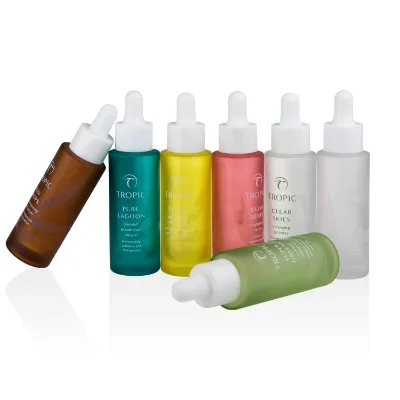
Cosmetic Packing Essential Oil Bottle Amber Glass Drop Bottle with Dropper
$0.09 - $0.09
MOQ: 10000 Pieces




Comprehensive Sourcing Guide
Recyclable Amber Glass Bottle with Dropper Sourcing Guide
Procuring recyclable amber glass bottles equipped with droppers requires a nuanced understanding of material science and supply chain logistics. These containers are primarily designed for high-value liquid products where light sensitivity is a critical factor in preserving product integrity. The amber hue acts as a natural filter, blocking harmful UV rays that can degrade active ingredients in cosmetics, essential oils, and pharmaceuticals. Buyers must recognize that while the glass itself is inherently recyclable, the overall sustainability profile depends heavily on the compatibility of the closure system and the efficiency of the local recycling infrastructure.
The sourcing landscape for these items is diverse, with manufacturers offering various customization options to meet specific brand requirements. Key attributes observed in the market include the availability of custom logos, flexible packing solutions, and a range of standard capacities. Procurement teams should focus on verifying the structural integrity of the glass and the precision of the dropper mechanism, as these elements directly impact user experience and product safety. Understanding the interplay between the bottle’s physical properties and the end-user’s application is essential for selecting the right supplier and ensuring long-term supply chain stability.
Product Scope and Observed Listing Signals
The current market offers a wide array of amber glass bottles, with observed listings indicating a price range of $0.02 to $1.00 USD and minimum order quantities typically spanning from 1,000 to 10,000 units. This variability suggests that buyers can find options suitable for both small-batch artisanal brands and large-scale industrial operations. The products are often described with specific model numbers such as LY-PE-8 or HHK1033, which may correspond to different dropper configurations or glass thicknesses. Buyers should carefully review these identifiers to ensure they align with their specific volume and functional requirements, as generic descriptions may obscure critical differences in quality or design.
Observed product attributes highlight a strong emphasis on customization and eco-friendly features. Many suppliers offer OEM services, allowing for tailored logo printing and specialized packaging solutions like pallets or custom cartons. The materials listed include both glass and plastic components, particularly in the cap and dropper mechanisms, which are often made from PP or other plastics. While the glass body is recyclable, the presence of mixed materials necessitates careful consideration of end-of-life disposal. Buyers should verify whether the plastic components are also recyclable or if they require separate processing, as this impacts the overall environmental claims of the final product.
Technical Specifications to Verify
Technical verification must begin with the glass collar and neck finish, which are critical for ensuring a secure seal with the dropper assembly. Common specifications include neck sizes such as 18/400, 18/410, 20/400, and 20/410, which dictate the compatibility of the closure system. Buyers should confirm that the glass thickness is uniform to prevent breakage during filling and shipping. Additionally, the dropper type, often described as a glass dropper, must be inspected for clarity and precision. The flexibility of the bulb, whether hard or soft, affects the user’s ability to dispense the correct volume, so tactile testing of samples is highly recommended before committing to large orders.
Capacity and shape are also vital technical considerations that influence both shelf appeal and functional performance. Standard sizes range from 2ml to 100ml, with common volumes including 5ml, 10ml, 15ml, 20ml, 30ml, 50ml, and 100ml. The shape of the bottle, whether round or oval, impacts the stability of the packaging and the ease of handling. Buyers should verify that the specified model numbers correspond to the exact dimensions and capacities required for their product lines. Furthermore, the sealing type, typically a screw cap, must be tested for leak resistance, especially for products with low viscosity that are prone to dripping.
Compliance and Safety Documentation
Compliance with food and cosmetic safety standards is non-negotiable when sourcing amber glass bottles with droppers. Buyers must request documentation that confirms the glass is free from harmful heavy metals and other contaminants that could leach into the product. For products intended for pharmaceutical or medical use, additional certifications may be required to ensure compliance with stricter regulatory frameworks. It is essential to verify that the plastic components, such as the dropper bulb and cap, are made from food-grade or cosmetic-grade materials that do not interact negatively with the liquid contents.
Safety documentation should also address the structural integrity of the packaging under various conditions. Buyers should inquire about stress testing results to ensure the bottles can withstand temperature fluctuations and physical shock during transit. The non-spill feature, often highlighted in product descriptions, should be validated through practical testing rather than relying solely on marketing claims. Additionally, buyers should confirm that the supplier adheres to recognized quality management systems, which provide a framework for consistent production and risk mitigation. This due diligence helps prevent costly recalls and ensures that the final product meets all legal and safety requirements in the target market.
Cost Drivers and Commercial Terms
Several factors influence the final cost of recyclable amber glass bottles, with material quality and customization level being primary drivers. The use of recycled glass can reduce costs and enhance sustainability credentials, but it may also affect the consistency of the amber color. Buyers should clarify whether the price includes the cost of the dropper assembly, as this can significantly impact the total unit cost. Additionally, the complexity of the mold design and the thickness of the glass will affect production time and material usage, thereby influencing the final price. Understanding these variables allows buyers to negotiate more effectively and avoid unexpected cost overruns.
Commercial terms, including minimum order quantities and payment conditions, vary widely among suppliers. Observed MOQs range from 1,000 to 10,000 units, which may be prohibitive for small businesses but manageable for larger enterprises. Buyers should negotiate flexible MOQs or explore shared production runs to reduce initial investment. Payment terms should be structured to protect both parties, with options such as partial upfront payment and balance upon shipment. It is also crucial to clarify the packaging details, as improper packing can lead to breakage and additional costs. Buyers should ensure that the supplier uses robust carton or pallet packaging to minimize transit damage.
Supplier Qualification and Quality Control
Supplier qualification is a critical step in ensuring a reliable supply of high-quality amber glass bottles. Buyers should conduct thorough due diligence on potential suppliers, verifying their production capabilities, quality control processes, and financial stability. Visiting the manufacturing facility or requesting detailed audit reports can provide valuable insights into the supplier’s operational efficiency and commitment to quality. It is also important to assess the supplier’s ability to handle customization requests, as this indicates their flexibility and responsiveness to changing market needs. Building a strong relationship with a qualified supplier can lead to better pricing and improved service levels.
Quality control measures should be implemented at every stage of the production process, from raw material inspection to final packaging. Buyers should establish clear quality standards and conduct regular inspections to ensure compliance. Random sampling and destructive testing can help identify potential defects before they reach the customer. Additionally, buyers should require suppliers to provide certificates of analysis for the materials used, ensuring that they meet specified safety and performance criteria. Implementing a robust quality control system helps minimize the risk of product failures and enhances customer satisfaction.
Long-Term Procurement Checks
Long-term procurement success depends on continuous monitoring of supplier performance and market trends. Buyers should regularly review key performance indicators such as delivery times, defect rates, and responsiveness to issues. Establishing a feedback loop with the supplier can help identify areas for improvement and foster a collaborative relationship. Additionally, buyers should stay informed about changes in regulations and sustainability standards that may impact the sourcing of amber glass bottles. Adapting to these changes proactively can help maintain compliance and enhance the brand’s reputation for sustainability.
Supply chain resilience is another critical aspect of long-term procurement. Buyers should diversify their supplier base to mitigate the risk of disruptions caused by geopolitical events, natural disasters, or production issues. Regularly evaluating alternative suppliers and maintaining a buffer stock can help ensure continuity of supply. Furthermore, buyers should invest in building strong relationships with logistics partners to optimize transportation costs and delivery times. By focusing on these long-term strategies, buyers can create a robust and sustainable procurement process that supports their business goals.
FAQs
Can I customize the logo on these amber glass bottles?
Yes, logo printing is available for these recyclable amber glass bottles with dropper. The product page indicates that customization is offered, allowing buyers to add branding. While some listings show options without logo printing, the general capability for custom branding exists. This feature supports brand identity for cosmetics and personal care products.
What sizes are available for the amber glass dropper bottles?
Standard sizes include 5ml, 10ml, 15ml, 20ml, 30ml, 50ml, and 100ml. Specific models like the 30ml dropper bottle and 20Ml standard are listed. The product range covers various volumes to suit different cosmetic and chemical packaging needs. Buyers can select from these common capacities based on their specific product requirements.
What materials are used for the bottle and cap?
The bottle is made of glass, specifically amber glass for light protection. The cap or lid material can be plastic, metal, or customized. Some listings specify plastic materials for certain components. This combination ensures durability and compatibility with various cosmetic and chemical formulations while maintaining a secure seal.
What is the minimum order quantity for these bottles?
The observed minimum order quantity ranges from 1000 to 10000 units. This MOQ applies to the listed recyclable amber glass bottles with dropper. Buyers should confirm the exact MOQ with suppliers as it may vary by model. Bulk orders typically benefit from more competitive pricing and streamlined logistics.
Are these bottles suitable for cosmetics and chemicals?
Yes, these bottles are designed for cosmetics, personal care products, and chemicals. The amber glass protects light-sensitive ingredients. The dropper type ensures precise dispensing. The non-spill feature and screw cap sealing enhance usability. This makes them ideal for vials, medicine, and various liquid formulations in the personal care industry.
Where are these bottles manufactured?
The products originate from China, with specific mentions of Shandong and Zhejiang provinces. This location indicates the manufacturing base for these recyclable amber glass bottles with dropper. Buyers can expect sourcing from these regions, which are known for glass and packaging production. Origin details help in assessing logistics and supply chain dynamics.