Source Recyclable Baby Fruit Feeder for Suckle, Eating, and Medicine
Explore 30 options for the Recyclable Baby Fruit Feeder, including silicone and PP models. Compare features like BPA-free materials, nipple types, and customization options from manufacturers in China to find the right solution for feeding fruit, medicine, or general eating needs.
Key considerations
Products List


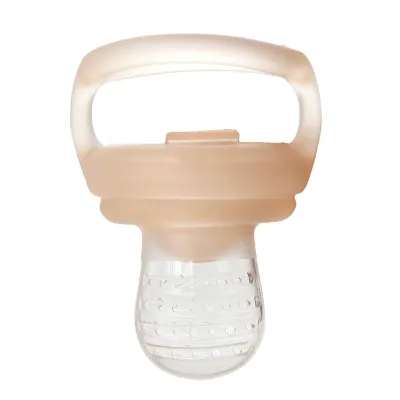


Wholesale Baby Fresh Fruit Feeder Plastic Teether Toy Food Feeder with Package
$0.62 - $0.65
MOQ: 200 Pieces


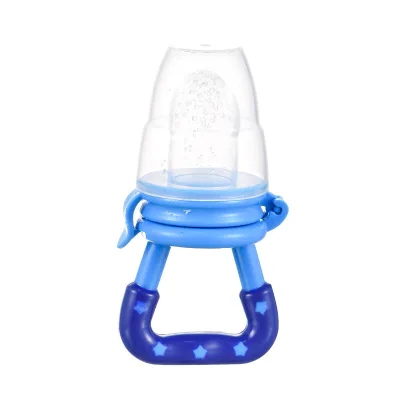
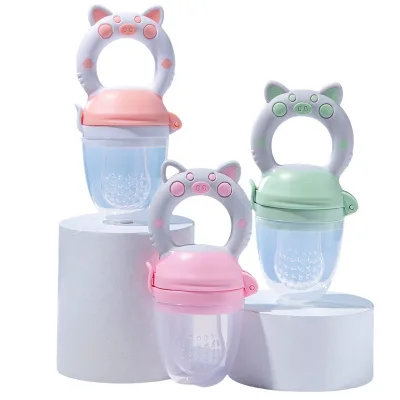


Soft Silicone Baby Fruit Food Feeder Pacifier Bite Bag Baby Fruit Feeder
$0.35 - $0.50
MOQ: 1000 Pieces


Comprehensive Sourcing Guide
Recyclable Baby Fruit Feeder Sourcing Guide
Procurement teams must first distinguish between general feeding bottles and specialized fruit feeders designed for solid food introduction. The observed market data indicates a clear split between products labeled as "Plastic Baby Medicine Feeder" and those explicitly named "Silicone Baby Fruit Feeder Infant Fruit Feeder." Buyers should verify that the specific unit selected matches the intended usage, as some listings conflate medicine feeding with fruit feeding, potentially leading to material incompatibility with acidic fruits.
A critical initial decision involves selecting the correct material composition based on the recyclability requirement and safety profile. While some listings specify Polypropylene (PP) for general feeding applications, the most suitable options for fruit feeders often utilize liquid silicone or silicone blends to ensure durability and safety during chewing. Sourcing teams must confirm that the "Recyclable" attribute applies to the specific component being purchased, as the nipple material and the feeder body may have different recycling classifications.
Product Scope and Observed Listing Signals
Buyers should analyze the observed product attributes to identify the correct functional category for their specific needs. The market data reveals distinct product names such as "Baby Fresh Fruit Nibbler Feeder Pacifier" and "BPA-Free Baby Fruit Nipple Feeder," which signal different mechanical designs. One category features a "Driven Type" mechanism, while another relies on a "Manual" operation, requiring the buyer to decide if a passive nibbler or an active feeding device is more appropriate for the target age group.
The scope of customization available in the current listings offers significant flexibility for branding and product differentiation. Suppliers indicate that colors can be customized, with options ranging from specific hues like blue, green, pink, and yellow to fully bespoke color schemes. Additionally, the "Customized Content" field explicitly lists brand, color, and packaging as modifiable elements, allowing buyers to tailor the final product to their specific market requirements without altering the core feeding function.
Technical Specifications to Verify
Verification of physical dimensions and capacity is essential to ensure the feeder meets the developmental needs of the infant. The observed data includes specific capacity measurements, such as a "20 Ml" cup size, and varying size classifications ranging from "Small" to "Middle." Buyers must cross-reference these specifications against the intended fruit size and the child's age range, which is noted as "0-3 Years" for certain models, to prevent choking hazards or usability issues.
Material composition and weight are critical technical parameters that influence both safety and handling. Listings specify materials including PP and Silicone, with specific weights recorded at approximately 33.2g per piece for certain models. The nipple material is frequently identified as "Liquid Silicone," which is a key differentiator for softness and safety. Procurement teams must confirm that the stated weight and material density align with the ergonomic requirements for a baby to hold and manipulate the feeder independently.
Compliance and Safety Documentation
Safety compliance is the primary filter for any baby product procurement, requiring strict verification of listed certifications. The observed data includes multiple certification references such as ISO, FDA, SGS, and En14350, which serve as indicators of regulatory adherence. Buyers must ensure that the specific unit ordered carries the relevant certification for the target market, as the presence of one standard does not automatically guarantee compliance with others, particularly regarding food contact safety.
Documentation regarding material safety and chemical composition must be scrutinized to confirm the absence of harmful substances. Several product listings explicitly mention "BPA-Free" status, a non-negotiable requirement for baby feeding products. However, buyers should request specific test reports to validate these claims, as the "Recyclable" attribute does not inherently guarantee the absence of toxic additives. The presence of "En14350" suggests compliance with specific European standards, but this must be verified against the actual product batch documentation.
Cost Drivers and Commercial Terms
Understanding the cost structure requires analyzing the Minimum Order Quantity (MOQ) and payment terms associated with different product models. The observed data shows a wide range in MOQs, from 10 units to 3000 pieces, with specific models like the "BC80" requiring 3000 pieces while others may accept 1000. This variance significantly impacts the initial capital outlay and inventory risk, necessitating a careful alignment of order volume with projected sales velocity.
Payment terms and packaging logistics are additional commercial factors that influence the total landed cost. Standard payment structures observed include a 30% deposit before production and a 70% balance before shipment, which is typical for manufacturing contracts. Furthermore, packaging standards vary, with some items packed in blister cards and others in poly bags, affecting the volume per carton and shipping efficiency. Buyers must calculate the cost per unit based on the specific packaging density, such as 144 pieces per carton, to optimize freight expenses.
Supplier Qualification and Quality Control
Supplier qualification should focus on verifying the "Manufacturer Producing" and "Own Factory" claims found in the product listings. The data indicates that many suppliers are direct manufacturers located in Mainland China, specifically Guangdong, which can reduce intermediary costs. However, buyers must confirm that the factory possesses the necessary infrastructure to maintain consistent quality control, especially when dealing with customized orders involving specific colors and branding.
Quality control protocols must be established to ensure that the "Customization" options do not compromise product integrity. Since customization covers brand, color, and packaging, the supplier must demonstrate the ability to maintain strict tolerances during the molding and assembly processes. The "OEM&ODM" capability suggests flexibility, but buyers should request samples of customized runs to verify that the color accuracy and material consistency meet the required safety and performance standards before committing to large-scale production.
Long-Term Procurement Checks
Sustainable sourcing requires ongoing verification of the "Recyclable" claims and the environmental impact of the product lifecycle. As regulations evolve, buyers must ensure that the materials used, such as PP or Silicone, remain compliant with changing environmental standards in their target markets. The "Recyclable" attribute should be supported by clear end-of-life instructions and material identification codes to facilitate proper disposal and recycling by the end consumer.
Long-term partnership stability depends on the supplier's ability to maintain consistent lead times and quality over multiple production cycles. The observed lead times and production capacities, such as the 0.1CBM per carton standard, must be reliable to support consistent inventory replenishment. Buyers should establish clear communication channels for addressing any deviations in material quality or production schedules, ensuring that the supply chain remains resilient against potential disruptions in the manufacturing process.
FAQs
What materials are used for recyclable baby fruit feeders?
These feeders are typically made from polypropylene or liquid silicone. Polypropylene options are lightweight and durable, while silicone versions offer a softer texture for sensitive gums. Both materials are selected for safety and ease of cleaning, ensuring a hygienic feeding experience for infants during the weaning process.
Can these feeders be customized for private label brands?
Yes, customization is available for private label brands. Manufacturers often welcome OEM and ODM requests, allowing buyers to customize brand logos, colors, and packaging designs. This flexibility supports unique market positioning and helps brands establish distinct identities in the competitive infant feeding accessory sector.
What certifications do these baby feeders typically hold?
These products commonly hold ISO, FDA, SGS, and EN14350 certifications. These standards verify material safety and manufacturing quality, ensuring compliance with international regulations. Buyers should verify specific certificates for each model to guarantee that the feeders meet the strict safety requirements for infant products in their target markets.
What is the typical minimum order quantity for these items?
The minimum order quantity varies by manufacturer, typically ranging from 10 to 3000 pieces. Some suppliers require higher volumes for customized packaging, while standard items may have lower thresholds. Buyers should confirm the exact MOQ with the supplier to align with their inventory needs and budget constraints.
How are these feeders packaged for shipping?
Packaging options generally include blister cards or individual poly bags. Standard cartons often contain 144 pieces per carton with specific dimensions. Custom packaging is also available upon request. This flexible packaging approach protects the product during transit and allows for retail-ready presentation or bulk distribution as needed.
Are these feeders suitable for newborns and infants?
Yes, these feeders are designed for infants aged 0-3 years. They are safe for sucking and eating, helping babies transition to solid foods. The soft silicone nipples or mesh designs allow infants to safely nibble on fruits while preventing choking, making them a practical tool for early feeding stages.