Source Recycled Floor-Type Power Tool Organizer for Garage, Workshop, Warehouse
Compare 30 Recycled Floor-Type Power Tool Organizer options featuring stainless steel construction, adjustable designs, and wall-mounted installation. Buyers can evaluate dimensions, finishes, and customization availability for garage, workshop, and warehouse storage needs.
Key considerations
Products List


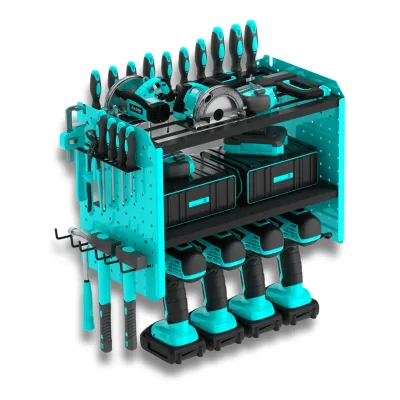


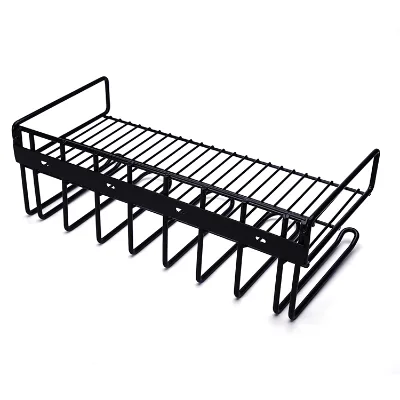
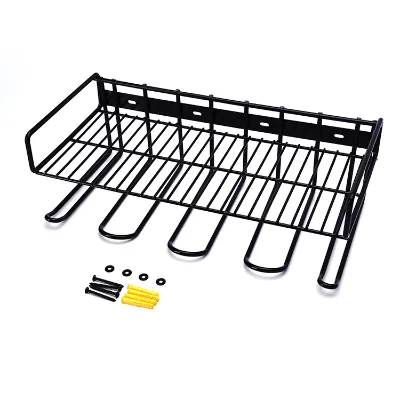


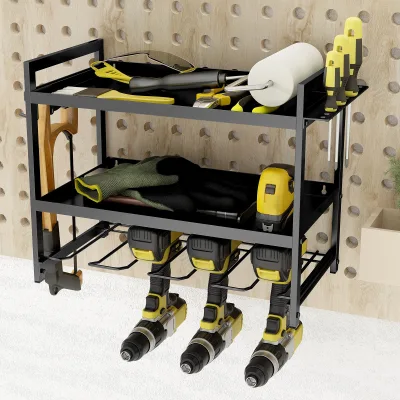
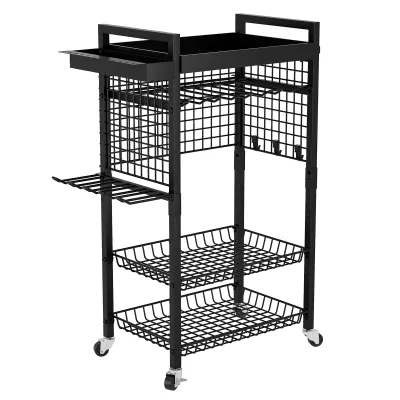

Heavy Duty Metal Power Tool Organizer Wall Mount Holder Storage Organization
$7.00 - $10.00
MOQ: 100 Pieces

Heavy Duty Metal Power Tool Organizer Wall Mount Holder Storaging Organization
$7.00 - $10.00
MOQ: 100 Pieces

Adjustable Garden Tool Organizer for Garage Storage Organization Yard Shed Tool Organizer
$20.00 - $25.00
MOQ: 100 Pieces

Power Tool Organizer Wall Mount Storage Rack for Handheld and Power Tools
$7.00 - $9.00
MOQ: 100 Pieces


Hand Power Tool Organizer Rack Electric Drill Holders Heavy Duty for Garage
$11.00 - $15.00
MOQ: 100 Pieces

$15.00 - $85.00
MOQ: 1000 pcs


Comprehensive Sourcing Guide
Strategic Sourcing Guide for Recycled Floor-Type Power Tool Organizers
The procurement of specialized storage solutions, specifically those categorized as recycled floor-type power tool organizers, requires a disciplined approach that balances material integrity, functional design, and supply chain reliability. In the current B2B landscape, buyers are increasingly focused on sustainable materials and modular storage systems that can withstand the rigors of industrial and workshop environments. This guide provides a comprehensive framework for evaluating suppliers and products that align with the core keyword, ensuring that procurement decisions are grounded in verifiable facts rather than marketing assertions. The following sections detail the technical specifications, compliance verification, cost structures, and quality control measures essential for a successful sourcing strategy.
Technical Specifications and Material Composition
When evaluating a floor-type power tool organizer, the primary technical differentiator lies in the material composition and structural design. Based on available market data, the predominant material for these units is stainless steel or general metal, often treated with specific finishes to enhance durability. Buyers must verify that the product specification explicitly lists "Stainless Steel" or "Metal" as the primary material, as this directly impacts corrosion resistance and load-bearing capacity. The manufacturing arts typically involve metal fabrication techniques, which may include lacquer or glossy finishes to protect the surface against chemical spills common in workshop environments.
Structural attributes are equally critical. The product profile often includes a "Single-side Bracket" structure, designed to maximize floor space while providing robust support. The functional design frequently incorporates "Detachable" and "Multifunction" capabilities, allowing for modular expansion or reconfiguration based on the specific inventory of power tools. Dimensions vary significantly across models; for instance, some units measure approximately 7.8"D x 15.8"W x 15.8"H, while others may reach 17.32"D x 9.8"W x 6.69"H. It is imperative for buyers to cross-reference the "Product Dimensions" with their available floor space, noting that dimensional tolerances should ideally be maintained within a range of less than ±1mm to ensure precise fitment. The "No. of Tiers" is another vital specification, with common configurations including three-layer or eight-shelf arrangements, depending on the intended storage density.
Compliance, Certification, and Environmental Standards
In the realm of sustainable procurement, the term "recycled" carries significant weight, yet it requires rigorous verification. While general market trends suggest the use of recycled content, buyers must not assume certification status without direct evidence from the supplier. Specific certifications such as FSC (Forest Stewardship Council) are sometimes referenced in broader contexts, but for metal-based organizers, the focus should shift to material traceability and environmental processing standards. Buyers should explicitly request documentation regarding the source of the metal and the percentage of recycled content if a "recycled" claim is made.
Furthermore, compliance with international safety and quality standards is non-negotiable. Although specific standard numbers may vary by region, the product should adhere to general industrial safety norms regarding load stability and structural integrity. The "prod_standard" field in supplier data often lists dimensional specifications, but buyers must ensure these align with local building codes and workplace safety regulations. For products intended for export to regions like America, Europe, or Korea, verifying that the manufacturing process meets the destination market's regulatory requirements is essential. This includes checking for any specific chemical restrictions on surface treatments like powder coating or frosted finishes, which must not release harmful volatiles during the product's lifecycle.
Cost Drivers and Pricing Dynamics
Understanding the cost structure of power tool organizers is vital for budget planning and negotiation. The observed price range in the market spans from $4.90 to $85.00 USD, a variance that reflects differences in material quality, manufacturing complexity, and order volume. Several key factors drive these costs. First, the "Material" cost is a primary driver; stainless steel commands a higher price point than standard steel or other metal alloys due to its superior corrosion resistance. Second, the "Surface treatment" process, such as powder coating or frosting, adds value but also increases production costs. Third, the level of "Customization" available significantly impacts the final price. Products offering "Customized" features or specific "Adjustable" configurations will inherently cost more than standard, off-the-shelf units.
The "MOQ" (Minimum Order Quantity) is another critical cost driver. Market data indicates an MOQ range from 1 to 1000 units, with some specific models requiring a minimum of 10 sets. Buyers must align their order volume with these thresholds to optimize unit pricing. Additionally, packaging requirements, such as "CTN" (Carton) or specific inner/outer packaging configurations, influence logistics costs. The "Single gross weight" of a unit, which can be as high as 8.0 kg, directly affects shipping expenses. Buyers should calculate the total landed cost, including freight, duties, and handling fees, rather than focusing solely on the ex-works price.
Typical Applications and Functional Design
The versatility of floor-type power tool organizers makes them suitable for a wide array of applications. The primary "Usage" categories include "Shelf Bracket," "Wall Bracket," and general "Storage Holders & Racks." These units are specifically designed for "Garage," "Workshop," and "Warehouse" environments. The "Applicable Space" often includes areas "Behind Doors," "On Walls," and open floor areas where tools need to be stored securely yet accessibly. The "Product Name" often reflects this utility, such as "Power tool organizer," indicating a specialized function for holding heavy equipment.
The "Style" of these organizers is typically "Simple Modern," featuring a "Metallic" color palette that blends well with industrial aesthetics. The "Shape" is predominantly "Rectangle," providing efficient use of floor space. A key functional feature is the "Adjustable" nature of the shelves or brackets, allowing users to customize the height and spacing to accommodate various tool sizes. The "Assembly Required" status is a crucial operational detail; most units require on-site assembly, which impacts labor costs and installation time. Buyers should verify the "Installation Type," which is frequently "Wall Mounted Type" or floor-standing, to ensure compatibility with the intended site infrastructure.
Supplier Evaluation and Operational Capabilities
Selecting the right supplier requires a deep dive into their operational capabilities and geographic footprint. The "Place of Origin" for many of these products is identified as Guangdong, China, a region known for its robust manufacturing ecosystem. However, buyers should not limit their search to a single location; the "Main sales country" data suggests a global reach, with significant markets in America, Europe, and Korea. This indicates that suppliers are experienced in navigating international trade regulations and logistics.
When evaluating a supplier, buyers should assess their "Sample" support policy. The availability of samples allows for physical verification of quality, finish, and assembly instructions before committing to a bulk order. The "Packaging" details, such as the "Single package size" of 40x60x30 cm, provide insight into the supplier's logistics efficiency. A supplier that offers "Single item" selling units alongside bulk options demonstrates flexibility in meeting diverse client needs. Additionally, the "Manufacturing Arts" and "Technics" used, such as lacquer or glossy finishes, should be inspected to ensure they meet the buyer's aesthetic and durability standards.
Quality Control and Long-Term Procurement Considerations
Ensuring long-term value requires a robust quality control (QC) strategy. Buyers must verify the "Dimensional Tolerance," which should be strictly controlled, ideally within ±1mm, to ensure that components fit together seamlessly. The "Thickness" of the metal, often cited around 3cm in some specifications, must be consistent throughout the production run to prevent structural failures. Regular inspections should focus on the "Finish Type," ensuring that the metal surface is free from defects, scratches, or uneven coating.
For long-term procurement, the "Functional Design" features like "Detachable" components are essential for maintenance and repair. If a part breaks, a modular design allows for replacement without discarding the entire unit. Buyers should also consider the "Special Feature" of adjustability, which extends the product's lifespan by allowing it to adapt to changing tool inventories. Finally, the "Assembly Required" aspect should be evaluated for ease of use; clear instructions and high-quality fasteners are necessary to prevent assembly errors that could compromise safety. By focusing on these quality metrics, buyers can secure a reliable supply chain that delivers durable, high-performance storage solutions for their operations.
Comparative Analysis of Product Attributes
To facilitate decision-making, the following table summarizes key attributes observed in the market for floor-type power tool organizers. This comparison highlights the variability in specifications and helps buyers identify products that best match their specific requirements.
| Attribute | Observation A | Observation B | Observation C |
|---|---|---|---|
| Material | Stainless Steel | Metal | Steel |
| Dimensions | 7.8"D x 15.8"W x 15.8"H | 17.32"D x 9.8"W x 6.69"H | 318x241x432mm |
| Structure | Single-side Bracket | Detachable | Rectangle |
| Finish | Powder coating/Frosted | Lacquer, Glossy | Metallic |
| Assembly | Yes | Yes | Yes |
| Usage | Garage, Workshop | Behind Doors, Walls | Tools, Cleaning Supplies |
| MOQ | 10 sets | 1 | 1000 |
| Origin | Guangdong, China | China | China |
| Tolerance | <±1mm | N/A | N/A |
This table illustrates that while the core function remains consistent, the specific execution varies widely. Buyers must prioritize attributes that align with their operational constraints, such as space limitations or budget caps, when selecting a supplier. By adhering to the evidence-based approach outlined in this guide, procurement professionals can navigate the complexities of sourcing recycled floor-type power tool organizers with confidence and precision.
FAQs
What materials are used for recycled floor type power tool organizers?
These organizers are primarily constructed from stainless steel or general metal to ensure durability. The manufacturing arts involve metal fabrication with finishes like powder coating or frosted treatments to resist corrosion in workshop environments.
How can I customize the dimensions of a floor type power tool organizer?
Customization is available for specific models, allowing buyers to adjust features like the number of shelves or bracket structure. Dimensions such as 7.8 inches depth or 318mm width are common, but buyers should verify tolerances within ±1mm for precise fitment.
Which suppliers offer samples for recycled floor type power tool organizers?
Sample support is available for many manufacturers to allow physical verification of quality and finish before bulk orders. Buyers should check the specific model details to confirm if single item samples or bulk sample packs are offered by the vendor.
Can I find floor type power tool organizers with adjustable shelf heights?
Yes, many units feature adjustable designs with special features like detachable tiers or single-side brackets. These adjustable elements allow users to reconfigure storage for different tool sizes in garages or workshops while maintaining structural integrity.
What is the typical minimum order quantity for metal storage racks?
The minimum order quantity ranges from 1 to 1000 units depending on the supplier and specific product model. Some models require a minimum of 10 sets, while others may accept single item orders for testing purposes.
Where are these metal storage organizers typically manufactured?
Most products originate from Guangdong, China, a region known for robust metal manufacturing capabilities. The main sales countries include America, Europe, and Korea, indicating established export channels for these industrial storage solutions.