Source Recycled HDPE Date Palm Bag for Fruit, Vegetable, and Insect Protection
Compare 19 Recycled HDPE Date Palm Bag options from Jiangsu, China. Buyers can evaluate sizes, materials like HDPE and PP, and customization features for protecting dates and other produce from insects; compare the available evidence and request quotations based on your requirements.
Key considerations
Products List
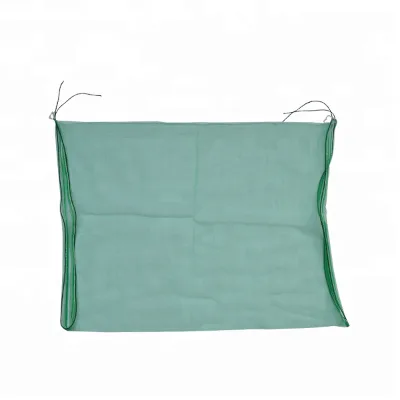
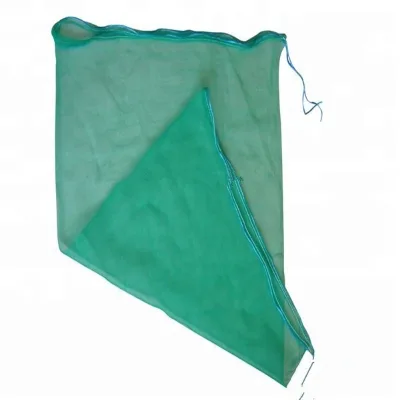


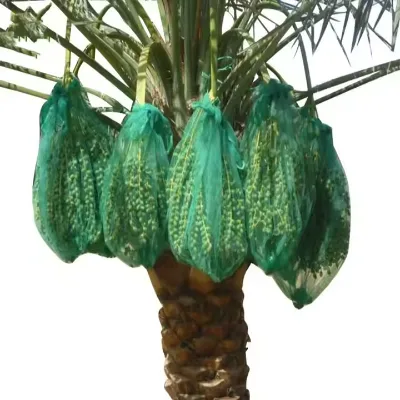


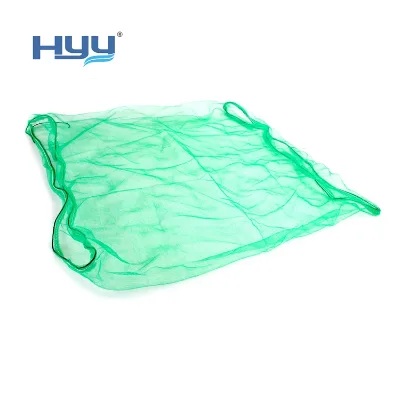
Comprehensive Sourcing Guide
Recycled HDPE Date Palm Bag Sourcing Guide
Procurement teams must first distinguish between virgin and recycled HDPE variants when sourcing date palm protection bags, as the supplied data indicates a mix of 100% virgin material and biodegradable options alongside standard HDPE and PE constructions. Buyers should verify the specific resin composition for each lot, noting that while some listings specify "100% Virgin Material," others simply list "HDPE" or "PE" without confirming the recycled content percentage. This distinction is critical because the mechanical strength and UV resistance required for agricultural use often differ significantly between virgin and post-consumer recycled resins, directly impacting the bag's ability to protect fruit from insects and environmental stress.
The observed product range includes specific dimensions such as 70x90cm, 80x100cm, and 90x110cm, with some suppliers offering fully customizable sizing to match orchard requirements. When evaluating listings, buyers must cross-reference the stated material type with the intended application, as the data shows variations in top options ranging from drawstring closures to fully open designs. A procurement strategy should prioritize suppliers who clearly define whether the "recycled" claim applies to the entire bag or only specific components, ensuring the final product meets the durability standards necessary for the 15-25 day delivery window and the specific loading capacity requirements of over 20kg.
Product Scope and Observed Listing Signals
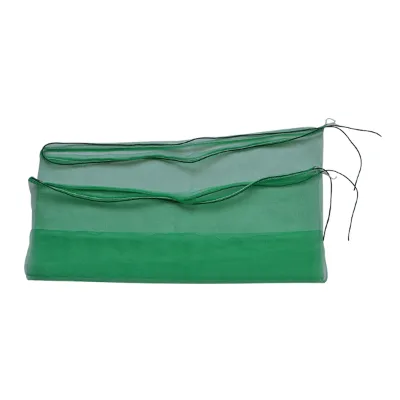
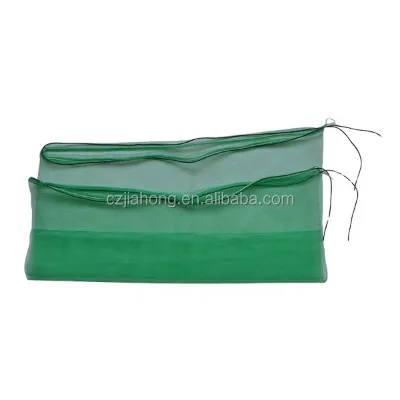
The market signals for date palm bags reveal a diverse array of configurations, including mesh bags with fine mesh sizes and straight bag shapes designed for high breathability. Buyers should note that while the core function is protecting dates from insects, the observed listings also categorize these items under general vegetable and fruit bag applications, suggesting a broader utility that may influence inventory planning. The presence of both green and white color options, along with customizable printing capabilities, indicates that branding and visual identification are significant factors in the current product scope, allowing growers to differentiate their produce or adhere to specific farm identification protocols.
Commercial signals in the listings highlight a wide range of minimum order quantities, from single items up to 200,000 pieces, which requires careful alignment with the buyer's storage and distribution capacity. The packaging data shows variations such as 1,000 pieces per bale or 300 pieces per bale, necessitating a clear agreement on unit counts to avoid logistical discrepancies during shipping. Furthermore, the observation of different closure types, including drawstring closures and spouts, alongside handle designs ranging from rope handles to no handles, suggests that the product scope is not monolithic. Buyers must explicitly define their preferred configuration to ensure the supplier delivers a product that matches the specific harvesting and packing workflows of their operation.
Technical Specifications to Verify
Technical verification must begin with the material composition, specifically confirming whether the bag is constructed from HDPE, PE, or PP, as the supplied data lists all three materials across different listings. Buyers should request material test reports to validate the "High Breathability" claim and ensure the mesh size is fine enough to exclude pests while allowing adequate air circulation to prevent fruit rot. The specification of "Chemical Resistant" properties is also critical, as these bags may come into contact with agricultural sprays or fertilizers, and the resin quality must withstand such exposure without degrading during the 15-25 day delivery period.
Dimensional accuracy and structural integrity are equally vital, with observed sizes ranging from 70x90cm to 90x120cm and a stated loading capacity exceeding 20kg. Procurement teams should verify the single gross weight of 0.06 kg against the actual delivered weight to ensure consistency in shipping costs and storage planning. Additionally, the "Top and Bottom Open" style versus "Top Full Open" with a spout option requires a clear technical definition to prevent mismatches in the harvesting process. Buyers must confirm that the "Cutting" processing service mentioned in the data results in clean edges that do not compromise the bag's structural integrity when filled with heavy fruit loads.
Compliance and Safety Documentation
While the supplied facts mention "Eco-friendly Material" and "Biodegradable" attributes, buyers must demand specific certification documentation to substantiate these claims, as the data does not confirm adherence to recognized standards like OEKO-TEX or ASTM D6400. In the context of food contact applications, it is essential to verify that the recycled or virgin resin meets local food safety regulations, ensuring no harmful contaminants are present in the final product used for date protection. The "Single use" recyclability claim should be backed by a clear waste management plan or certification that aligns with the buyer's sustainability goals and local environmental disposal laws.
Documentation regarding the "Customized Printing" process is also necessary to ensure that any inks or dyes used do not leach onto the fruit or contaminate the harvest. Buyers should require a declaration of conformity for the chemical resistance properties, confirming that the bag materials are safe for use in agricultural environments where they may interact with soil, water, or plant juices. Furthermore, since the origin is listed as Jiangsu, China, importers must verify that the supplier can provide necessary export compliance documents, including material safety data sheets (MSDS) and proof of origin, to facilitate smooth customs clearance and ensure the product meets the destination country's safety standards.
Cost Drivers and Commercial Terms
The cost structure for these bags is heavily influenced by the raw material choice, with 100% virgin resin typically commanding a higher price point than recycled or mixed PE/PP blends. Buyers should analyze the trade-off between material cost and performance, noting that the "High Breathability" and "Chemical Resistant" features may require higher-grade resins that increase the unit price. The observed MOQ range of 1 to 200,000 pieces suggests that economies of scale are significant, and larger orders may yield better pricing, but the buyer must balance this against their storage capacity and cash flow constraints.
Commercial terms such as the T/T payment method and the 15-25 day lead time after deposit receipt are standard but require careful negotiation to mitigate supply chain risks. The variation in packaging, from 300 to 1,000 pieces per bale, directly impacts shipping efficiency and freight costs, so buyers should calculate the total landed cost including packaging density. Additionally, the availability of customization for size and printing adds a variable cost component that must be factored into the budget. Buyers should ensure that the payment terms align with their internal approval processes and that the lead time accounts for potential delays in raw material sourcing or production scheduling.
Supplier Qualification and Quality Control
Supplier qualification should focus on verifying the consistency of the "Cutting" processing service and the ability to maintain strict quality control over the mesh size and closure mechanisms. Given the observed variation in material types and dimensions, buyers must assess the supplier's capacity to produce consistent batches that meet the specified 70x90cm to 90x110cm ranges without deviation. The "Jiahong" brand name appears in the data, but buyers should not rely on brand reputation alone; instead, they must conduct on-site audits or request third-party quality reports to validate the production capabilities and the consistency of the "100% Virgin Material" claims.
Quality control protocols must include rigorous testing of the bag's load-bearing capacity, ensuring it can safely hold over 20kg without tearing or failing at the drawstring closure. Buyers should implement a sampling plan that tests for breathability and chemical resistance, as these are critical performance indicators for date protection. The "Single gross weight" of 0.06 kg should be monitored to detect any inconsistencies in material density that could indicate the use of inferior recycled content. Establishing a clear quality agreement that defines acceptable defect rates and specifies the testing methods for mesh integrity and closure strength is essential for maintaining product reliability.
Long-Term Procurement Checks
Long-term procurement success depends on establishing a robust framework for monitoring supplier performance over time, particularly regarding the consistency of material quality and delivery timelines. Buyers should track the supplier's ability to meet the 15-25 day lead time consistently and investigate any delays that might disrupt the harvest season. Regular audits of the production line are necessary to ensure that the "Customization" capabilities remain stable and that the supplier can adapt to changing size or printing requirements without compromising quality.
Sustainability and environmental compliance should be a recurring check, especially given the "Biodegradable" and "Recyclability" claims in the product data. Buyers must verify that the supplier continues to meet the stated eco-friendly standards and that the "Single use" nature of the product is managed responsibly in the field. Additionally, the procurement team should review the supplier's response to any quality issues, such as mesh tearing or closure failures, to ensure that corrective actions are implemented promptly. Building a long-term relationship with a supplier who can provide transparent data on material sourcing and production processes will help mitigate risks and ensure a steady supply of high-quality date palm protection bags.
FAQs
What material is used for recycled HDPE date palm bags?
These bags are primarily manufactured from high-density polyethylene (HDPE) or polyethylene (PE). Some listings specify the use of 100% virgin material to ensure durability and strength. The material choice provides chemical resistance and high breathability, which are essential for protecting dates from insects while allowing proper air circulation during storage and transport.
What are the standard sizes available for date palm mesh bags?
Common specifications include dimensions of 70x90cm, 80x100cm, and 90x110cm. Other standard options listed are 90x120cm and 90x100cm. Customizable sizes are also available to meet specific packaging requirements. These dimensions are designed to accommodate various quantities of dates, ensuring efficient packing and handling for agricultural supply chains.
Can date palm bags be customized with printing or specific colors?
Yes, customization is available for both printing and color selection. Buyers can choose from green or white options, and customized printing services are offered for branding purposes. The bags feature a top and bottom open style with drawstring closures, allowing for secure sealing while maintaining the flexibility needed for different packing volumes and market preferences.
What is the typical lead time for producing date palm mesh bags?
The standard delivery time is 15 to 25 days after receiving the deposit. This timeframe applies to orders placed with suppliers located in Jiangsu, China. The lead time may vary based on order volume and specific customization requirements, so it is advisable to confirm exact schedules with manufacturers before finalizing procurement agreements for timely delivery.
What is the minimum order quantity for purchasing date palm bags?
The minimum order quantity (MOQ) typically starts at 100,000 pieces. However, observed ranges indicate that some suppliers may accept orders as low as 1 piece or up to 200,000 pieces depending on their production capacity. Buyers should verify the specific MOQ with the supplier, as bulk orders often benefit from more favorable pricing and packaging terms.
How are date palm bags packaged for shipping and storage?
Bags are usually packed in bales, with common quantities being 1,000 pieces per bale or 300 pieces per bale. The single package size is approximately 20x20x5 cm, and the single gross weight is 0.06 kg. This compact packaging method facilitates efficient storage and transportation, reducing logistics costs while protecting the mesh bags from damage during transit.