Source Recycled Disposable Foot Covers for Medical, Industrial, and Events
Find 30 listings for Recycled Disposable Foot Covers suitable for medical, industrial, and event applications. Buyers can compare materials like PE and PP, sizes, and customization options from verified Chinese suppliers.
Key considerations
Products List

Disposable Shoes Covers PE Material Foot Protection Shoes Covers Boot Cover
$0.01 - $0.03
MOQ: 100000 Pieces

Disposable Plastic Foot Cover for Feet Care Transparent PE Feet Cover for Isolation
$0.00 - $0.00
MOQ: 1000000 Pieces




Comprehensive Sourcing Guide
Strategic Sourcing Guide for Recycled Disposable Foot Covers
The global demand for disposable foot protection has surged across medical, industrial, and retail sectors, driven by stringent hygiene protocols and cost-efficiency imperatives. For procurement professionals, the core keyword "Recycled Disposable Foot Covers" represents a specific intersection of sustainability and functional safety. Sourcing this category requires a disciplined approach that balances material composition, performance metrics, and supply chain reliability. The following guide outlines the critical factors buyers must evaluate to secure high-quality, eco-conscious footwear protection without compromising on operational safety or regulatory compliance.
Technical Specifications and Material Composition
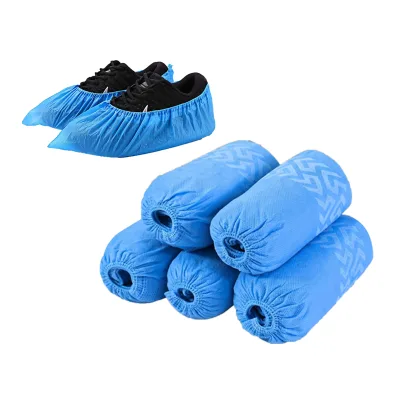
Understanding the technical backbone of disposable foot covers is the first step in effective sourcing. The market offers a diverse range of materials, primarily Polyethylene (PE), Chlorinated Polyethylene (CPE), and Polypropylene (PP). Buyers must distinguish between these based on their specific application needs. PE and CPE variants are frequently cited for their transparency and blue coloration, offering a balance of durability and cost-effectiveness for general industrial use. In contrast, PP-based products, often described as Non-Woven or SMS (Spunbond-Meltblown-Spunbond) structures, provide superior breathability and are preferred for medical and surgical environments where fluid resistance and comfort are paramount.
The physical dimensions of the product are equally critical. Specifications vary significantly, with common size ranges including 13x38cm, 13x39cm, 15x39cm, 16x40cm, and 17x41cm. Some suppliers offer custom sizing to accommodate specific footwear or industrial requirements. The fabric weight, measured in Grams per Square Meter (GSM), is a key indicator of thickness and strength. Observed market data indicates a weight range of 20GSM to 80GSM, with specific configurations like 20GSM, 30GSM, and 35GSM available. Heavier weights generally correlate with higher puncture resistance and durability, while lighter weights may be suitable for short-term, low-risk environments.
Surface texture is another technical variable. Products may feature a smooth surface for ease of donning or an anti-skid surface to prevent slipping hazards on wet or oily floors. The manufacturing process, whether automatic machine-made or hand-made, can influence consistency and production speed. Automatic production typically ensures uniformity in dimensions and sealing, which is vital for bulk procurement where consistency reduces waste and ensures a reliable fit.
Compliance, Certification, and Environmental Claims
When sourcing "recycled" products, buyers must exercise rigorous due diligence regarding environmental claims. The term "recycled" implies that the material contains post-consumer or post-industrial waste, yet the degree of recycling and the specific environmental certifications vary by manufacturer. While some product attributes list "Eco-Friendly" and "Biodegradable" features, these are observations that require verification against recognized international standards. Buyers should not assume that a product labeled as eco-friendly meets specific regulatory thresholds without requesting third-party test reports or certification documentation.
Compliance checks should extend beyond environmental claims to include safety standards relevant to the end-use industry. For medical applications, products must adhere to strict hygiene and sterilization protocols, often aligning with standards for disposable medical supplies. In industrial settings, the focus shifts to slip resistance and chemical resistance. Although specific standard numbers like "S M L XL" or model codes such as "WX625" and "WX648" appear in product listings, these are often internal identifiers rather than universal safety certifications. Procurement teams must verify if the supplier adheres to relevant regional or international standards for disposable footwear, such as ISO standards for medical devices or OSHA guidelines for industrial safety.
Cost Drivers and Pricing Dynamics
The pricing of disposable foot covers is influenced by several interconnected factors, including raw material costs, production volume, and customization requirements. The observed price range in the market spans from $0 to $13.05 USD, a wide variance that reflects differences in material quality, thickness, and order quantity. The Minimum Order Quantity (MOQ) is a significant cost driver, with observed ranges extending from 100 units to 1,000,000 units. Higher MOQs typically unlock lower per-unit costs, making bulk purchasing essential for large-scale operations.
Material selection plays a pivotal role in cost determination. PP non-woven materials generally command a different price point compared to PE or CPE due to their manufacturing complexity and performance characteristics. Customization, such as specific branding, unique sizes, or tailored packaging, adds to the overall cost. While some suppliers offer "Customized" options, others may only provide "Non-Customized" standard items. Buyers must weigh the cost of customization against the operational benefits it provides. Additionally, packaging requirements, such as carton sizes (e.g., 100PCS/Bag, 2000PCS/Carton) or roll formats (10PCS Per Roll), impact logistics costs and storage efficiency.
Typical Applications and Usage Scenarios
Disposable foot covers serve a wide array of industries, each with distinct requirements. In the medical and pharmaceutical sectors, the primary use is to maintain a sterile environment, preventing cross-contamination between patients and staff. These applications demand high-grade materials like PP SMS, which offer excellent barrier properties against fluids and particulates. The "Disposable Medical Supplies" classification is critical here, as the product must meet rigorous infection control standards.
Industrial applications focus on dust protection, water resistance, and slip prevention. In manufacturing plants, food processing facilities, and construction sites, foot covers protect both the product from external contaminants and the worker from hazardous materials. The "Waterproof," "Dustproof," and "Anti-Static" features are particularly valuable in these settings. Retail and hospitality sectors utilize these covers for hygiene maintenance in high-traffic areas, often prioritizing cost-efficiency and ease of disposal. The "Foot Protection / Try Shoes Protection" use case highlights their role in maintaining cleanliness in showrooms or fitting rooms.
Supplier Evaluation and Origin Verification
Evaluating suppliers requires a comprehensive assessment of their geographical location, production capacity, and reputation. The supply chain for these products is heavily concentrated in China, with specific origins noted in Shandong, Weifang, Hubei, and Anhui provinces. These regions host a dense network of manufacturers specializing in non-woven and plastic disposable products. Buyers should verify the "Place of Origin" to ensure alignment with their logistical preferences and to assess the reliability of the local supply chain.
Production capacity is another vital metric. Suppliers with a "Supply Ability" of 3,000 cartons per month (equating to 3,000,000 pieces) demonstrate the capability to handle large-scale orders. However, buyers must confirm if this capacity is consistent year-round or subject to seasonal fluctuations. The availability of samples is a crucial step in the evaluation process; many suppliers offer free samples to allow buyers to test quality before committing to a large order. Additionally, the "Export Markets" reach of the supplier indicates their experience with international trade standards and logistics.
Quality Control and Packaging Standards
Quality control (QC) is paramount in the disposable products industry, where consistency directly impacts user safety and satisfaction. Buyers should implement a multi-stage QC process that includes raw material inspection, in-process monitoring, and final product testing. Key quality indicators include the integrity of the seams, the accuracy of dimensions, and the consistency of the GSM weight. For recycled materials, verifying the purity of the recycled content and the absence of harmful contaminants is essential.
Packaging standards also play a significant role in maintaining product quality during transit. Common packaging formats include cartons, bags, and rolls. Specifications such as "10PCS Per Roll, 10 Rolls Per Bag, 10 or 20 Bags PE" or "100PCS/Bag; 2000PCS/Carton" are standard. The packaging must be robust enough to prevent damage, moisture ingress, and contamination. "Standard Export Package" is a common designation, but buyers should specify their own requirements if they need specialized labeling or barcoding for inventory management. The "Folded" nature of the product also requires careful packaging to ensure they remain compact and easy to dispense.
Long-Term Procurement Considerations
Sourcing disposable foot covers is not merely a transactional activity but a strategic decision that impacts long-term operational efficiency and sustainability goals. Buyers should consider the total cost of ownership, which includes not only the purchase price but also storage, disposal, and potential waste management costs. Products that are "Biodegradable" or made from "Recycled" materials can significantly reduce the environmental footprint of the organization, aligning with corporate sustainability initiatives.
Relationship building with suppliers is another long-term consideration. Establishing a partnership with a reliable manufacturer can lead to better pricing, priority production during shortages, and collaborative innovation in product design. Buyers should look for suppliers who offer flexible customization options and have a proven track record of meeting delivery timelines. The ability to scale orders up or down based on demand fluctuations is also a critical factor for maintaining a resilient supply chain.
Comparative Analysis of Product Attributes
To facilitate decision-making, the following table summarizes key attributes observed in the market, highlighting the variations buyers must navigate.
| Attribute Category | Common Variations | Key Considerations for Buyers |
|---|---|---|
| Material | PE, CPE, PP, SMS | Match material to application (e.g., PP for medical, PE for industrial). |
| Color | Transparent, Blue, Pink, White | Transparent/Blue common for visibility; White preferred for medical sterility. |
| Size | 13x38cm to 17x41cm | Verify fit with specific footwear; custom sizes available. |
| Weight | 20GSM to 80GSM | Higher GSM offers better durability; lower GSM reduces cost. |
| Surface | Smooth, Anti-Skid | Anti-skid essential for wet environments; smooth for general use. |
| Packaging | Rolls, Bags, Cartons | Optimize for storage space and dispensing efficiency. |
| Origin | Shandong, Hubei, Anhui, China | Verify location for logistics and supply chain stability. |
| Customization | Available, Non-Customized | Determine if branding or specific specs are required. |
Conclusion
Sourcing Recycled Disposable Foot Covers requires a nuanced understanding of material science, regulatory compliance, and supply chain dynamics. By focusing on technical specifications such as material type, size, and weight, and by rigorously evaluating supplier capabilities and quality control measures, buyers can secure products that meet their operational needs while adhering to sustainability goals. The wide range of available options, from standard PE covers to advanced PP non-woven solutions, offers flexibility for diverse applications. However, the absence of universal standards for "recycled" claims necessitates a proactive approach to verification. Through careful supplier evaluation and a commitment to quality, procurement professionals can build a resilient supply chain that delivers value, safety, and environmental responsibility.
FAQs
What materials are used for Recycled Disposable Foot Covers?
These covers are primarily made from PE, CPE, or PP materials. PE and CPE offer transparency and blue options for industrial use, while PP non-woven variants provide superior breathability for medical environments.
Which sizes are available for these disposable shoe covers?
Common sizes range from 13x38cm to 17x41cm, including specific models like 15x39cm and 22x45cm. Custom sizing is often available to accommodate specific footwear or industrial requirements.
How can I find suppliers with eco-friendly certifications?
While some products list eco-friendly and biodegradable features, you must verify these claims against recognized international standards. Request third-party test reports to confirm the recycled content and environmental compliance.
Can I customize the packaging for bulk orders?
Yes, customization is available for packaging and branding. Standard options include 100 pieces per bag or 2000 pieces per carton, but tailored packaging solutions can be arranged for specific logistics needs.
What is the typical minimum order quantity for these products?
The minimum order quantity ranges from 100 to 1,000,000 units depending on the supplier and customization level. Higher volumes typically unlock lower per-unit costs, making bulk purchasing essential for large operations.
Where are the main manufacturing locations for these covers?
Production is concentrated in China, specifically in Shandong, Weifang, Hubei, and Anhui provinces. These regions host a dense network of manufacturers specializing in non-woven and plastic disposable products.