Source Red Rough-Rubbing Volcanic Rock for Landscaping, Aquariums, and Building
Compare 30 listings for Red Rough-Rubbing Volcanic Rock suitable for garden, aquarium, and building applications. Buyers can evaluate specifications, pricing, and customization options from verified suppliers in China; compare the available evidence and request quotations based on your requirements.
Key considerations
Products List
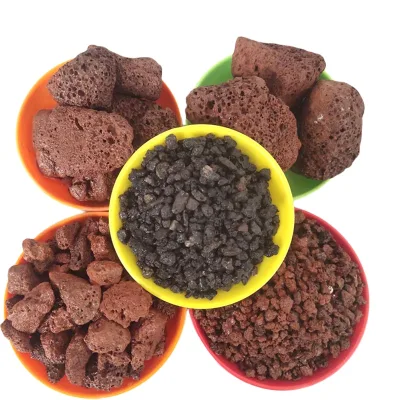
$114.94 - $198.53
MOQ: 2 Minimum


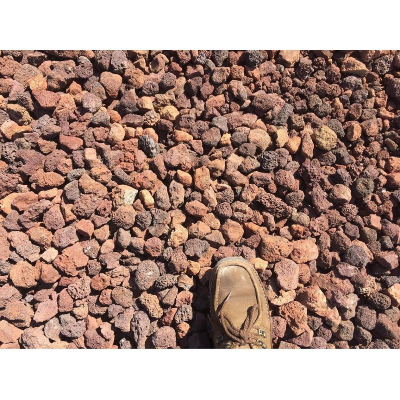


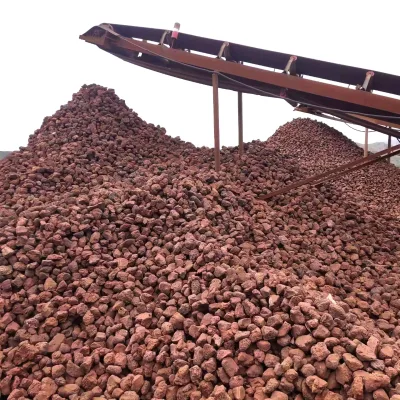
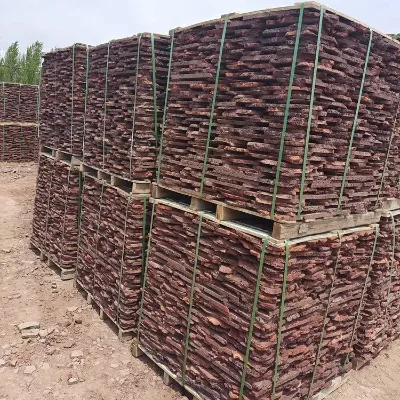




Comprehensive Sourcing Guide
Red Rough-Rubbing Volcanic Rock Sourcing Guide
Procurement of Red Rough-Rubbing Volcanic Rock requires distinguishing between natural basalt forms and processed aggregates intended for specific aesthetic or functional roles. The observed market data indicates a primary origin in Hebei and Fujian, China, where suppliers offer products ranging from small nuggets to large blocks. Buyers must verify whether the "rough-rubbing" finish is a natural state or a specific mechanical treatment, as listings also show polished and honed variants that may not suit projects requiring a textured, non-slip surface.
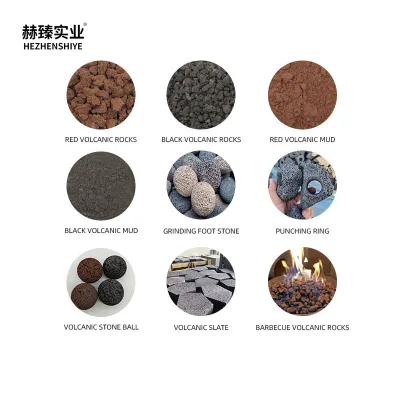
The product scope extends beyond simple landscaping to include specialized uses in aquariums, plant cultivation, and building facades. While some listings suggest applications in facial masks or toothpaste, these likely refer to processed volcanic powders rather than the rough rock form. Sourcing teams should focus on suppliers who explicitly define the stone form as blocks or irregular nuggets with a rough-rubbing surface, ensuring the material matches the physical requirements for garden, floor, or wall applications without unintended processing.
Product Scope and Observed Listing Signals
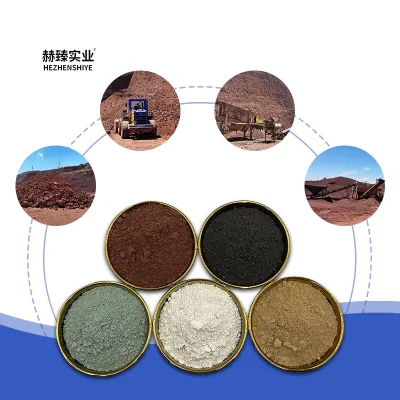
Buyers should scrutinize the listed color variations, as the core keyword specifies red, yet observed data includes black and mixed color options like red, green, and white. This discrepancy suggests that some suppliers may offer a broader inventory than the specific red rough variant requested. Procurement teams must confirm that the specific batch selected matches the desired red hue, as the natural variation in volcanic stone can lead to significant color differences between batches if not strictly controlled during the selection process.
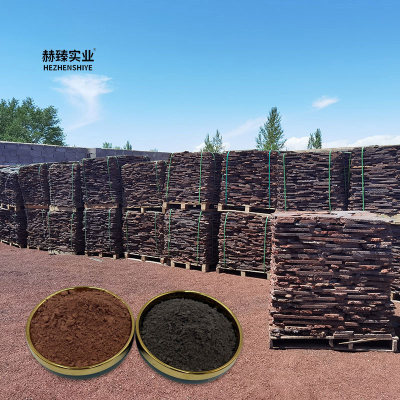
The observed packaging formats vary significantly from 25kg bags to 1000kg pallets, which directly impacts logistics planning and on-site handling. While some entries list a minimum order quantity of one ton, others indicate a single item purchase capability, creating a wide range of entry points for different project scales. Buyers need to align their order volume with the supplier's specific packaging constraints to avoid excessive waste or the need for repackaging, ensuring the material arrives in a condition suitable for immediate installation in garden or building projects.
Technical Specifications to Verify
Verification of the stone form and surface texture is critical, as the market lists both "irregular" shapes and specific model numbers like RHB-VR01. The "rough-rubbing" finish must be distinguished from "polished" or "honed" treatments, as the latter alters the stone's natural friction and aesthetic appeal. Buyers should request physical samples to confirm the texture matches the "rough-rubbing" description, ensuring the stone provides the intended slip resistance and visual character for floor or wall applications.
Dimensional standards vary from 1-3mm granules to 8-10cm blocks, requiring precise specification based on the intended use. For aquarium or plant applications, smaller aggregates are often preferred, whereas building facades may require larger, irregular blocks. Procurement teams must validate the size range against the project design, as the observed standard of 325mesh or 1-3mm may not be suitable for structural or large-scale landscaping needs, necessitating a clear definition of acceptable size tolerances before finalizing the order.
Compliance and Safety Documentation
Safety documentation is essential when the stone is intended for environments involving human contact or sensitive ecosystems, such as aquariums or gardens. While some listings mention eco-friendly and safe features, buyers must verify these claims through independent testing or supplier-provided safety data sheets. The distinction between raw volcanic rock and processed forms used in cosmetics or toothpaste is vital, as the latter requires different regulatory compliance than the rough stone used for construction or landscaping.
Certification status, such as ISO, is observed in the market but must be confirmed for the specific product line being purchased. Buyers should ensure that the supplier holds valid certifications that cover the specific extraction and processing methods used for the rough-rubbing finish. Without verified documentation, there is a risk of acquiring materials that may contain contaminants or fail to meet local safety standards for building or environmental applications, particularly when the stone is used in areas with high human traffic or water exposure.
Cost Drivers and Commercial Terms
The observed price range of 0.11 to 510 USD reflects significant variability based on processing level, packaging, and order volume. Factors such as the "rough-rubbing" surface treatment and the specific color selection of red versus black can influence the final unit cost. Buyers should analyze the cost per ton or per bag to understand the true value, as the wide price spread suggests that some listings may include premium processing or specialized packaging that inflates the price beyond the raw material cost.
Commercial terms, including delivery times of 7-15 days and supply abilities of 100,000 pieces per year, vary by supplier and must be negotiated to match project timelines. The minimum order quantity of one ton may be a barrier for small projects, while larger orders might benefit from palletized shipping to reduce handling costs. Procurement teams should clarify the port of dispatch and any additional logistics fees to ensure the total landed cost aligns with the budget, avoiding unexpected expenses that arise from mismatched shipping terms or delayed delivery schedules.
Supplier Qualification and Quality Control
Supplier qualification should focus on those with a proven track record in exporting volcanic stone from Hebei or Fujian, China, as these regions are the primary sources for the observed inventory. Buyers must assess the supplier's ability to maintain consistent color and texture across large orders, given the natural variations inherent in volcanic rock. The presence of online technical support and a one-year warranty indicates a level of service commitment, but these should be verified against the specific terms of the contract to ensure they cover quality issues related to the rough-rubbing finish.
Quality control processes must be explicitly defined to address the "irregular" shape and "natural" technics of the product. Buyers should request a quality assurance plan that details how the rough-rubbing surface is achieved and how color consistency is maintained during the sorting and packaging phases. Without a robust quality control protocol, there is a risk of receiving batches with inconsistent textures or colors, which could compromise the aesthetic integrity of the final installation in garden, floor, or wall applications.
Long-Term Procurement Checks
Establishing a long-term relationship with a supplier requires regular audits of their production capabilities and consistency in delivering the specified red rough-rubbing volcanic rock. Buyers should monitor the supplier's ability to meet the 1-3mm to 8-10cm standard over time, ensuring that the product remains stable in terms of size and texture. Regular communication regarding supply chain disruptions or changes in raw material sources is essential to maintain the quality and availability of the stone for ongoing projects.
Performance tracking should include a review of after-sales service responsiveness and the effectiveness of the one-year warranty in resolving any quality disputes. Buyers must document any deviations in color, texture, or packaging to build a history of supplier performance. This data will inform future procurement decisions, helping to identify reliable partners who can consistently deliver the specific product attributes required for large-scale or recurring landscaping and construction projects.
FAQs
What surface finishes are available for red volcanic rock?
Red volcanic rock is available with polished, rough-rubbing, and honed surface finishes. These options allow buyers to select the appropriate texture for specific applications such as garden landscaping, aquarium decoration, or building facades. The natural stone retains its irregular shape while offering distinct aesthetic qualities for diverse design projects.
Can red volcanic rock be customized for specific projects?
Yes, customization is available for red volcanic rock products. Buyers can request specific model numbers, sizes ranging from 1-3mm to 8-10cm, and tailored packaging solutions. This flexibility supports various industrial and decorative needs, ensuring the stone meets precise project requirements for flooring, walls, or plant applications.
What are the typical packaging options for volcanic stone?
Volcanic stone is typically packaged in 25kg, 50kg, or 1000kg bags, or on pallets for bulk shipping. Standard export packing ensures safe transport. These options accommodate different order volumes, from small retail bags to large industrial pallets, facilitating efficient logistics for both garden and construction applications worldwide.
What certifications apply to red volcanic rock products?
ISO certification is listed for some red volcanic rock products. This indicates adherence to specific quality management standards during production and processing. Buyers seeking verified quality assurance can look for suppliers offering ISO-certified materials, ensuring consistent product quality for applications in flooring, walls, and decorative landscaping projects.
What is the typical lead time for volcanic rock orders?
The typical delivery time for volcanic rock orders is 7-15 days. This timeframe allows for efficient processing and dispatch from origins in China. Buyers can plan their procurement schedules accordingly, knowing that standard orders are fulfilled within this window to meet project deadlines for construction or landscaping.
What are the primary applications for red lava rock?
Red lava rock is primarily used for flooring, wall cladding, garden landscaping, aquariums, and plant decoration. Its wear-resistant and eco-friendly features make it suitable for high-traffic areas and naturalistic designs. The stone's natural texture and color provide aesthetic value while offering durability for both indoor and outdoor environments.