Source Red Simulation Climbing RC Car with Winch for Racing, Training, and Collecting
Source a Red Simulation Climbing RC Car with Winch from 30 verified listings. Compare specifications such as battery capacity, remote distance, and material composition to find the right model for indoor-outdoor play, training, or collection.
Key considerations
Products List
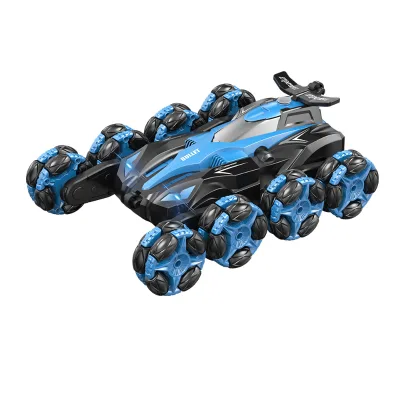
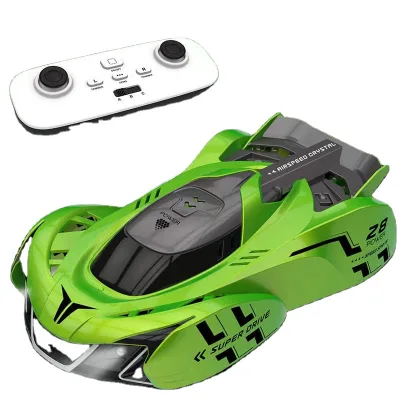
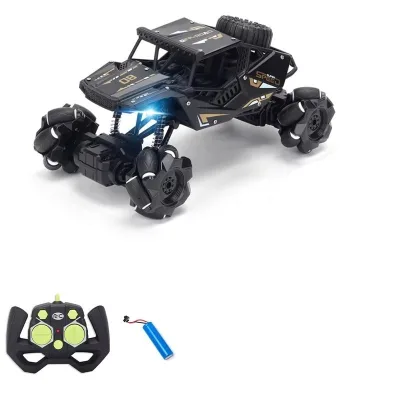


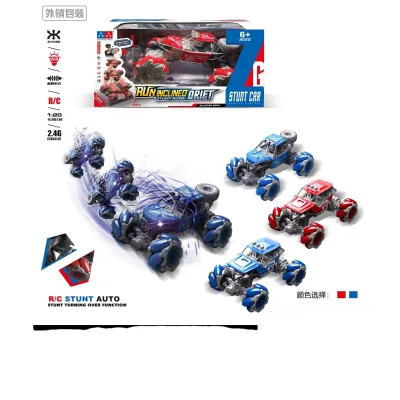
2.4G Gesture Sensing Twist RC Car Drift Stunt Climbing off-Road Toy Car
$6.30 - $11.50
MOQ: 240 Pieces


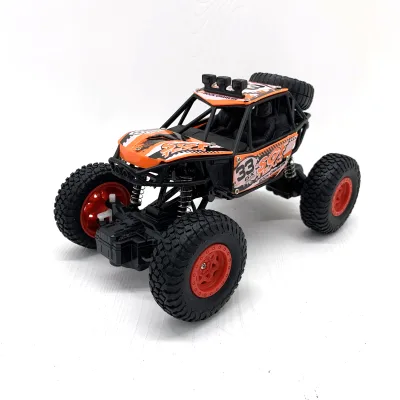
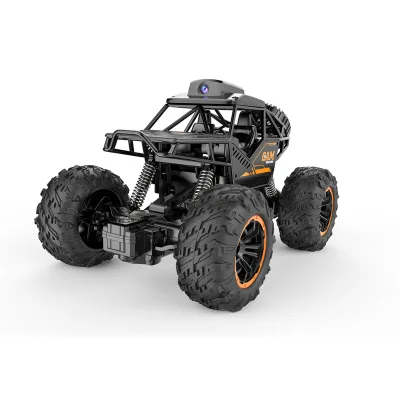
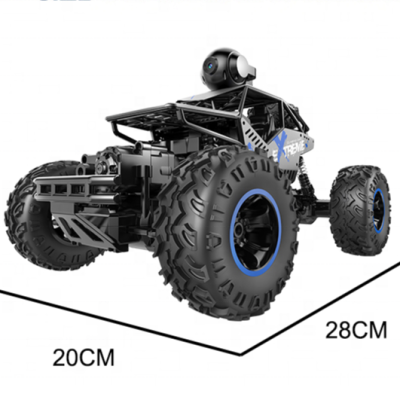
2.4GHz RC Aluminum Climbing off-Road Car for Children with Two Style Tires
$12.61 - $98.00
MOQ: 1 Pieces




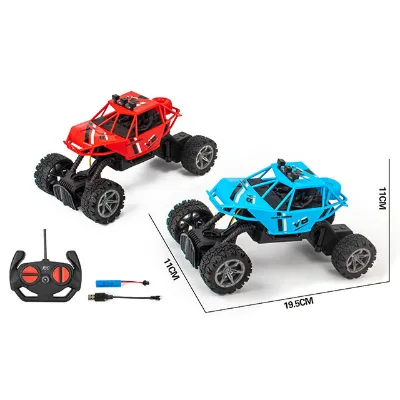
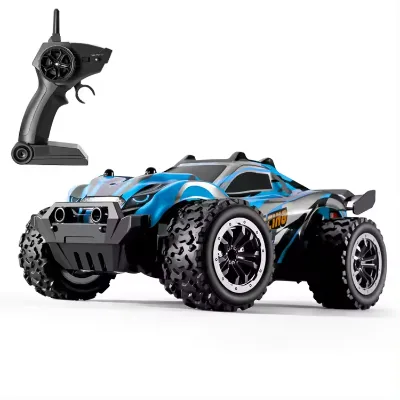


Comprehensive Sourcing Guide
Red Simulation Climbing RC Car with Winch Sourcing Guide
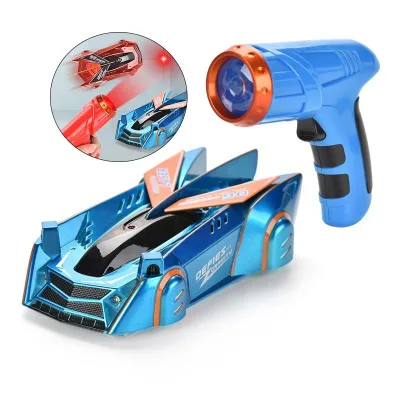
Sourcing red simulation climbing RC cars with winch capabilities requires a nuanced understanding of the intersection between stunt vehicle dynamics and specialized climbing mechanics. The market for these toys is characterized by a blend of high-energy remote-controlled action and technical features that allow for vertical traversal, often appealing to both younger demographics and hobbyists seeking more complex play patterns. Buyers must navigate a landscape where "climbing" can refer to wall-climbing technologies using suction or static electricity, or rugged off-road climbing over obstacles, depending on the specific model configuration. The presence of a winch adds a layer of mechanical complexity, suggesting a focus on rescue simulations or heavy-duty play scenarios that differentiate these units from standard stunt cars.
Procurement decisions for this category are heavily influenced by the intended use case, whether for indoor wall-climbing demonstrations or outdoor rugged terrain navigation. The red color scheme is a common aesthetic choice in this segment, often paired with aggressive styling to mimic real-world emergency or military vehicles. However, the core functionality varies significantly across suppliers, with some models focusing on gesture control and others relying on traditional infrared or radio frequency remotes. Understanding these operational differences is critical for aligning product selection with target market expectations, particularly when dealing with age-specific safety regulations and performance claims.
Product Scope and Observed Listing Signals
The observed product landscape for climbing RC cars reveals a diverse range of specifications that buyers must carefully evaluate to ensure alignment with their procurement goals. Listings frequently highlight features such as gesture control, wall-climbing capabilities, and stunt functions like 360-degree rotation. For instance, some models are described as "gesture rc car Climbing stunt Car" with a 1:12 scale, while others are marketed as "wall climbing car" with specific battery capacities and remote distances. The material composition is predominantly plastic and ABS, with some variants incorporating metal components for durability, reflecting a balance between cost-efficiency and structural integrity.
Key listing signals indicate a wide variance in technical performance, including battery life, charging times, and operational ranges. Observed data points show lithium battery capacities ranging from 500mAh to 1500mAh, with playing times varying from 20 minutes to 60 minutes depending on the mode of operation, such as floor play versus wall climbing. Remote control distances are typically cited between 10 and 30 meters, though some listings mention custom ranges. These variations underscore the importance of verifying specific technical attributes rather than relying on general product descriptions, as performance can differ significantly between models even within the same category.
Technical Specifications to Verify
When evaluating technical specifications, buyers should prioritize the verification of battery systems, as this is a critical component affecting both performance and safety. The supplied facts indicate the use of lithium batteries with varying capacities, such as 900mAh, 500mAh, and 1500mAh, along with specific voltage ratings like 3.7V. It is essential to confirm whether the controller battery is included, as some listings specify "Not include" for controller power sources, while others provide complete kits. Additionally, charging times range from 50-60 minutes to 2 hours, which impacts user experience and inventory turnover, making it a key factor in product selection.
Another critical area for verification is the control mechanism and operational range, which directly influence the user's ability to maneuver the vehicle effectively. Specifications such as 4-channel control, forward/backward/left/right/stop functions, and demo modes are common, but the actual remote distance can vary, with observed ranges of 25-30 meters or custom settings. Buyers should also assess the scale and dimensions of the vehicle, as sizes like 27167 cm or 15.5x8x5.5 cm affect portability and storage requirements. Furthermore, the state of assembly, whether "Almost Ready" or "Ready-to-Go," impacts the final product's usability and the need for additional setup by the end-user.
Compliance and Safety Documentation
Compliance with international safety standards is non-negotiable for RC toys, particularly those targeting children. The supplied facts list a comprehensive set of certifications, including EN71, EN62115, 7P, BIS, FCC, ASTM, HR4040, RED, and ROHS. Buyers must verify that the specific models they intend to purchase hold these certifications, as they are indicative of adherence to electrical safety, chemical restrictions, and mechanical integrity requirements. For instance, EN71 and ASTM are crucial for the European and American markets, respectively, ensuring that the toys meet rigorous safety benchmarks for children's products.
Age range recommendations are another critical aspect of compliance, with listings specifying targets such as 2 to 4 years, 5 to 7 years, and 8 to 13 years. Buyers should ensure that the product's design and features align with the stated age group, particularly regarding small parts and battery accessibility. The presence of lithium batteries necessitates careful handling and disposal instructions, which should be clearly documented in the operating instructions included in the package. Additionally, the "no video capture resolution" attribute confirms that these are standard RC toys without surveillance capabilities, simplifying privacy compliance but requiring clear communication to end-users.
Cost Drivers and Commercial Terms
Cost drivers for red simulation climbing RC cars with winch features are influenced by material composition, battery capacity, and packaging complexity. Models with metal components and higher-capacity lithium batteries tend to be priced higher due to increased material and manufacturing costs. The inclusion of additional accessories, such as chargers, USB cables, and original boxes, also contributes to the overall cost. Buyers should analyze the unit price in relation to these features to determine the value proposition, keeping in mind that observed price ranges can vary significantly based on the specific configuration and supplier.
Commercial terms, including MOQ and lead times, are critical for inventory planning and cash flow management. While specific MOQ values are not provided in the facts, observed ranges suggest flexibility, with some suppliers offering low MOQs for trial orders. Lead times are also variable, depending on the supplier's production capacity and the complexity of the product. Buyers should negotiate clear terms regarding payment methods, shipping responsibilities, and return policies to mitigate risks associated with international procurement. Understanding these commercial dynamics is essential for establishing sustainable supply chain relationships.
Supplier Qualification and Quality Control
Supplier qualification for RC toys requires a thorough assessment of manufacturing capabilities and quality control processes. Buyers should prioritize suppliers with a proven track record in producing RC vehicles, particularly those specializing in climbing or stunt models. The place of origin, often Guangdong, China, is a hub for such manufacturing, but buyers must verify the supplier's specific facilities and production lines. Requesting samples is a crucial step to evaluate build quality, battery performance, and remote control responsiveness before committing to larger orders.
Quality control measures should include checks for material durability, electronic component reliability, and packaging integrity. Suppliers should provide evidence of their QC processes, such as incoming material inspections, in-process quality checks, and final product testing. Buyers should also inquire about the supplier's approach to handling defects and returns, as this impacts long-term customer satisfaction. Establishing a clear communication channel for addressing quality issues is essential for maintaining product standards and protecting brand reputation in the target market.
Long-Term Procurement Checks
Long-term procurement success depends on continuous monitoring of product performance and market feedback. Buyers should establish a system for collecting customer reviews and return data to identify recurring issues, such as battery degradation or remote control interference. This feedback loop can inform future purchasing decisions and help negotiate improvements with suppliers. Additionally, staying informed about changes in safety regulations and certification requirements is vital to ensure ongoing compliance, particularly as standards evolve in key markets like Europe and North America.
Building a diversified supplier base can mitigate risks associated with single-source dependency. Buyers should explore multiple suppliers to compare pricing, quality, and service levels, fostering a competitive environment that benefits both parties. Regular audits and performance reviews of existing suppliers can help maintain high standards and identify opportunities for cost optimization. By adopting a proactive approach to supplier management and market analysis, buyers can secure a reliable supply of red simulation climbing RC cars with winch features, ensuring sustained growth and customer satisfaction.
FAQs
What battery capacity does the red simulation climbing rc car have?
The product features a 900mAh lithium battery for the car model. Some variants include a 3.7V 1500mAh battery, while others use a 500mAh unit. Charging typically takes between 50 to 60 minutes or up to two hours depending on the specific configuration.
How long does the red simulation climbing rc car play on the floor?
Playing time on the floor ranges from 20 to 30 minutes for specific models. Other configurations offer a total playing time of up to 60 minutes. The duration depends on the battery capacity and whether the car is used on walls or flat surfaces.
Which certifications apply to the red simulation climbing rc car?
The product holds multiple safety certifications including EN71, EN62115, BIS, FCC, ASTM, HR4040, RED, and ROHS. These standards ensure compliance with international safety requirements for toys and electronic devices sold in various global markets.
Can the red simulation climbing rc car operate indoors and outdoors?
Yes, the product is designed for both indoor and outdoor use. It functions effectively on floors and walls, making it versatile for different play environments. The remote control distance typically ranges from 25 to 30 meters.
What is the minimum order quantity for the red simulation climbing rc car?
The observed minimum order quantity ranges from 1 to 1000 units depending on the supplier. Buyers can find options for single items or bulk orders. Specific MOQ values vary by manufacturer and customization requirements.
Where are the red simulation climbing rc car products manufactured?
The place of origin for these products is Guangdong, China. This region is a known hub for toy manufacturing and electronics. Buyers should verify specific factory locations when sourcing for quality assurance.
What materials are used to make the red simulation climbing rc car?
The car is constructed from plastic, ABS, and sometimes metal components. These materials ensure durability for stunt and climbing activities. The assembly state is either almost ready or ready-to-go for immediate use.