Source Refillable Boston Style Perfume Bottle for cosmetics, travel, and retail
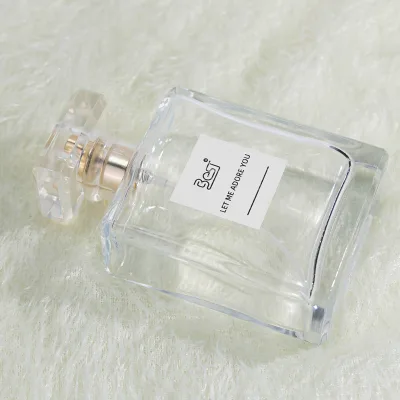
Explore 30 listings for the Refillable Boston Style Perfume Bottle featuring glass materials, various capacities from 5ml to 100ml, and customizable closures. Buyers can compare specifications like shape, color, and packaging options to find suitable suppliers for personal care and fragrance applications.
Key considerations
Products List


Wholesale Custom Color Luxury Refillable Fragrance Empty Perfume Bottle
$0.14 - $0.17
MOQ: 3000 Pieces


New Design Custom Crimp Thick Bottom Refillable Fragrance Perfume Bottle
$0.32 - $0.37
MOQ: 10000 Pieces


Portable 10ml 15ml 20ml Cosmetic Spray Bottles Refillable Perfume Bottle
$0.05 - $0.35
MOQ: 10000 Pieces



Comprehensive Sourcing Guide
Strategic Sourcing Guide for Refillable Boston Style Perfume Bottles
The global fragrance market continues to evolve, with a distinct shift toward sustainable packaging solutions that prioritize refillability and aesthetic versatility. For procurement professionals, the "Refillable Boston Style Perfume Bottle" represents a specific intersection of functional design and market demand. This style, characterized by its classic cylindrical or slightly tapered silhouette, offers a robust platform for branding while minimizing material waste. Sourcing these items requires a disciplined approach that balances technical specifications, regulatory compliance, and supply chain reliability. The following guide outlines the critical factors buyers must evaluate when engaging with suppliers in this category, ensuring that procurement decisions are grounded in verified data and industry best practices.
Technical Specifications and Design Attributes
When evaluating refillable Boston style bottles, the primary focus must be on the physical and material attributes that define the product's utility and aesthetic appeal. Based on observed market data, these bottles are frequently manufactured from glass, a material chosen for its chemical inertness, clarity, and premium feel. The glass composition is critical, as it must withstand the corrosive nature of various fragrance formulations without degrading over time. Buyers should verify the specific glass type and thickness, as these factors directly influence the bottle's durability and weight.
Shape variations are a key differentiator in this category. While the classic Boston style often implies a round profile, market observations indicate a significant presence of square and rectangular variants that adopt the same functional closure systems. The shape influences the visual presentation on retail shelves and the ergonomics of the user experience. For instance, square bottles may offer a more modern, architectural look, whereas round bottles align with traditional aesthetics. The dimensions of these bottles vary widely, with observed standard sizes ranging from compact 5ml units to larger 100ml containers. Specific capacity ranges, such as 5-50 ml and 51-100 ml, are common, allowing brands to target different market segments from travel-sized samples to full-size luxury products.
The closure mechanism is equally vital for a refillable system. The most prevalent configuration observed is the spray pump, which ensures precise application and minimizes product loss. The pump must be compatible with the bottle's neck finish to prevent leakage and ensure a secure seal. Additionally, the surface handling of the bottle can be customized, including color printing and specific finishes. Observed color options include transparent, clear, amber, and black, with some suppliers offering candy color palettes to appeal to specific fashion trends. The hardness of the glass is noted as "partial hard" in certain contexts, suggesting a balance between rigidity and impact resistance that is essential for shipping and handling.
Compliance and Certification Verification
In the fragrance packaging industry, regulatory compliance is non-negotiable. Buyers must rigorously verify that suppliers possess valid certifications that attest to the safety and quality of their products. The fragrance industry is subject to strict regulations regarding material safety, particularly concerning direct contact with cosmetic and perfumery ingredients. A comprehensive list of certifications to look for includes TUV Sud, ISO22716, GMPC (Good Manufacturing Practice for Cosmetics), MSDS (Material Safety Data Sheet), and FDA compliance. These certifications indicate that the manufacturer adheres to international standards for hygiene, chemical safety, and environmental management.
ISO22716, specifically, is a crucial standard for cosmetic manufacturers, covering the production, control, storage, and shipment of cosmetic products. While ISO9001 and ISO14001 are often cited in general manufacturing contexts, the specific relevance of ISO22716 for fragrance bottles is higher. Buyers should request current certification documents and verify their validity dates. It is important to note that not every listed product may satisfy every certification requirement; therefore, procurement teams must confirm that the specific batch or model they intend to purchase is covered under these certifications.
Furthermore, the material safety data sheets (MSDS) are essential for understanding the chemical composition of the glass and any coatings applied. This documentation helps in assessing potential risks during the filling process and ensures that the packaging does not interact negatively with the fragrance formula. The presence of these documents is a strong indicator of a supplier's commitment to quality and regulatory adherence.
Cost Drivers and Pricing Dynamics
Understanding the cost structure of refillable Boston style perfume bottles is essential for budgeting and negotiation. The observed price range for these items spans from $0.05 to $3.20 USD, a wide spectrum that reflects significant variations in material quality, customization levels, and order volume. Several key factors drive these costs. The primary driver is the material itself; high-quality glass with specific thickness and clarity commands a higher price than standard glass. Additionally, the complexity of the shape and the precision required for the neck finish contribute to manufacturing costs.
Customization is another major cost factor. While standard bottles are more affordable, options such as custom color printing, specialized surface handling, and unique shapes increase the unit price. The "Candy Color" aesthetic or specific "European Style" designs may require additional tooling or specialized glazing processes, further impacting the cost. The packaging method also plays a role; options range from individual boxes to standard export cartons or custom palletized shipments. The choice between a simple carton and a more elaborate box with custom branding will directly affect the final price per unit.
Order volume is perhaps the most significant lever for cost reduction. The observed Minimum Order Quantity (MOQ) ranges from 2 to 50,000 units. Suppliers typically offer tiered pricing structures where the unit cost decreases as the order volume increases. For smaller brands or those testing new designs, an MOQ of 2 to 500 units may be available, albeit at a higher per-unit cost. Conversely, large-scale production runs can leverage economies of scale to achieve prices near the lower end of the observed range. Buyers should carefully calculate their total cost of ownership, including shipping and potential inventory holding costs, rather than focusing solely on the unit price.
Typical Applications and Market Segmentation
Refillable Boston style perfume bottles serve a diverse range of applications across the fragrance and personal care sectors. The versatility of the design makes them suitable for luxury perfumes, niche fragrances, and mass-market body sprays. The "Unisex" attribute observed in many listings indicates that these bottles are designed to appeal to a broad demographic, making them ideal for brands targeting gender-neutral markets. The "European Style" aesthetic often resonates with consumers seeking a classic, sophisticated look, which is particularly relevant for high-end fragrance lines.
The capacity of the bottle determines its specific application. Smaller capacities, such as 5ml to 15ml, are commonly used for travel-sized sets, promotional samples, or gift sets. These compact sizes are highly portable and allow consumers to try a fragrance before committing to a full-size purchase. Medium capacities, ranging from 30ml to 50ml, are standard for everyday use and are often the primary SKU for many brands. Larger sizes, such as 100ml, cater to loyal customers who prefer the convenience of a larger container and the cost-effectiveness of refilling.
The "Single Open" feature and "Spray Pump" closure are particularly relevant for applications requiring precise dosage and controlled dispensing. This makes the bottles suitable for alcohol-based perfumes, eau de toilette, and body mists. The "Woody or Customize" scent profile mentioned in some contexts suggests that these bottles are often paired with specific fragrance notes, although the bottle itself is scent-neutral. The ability to customize the color and shape allows brands to create a unique visual identity that aligns with their marketing strategy and brand story.
Supplier Evaluation and Quality Control
Selecting the right supplier is a critical step in the procurement process. Buyers should evaluate potential partners based on their production capabilities, quality control systems, and ability to meet customization requirements. The origin of the products, primarily from regions like Jiangsu and Shandong in China, offers access to a mature manufacturing ecosystem with specialized expertise in glass packaging. However, geographical location should not be the sole determinant; the supplier's track record and operational transparency are more important.
Quality control measures must be robust to ensure consistency and reliability. Buyers should inquire about the supplier's inspection protocols, including in-process checks and final random inspections. The "Standard Export Carton" or "Standard Export Carton or as Customer's Advise" packaging options suggest that suppliers are accustomed to international shipping standards, but buyers should verify that the packaging is sufficient to prevent breakage during transit. The "Carton" and "Box" packing options observed indicate flexibility, but the specific requirements for the buyer's supply chain must be clearly communicated.
When evaluating suppliers, it is essential to verify their capacity to handle the required order volumes and lead times. While specific lead times are not provided in the source data, buyers should expect a range based on the complexity of the order and the customization level. Suppliers with a history of meeting deadlines and maintaining consistent quality are preferable. Additionally, the ability to provide samples for testing is a key indicator of a supplier's confidence in their product and their willingness to engage in a collaborative relationship.
Long-Term Procurement Considerations
Sourcing refillable Boston style perfume bottles is not just a one-time transaction but a long-term strategic decision. Buyers should consider the scalability of the supplier's operations and their ability to adapt to changing market demands. The trend toward sustainability and refillability suggests that these products will remain relevant for the foreseeable future. Therefore, establishing a partnership with a supplier who is committed to continuous improvement and innovation is crucial.
Buyers should also plan for the lifecycle of the product. This includes considering the availability of replacement parts, such as spray pumps, and the ease of refilling the bottles. The "Customizable" nature of the color printing and surface handling allows for future rebranding efforts without the need to change the entire packaging line. This flexibility is a significant advantage for brands that frequently update their marketing campaigns or launch new product lines.
Finally, buyers must maintain a clear understanding of the total cost of ownership. This includes not only the purchase price but also the costs associated with logistics, storage, and potential returns. By carefully analyzing these factors and maintaining a disciplined approach to supplier evaluation, buyers can secure a reliable supply of high-quality refillable Boston style perfume bottles that meet their brand's standards and market requirements. The ability to navigate the complexities of this market with precision will ultimately drive success in the competitive fragrance industry.
FAQs
What certifications do refillable Boston style perfume bottles have?
These bottles often carry TUV Sud, ISO22716, GMPC, MSDS, and FDA certifications. Buyers must verify that specific batches meet these safety standards for cosmetic contact.
Which materials are used for refillable Boston style perfume bottles?
Glass is the primary material used due to its chemical inertness and premium feel. This material ensures durability and prevents interaction with fragrance formulas over time.
Can the color and surface of these bottles be customized?
Yes, color printing and surface handling are customizable options available for these bottles. Suppliers offer transparent, clear, amber, black, and candy color finishes to match brand needs.
What capacity ranges are available for these perfume bottles?
Capacities range from 5ml to 100ml, including specific options like 15ml, 30ml, 50ml, and 100ml. These sizes cater to travel samples, everyday use, and luxury full-size products.
How are these bottles typically packed for export?
Standard packing includes cartons, boxes, or standard export cartons as advised by the customer. Some suppliers also offer palletized shipping for larger order volumes.
Where are these refillable bottles manufactured?
Manufacturing primarily occurs in China, with specific origins noted in Jiangsu and Shandong provinces. These regions provide access to a mature glass packaging ecosystem.