Source Refillable Air Duster for Keyboard, Computer, and Electronics
Explore 30 options for a Refillable Air Duster for Keyboard maintenance and electronic cleaning. Compare models like APK-8611 and H36, featuring eco-friendly formulas, high-pressure airflow, and various sizes from 200ml to 500ml. Find suppliers offering customization and OEM services for precise equipment cleaning.
Key considerations
Products List

Aerosol Air Duster 134A for Keyboard with Powerful Blast for Removing Dust
$2.99 - $3.29
MOQ: 7500 Pieces



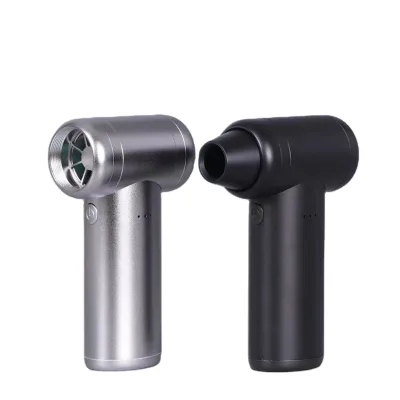
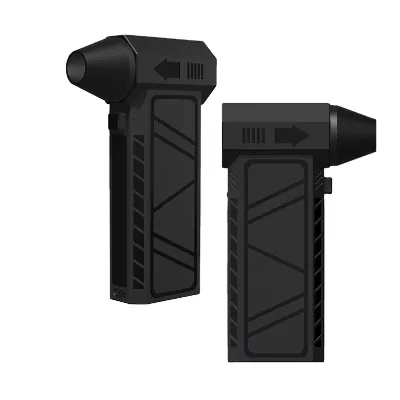


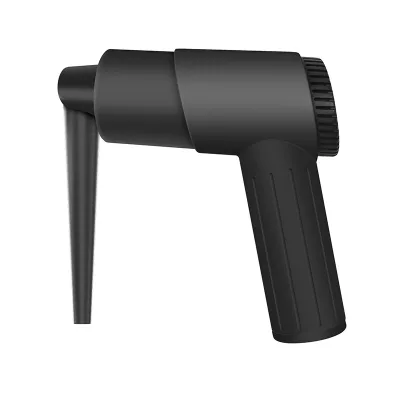

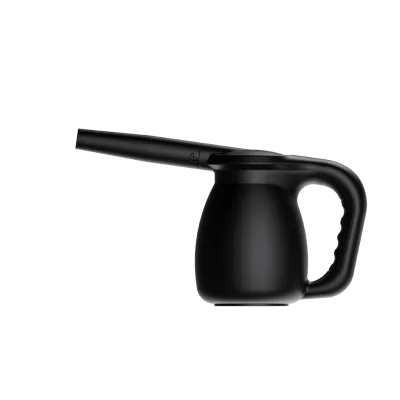


Powerful Compressed Air Duster Cleaner PC Keyboard Office Equipment Aerosol Duster
$0.70 - $1.80
MOQ: 10000 Pieces


Aerosol Compressed Gas Duster for Computer Keyboard and Electronic Products
$0.45 - $0.90
MOQ: 6000 Pieces


PC/Keyboard/Electronic Devices Air Duster Can Compressed Air Spray Can Dust Cleaner
$0.70 - $1.80
MOQ: 10000 Pieces


Comprehensive Sourcing Guide
Refillable Air Duster for Keyboard Sourcing Guide
Procurement teams must first distinguish between single-use compressed gas cans and true refillable systems when sourcing air dusters for keyboards. The observed market data indicates a mix of products, including specific models like APK-8611 and APK-8660, which are often marketed as compressed air cleaners but may function as disposable units depending on their internal valve design. Buyers should scrutinize product descriptions for explicit mentions of refillable mechanisms rather than assuming all "compressed air" products are reusable, as many listed items are designed for single-use disposal after the propellant is exhausted.
Verification of the product's intended lifecycle is critical before placing bulk orders, as the supply chain contains both OEM-branded items and generic "Air Duster" listings with varying construction. While some listings highlight features like "Powerful High Pressure Airflow" and "Deep Clean Narrow Dead Corners," these attributes apply to both disposable and refillable variants. Sourcing professionals must confirm whether the metal or plastic handle construction supports repeated refilling cycles, ensuring the selected unit aligns with sustainability goals and long-term cost reduction strategies for electronic maintenance.
Product Scope and Observed Listing Signals
The current market landscape for keyboard cleaning tools presents a diverse range of product names and usage scenarios, from "Keyboard Power Air Cleaner Spray Duster" to generic "Air Duster" labels. Observed listings frequently cite applications such as cleaning computer keyboards, car dust removal, and electronic precision equipment, yet the physical form factors vary significantly between sector-shaped heads and standard spray nozzles. Buyers must carefully map these observed usage signals to their specific operational needs, as a unit optimized for fragile ornaments may not provide the precise airflow required for delicate keyboard switches.
Listing signals also reveal a wide spectrum of packaging and volume standards, with observed capacities ranging from 200ml to 500ml and weights varying between 283g and 400g. Some products are packaged individually in OPP bags, while others are bulk-packed at 12 pieces per carton, indicating different target markets and logistics requirements. Procurement teams should analyze these packaging variations to determine if the supplier offers the flexibility needed for custom branding or specific volume constraints, ensuring the selected product scope matches the intended distribution channel.
Technical Specifications to Verify
When evaluating technical specifications, the distinction between the propellant type and the nozzle design is paramount for effective keyboard cleaning. The data shows models utilizing R134a and others with "Colorless" and "No Strange Stench" properties, but the critical verification step involves confirming the duster head shape, such as the observed sector design, to ensure it can reach tight crevices without damaging components. Buyers must request detailed engineering drawings to verify that the airflow pressure is sufficient for deep cleaning dead corners while remaining safe for sensitive electronic precision equipment.
Material composition and structural integrity are equally vital, as observed listings mention both metal and plastic handle materials with fixed handle types. The single gross weight of 0.020 kg for some items suggests lightweight construction, which is beneficial for ergonomic handling during extended cleaning sessions. However, procurement teams must verify that the chosen material can withstand repeated refilling cycles without degrading, ensuring the product maintains its "Nonflammable" and "Non-Toxic" safety profiles over its entire operational lifespan.
Compliance and Safety Documentation
Safety documentation for air dusters must explicitly confirm the "Eco-Friendly Non-Toxic Formula" and "100% Ozone Friendly" status claimed in various listings. While background knowledge suggests certifications like CE, RoHS, and REACH are common in this category, buyers cannot assume these apply to every listed product without direct verification from the supplier. It is essential to request current test reports that validate the "No Residue" and "Nonflammable" attributes, ensuring the product meets the specific safety regulations of the destination market before finalizing any purchase agreement.
The absence of a "Strange Stench" is a key quality indicator for indoor environments, yet this claim requires independent validation through odor testing protocols. Procurement teams should demand evidence that the formula used in the refillable system does not degrade into harmful byproducts over time, particularly since the product is designed for repeated use in close proximity to sensitive electronics. Verifying these safety claims protects the buyer from liability and ensures the product remains compliant with occupational health standards in office and industrial settings.
Cost Drivers and Commercial Terms
Commercial terms for refillable air dusters are heavily influenced by the observed MOQ range of 2 to 20,000 units, which allows for flexibility but requires careful negotiation based on volume. The price range of 0.16 to 200 USD reflects significant variation in product complexity, branding, and packaging, meaning that low-cost items may lack the durability required for industrial applications. Buyers should analyze the cost per unit relative to the expected refill cycle count, ensuring that the initial investment in a higher-quality refillable system yields a lower total cost of ownership compared to disposable alternatives.
Customization availability is a major cost driver, as the data confirms that customization is available for color and potentially other attributes. While OEM branding is observed, the cost implications of custom molds, packaging, and labeling must be factored into the total landed cost. Procurement teams should clarify whether the supplier charges setup fees for custom colors or specific nozzle designs, as these one-time costs can significantly impact the unit price for smaller order quantities within the observed MOQ spectrum.
Supplier Qualification and Quality Control
Supplier qualification should prioritize manufacturers with a proven track record in producing "Eco-Friendly Air Duster Cleaner" products that meet strict safety and performance standards. The observed origin locations, including Zhejiang, China, indicate a concentration of manufacturing capability, but buyers must verify the supplier's quality control processes to ensure consistency in the "Powerful High Pressure Airflow" and "Deep Clean" performance. Requesting samples for stress testing is essential to confirm that the refillable mechanism does not leak or fail after multiple cycles, which is a common failure point in lower-quality units.
Quality control protocols must also address the consistency of the "Package" and "Single package size" specifications, as variations can lead to logistical issues during shipping and storage. Buyers should audit the supplier's ability to maintain the "230g/300g/340g" standard weights and ensure that the "12PCS\Carton" packing density is accurate to prevent damage during transit. Establishing a clear quality agreement that defines acceptable defect rates for the "Sector" duster head shape and handle material integrity will help mitigate risks associated with inconsistent product performance.
Long-Term Procurement Checks
Long-term procurement success depends on establishing a robust supply chain that can support the recurring need for refillable air dusters without interruption. Buyers should verify the supplier's capacity to maintain consistent production of the "APK-8611" and "APK-8660" models or their equivalents, ensuring that the supply remains stable as the organization scales its cleaning operations. Regular audits of the supplier's inventory levels and production schedules will help prevent stockouts, which can disrupt maintenance workflows in critical electronic environments.
Continuous performance monitoring is necessary to ensure that the "Eco-Friendly" and "Non-Toxic" attributes remain consistent over time, as changes in raw material sourcing can impact product safety. Procurement teams should implement a feedback loop to track user satisfaction regarding the "No Residue" claim and the effectiveness of the cleaning action on keyboards. By maintaining open communication with the supplier and reviewing performance data periodically, buyers can ensure the product continues to meet evolving operational standards and safety requirements.
FAQs
What is the primary function of an air duster for keyboards?
The primary function is to deep clean narrow dead corners and remove dust from electronic precision equipment. It uses powerful high-pressure airflow to dislodge debris without physical contact. This method ensures safe cleaning of sensitive components like computer keyboards and vents, preventing damage while maintaining optimal performance and hygiene for daily use.
Can I customize the packaging for bulk orders of air dusters?
Yes, customization is available for bulk orders to meet specific branding or logistical needs. Suppliers offer various packing options, such as 12 pieces per carton or individual OPP bags. You can also request different colors for the product itself. This flexibility allows businesses to tailor the presentation and handling of the air dusters to their specific distribution requirements.
Is the compressed air formula safe for sensitive electronic devices?
Yes, the formula is eco-friendly, non-toxic, and 100% ozone-friendly. It is nonflammable and leaves no residue, making it safe for delicate electronics. The product is colorless and has no strange stench, ensuring a clean environment. These safety features make it ideal for cleaning computer keyboards, picture frames, and other precision equipment without causing harm or contamination.
What specifications are available for the air duster models?
Available specifications include various weights such as 230g, 300g, 340g, 283g, and 400g. Standard sizes like 200ml and 500ml are also offered. Models like APK-8611 and APK-8660 provide different capacities. The single package size is typically 30x2x2 cm. These options allow buyers to select the exact volume and weight that best suits their specific cleaning applications and distribution needs.
Where are these air dusters manufactured and shipped from?
These air dusters are manufactured in Zhejiang, China. The products originate from this region and are shipped via FOB Ningbo port. This location supports efficient logistics for international buyers. The manufacturing process adheres to standard practices, ensuring consistent quality. Buyers can expect reliable supply chains from this established industrial hub in China for their sourcing requirements.
What materials are used in the construction of the air duster?
The air duster is constructed using metal for the main body and plastic for the handle. The handle type is fixed, providing a simple and sturdy grip. This combination ensures durability during use while maintaining a lightweight profile. The metal construction supports the high-pressure airflow, while the plastic handle offers comfort. This material selection balances strength, safety, and user experience effectively.