Source Refillable Camping Electric Arc Lighter for Hiking, BBQ, and Kitchen
Find and compare 30 models of Refillable Camping Electric Arc Lighter options from verified suppliers. Evaluate features like flameless ignition, rechargeable batteries, and durable ABS or zinc alloy construction for outdoor, BBQ, and kitchen applications.
Key considerations
Products List
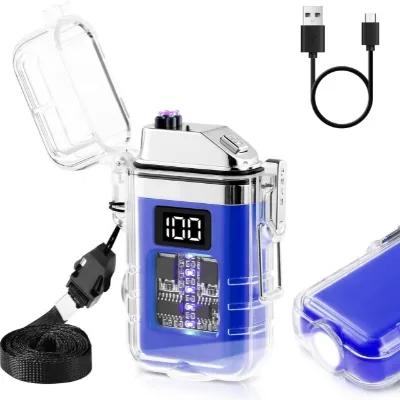


BBQ Lighter for Picnic Camping Torch Kitchen Lighter Electric Candle Lighter
$0.53 - $0.78
MOQ: 200000 Pieces


LED Flash Electric Refillable Gas Wholesale Lighter for Smoking and Camping
$0.09 - $0.09
MOQ: 200000 Pieces


BBQ Refillable Electric Torch Factory Outlet Plastic Gas Lighter for Camping and Kitchen
$0.98 - $1.05
MOQ: 10000 Pieces

LED Multi Function Electric Plastic Gas Wholesale Refillable Lighter for Camping and Outdoor
$0.09 - $0.09
MOQ: 200000 Pieces



Comprehensive Sourcing Guide
Refillable Camping Electric Arc Lighter Sourcing Guide
Sourcing refillable camping electric arc lighters requires a nuanced understanding of the intersection between consumer electronics and traditional ignition tools. These devices utilize high-voltage plasma arcs to ignite fuel sources, offering a windproof and waterproof alternative to traditional flint or butane lighters. For B2B buyers, the primary value proposition lies in the durability and reusability of the unit, which reduces long-term consumption costs for end-users. However, the procurement process is complicated by the fact that many suppliers list multiple product types under similar keywords, ranging from simple disposable plastic units to complex rechargeable alloy models. Buyers must carefully distinguish between true electric arc technology and standard flame-based mechanisms to ensure they are sourcing the correct product category.
The market landscape for these products is fragmented, with suppliers often bundling diverse items such as torch lighters, BBQ igniters, and decorative gifts under a single listing. This consolidation can obscure critical differences in material composition, power source, and safety certifications. A robust sourcing strategy involves isolating specific product models and verifying their technical attributes against the buyer’s operational requirements. Whether the end-use is outdoor trekking, kitchen application, or promotional gifting, the procurement team must establish clear criteria for functionality, such as the presence of a rechargeable battery versus a disposable gas cartridge, to avoid receiving mismatched inventory.
Product Scope and Observed Listing Signals
The observed product scope reveals a wide variance in design intent and target market, ranging from rugged outdoor gear to promotional corporate gifts. Listings frequently highlight features such as "Hiking Outdoor Treeking Sprot Traveling," indicating a focus on durability and portability for active users. Conversely, other entries emphasize "Cigarette/Gift/Decorative" functions, suggesting a lighter build and aesthetic focus suitable for retail or promotional channels. Buyers should note that the term "refillable" appears in contexts that may refer to either gas refilling or electrical recharging, creating potential ambiguity. It is essential to verify whether the product relies on a replaceable gas cartridge or a built-in lithium-ion battery that is recharged via USB or other electrical means.
Material composition and physical dimensions are critical differentiators that vary significantly across listings. Some products are constructed from ABS and Zinc Alloy, offering a premium feel and higher resistance to impact, while others are made from standard plastic, targeting a lower price point. Observed dimensions range from compact units measuring approximately 68mm in length to larger, bulkier designs intended for heavy-duty use. Weight also varies, with some items weighing as little as 120 grams, while others, when packed in bulk, show gross weights that suggest heavier construction or larger packaging. These physical attributes directly impact shipping costs and the perceived quality of the final product, making them key factors in supplier evaluation.
Technical Specifications to Verify
When evaluating technical specifications, buyers must prioritize the verification of the ignition mechanism and power source. The core technology involves an electric arc, which requires a stable power supply to function effectively. For rechargeable models, it is crucial to confirm the battery capacity, charging interface type, and charging time, as these factors determine the usability and convenience for the end-user. In contrast, for gas-based refillable models, the type of fuel compatibility and the ease of refilling mechanism must be assessed. Misidentifying the power source can lead to significant compliance issues, particularly regarding lithium battery transportation regulations, which are stricter than those for gas-powered devices.
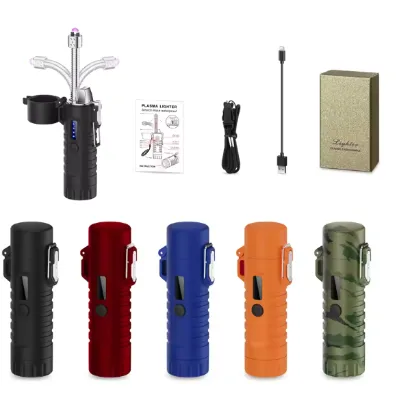
Color options and customization capabilities are also vital technical considerations for branding and market positioning. Listings indicate a variety of color choices, including options for twelve different colors or specific five-color palettes, with many suppliers accepting customized logos and OEM requests. This flexibility allows buyers to tailor products to specific brand identities or seasonal marketing campaigns. However, the feasibility of customization often depends on the minimum order quantity (MOQ) and the production lead time. Buyers should verify the specific requirements for logo printing, such as laser engraving versus screen printing, and ensure that the customization process does not compromise the structural integrity or electrical safety of the lighter.
Compliance and Safety Documentation
Safety compliance is paramount when sourcing electric arc lighters, given the high-voltage nature of the product and the potential hazards associated with lithium batteries or flammable gases. Buyers must request and verify relevant certification documents from suppliers, such as MSDS (Material Safety Data Sheet) for chemical components and ISO standards for quality management. Specific standards like ISO9994 and EN13869 may be relevant for lighter safety, while ISO22702 might apply to cosmetic or specific material standards depending on the product composition. It is the buyer’s responsibility to ensure that the supplier’s certifications are current and applicable to the specific model being purchased, as generic certificates may not cover all variations in the product line.
Transportation and storage regulations must also be strictly adhered to, particularly for products containing lithium batteries or flammable materials. The presence of MSDS documentation is a strong indicator that the supplier understands the hazardous nature of the product and can provide the necessary documentation for shipping. Buyers should verify that the packaging meets international standards for hazardous goods, including proper labeling and shock-resistant materials. Failure to comply with these regulations can result in shipment delays, customs seizures, or legal liabilities. Therefore, integrating safety documentation verification into the supplier qualification process is a non-negotiable step in the procurement workflow.
Cost Drivers and Commercial Terms
Cost structures for refillable camping electric arc lighters are influenced by material choices, customization levels, and order volumes. Products made from zinc alloy and ABS typically command higher prices than those made from standard plastic due to the cost of raw materials and manufacturing complexity. Customization, such as adding a customer logo or selecting specific colors, often incurs additional setup fees and may increase the unit price. Buyers should analyze the total cost of ownership, including shipping and potential tariffs, rather than focusing solely on the unit price. The observed price range of $0.09 to $9.8 USD highlights the vast disparity between basic and premium models, necessitating a clear definition of quality expectations before requesting quotes.
Commercial terms, including MOQ and lead times, vary widely among suppliers and can significantly impact inventory planning. MOQs range from as low as 10 pieces for sampling or small batches to 300,000 pieces for large-scale production runs. Lead times are typically reported between 7 and 25 days, depending on the order size and customization requirements. Buyers should negotiate clear terms regarding payment schedules, warranty policies, and return procedures for defective units. Understanding these commercial dynamics allows for better cash flow management and risk mitigation, ensuring that the procurement process aligns with the company’s operational capacity and market demand forecasts.
Supplier Qualification and Quality Control
Supplier qualification requires a thorough assessment of manufacturing capabilities and quality control processes. Buyers should verify the supplier’s origin, with many listings indicating production in China, specifically in regions like Hunan or Guizhou provinces. While geographic origin can provide insights into supply chain logistics, it is the supplier’s internal quality management systems that are most critical. Requesting details about their production lines, testing procedures, and defect rate statistics can provide a clearer picture of their reliability. Suppliers who are transparent about their quality control measures are more likely to deliver consistent product quality and meet compliance standards.
Quality control should extend beyond the initial order to include ongoing monitoring and periodic audits. Establishing clear acceptance criteria for product defects, such as arc failure, battery issues, or cosmetic flaws, is essential for maintaining product standards. Buyers should consider implementing a sampling plan for incoming shipments to verify that the delivered goods match the approved samples. Additionally, fostering open communication with the supplier regarding any quality concerns can lead to continuous improvement and stronger partnership dynamics. A proactive approach to quality control helps minimize the risk of receiving substandard products and protects the buyer’s brand reputation in the end-market.
Long-Term Procurement Checks
Long-term procurement success depends on the ability to adapt to market changes and technological advancements. Buyers should regularly review the product portfolio to ensure that the sourced lighters remain competitive in terms of features, safety, and price. Monitoring industry trends, such as the shift towards more sustainable materials or improved battery technologies, can inform future sourcing decisions. Engaging with suppliers to discuss potential product upgrades or new model developments can also provide a competitive edge. Staying informed about regulatory changes in key markets is equally important, as new safety standards or environmental regulations may impact product design and compliance requirements.
Building a resilient supply chain involves diversifying suppliers and maintaining strong relationships with key partners. Relying on a single supplier can pose risks related to capacity constraints, quality issues, or geopolitical factors. By cultivating relationships with multiple qualified suppliers, buyers can mitigate these risks and ensure continuity of supply. Regular performance reviews of suppliers, based on metrics such as on-time delivery, product quality, and responsiveness, can help identify areas for improvement and reinforce accountability. A strategic approach to long-term procurement ensures that the sourcing function remains agile, cost-effective, and aligned with the company’s broader business objectives.
FAQs
What certifications do these lighters hold?
These lighters hold MSDS, ISO9994, and En13869 certifications. Some models also carry ISO22702 certification. These documents verify safety and quality standards for international trade and regulatory compliance.
Can I customize the logo on the product?
Yes, customized logos are accepted for these electric arc lighters. Buyers can request OEM services to add their branding. This customization is available across various models and color options.
What is the minimum order quantity for this item?
The minimum order quantity varies by supplier, ranging from 10 pieces to 300,000 pieces. Some listings specify 10 pieces as a baseline, while bulk orders may require higher volumes. Check specific supplier terms for exact requirements.
How long does delivery take for these lighters?
Delivery time typically ranges from 7 to 25 days after order confirmation. This lead time depends on the specific supplier and order volume. Expedited shipping options may be available depending on the manufacturer.
Which materials are used to construct these lighters?
These lighters are constructed from ABS plastic and Zinc Alloy. Some models also utilize standard plastic materials. These durable materials ensure the device withstands outdoor use and provides a secure grip.
What colors are available for this lighter model?
Buyers can choose from 12 different colors or five specific color options depending on the model. Custom color requests may be accepted through OEM services. The variety allows for diverse branding and personalization needs.
Can these lighters be used for BBQ and kitchen tasks?
Yes, these lighters are designed for use in torch, BBQ, and kitchen applications. They provide a flameless ignition source suitable for various cooking and lighting needs. The electric arc technology ensures safe and reliable performance.