Source Refillable Medical Aluminum Oxygen Cylinder for hospitals, clinics, and home care
Find 30 options for the Refillable Medical Aluminum Oxygen Cylinder with varying capacities and pressure ratings. Buyers can compare specifications like water capacity, working pressure, and material to select the right unit for medical or industrial gas applications.
Key considerations
Products List


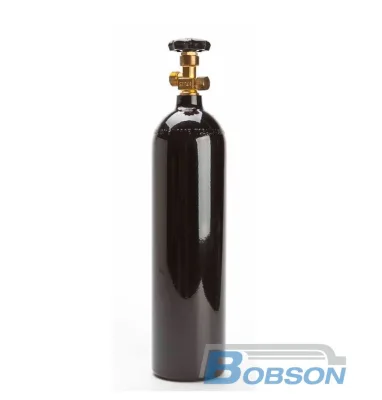


Medical Oxygen Gas Cylinder - 0 28-21 4L Capacity, Durable and Reliable
$29.40 - $34.00
MOQ: 200 Pieces


Medical Oxygen Cylinders Aluminum Portable for Hospital Clinic Emergency Use
$19.00 - $199.00
MOQ: 100 Pieces


High Quality 5L 8L 10L 150bar Refillable Aluminum Oxygen Aluminum Cylinder
$70.00 - $80.00
MOQ: 50 pieces


Comprehensive Sourcing Guide
Refillable Medical Aluminum Oxygen Cylinder Sourcing Guide
Procuring refillable medical aluminum oxygen cylinders requires a precise understanding of the specific pressure ratings and material properties that distinguish medical-grade equipment from industrial gas storage. The market data indicates a diverse range of offerings, including units designed for low-pressure applications ranging from 0.1MPa to 1.6MPa, as well as high-pressure variants operating between 10.0MPa and 100.0MPa. Buyers must carefully align their procurement needs with these distinct pressure levels, as the cylinder's structural integrity and intended use case are directly dictated by the operating pressure. Selecting the wrong pressure rating can lead to equipment failure or non-compliance with medical safety protocols, making the initial identification of the correct pressure class a critical first step in the sourcing process.
Material selection is equally pivotal, with aluminum emerging as a primary choice for medical applications due to its favorable strength-to-weight ratio and corrosion resistance. The observed product listings confirm the availability of aluminum cylinders alongside stainless steel alternatives, each presenting different trade-offs regarding durability and portability. For medical environments where mobility and ease of handling are paramount, aluminum cylinders often provide a distinct advantage, particularly when paired with specific water capacities ranging from 1L to 6.3L. Procurement teams should verify that the aluminum alloy used meets the specific requirements for oxygen purity and compatibility, ensuring that the cylinder material will not react with the medical gas or compromise the integrity of the stored medium over repeated refilling cycles.
Product Scope and Observed Listing Signals
The current market landscape for refillable medical aluminum oxygen cylinders presents a wide spectrum of specifications, necessitating a clear definition of the required product scope before engaging with suppliers. Listings reveal significant variation in physical dimensions, with cylinder sizes observed ranging from compact 120mm diameters to larger 159mm configurations, and heights varying from 392mm to 495mm. These physical attributes directly correlate with the water capacity, which is a key determinant of oxygen supply duration; for instance, smaller 2.8L units offer approximately 390 minutes of supply time, while larger 6.3L units can extend this to 900 minutes. Buyers must explicitly define their required flow regulation ranges, typically observed between 0-7L/Min and 0-15L/Min, to ensure the selected cylinder can meet the specific respiratory support needs of the intended patient or facility.
Packaging and structural design also serve as critical signals for product quality and intended logistics handling. The observed data indicates that packaging methods vary significantly, ranging from simple nylon and transparent PP bags to more robust solutions involving cartons and wooden boxes, which is essential for protecting the cylinder during international shipping. Furthermore, the structural classification of these vessels as "General Cylinders" or specific models like the MB159-6.3 suggests that buyers should verify the exact model number against their technical requirements rather than relying on generic descriptions. The presence of customization options in the market allows for tailored solutions, but procurement teams must clearly communicate their specific needs regarding color, capacity, and pressure direction to ensure the final product aligns with operational standards.
Technical Specifications to Verify
When evaluating technical specifications, the verification of wall thickness and design pressure is paramount to ensuring the cylinder can safely withstand the intended operating conditions. The observed listings provide specific examples of design wall thicknesses, such as 6.1cm and 8cm, which correspond to different pressure ratings and water capacities. However, buyers must treat these figures as observations of specific models rather than universal standards, and they should request detailed engineering drawings or material certificates that confirm the wall thickness for the specific batch being ordered. The relationship between the design wall thickness and the working pressure, which can reach up to 15MPa in some observed units, must be rigorously validated to prevent structural failure under high-pressure conditions.
Pressure testing and flow regulation capabilities are other critical technical parameters that require strict verification during the sourcing process. The market data shows test pressures ranging from 25MPa to 35MPa, which are significantly higher than the working pressures to ensure a safety margin. Buyers should insist on documented test results that confirm the cylinder has passed hydrostatic or pneumatic testing at these elevated pressures before it is cleared for medical use. Additionally, the flow regulation range, which dictates how quickly oxygen can be delivered to the patient, must be matched to the clinical requirements; a mismatch between the cylinder's flow capacity and the patient's demand can lead to inadequate respiratory support, making it essential to verify these specifications against the specific medical application.
Compliance and Safety Documentation
Compliance with international and regional standards is a non-negotiable aspect of sourcing medical oxygen cylinders, as these vessels are subject to rigorous safety regulations. The observed product listings indicate compliance with standards such as GB11640 and BS5045, which are critical benchmarks for gas cylinder manufacturing in China and the UK respectively. Buyers must verify that the supplier can provide valid certification documents proving that the specific cylinder model meets these standards, as well as any other relevant local regulations in the destination market. Relying on generic claims of compliance without seeing the actual certification documents can expose the buyer to significant liability and safety risks, particularly in a medical context where equipment failure can be life-threatening.
Safety documentation must also include detailed records of the cylinder's pressure history, including both working and test pressures, to ensure the vessel has not been compromised by previous use or manufacturing defects. The distinction between low-pressure and high-pressure cylinders is not merely a technical detail but a regulatory one, as different standards apply to each category. Procurement teams should ensure that the supplier provides a comprehensive safety data sheet that outlines the medium compatibility, specifically confirming that the cylinder is suitable for oxygen gas and does not pose a risk of contamination or reaction. This documentation serves as the primary evidence of safety and is essential for passing regulatory audits and maintaining insurance coverage for medical facilities.
Cost Drivers and Commercial Terms
The cost of refillable medical aluminum oxygen cylinders is influenced by a complex interplay of factors, including material costs, pressure ratings, and the level of customization required. The observed price range in the market spans from $1.8 to $300, reflecting the vast differences between basic low-pressure units and specialized high-pressure medical cylinders with advanced features. Buyers should understand that the price is not solely a function of the cylinder's size but is heavily driven by the engineering complexity required to meet high-pressure standards and the specific certifications needed for medical use. A lower price point may indicate a standard industrial cylinder that lacks the necessary medical-grade certifications, making it crucial to evaluate the total cost of ownership rather than just the initial purchase price.
Commercial terms, including Minimum Order Quantity (MOQ) and lead times, vary significantly across suppliers and must be negotiated based on the buyer's volume requirements. The observed MOQ range of 1 to 500 units suggests that suppliers are flexible, catering to both small medical clinics and large-scale distributors. However, buyers should be aware that higher customization levels, such as specific colors or unique pressure ratings, may increase the MOQ or extend the lead time. It is essential to clarify the payment terms and delivery schedules upfront, as the production of high-pressure vessels often requires specialized manufacturing processes that can impact the overall timeline. Understanding these commercial dynamics helps in budgeting accurately and ensuring a steady supply chain for critical medical equipment.
Supplier Qualification and Quality Control
Selecting a qualified supplier is the most critical step in ensuring the reliability and safety of refillable medical oxygen cylinders. The observed data indicates that many suppliers originate from China, with specific manufacturing hubs like Shanghai, but buyers must look beyond the geographic location to verify the supplier's manufacturing capabilities and quality control systems. A qualified supplier should demonstrate a robust track record of producing cylinders that meet international standards, with a transparent process for quality assurance that includes material testing, pressure testing, and final inspection. Buyers should request evidence of the supplier's quality management system certifications and inquire about their procedures for handling non-conforming products to mitigate the risk of receiving defective equipment.
Quality control measures must be integrated into the procurement process, with specific attention paid to the verification of material composition and structural integrity. The use of aluminum as a primary material requires strict control over the alloy composition to ensure it meets the necessary strength and corrosion resistance requirements for medical applications. Buyers should consider implementing a third-party inspection protocol to verify that the cylinders received match the agreed-upon specifications, including dimensions, wall thickness, and pressure ratings. This proactive approach to quality control helps prevent costly recalls and ensures that the medical facilities receiving the cylinders are equipped with safe and reliable equipment.
Long-Term Procurement Checks
Establishing a long-term procurement strategy for medical oxygen cylinders involves regular audits and performance reviews to ensure continued compliance and reliability. Buyers should schedule periodic inspections of the cylinders in their inventory to check for signs of wear, corrosion, or pressure degradation that could compromise safety over time. This ongoing monitoring is essential because medical equipment is subject to rigorous usage cycles, and the integrity of the cylinder can degrade if not properly maintained. By implementing a systematic approach to asset management, procurement teams can extend the lifespan of the cylinders and ensure that they remain safe for use throughout their service life.
Supplier relationship management is also a key component of long-term procurement, requiring regular communication and performance evaluations to maintain a high standard of service. Buyers should establish clear metrics for supplier performance, including delivery timeliness, product quality, and responsiveness to issues, and use these metrics to drive continuous improvement. As the medical industry evolves, suppliers may need to adapt their products to meet new regulations or technological advancements, making it important to maintain a collaborative relationship that fosters innovation and compliance. By treating the supplier as a strategic partner rather than a transactional vendor, buyers can secure a reliable supply chain that supports the critical needs of their medical operations.
FAQs
What materials are used for medical oxygen cylinders?
Medical oxygen cylinders are typically manufactured from stainless steel or aluminum. Stainless steel offers high durability and corrosion resistance, while aluminum provides a lighter weight option. Both materials ensure the structural integrity required for storing compressed gases safely under pressure.
What is the pressure rating for these cylinders?
These cylinders operate within low pressure ranges of 0.1MPa to 1.6MPa or high pressure ranges of 10.0MPa to 100.0MPa. Specific models may have working pressures around 15MPa with test pressures reaching 25MPa or 35MPa, ensuring safety during storage and transport of medical gases.
Can these cylinders be customized for specific needs?
Yes, customization is available for these storage pressure vessels. Buyers can request specific capacities, colors, or structural modifications to suit particular medical or industrial applications. This flexibility allows for tailored solutions that meet unique operational requirements and regulatory standards in different regions.
What certifications are provided for these products?
Products are provided with GB certification, indicating compliance with specific national standards. Some listings may reference CE certification as background information. Buyers should verify specific certification requirements with suppliers to ensure the cylinders meet the regulatory standards of their target market or application.
What are the typical water capacities available?
Water capacities vary significantly, ranging from small 1L cylinders to larger 6.3L units. Specific models include capacities such as 2.8L and 1L. These sizes cater to different usage scenarios, from portable medical oxygen supply to larger stationary storage needs in healthcare facilities.
How is the packaging handled for shipment?
Packaging methods include nylon, boxes, transparent PP bags, or wooden boxes. Some items are packed into cartons first before being placed in wooden boxes for protection. This ensures the cylinders remain secure and undamaged during transit, regardless of the shipping method or distance involved.