Source Refillable Leather Hardcover Business Journal for Gifts, Schools, and Offices
Compare 30 options for a Refillable Leather Hardcover Business Journal designed for corporate gifts, school supplies, and office organization. These items feature PU leather covers, various binding styles, and customizable printing methods to suit diverse promotional needs.
Key considerations
Products List


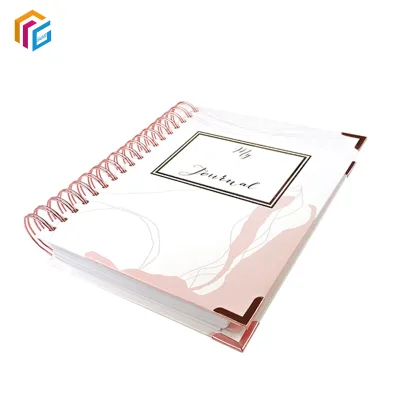


Business Corporate A5 Journal Planner Notebook with Pen and Refill for Sale
$5.89 - $6.25
MOQ: 100 pieces

Hardcover Promotional Planner A5 Journal Diary Hardbound PU Leather Notebook Set
$2.25 - $3.52
MOQ: 100 pieces

Leather Notebook Executive Gift Set Stationary PU Planner Journal Notebooks Business
$8.65 - $9.25
MOQ: 100 pieces
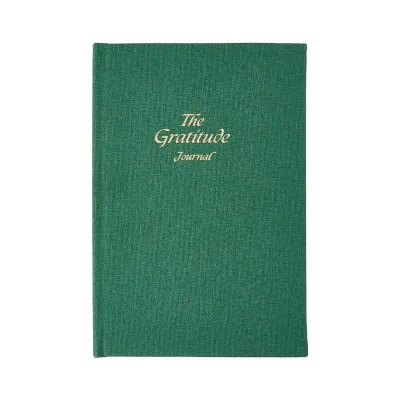
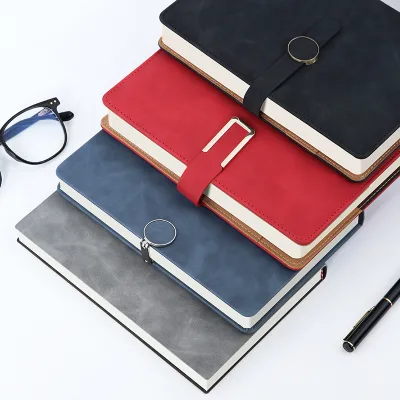
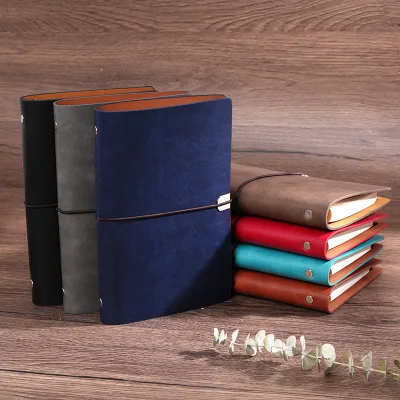
Comprehensive Sourcing Guide
Strategic Sourcing Guide for Refillable Leather Hardcover Business Journals
Understanding Product Specifications and Variability
When sourcing a Refillable Leather Hardcover Business Journal, buyers must navigate a landscape of diverse technical configurations that often overlap in marketing descriptions but differ significantly in functional utility. The core keyword implies a specific combination of durability, modularity, and aesthetic finish, yet the actual market offerings present a wide array of variations. Based on observed product data, the "leather" component is frequently described as PU or Faux PU Leather, which serves as an industrial-grade material offering a leather-like appearance at a lower cost point than genuine leather. This distinction is critical for budget-conscious procurement strategies, as the material grade directly influences the perceived value and longevity of the product.
The structural integrity of these journals is often defined by the binding method. While "Sewing Binding" is a common specification found in high-end diary styles, the specific requirement for a "refillable" system typically necessitates a "Loose Leaf" binding mechanism. This allows users to remove and replace pages, a feature explicitly listed in several product models such as the "A5 Loose Leaf Notebook." Buyers must verify that the hardcover design, often categorized under styles like "Hardcover," "Hardback," or "Magnetic," is compatible with the chosen refill system. Some models feature a magnetic closure, while others may be listed as "without Lock," which impacts the security of the contents during transport.
Size specifications are another area of significant variance. The market data indicates a prevalence of A5, A4, B5, and A6 dimensions, with A5 being a dominant standard for business use. However, the term "A5 or as required" suggests that customization is a standard expectation rather than an exception. The internal page count also varies, with observed ranges between 80 and 120 sheets. For a business journal, the paper type is a crucial technical detail; options typically include cream or white paper, which affects readability and the suitability for different writing instruments. The "Industrial" grade mentioned in product attributes suggests these items are built for volume and durability, suitable for office supplies, promotional events, and school environments, rather than luxury personal use.
Compliance, Certification, and Material Standards
In the realm of B2B procurement, particularly for items destined for Western markets, compliance and certification are non-negotiable pillars of supplier evaluation. The supply chain for leather-bound journals is increasingly scrutinized for environmental impact and ethical sourcing. A high-confidence fact observed in the product data is the presence of FSC (Forest Stewardship Council) certification. This certification is vital for buyers who prioritize sustainability, as it verifies that the paper used in the journals comes from responsibly managed forests. When evaluating potential suppliers, buyers should explicitly request FSC documentation to ensure that the "eco-friendly" claims often associated with these products are substantiated by third-party verification.
Beyond paper certification, the material composition of the cover requires careful attention. While the product listings frequently mention "Leather" or "Faux PU Leather," the term "PU" indicates polyurethane, a synthetic material. Buyers must verify the specific chemical composition and safety standards of the PU used, particularly regarding volatile organic compounds (VOCs) and heavy metals, to ensure compliance with regulations such as REACH in Europe or CPSIA in the United States. The "Industrial" grade designation implies a focus on mass production, but it does not automatically guarantee adherence to strict safety standards for consumer goods. Therefore, the procurement strategy must include a request for material safety data sheets (MSDS) and compliance certificates for the cover materials.
The origin of the products is another compliance factor. The data indicates that the primary origin for these journals is China. While this is a major manufacturing hub, it necessitates a robust due diligence process regarding labor standards and supply chain transparency. Buyers should not assume that products labeled with certifications like FSC automatically meet all local import regulations without verification. The "OEM/ODM" (Original Equipment Manufacturer/Original Design Manufacturer) capability listed in the product attributes suggests that customization is a standard service, but it also means that the final product specifications can vary widely depending on the specific order. This variability underscores the need for a clear, written specification sheet that details all material and certification requirements before production begins.
Cost Drivers and Pricing Dynamics
The pricing structure for refillable leather hardcover business journals is influenced by a complex interplay of factors, including material quality, customization levels, order volume, and logistics. The observed price range in the market spans from $0.20 to $9.25 USD, a wide disparity that reflects the difference between basic promotional items and premium, highly customized business tools. The lower end of this spectrum typically corresponds to standard A5 notebooks with minimal customization, basic PU leather covers, and standard paper quality. In contrast, the higher price points are driven by features such as magnetic closures, premium leather finishes, complex binding mechanisms, and extensive branding services.
Order volume is a primary cost driver, with Minimum Order Quantities (MOQ) ranging from 1 to 500 units. However, the data highlights a specific MOQ of 300 pieces for many models, with some requiring 500 pieces for certain customizations. This tiered pricing structure means that buyers must balance their inventory needs against the unit cost. Small orders, often accepted as low as 1 unit for samples, are available but come with a significantly higher per-unit cost. For bulk procurement, negotiating the MOQ down or consolidating orders to meet the 300 or 500-unit thresholds can yield substantial savings.
Customization is another significant cost variable. The availability of "Customized Logo," "Free Design Supplied," and "As required" color options introduces additional expenses. Printing methods such as silk screen, embossing, and gold stamping are listed as standard options, but each adds to the production cost. Gold stamping, for instance, is a premium finishing technique that will increase the unit price compared to standard silk screen printing. Furthermore, the choice of paper type and the number of sheets (80-120) directly impact the material cost. Buyers should also consider the packaging costs, as options range from simple OPP bags to more expensive gift boxes, which can add a few cents to the unit price but are essential for promotional or gifting applications.
Typical Applications and Usage Scenarios
The versatility of refillable leather hardcover business journals makes them suitable for a broad spectrum of applications, ranging from corporate gifting to educational tools. The product attributes explicitly list usage categories such as "Gift," "Office supplies," "Promotion," "School," and "Souvenir." This diversity allows buyers to target multiple market segments with a single product line, provided they select the appropriate specifications for each use case.
In the corporate sector, these journals serve as high-value promotional items or executive gifts. The "Hardcover" and "Magnetic" styles, combined with the ability to customize logos and designs, make them ideal for branding campaigns. The "eco-friendly" aspect, supported by FSC certification, is particularly appealing to companies with strong sustainability mandates. For office supplies, the "Loose Leaf" binding and "Refillable" nature offer practicality, allowing employees to update content without replacing the entire journal. This functionality is crucial for long-term business use, where durability and adaptability are key.
The educational sector also represents a significant market for these products. The "School" and "Composition book" classifications indicate suitability for students and educators. The variety of sizes, including A5 and A6, caters to different needs, from portable pocket notebooks to larger desk-bound planners. The "Cream / White Paper" options ensure good readability for writing and note-taking. Additionally, the "Industrial" grade suggests these products can withstand the rigors of daily classroom use. For souvenir and promotional purposes, the wide color palette (black, red, blue, pink, yellow, brown, grey) and customization options allow for thematic designs that align with specific events or campaigns.
Supplier Evaluation and Production Capabilities
Evaluating suppliers for refillable leather hardcover business journals requires a focus on their production capabilities, flexibility, and track record. The data indicates that suppliers generally offer OEM/ODM services, welcoming customization requests. This flexibility is a positive indicator, but buyers must assess the depth of these capabilities. Can the supplier handle complex binding requirements like "Loose Leaf" in a "Hardcover" format? Do they have the machinery for "Gold Stamping" and "Embossing," or do they outsource these processes? The presence of "Free Design Supplied" suggests that some suppliers have in-house design teams, which can streamline the development process for custom orders.
Production time is another critical factor in supplier evaluation. The observed production times range from 10 to 20 working days. A supplier offering a 10-day turnaround for a customized order demonstrates high efficiency, while a 15-20 day timeline may indicate a more traditional or less streamlined process. Buyers should verify these timelines against their specific project deadlines and consider the impact of seasonal demand on lead times. The ability to accept "Small Orders" and provide "Free Samples" is also a valuable trait, allowing buyers to test product quality before committing to large volumes.
Quality control processes should be a central part of the supplier evaluation. While the "Industrial" grade implies a focus on mass production, it does not guarantee consistent quality. Buyers should inquire about the supplier's quality assurance protocols, including inspection rates and defect tolerance levels. The availability of "DDP" (Delivered Duty Paid) and "DDU" (Delivered Duty Unpaid) shipping services indicates that the supplier has experience with international logistics, which can simplify the procurement process. However, buyers must clarify who is responsible for customs duties and potential delays, especially when shipping from China to other regions.
Quality Control and Long-Term Procurement Considerations
Ensuring the quality of refillable leather hardcover business journals requires a proactive approach to quality control (QC) throughout the procurement lifecycle. The first step is the sample approval process. Given that "Sample" options are available and can be free or negotiable, buyers should insist on receiving physical samples that match the exact specifications of the final order. These samples should be tested for durability, specifically the strength of the "Sewing Binding" or "Loose Leaf" mechanism, the flexibility of the "PU Leather" cover, and the clarity of the printing. The "Waterproof" feature mentioned in the product attributes should also be verified through practical testing, as this claim can vary significantly between suppliers.
Long-term procurement considerations involve building a sustainable relationship with suppliers who can maintain consistent quality over time. The "Customization" and "OEM/ODM" capabilities suggest that the relationship may evolve, with the buyer potentially requiring more complex designs or different materials in the future. It is essential to establish clear communication channels and documentation standards to ensure that any changes in specifications are accurately reflected in production. The "Production Time" variability observed (10 vs. 20 days) highlights the need for a reliable production schedule that accounts for potential delays.
Finally, buyers should consider the environmental impact of their procurement decisions. The "eco-friendly" and "FSC" certifications are strong indicators of sustainable practices, but they should be verified annually. As regulations and consumer expectations evolve, suppliers who can adapt their material sourcing and production processes will be better positioned to meet future demands. By focusing on these long-term factors, buyers can ensure a steady supply of high-quality, compliant, and sustainable business journals that meet their specific needs.
FAQs
What certifications do these journals typically hold?
These journals often carry FSC certification to verify responsible paper sourcing. This eco-friendly feature is a standard attribute for many models, ensuring the paper comes from managed forests. Buyers should verify this specific certification on the product page before ordering.
Which binding types are available for these notebooks?
Both Sewing Binding and Loose Leaf binding options are available depending on the model. Loose Leaf binding supports the refillable requirement, while Sewing Binding is common for diary styles. The specific binding type varies by the model number selected.
Can I order samples before placing a bulk order?
Yes, small orders and samples are accepted by many suppliers for this product. Samples can be free or negotiable, allowing buyers to test quality before committing. This is useful for verifying the PU leather finish and paper type.
What are the standard size options for these journals?
Standard sizes include A5, A4, B5, and A6 dimensions. Many suppliers offer A5 as the default but also accept custom size requests. The size selection impacts the internal page count and overall portability of the journal.
How long does production take for customized orders?
Production time typically ranges from 10 to 20 working days depending on the order complexity. Some standard models may be ready in 10 days, while others with specific customization may take up to 20 days. Lead times vary by the specific factory capacity.
What minimum order quantities are required for these items?
Minimum order quantities generally range from 1 to 500 pieces depending on the supplier and customization level. Many standard models require 300 pieces, while some specific items may need 500 pieces. Small orders are sometimes accepted for sampling purposes.
Which printing methods are supported for logo customization?
Supported printing methods include Silk screen printing, Embossing printing, and Gold Stamping. These options allow for various branding styles on the leather cover. The choice of printing method can affect the final unit cost and lead time.