Source Reinforced Frame Steel Door with Full Copper Cylinder for Villa, Commercial, and Stairway
Find 30 options for a Reinforced Frame Steel Door with Full Copper Cylinder designed for security and decoration. Compare modern entry doors with aluminum or stainless steel frames, customized sizes, and CE certification for villa, commercial, and stairway applications.
Key considerations
Products List

Heavy-Duty Double Pivot Aluminum Door with Reinforced Steel Frame
$240.00 - $550.00
MOQ: 1 Square Meters
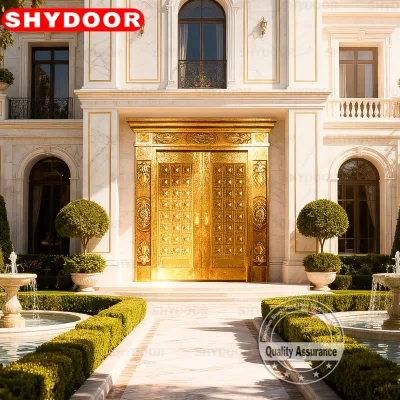

Premium Fireproof Glass Door with Durable Stainless Steel Frame
$61.00 - $120.00
MOQ: 200 Square Meters
Hunan Lianxin Chi Tai Intelligent Doors And Windows Co., Ltd.

Double-Leaf Solid Steel Fireproof Door with Reinforced Security
$70.00 - $120.00
MOQ: 20 Square Meters
Hunan Lianxin Chi Tai Intelligent Doors And Windows Co., Ltd.

Heavy-Duty Steel Door with Fire Resistance for Security
$61.00 - $120.00
MOQ: 200 Square Meters
Hunan Lianxin Chi Tai Intelligent Doors And Windows Co., Ltd.

Reinforced Double-Leaf Solid Steel Fire-Rated Door
$70.00 - $120.00
MOQ: 20 Square Meters
Hunan Lianxin Chi Tai Intelligent Doors And Windows Co., Ltd.

Premium Fire-Resistant Door with Heavy-Duty Stainless Steel Build
$90.00 - $120.00
MOQ: 20 Square Meters
Hunan Lianxin Chi Tai Intelligent Doors And Windows Co., Ltd.


High Strength Easy Maintain Modern Steel Doors for Reading Rooms
$129.00 - $189.00
MOQ: 1 Square Meters
Comprehensive Sourcing Guide
Reinforced Frame Steel Door with Full Copper Cylinder Sourcing Guide
The procurement of reinforced frame steel doors equipped with full copper cylinders requires a clear understanding of the specific security and aesthetic demands of the project. These units are primarily designed for exterior applications where high security ratings and decorative appeal are equally critical, often serving as entry points for villas, commercial buildings, and specialized areas like stairways or elevator rooms. The reinforced frame construction ensures structural integrity against forced entry, while the full copper cylinder provides a premium locking mechanism that resists corrosion and offers superior durability compared to standard brass or zinc alloys.
Buyers must distinguish between general metal doors and those specifically engineered with a reinforced frame and high-grade cylinder components. The market offers variations ranging from standard stainless steel models to those incorporating copper accents or full copper locking hardware, each serving different security tiers and design preferences. Understanding the distinction between a standard steel door and a reinforced variant is essential, as the latter typically involves thicker gauge materials and specialized framing techniques to meet higher security ratings, such as the "A" rating observed in current listings.
Product Scope and Observed Listing Signals
Current market listings indicate a diverse range of product attributes, including swing-style doors with modern design aesthetics and customizable color options. The observed product scope includes doors made from aluminum alloy, stainless steel, and copper, with some units featuring fiberglass screen netting for ventilation while maintaining security. The "jinshumen" and "bxgfhm" model identifiers suggest specific product lines that may vary in thickness, filling material, and fireproof capabilities, ranging from 30 to 90 minutes of fire resistance.
When evaluating listings, buyers should note that while some products are marketed as "Fireproof Doors" with specific filling materials, others focus on general security and decoration for villa or commercial use. The presence of "golden" color options and "customized size" specifications highlights the flexibility available in the market, but it also necessitates careful verification to ensure the specific configuration matches the project's architectural and security requirements. The "Selling Units" being a multiple of 10 suggests that bulk procurement is common, which can influence the final unit cost and lead time negotiations.
Technical Specifications to Verify
Verification of the door's physical construction is paramount, with a specific focus on the frame reinforcement and the cylinder material composition. Buyers must confirm that the door material is indeed stainless steel or a high-grade steel alloy, as some listings mention "Steely" or generic "Steel" without specifying the grade or thickness. The thickness of the door leaf, observed in the range of 40mm to 50mm, is a critical indicator of insulation and security performance, particularly for fully insulated doorsets designed to meet thermal and acoustic standards.
The locking mechanism, specifically the "full copper cylinder," requires detailed scrutiny to ensure it is not merely a cosmetic plating but a solid copper or high-copper alloy component. Buyers should verify the "Security Rating" and "Fireproof Time" specifications, ensuring they align with local building codes and the specific risk profile of the installation site. Additionally, the "Door Component" list, which includes the door leaf, frame, and architrave, must be checked to confirm that the reinforced frame is included as a complete system rather than a partial assembly.
Compliance and Safety Documentation
Compliance with international and local safety standards is a non-negotiable aspect of sourcing reinforced steel doors. The "CE" certification observed in the product data serves as a baseline indicator of conformity with European safety, health, and environmental protection requirements, but buyers must verify if this certification covers the specific model and cylinder configuration being purchased. For fire-rated applications, documentation proving the "Fireproof Time" of 30 to 90 minutes is essential, and this should be supported by independent test reports rather than manufacturer claims alone.
Safety documentation must also address the environmental and structural integrity of the materials used. The "Filling Material" described as a "New Type of Environmentall" substance requires verification of its non-toxicity and fire-retardant properties to ensure it meets modern environmental standards. Furthermore, the "Model Grade" of A, B, or C must be clearly defined in the technical data sheet, as this grading system directly correlates with the door's ability to withstand specific security threats and fire exposure scenarios.
Cost Drivers and Commercial Terms
The cost of reinforced frame steel doors with full copper cylinders is driven by several key factors, including the material grade, customization level, and the complexity of the locking mechanism. The use of stainless steel and copper significantly increases the base material cost compared to standard galvanized steel or aluminum options. Additionally, the "Customized Size" and "Customized Panel Type" options introduce variable manufacturing costs, as each unique dimension requires specific tooling and production adjustments.
Commercial terms such as the "MOQ" range of 1 to 1500 units and the "Selling Units" of multiples of 10 play a crucial role in the final pricing structure. Buyers should anticipate that smaller orders may incur higher per-unit costs due to setup fees, while larger orders might benefit from economies of scale but require longer lead times. The "Warranty" period of 5 years is a significant value indicator, suggesting manufacturer confidence in the product's durability, but the specific terms of this warranty, including coverage for the cylinder and frame, must be explicitly defined in the contract.
Supplier Qualification and Quality Control
Supplier qualification should extend beyond basic business registration to include a review of their manufacturing capabilities and quality control processes. The "Project Solution Capability" for total solutions indicates that some suppliers can handle complex projects from design to installation, which is beneficial for large-scale commercial or residential developments. Buyers should verify the "After-sale Service" provisions, such as "Online Technical Support," to ensure that any installation or maintenance issues can be resolved promptly without significant downtime.
Quality control checks must focus on the consistency of the "Surface Finishing" and the integrity of the "Reinforced Frame." Since the "Product Name" varies between "Fireproof Door" and general "Entry Door," buyers must ensure the supplier can consistently deliver the specific performance characteristics required. The "Place of Origin" in Guangdong and Chengdu, Sichuan, suggests a concentration of manufacturing hubs in China, but buyers should request factory audit reports to confirm that the production facilities adhere to the stated standards and that the "Wooden Box" packing is sufficient to prevent damage during transit.
Long-Term Procurement Checks
Long-term procurement success depends on establishing a robust relationship with suppliers who can maintain consistent quality over time. Buyers should implement a periodic review process to verify that the "Door Material" and "Cylinder" specifications remain unchanged, as material substitutions can occur without notice if not strictly controlled in the contract. The "Brand Name" SHYDOOR and other identifiers should be tracked to ensure that the products received match the original samples and technical specifications agreed upon during the initial sourcing phase.
Future-proofing the procurement strategy involves monitoring changes in security standards and fire safety regulations that may affect the required "Security Rating" or "Fireproof Time." Buyers should maintain a stock of spare parts, particularly the full copper cylinders, to facilitate quick replacements in the event of wear or damage. Regular site inspections and performance audits of installed doors will provide valuable data on the long-term durability of the reinforced frames and the effectiveness of the locking mechanisms in real-world conditions.
FAQs
What materials are used for reinforced frame steel doors?
These doors typically utilize stainless steel or aluminum alloy frames with fiberglass screen netting. The core structure is designed for security and decoration, often featuring a modern design style. Customization is available for color and size to meet specific project requirements.
Can the door color be customized for commercial projects?
Yes, the color can be customized to suit specific aesthetic needs. Options include golden finishes or other tailored shades. This flexibility supports various applications, from villas to commercial stairways and elevator rooms, ensuring the door matches the building's architectural style.
What certifications do these steel doors typically hold?
These doors often hold CE certification, indicating compliance with relevant standards. They are manufactured in China, with origins in regions like Chengdu and Guangdong. The production follows specific standards, such as square meters aluminum, ensuring quality and reliability for international buyers.
How is the thermal insulation of these doors achieved?
The doors feature fully insulated doorsets to enhance energy efficiency. The filling material is a new type of environmentally friendly substance, providing effective thermal and sound insulation. This design supports modern living standards while maintaining the structural integrity of the metal frame.
What is the warranty period for these entry doors?
The standard warranty period is five years. This coverage ensures long-term reliability for both residential and commercial applications. After-sale service includes online technical support, assisting buyers with installation or maintenance queries throughout the warranty duration and beyond.
Are these doors suitable for exterior security applications?
Yes, they are designed for exterior use with a high security rating. The open style is swing, and the opening method is push and pull. The robust construction, including stainless steel or copper components, provides reliable protection for villas and commercial buildings.