Source Reinforced Dump Truck Mesh Tarp for Transport, Agriculture, Construction
Compare 30 verified options for Reinforced Dump Truck Mesh Tarp designed for transportation, agriculture, and construction applications. Buyers can evaluate specifications including tensile strength, UV resistance, and custom dimensions from suppliers in Zhejiang, China.
Key considerations
Products List


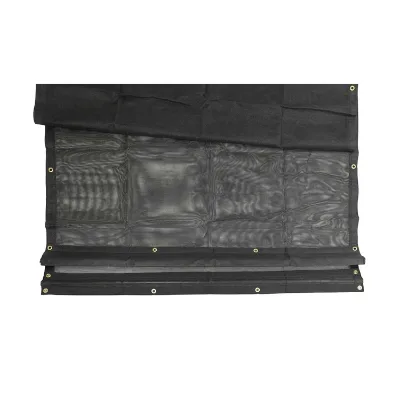
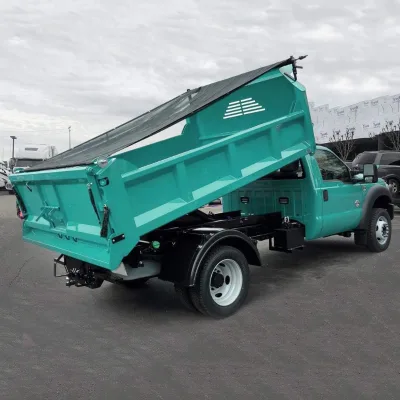
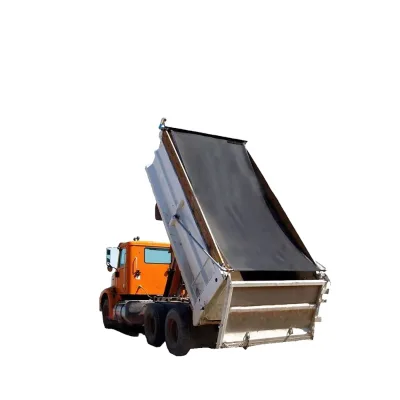
Open Top Roll-up Mesh Tarp Dumpster PVC Mesh Net Tarp Cover for Dump Truck
$10.26 - $23.76
MOQ: 100 Pieces


$440.00 - $550.00
MOQ: 10 Pieces



Comprehensive Sourcing Guide
Reinforced Dump Truck Mesh Tarp Sourcing Guide
Selecting the right tarpaulin for heavy-duty transport requires balancing durability, weather resistance, and regulatory compliance. Buyers must evaluate material composition, tensile strength, and surface treatments to ensure the product withstands the rigors of off-road and highway logistics. This guide provides a structured approach to sourcing reinforced mesh tarps, focusing on verified technical attributes and commercial realities observed in the current market.
The following sections detail the product scope, technical verification steps, compliance requirements, cost structures, supplier qualification, and long-term procurement strategies. Each section is designed to help procurement professionals make informed decisions based on observable data and industry best practices, ensuring that the selected tarpaulin meets specific operational needs without exposing the buyer to unnecessary risk or cost overruns.
Product Scope and Observed Listing Signals
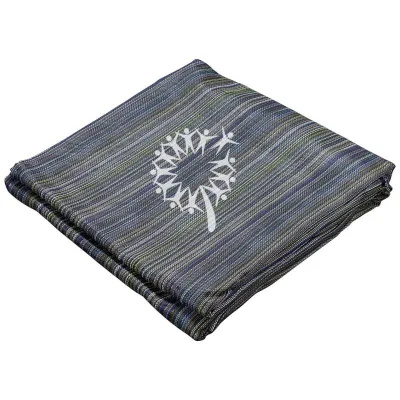
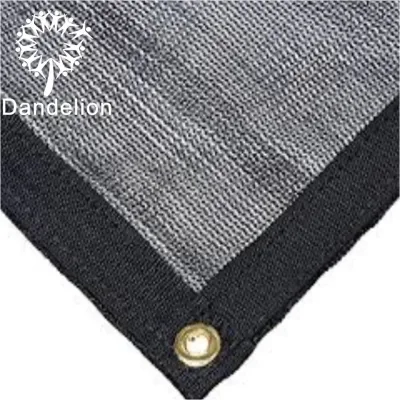
The market for reinforced dump truck mesh tarps includes a variety of configurations tailored to different vehicle types and cargo requirements. Observed listings indicate that these products are primarily designed for applications such as off-road dump trucks, box cage trailers, and pick-up cars. The material composition is predominantly PVC-coated polyester, which offers a robust balance of flexibility and strength. Some variations also include 100% polyester options with PVC lamination, catering to specific durability or weight preferences.
Listing signals reveal a wide range of specifications, including model numbers like JR250, LY-TC013, JR-T001, and TWS-Mesh Tarp. These identifiers often correspond to distinct features such as plain patterns, UV resistance, and waterproofing capabilities. The observed price range spans from $0.6 to $2400 USD, reflecting differences in material weight, thickness, and customization levels. Buyers should note that these prices are indicative and subject to change based on order volume and specific technical requirements.
Technical Specifications to Verify
Tensile strength and material weight are critical factors in determining the lifespan and performance of a mesh tarp. Observed data highlights tensile strength ratings of 1000D, which is a common benchmark for heavy-duty applications. The gram weight of the material can vary significantly, with listings showing ranges from 15 to 260 GSM. Buyers must verify that the selected weight aligns with the expected load and environmental conditions, as heavier materials generally offer greater tear resistance but may add unnecessary weight to the vehicle.
Surface treatment and UV resistance are essential for outdoor longevity. Many products feature UV-resistant coatings and treatments that extend the outdoor life to approximately three years. Additionally, features such as windproof, waterproof, tear-resistant, and anti-mildew properties are commonly advertised. Buyers should confirm that these attributes are integrated into the manufacturing process, as they directly impact the tarp’s ability to protect cargo from weather and physical damage during transit.
Compliance and Safety Documentation
While specific certification statuses are not universally listed, buyers should prioritize suppliers who can provide documentation for material safety and performance standards. The observed product standards include dimensions such as 6' * 14', 7' * 16', and 8' * 20', as well as custom sizes. It is crucial to verify that the tarp meets local transportation regulations regarding cargo coverage and visibility. Suppliers should be able to demonstrate that their products comply with relevant industry standards for tensile strength and weather resistance.
Temperature tolerance is another key compliance factor. Observed data indicates that some tarps are designed to withstand temperatures ranging from -30°C to 70°C. This range ensures that the material remains flexible and durable in extreme weather conditions, preventing cracking or brittleness in cold climates and melting or degradation in hot environments. Buyers should request test reports or manufacturer guarantees regarding temperature performance to ensure the tarp’s reliability in diverse operational settings.
Cost Drivers and Commercial Terms
The cost of a Reinforced Dump Truck Mesh Tarp is influenced by several factors, including material type, thickness, and customization requirements. Observed minimum order quantities (MOQs) range from 1 to 5000 units, with some listings specifying MOQs of 2000 meters or 500 pieces. Higher MOQs often result in lower per-unit costs, but buyers must balance this with their storage capacity and usage rates. Customization options, such as specific dimensions or branding, may incur additional charges and affect the overall price.
Lead times and payment terms are also significant commercial considerations. Observed lead times are approximately 25 days, which buyers should factor into their supply chain planning. Packaging methods vary, with options including PE kraft paper, bales, pallets, and cartons. These packaging choices can impact shipping costs and product protection during transit. Buyers should negotiate clear terms regarding delivery schedules, packaging standards, and liability for damage to ensure a smooth procurement process.
Supplier Qualification and Quality Control
Supplier qualification is essential to ensure the reliability and consistency of the product. Buyers should verify the supplier’s origin, with many observed listings indicating production in Zhejiang, China. This region is known for its textile manufacturing capabilities, but buyers must conduct due diligence to assess the supplier’s production capacity and quality control processes. Requesting samples before placing large orders is a prudent step to evaluate the material’s actual performance against advertised specifications.
Quality control measures should include checks for material consistency, stitching integrity, and coating uniformity. Buyers should inquire about the supplier’s testing protocols for tensile strength, UV resistance, and waterproofing. Establishing a clear communication channel for addressing defects or discrepancies is crucial. Suppliers who provide detailed product descriptions, including model numbers and standard dimensions, are more likely to be transparent and reliable partners in the long term.
Long-Term Procurement Checks
Long-term procurement success depends on continuous monitoring of product performance and supplier reliability. Buyers should track the lifespan of the tarps in real-world conditions, noting any issues with tearing, fading, or waterproofing failure. This data can inform future purchasing decisions and help negotiate better terms with suppliers. Regular feedback loops with the supplier can lead to product improvements and ensure that the tarp continues to meet evolving operational needs.
Building a relationship with a trusted supplier can also facilitate access to new products and technologies. Buyers should stay informed about industry trends and advancements in tarpaulin materials and treatments. This proactive approach allows for timely upgrades and adaptations to changing market demands. By maintaining a focus on quality, compliance, and cost-effectiveness, buyers can optimize their procurement strategy and ensure the long-term success of their transportation operations.
FAQs
What material is used for Reinforced Dump Truck Mesh Tarp?
The product uses PVC coated polyester or 100% polyester as the base material. This construction ensures durability for off-road dump trucks and box cage trailers while providing waterproof and UV resistant properties for long-term outdoor use.
Can the tarp be customized for specific dimensions?
Yes, customization is available for various sizes including 6' * 14', 7' * 16', and 8' * 20'. Buyers can also request custom dimensions to fit specific vehicle requirements, with options for different mesh weights ranging from 15 to 260 GSM.
How long does the Reinforced Dump Truck Mesh Tarp last outdoors?
The product offers an outdoor life of 3 years under normal conditions. It is designed to withstand temperatures between -30 and 70 degrees Celsius while preventing goods from being lost or getting wet during transportation.
What is the minimum order quantity for this tarpaulin?
The minimum order quantity varies by product model, ranging from 2000 meters to 500 pieces. Specific models like the JR-T001 require 2000 meters, while others may start at 500 pieces depending on the packaging and customization needs.
Which features protect the goods during transportation?
The tarp features windproof, waterproof, tear-resistant, and anti-UV properties to secure cargo. It also includes anti-mildew and fireproof capabilities to prevent small goods from being lost and keep them dry during transit in various weather conditions.
Where are these reinforced dump truck mesh tarps manufactured?
These products originate from Zhejiang Province in China. The manufacturing location supports the supply of various specifications including 1000D tensile strength models and custom sizes tailored for agricultural and architectural textile applications.
What is the lead time for production and delivery?
The standard lead time for production is 25 days from order confirmation. This timeline applies to orders meeting the minimum quantity requirements and allows for the necessary processing of UV treatment and coating applications.