Source Reinforced Bicycle Tire Lever for Repair, Maintenance, and Travel
Find 30 Reinforced Bicycle Tire Lever options from verified Chinese manufacturers. Compare durable nylon and plastic tools for mountain, road, and general bike repair needs. Evaluate specifications like weight, size, and OEM availability to select the right tool for your sourcing requirements.
Key considerations
Products List
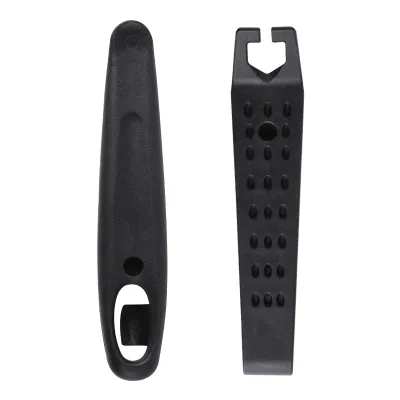
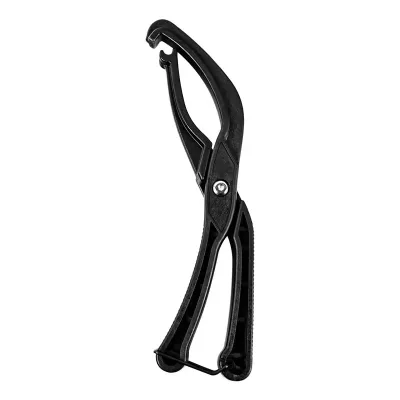
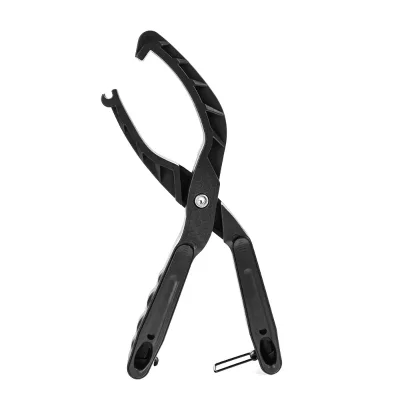
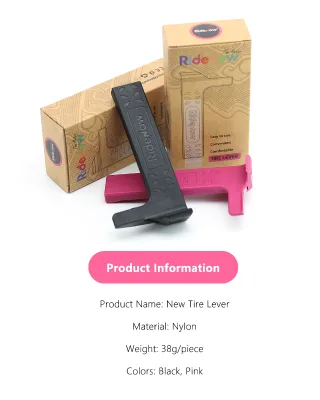


Brake Lever for Bicycle MTB Road Bike City Bike Shifter Lever Bicycle Shifter
$0.20 - $0.40
MOQ: 1000 Pieces

Comprehensive Sourcing Guide
Reinforced Bicycle Tire Lever Sourcing Guide
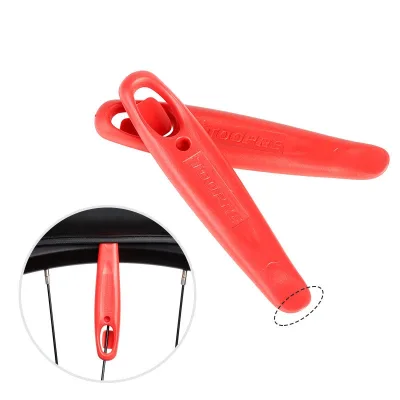
Procuring reinforced bicycle tire levers requires distinguishing between basic plastic tools and durable nylon or high-grade polymer variants designed for repeated use. The market offers distinct product profiles, ranging from lightweight single-item levers to multi-functional sets intended for professional repair environments. Buyers must carefully evaluate the material composition, as observed listings indicate a split between standard plastic and reinforced nylon options, each serving different durability expectations.
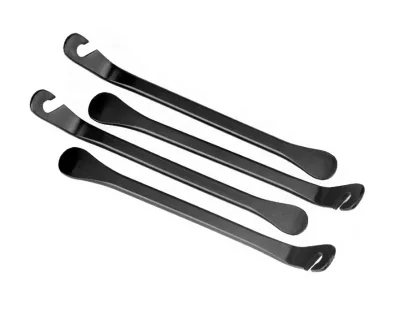
Sourcing decisions should prioritize the specific mechanical stress the tool will endure during tire mounting and dismounting. While some suppliers offer generic black levers, others provide specialized models with enhanced structural integrity, such as the multifunctional nylon pickers observed in the data. Understanding these material distinctions is critical for ensuring the tool can withstand the leverage required without snapping, which is a common failure point in lower-quality plastic alternatives.
Product Scope and Observed Listing Signals
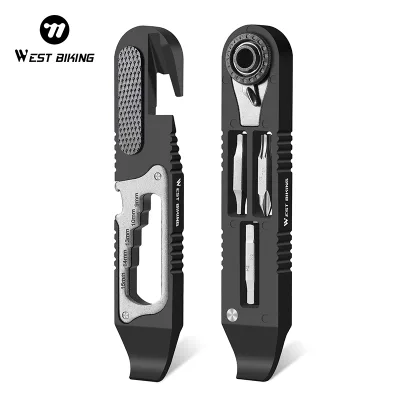
The current market presents a diverse range of tire lever configurations, including single levers, multi-functional pickers, and complete repair tool sets. Observed product names vary from simple "Bicycle Tire Lever" to "Bicycle multi-functional tire picker," indicating a spectrum of utility. Buyers should note that some listings specify a single gross weight of 0.040 kg, while others, like the multifunctional nylon models, weigh significantly more at 0.200 kg, reflecting differences in material density and structural reinforcement.
Listing signals also reveal variations in packaging and unit sales, which impact logistics and inventory planning. Some suppliers sell single items with minimal packaging, whereas others offer batch packages with dimensions like 28x27x11 cm and a gross weight of 5.000 kg. These differences suggest that procurement strategies must account for whether the buyer needs individual replacement tools or bulk inventory for a workshop, as the selling units range from single items to multiples of five.
Technical Specifications to Verify
Material composition is the primary technical differentiator, with observed listings specifying both plastic and nylon as core materials. Nylon variants are often associated with higher durability and resistance to bending, making them suitable for heavy-duty applications on mountain and road bikes. Buyers must verify the specific polymer grade used, as generic plastic levers may degrade quickly under high torque, whereas reinforced nylon tools are designed to maintain structural integrity during repeated use.
Dimensional specifications also vary significantly across the product range, influencing compatibility with different tire bead profiles. Observed sizes include compact dimensions of 117x25x8mm and larger multi-functional units measuring 22x4.5cm. The single package size can range from 12x3x2 cm to 30x20x10 cm, indicating that the physical footprint of the tool and its packaging must align with the buyer's storage constraints and the specific tire sizes they service.
Compliance and Safety Documentation
While specific certification documents were not explicitly listed in the provided product data, buyers should request material safety data sheets (MSDS) to verify the chemical composition of the plastic or nylon used. Ensuring the materials are free from harmful substances is essential for compliance with international trade regulations, particularly when exporting to markets with strict chemical safety standards. The absence of explicit certification claims in the listing signals necessitates a proactive verification step before finalizing any bulk order.
Safety documentation should also address the mechanical integrity of the tool to prevent injury during use. Since the application involves significant force to pry tire beads, the supplier must provide evidence that the levers will not shatter or snap under load. Buyers should inquire about internal quality control records that demonstrate the tool's ability to withstand stress testing, ensuring that the product meets the safety expectations of professional bicycle mechanics and enthusiasts.
Cost Drivers and Commercial Terms
Pricing in this category is influenced by material costs, with reinforced nylon tools commanding a premium over standard plastic alternatives. The observed price range of 0.1 to 5.23 USD reflects this disparity, where higher prices likely correlate with enhanced durability and multifunctional designs. Buyers must analyze the cost per unit against the expected lifespan of the tool, as investing in a slightly more expensive, durable lever can reduce long-term replacement costs and downtime.
Minimum Order Quantities (MOQ) and packaging configurations are significant commercial variables that affect the total cost of ownership. Listings show MOQs ranging from 2 pieces to 1000 pieces, with some suppliers requiring orders in multiples of five. These terms can dictate the feasibility of small-scale procurement versus large-scale distribution, requiring buyers to balance inventory holding costs with the flexibility to test different product variants before committing to a large volume purchase.
Supplier Qualification and Quality Control
Supplier location data indicates a concentration of manufacturers in Zhejiang, Jiangsu, and Shandong provinces in China, regions known for their manufacturing capabilities in bicycle accessories. Buyers should verify the specific factory location to assess logistics efficiency and potential supply chain risks. The presence of OEM and customization options suggests that many suppliers have the capacity to tailor products, but this requires a robust quality assurance process to ensure that custom specifications are met consistently.
Quality control protocols must be established to verify that the reinforced features of the tire levers are consistent across all units. Since some listings mention features like "durable" and "lightweight," these claims must be validated through physical inspection or third-party testing. Buyers should request samples to test the leverage strength and material flexibility, ensuring that the product matches the advertised specifications before scaling up the order volume.
Long-Term Procurement Checks
Sustaining a reliable supply chain for reinforced tire levers requires regular audits of supplier performance and product consistency. Over time, material batches may vary, potentially affecting the durability and performance of the tools. Establishing a schedule for periodic quality checks and re-testing of samples ensures that the product continues to meet the required standards for professional bicycle repair applications.
Market trends and product evolution should also be monitored to ensure the procurement strategy remains aligned with industry needs. As bicycle technology advances, the requirements for tire levers may shift towards more specialized designs or materials. Buyers should maintain open communication with suppliers to stay informed about new product developments, such as updated models with improved ergonomics or enhanced material properties, to maintain a competitive edge in their own operations.
FAQs
What materials are used for reinforced bicycle tire levers?
Reinforced bicycle tire levers are typically made from durable nylon or plastic. These materials provide the necessary strength to pry tires without bending. Nylon options offer flexibility, while plastic variants ensure rigidity. Both types are designed for long-term use in bicycle repair tasks, ensuring reliable performance during maintenance.
Can I customize the color of my tire levers?
Yes, many suppliers accept OEM orders for customized colors. You can choose from standard options like black or pink, or request specific branding colors. Customization is often available for bulk orders, allowing you to match your brand identity. Check with manufacturers for specific color availability and minimum order requirements for custom runs.
What is the typical MOQ for bulk tire lever orders?
The minimum order quantity varies by supplier, ranging from 2 pieces to 1000 pieces. Some vendors offer low MOQs for sampling, while others require higher volumes for production. Always verify the specific MOQ with the manufacturer. Lower MOQs are suitable for testing, while larger orders reduce per-unit costs significantly.
Where are these tire levers typically manufactured?
Most reinforced bicycle tire levers are manufactured in China, specifically in regions like Zhejiang, Jiangsu, and Shandong. These areas have established supply chains for bicycle accessories. Buyers can filter suppliers by location to manage logistics and shipping times. Origin details are usually listed in product specifications to help with sourcing decisions.
How do I choose the right size for tire levers?
Select levers based on the specific tire width and rim type. Common sizes include 117x25x8mm or 22x4.5cm. Multi-functional levers often fit various bike types, including mountain and road bikes. Check the single package size and weight to ensure they meet your storage and portability needs for effective bicycle repair.
Are these levers suitable for all bicycle types?
Many models are designed to be suitable for all bike types, including mountain, road, and hybrid bicycles. Multi-functional designs ensure compatibility with various tire profiles. However, always verify the application details in the product description. Some specialized levers may be optimized for specific rim widths or tire constructions for optimal performance.