Source Religious Ceremony Handbag Keychain for events, souvenirs, and gifts
Compare 30 verified listings for Religious Ceremony Handbag Keychain featuring PVC, metal, and leather options. Buyers can review customization, lead times, and pricing to find suitable items for events, souvenirs, and gifts.
Key considerations
Products List

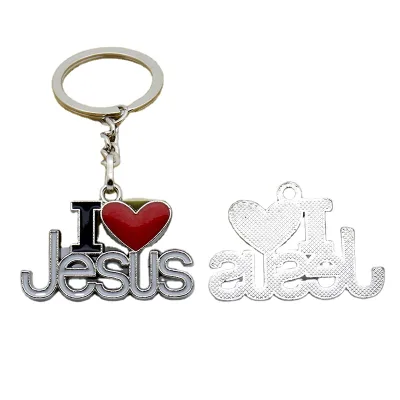

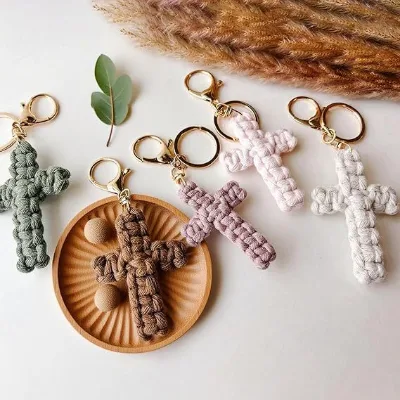


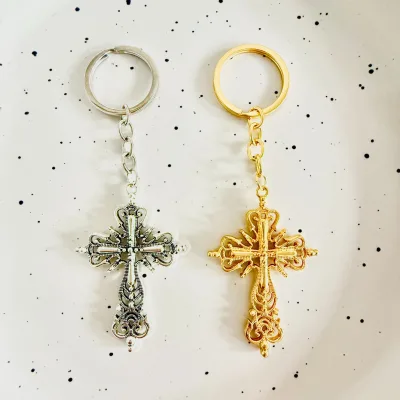
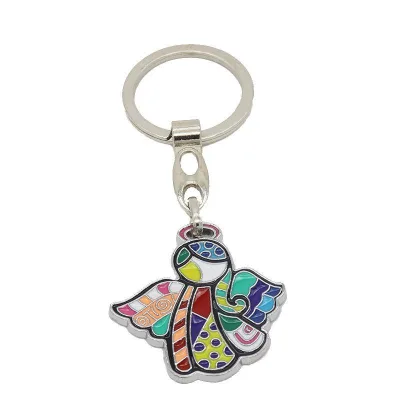
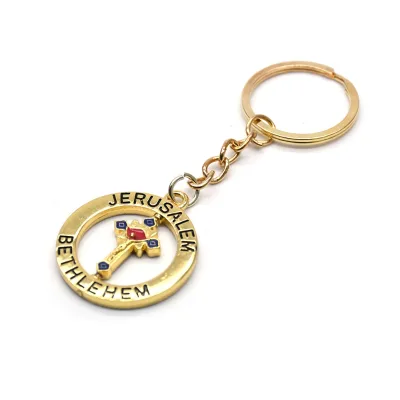
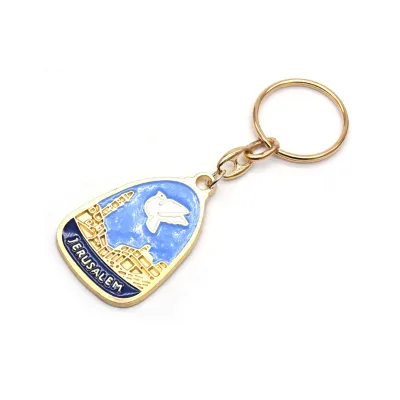
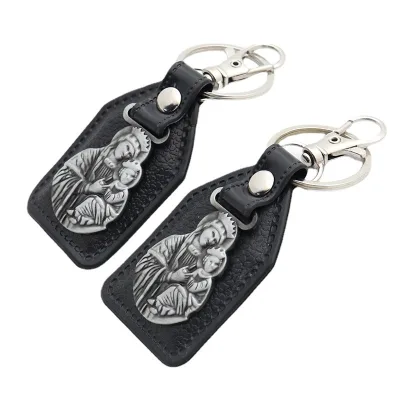


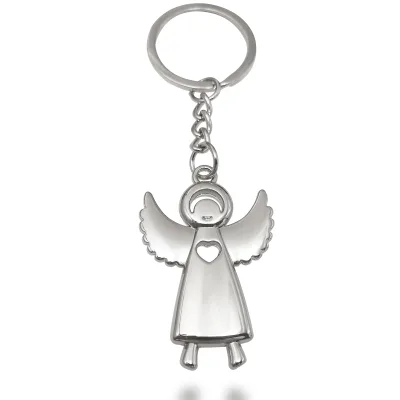


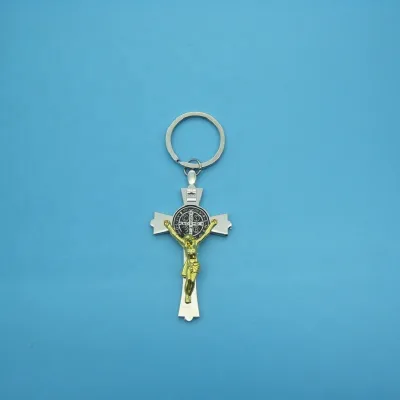
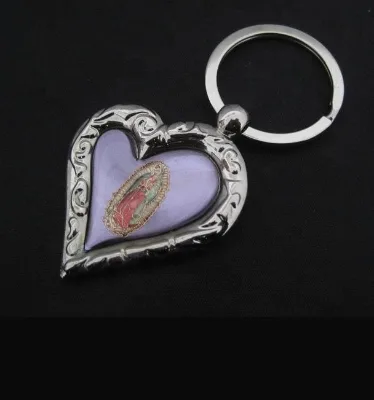
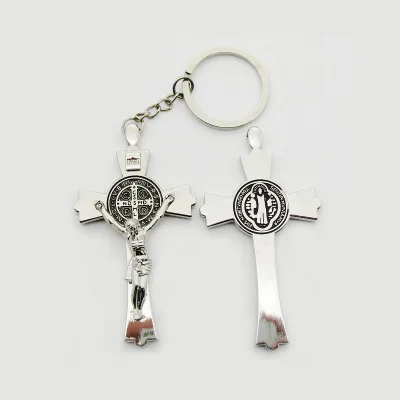


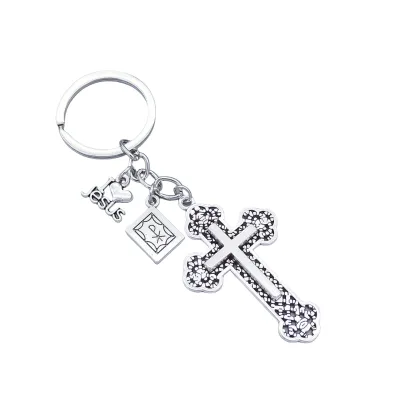
Comprehensive Sourcing Guide
Strategic Sourcing Guide for Religious Ceremony Handbag Keychains
Understanding Product Variants and Material Composition
When sourcing religious ceremony handbag keychains, buyers must first navigate the diverse landscape of materials and construction methods available in the current market. The core keyword implies a product that serves a dual purpose: a functional accessory for carrying small items and a symbolic element for religious observance. Based on available market data, the primary material categories for these items include PVC, metal alloys, and leather composites.
PVC-based keychains are frequently observed in promotional contexts. These products often feature a "Human" shape, which can be adapted to depict religious figures or symbolic icons. The material properties of PVC allow for vibrant coloring, with "Blue" being a documented color option, though the market supports a wide spectrum including "1,2,3,4,5,6" color variations. These items are typically produced using digital printing techniques, allowing for high-fidelity reproduction of religious imagery. The production process for PVC variants often involves molding, resulting in a durable yet lightweight accessory suitable for mass distribution as promotion gifts.
In contrast, metal keychains offer a more premium feel, often associated with higher perceived value in ceremonial settings. The market data indicates the use of "Alloy" and "Zinc alloy" as primary materials. These metal components are frequently created through "Die-cast" or "Engraved" processes. Die-casting allows for complex, three-dimensional shapes, while engraving provides a classic, etched look that is traditional for religious artifacts. The "Vintage" and "Cute" styles are noted design trends, suggesting that buyers can source keychains that range from solemn, traditional representations to modern, stylized interpretations. The "Irregular" shape attribute found in some listings suggests that custom, non-standard molds are available, which is critical for creating unique religious symbols that do not fit generic geometric templates.
Leather and PU leather options provide a tactile, organic alternative. These keychains, often labeled as "Leather Keychain" or "Item Name: Leather Keychain," utilize "Leather" or "PU leather" materials. The processing method for these items often includes engraving to add religious text or symbols. The "Eco-Friendly" feature is a significant attribute for buyers concerned with sustainability, and some listings explicitly claim this characteristic. The "Human" shape is also applicable to leather variants, offering a soft, textured surface for religious iconography.
| Material Type | Primary Process | Typical Shape | Common Style | Key Attribute |
|---|---|---|---|---|
| PVC | Digital Printing | Human | Fashion Trend | Eco-Friendly |
| Metal (Alloy/Zinc) | Die-cast / Engraved | Irregular / Human | Vintage | Fashion Trend |
| Leather / PU | Engraved | Human | Cute | Eco-Friendly |
Technical Specifications and Customization Capabilities
The technical specifications of religious ceremony handbag keychains are defined by their customization potential and physical dimensions. A critical requirement for buyers is the ability to tailor the product to specific religious orders, denominations, or event themes. The market data confirms that "Customization" is widely available, with options for "Customized" logos and specific branding. The "Brand Name" field often lists "other" or generic identifiers like "Kd," indicating that most suppliers operate as OEM (Original Equipment Manufacturer) partners rather than brand owners, allowing for full white-labeling.
Size specifications vary significantly based on the material and intended use. Metal keychains often have a "Single package size" of approximately 1x1x1 cm, suggesting a compact, portable design. However, other listings indicate a "Size: as show" attribute, implying that dimensions are flexible and determined by the customer's design requirements. The "prod_model" and "Model Number" fields (e.g., SR133, KD-0377, KD-0418, GJC2024072407) serve as internal references for suppliers to track specific design iterations. Buyers should verify that the chosen model number corresponds to the exact physical dimensions and weight required for their ceremony.
Weight is another technical factor to consider, particularly for handbag applications where added bulk is undesirable. The "Single gross weight" is recorded as 0.025 kg for certain metal variants, which is exceptionally light. This low weight is advantageous for distributing keychains as souvenirs or gifts, ensuring they do not burden the user's bag. The "Product Type" is explicitly identified as "Carabiner Keychain" in some listings, which suggests a functional clasp mechanism. For religious ceremonies, the clasp strength and durability are essential to ensure the keychain remains attached to the handbag or rosary throughout the event.
Customization extends beyond the physical form to include packaging. The "prod_packing" options range from simple "Poly Bag/Bubble Bag/OPP Bag" to more premium "Plastic Box/Gift Box." For religious ceremonies, the presentation is often as important as the object itself. Buyers should evaluate whether the packaging needs to be sealed for hygiene or if it requires specific branding to align with the religious organization's identity. The "Selling Units" are typically listed as "Single item," but bulk orders are accommodated with specific packing configurations, such as "200PCS/CTN" for PVC variants.
Compliance, Certification, and Regulatory Standards
Navigating the regulatory landscape is a critical step in sourcing religious ceremony keychains, particularly when these items are intended for international distribution or use in formal religious settings. The market data provides specific HS (Harmonized System) codes and standard certifications that buyers must verify. The HS code "3926400000" is explicitly associated with PVC keychains, which falls under the category of "Other articles of plastics." This classification is vital for importers to determine duty rates and ensure compliance with customs regulations in their target markets.
Regarding safety and quality standards, the "prod_standard" field lists "ce" as a documented certification. The CE mark indicates conformity with health, safety, and environmental protection standards for products sold within the European Economic Area. For buyers targeting European markets, verifying that the PVC or metal keychains carry valid CE certification is non-negotiable. However, it is important to note that not every listed product may automatically satisfy this standard; buyers must request specific test reports or certification documents from the supplier to confirm the status of the "CE" claim for the specific batch being ordered.
Beyond the CE mark, buyers should investigate material safety standards, especially for items that may come into contact with skin or be handled by children during religious education or ceremonies. While the "Eco-Friendly" attribute is mentioned in the product descriptions, this is a marketing claim that requires substantiation. Buyers should ask for documentation regarding the absence of harmful substances such as lead, cadmium, or phthalates, particularly for PVC and metal alloy products. The "Zinc alloy" and "Alloy" materials used in die-casting processes must be verified to ensure they meet international safety limits for heavy metals.
For leather and PU leather keychains, buyers should verify compliance with chemical regulations regarding tanning agents and dyes. The "Engraved" process on leather items may involve inks or adhesives that require safety testing. Additionally, the "Place of Origin" is consistently listed as "Zhejiang, China (Mainland)," a region known for high-volume manufacturing. While this location offers cost advantages, it also necessitates rigorous quality control to ensure that the "CE" and other certifications are genuine and not merely labels on the product listing. Buyers should insist on third-party laboratory test results to validate the "Eco-Friendly" and safety claims before finalizing large orders.
Cost Drivers and Pricing Dynamics
The pricing of religious ceremony handbag keychains is influenced by a complex interplay of material costs, customization complexity, and order volume. The observed price range in the market spans from $0.02 to $2.68 USD. This wide variance reflects the difference between basic, mass-produced PVC items and premium, custom-engraved metal or leather keychains. The lower end of the spectrum, around $0.02, typically corresponds to simple PVC keychains with standard shapes and minimal customization, produced in high volumes. These items are often used as low-cost promotional gifts or souvenirs for large gatherings.
Conversely, the upper end of the price range, approaching $2.68, is associated with more complex manufacturing processes. Metal keychains made from "Zinc alloy" or "Alloy" using "Die-cast" or "Engraved" techniques command higher prices due to the cost of raw materials and the precision required in the molding and finishing processes. Leather keychains, utilizing "PU leather" or genuine "Leather," also fall into the higher price bracket due to material costs and the labor-intensive nature of the "Engraved" processing. The "Vintage" and "Fashion Trend" styles often require additional finishing steps, such as plating or antiquing, which further increase the unit cost.
Order volume is a primary driver of unit price. The observed "MOQ" (Minimum Order Quantity) ranges from 1 to 100,000 units. While some suppliers accept "Small Orders" with an MOQ as low as 50 PCS, larger orders typically benefit from significant economies of scale. The "Small Orders: Accepted" attribute indicates flexibility for buyers who need to test the market or fulfill small ceremonial needs without committing to massive inventory. However, for large-scale religious events or mass distribution, buyers should negotiate based on higher volume tiers to reduce the per-unit cost.
Additional cost factors include the "Sample Lead Time" and "Delivery Date." The sample lead time is typically 5-7 days, which allows buyers to evaluate the quality and design before committing to a full order. The "Delivery Date" for bulk production ranges from 15 to 25 days, or 12-18 days for specific models. These timelines impact the overall cost structure, as expedited shipping or rush production fees may apply if the ceremony date is approaching. Buyers should also consider the cost of packaging, as upgrading from a simple "Poly Bag" to a "Gift Box" will increase the final price. The "Single gross weight" of 0.025 kg for metal items suggests that shipping costs may be relatively low for small items, but the cumulative weight of large orders must be factored into the logistics budget.
Supplier Evaluation and Operational Capabilities
Selecting the right supplier for religious ceremony handbag keychains requires a thorough evaluation of their operational capabilities, production capacity, and responsiveness. The market data indicates that suppliers are primarily located in "Zhejiang, China (Mainland)," a hub for manufacturing. Buyers should verify the supplier's ability to handle "Customization" requests, as the "Customized" attribute is a key differentiator. The "Logo: Accept Customized Logo" feature suggests that suppliers are equipped to handle branding, but buyers must confirm the supplier's capacity for high-fidelity printing or engraving to ensure the religious imagery is accurate and respectful.
Production capacity is another critical factor. The "MOQ" range of 1 to 100,000 units suggests that suppliers can accommodate both small, niche orders and large-scale distribution. However, buyers should inquire about the supplier's maximum production capacity to ensure they can meet the demand for large religious events. The "Delivery Time" of 12-18 days or 15-25 days indicates a standard production cycle, but buyers should ask about the supplier's ability to scale up production if the order volume exceeds expectations.
Quality control processes are essential to ensure that the keychains meet the high standards expected for religious ceremonies. Buyers should request information on the supplier's quality assurance protocols, including in-line inspections and final random sampling. The "CE" certification and "Eco-Friendly" claims should be backed by documented test results. Additionally, the "Product Type" and "Model Number" should be clearly defined to avoid confusion during production. The "Brand Name" being listed as "other" or "Kd" indicates that the supplier is likely an OEM partner, which is standard for this industry. Buyers should ensure that the supplier is willing to sign non-disclosure agreements (NDAs) to protect their proprietary designs and religious imagery.
Communication and responsiveness are also vital. The "Sample Lead Time" of 5-7 days demonstrates the supplier's ability to provide quick turnaround for prototypes. Buyers should evaluate the supplier's willingness to provide samples and their responsiveness to design changes. The "Small Orders: Accepted" attribute suggests a flexible approach, but buyers should confirm that the supplier treats small orders with the same level of attention to detail as large orders. Finally, buyers should verify the supplier's track record in the religious or promotional gift sector, as experience in this niche can lead to better understanding of the specific requirements and sensitivities associated with religious ceremony products.
Long-Term Procurement and Strategic Considerations
For buyers planning long-term procurement of religious ceremony handbag keychains, establishing a sustainable supply chain is paramount. The "Customization" and "Customized" attributes highlight the importance of maintaining a relationship with a supplier who can adapt to changing design trends and religious requirements. As religious practices evolve, the demand for specific shapes, such as "Human" figures or "Irregular" forms, may shift. A supplier with flexible production capabilities can help buyers stay ahead of these trends without incurring excessive retooling costs.
Sustainability is a growing concern in the procurement of religious goods. The "Eco-Friendly" feature observed in the market data suggests that buyers should prioritize suppliers who use environmentally responsible materials and processes. For PVC keychains, this may involve using recycled plastics or non-toxic dyes. For metal keychains, it may involve sourcing alloys with lower environmental impact. Buyers should request detailed information on the supplier's sustainability practices and consider incorporating these criteria into their vendor selection process.
Inventory management is another strategic consideration. The "Delivery Date" of 15-25 days allows for a reasonable lead time, but buyers should plan for potential delays, especially during peak seasons or global supply chain disruptions. Maintaining a buffer stock of keychains can ensure that religious ceremonies are not disrupted by supply shortages. The "Single package size" and "Single gross weight" data can help buyers optimize their storage and shipping logistics, reducing costs and improving efficiency.
Finally, buyers should consider the long-term value of the keychains. While the initial cost may be low, the durability and aesthetic appeal of the product can enhance the overall experience of the religious ceremony. Investing in high-quality materials, such as "Zinc alloy" or "Leather," and superior finishing techniques like "Engraving" can result in a product that is cherished by recipients and serves as a lasting symbol of the ceremony. By focusing on quality, customization, and sustainability, buyers can build a procurement strategy that supports their religious organization's mission and values for years to come.
FAQs
How can I customize the logo on these keychains?
You can accept customized logos on these keychains as customization is available. Suppliers offer digital printing and engraving processes to apply your specific branding to PVC, metal, or leather materials for your religious ceremony needs.
What materials are used for these handbag keychains?
These keychains are made from PVC, metal alloys like zinc, and leather or PU leather. The material choice depends on your desired style, such as vintage metal or eco-friendly leather, and determines the processing method like die-casting or engraving.
Which certifications are available for these products?
Some products carry the CE standard certification for safety and compliance. Buyers should verify specific test reports for the CE mark and ensure materials meet safety limits for heavy metals before ordering for international religious events.
Can I order small quantities for a single ceremony?
Yes, small orders are accepted with a minimum order quantity as low as 50 pieces. This flexibility allows buyers to test designs or fulfill specific event needs without committing to large bulk inventory volumes immediately.
How long does it take to receive samples?
Sample lead time is typically between 5 to 7 days for production. This allows you to evaluate the quality of the PVC, metal, or leather keychains before committing to a larger bulk order for your religious ceremony.
What is the typical delivery time for bulk orders?
Delivery dates generally range from 12 to 25 days depending on the specific model and order volume. Buyers should plan their religious event schedule around these timelines to ensure the keychains arrive before the ceremony begins.
Where are these keychains manufactured?
The products originate from Zhejiang, China (Mainland), a major manufacturing hub. This location supports high-volume production capabilities for various materials including PVC, alloy, and leather with established customization and packaging workflows.