Source Religious Jesus Charms for Prayer, Statues, and Rosaries
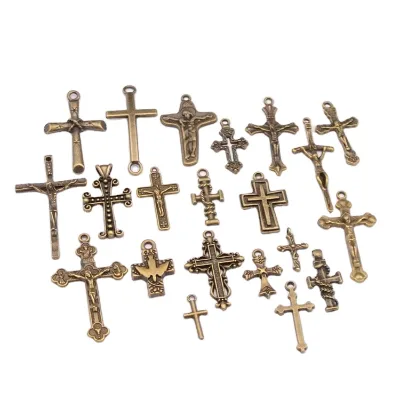
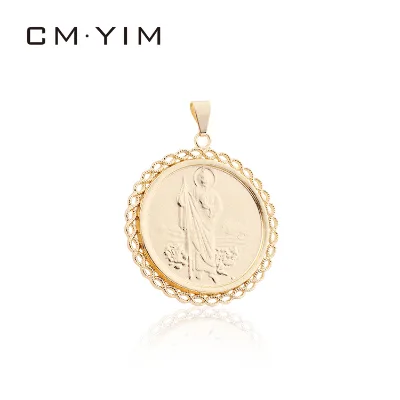
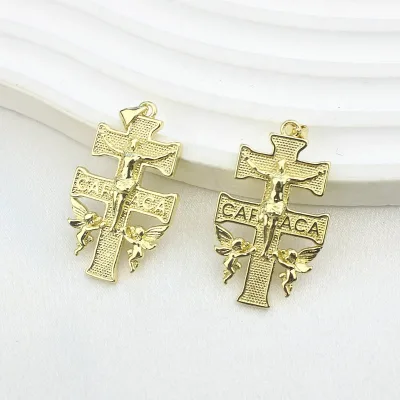
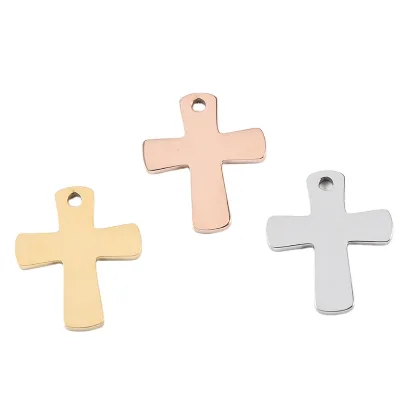
Find 30 options for Religious Jesus Charms suitable for prayer applications, statue decorations, and rosary chains. Compare zinc alloy and brass materials with antique copper or gold plating to select the right pendants for your needs; compare the available evidence and request quotations based on your requirements.
Key considerations
Products List

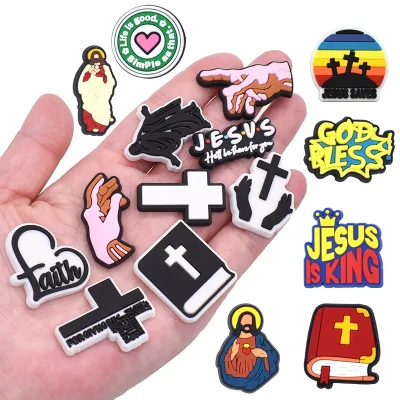
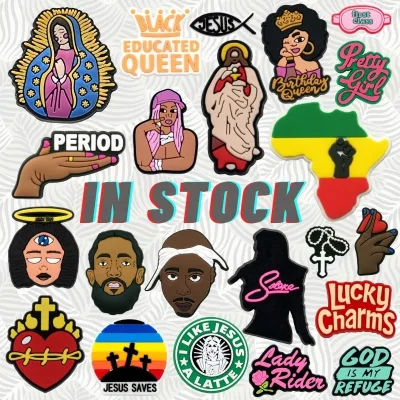
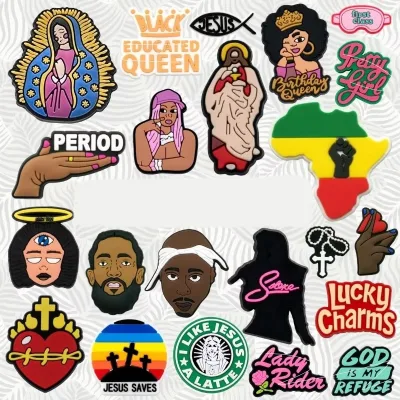
Jesus Christian Shoe Charms for Croc Clogs, God Blessed Faith Croc Charms
$0.07 - $0.10
MOQ: 1000 Pieces
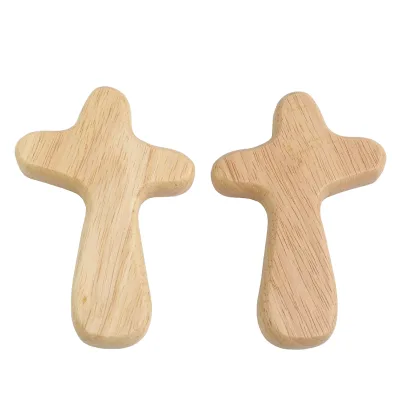
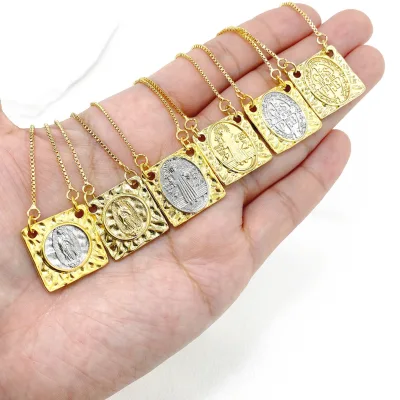
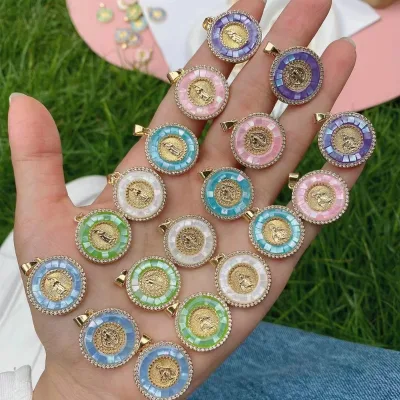
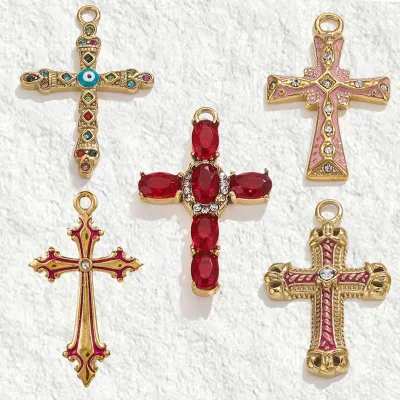
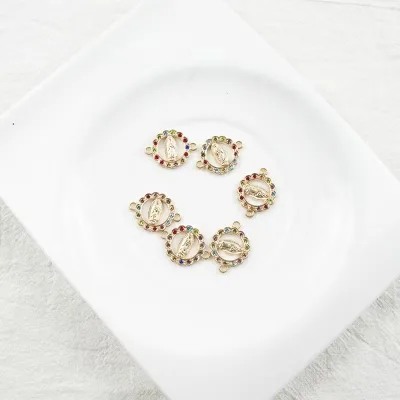
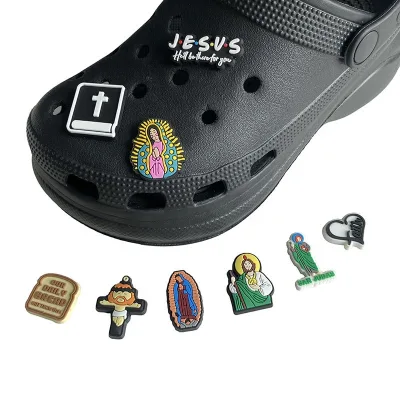


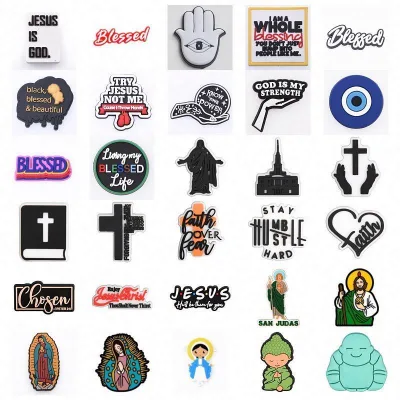


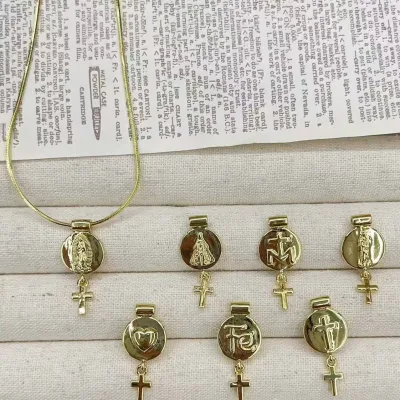

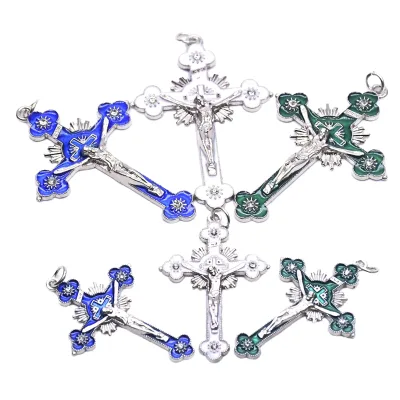


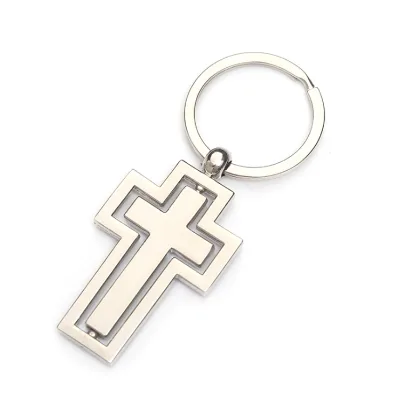


Comprehensive Sourcing Guide
Religious Jesus Charms Sourcing Guide
Procurement of Religious Jesus Charms requires distinguishing between general shoe decorations and specific devotional items, as the market often blends these categories. While some listings describe unisex charms suitable for sandals and Crocs with mixed colors, other entries explicitly define products as rosaries or prayer statues with specific religious types like Tibetan Buddhism. Buyers must carefully verify if the item is intended for casual footwear decoration or for genuine liturgical use, as the material composition and design intent differ significantly between these applications.
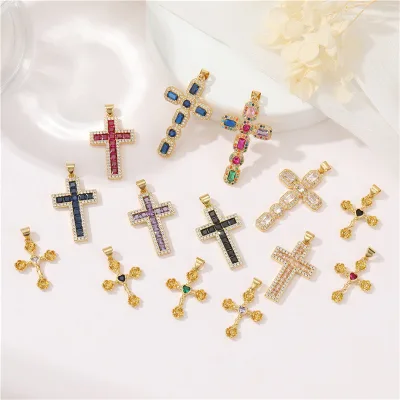
The observed product range includes zinc alloy and brass pendants with antique copper or gold plating, alongside rubber-based shoe ornaments. Some items feature micro-insert inlay technology and are marketed with a vintage or trendy style, while others are strictly defined as metal crosses for prayer statues. This diversity means that a single supplier may offer both secular fashion accessories and sacred religious artifacts, requiring the buyer to confirm the specific application before placing an order to ensure the product aligns with the intended spiritual or decorative purpose.
Product Scope and Observed Listing Signals
Buyers should scrutinize the "Applicable User" and "Suitable for" fields to determine if the charm is designed for general footwear or specific religious rituals. The data indicates products suitable for all ages and sandals, yet other entries specify usage for statues and prayer applications. This distinction is critical because charms intended for shoe decoration may lack the durability or symbolic depth required for religious ceremonies, whereas items labeled as rosaries or prayer statues are constructed for devotional handling.
Listing signals such as "Mixed Color" or "Yellow" plating often accompany fashion-oriented shoe charms, while "Religious Type" and "Jewelry Type" tags point toward devotional inventory. The presence of "Tibetan Buddhism" as a religious type alongside "Jesus" keywords suggests a complex market where suppliers may bundle diverse religious items. Procurement teams must verify that the specific charm design matches the intended faith tradition, as the visual style and material finish can vary widely between secular fashion trends and traditional religious iconography.
Technical Specifications to Verify
Material composition is a primary verification point, as listings show variations between rubber, zinc alloy, brass, and general metal types. For religious charms intended for long-term wear or handling, the base metal and plating quality, such as antique copper or gold plating, determine durability and resistance to tarnish. Buyers should request detailed material certificates to confirm that the jewelry main material matches the description, ensuring the item will not degrade quickly when exposed to moisture or frequent handling during prayer or daily wear.
Dimensional and weight specifications also require strict validation to ensure the product fits the intended use case. Observed single package sizes range from 5x5x5 cm to 7.3x10.9x1.5 cm, with weights varying from 9 grams to 0.036 kg. These physical attributes influence the final product's feel and suitability; a heavy metal cross may be appropriate for a statue but too cumbersome for a shoe charm. Procurement teams must confirm that the single gross weight and package dimensions align with the logistical requirements and the tactile expectations of the end-user.
Compliance and Safety Documentation
Safety compliance is essential when sourcing items that may be handled by children or used in close proximity to the body. Although some listings mention "environmental" quality, specific certification types are often listed as "other" rather than providing explicit test reports. Buyers must verify that the plating and metal alloys comply with international safety standards for jewelry, particularly regarding lead and cadmium content, to ensure the product is safe for all ages and does not pose a health risk during prolonged contact.
Documentation regarding the origin and manufacturing process is equally critical for establishing supply chain transparency. The products originate from Zhejiang, China, and some suppliers offer sample and mold-making services, which can be leveraged to verify production quality before mass production. Buyers should request proof of origin and any available quality control records to ensure that the manufacturing process adheres to ethical labor standards and that the "As description" standard is met with consistent quality across all units in the order.
Cost Drivers and Commercial Terms
Pricing and minimum order quantities (MOQ) are significant factors that vary based on the complexity of the design and the material used. The observed price range spans from $0.05 to $5, with MOQs ranging from 1 to 1000 units, and some specific listings citing an MOQ of 500 pieces. These variations reflect the difference between simple rubber charms and more complex metal pendants with intricate plating or inlay technology, requiring buyers to balance unit cost against the total volume needed for their specific project.
Commercial terms such as packaging and shipping logistics also impact the total cost of ownership. Products are typically packed in polybags within cartons, with single package sizes affecting shipping efficiency. Buyers should negotiate based on the specific model number and packaging requirements to optimize freight costs, especially when importing from China. Understanding the relationship between the selling unit, single package size, and total carton volume is essential for accurate budgeting and inventory planning.
Supplier Qualification and Quality Control
Supplier capability is often indicated by the availability of sample and mold-making services, which allows buyers to validate the product before committing to a large order. The presence of specific model numbers like WC31014 or P8-C-0001 suggests a structured production line, but buyers must confirm that the supplier can consistently reproduce the requested style, whether it is vintage, trendy, or strictly religious. Verifying the supplier's ability to maintain the "environmental" quality claim and specific plating standards is a key step in the qualification process.
Quality control protocols should focus on the consistency of the plating and the integrity of the inlay technology. Since the market includes items with micro-insert inlay and various plating types, visual inspection of samples is necessary to ensure the finish is even and the details are sharp. Buyers should establish clear acceptance criteria for defects such as loose plating or misaligned shapes, ensuring that the final shipment meets the aesthetic and functional standards required for both decorative and religious applications.
Long-Term Procurement Checks
Sustaining a reliable supply chain for religious charms requires ongoing monitoring of material consistency and design fidelity over time. As trends shift between vintage and trendy styles, suppliers must demonstrate the ability to adapt while maintaining the core religious symbolism and structural integrity of the product. Regular audits of the production process and material sourcing will help ensure that the zinc alloy, brass, or rubber components remain consistent with the initial samples and do not degrade in quality as order volumes increase.
Long-term success also depends on maintaining clear communication regarding customization and order specifications. Since customization is available, buyers should establish a formal process for approving design changes or new religious motifs to prevent misunderstandings. Continuous feedback loops with the supplier regarding the "As description" standard and any emerging compliance requirements will help mitigate risks and ensure that the procurement of Religious Jesus Charms remains efficient and aligned with the buyer's brand values.
FAQs
What materials are used for Religious Jesus Charms?
These charms are primarily crafted from zinc alloy and brass, featuring antique copper or gold plating for a vintage aesthetic. The jewelry main material ensures durability while maintaining a lightweight profile suitable for everyday wear. Some designs incorporate micro insert inlay technology to enhance visual appeal and texture without adding significant bulk to the final product.
Can these Religious Jesus Charms be customized?
Yes, customization is available for buyers seeking specific designs or branding. Suppliers offer both sample making and mould making services to accommodate unique requirements. This flexibility allows purchasers to tailor the appearance, such as the cross shape or Tibetan Buddhism religious type, ensuring the final product aligns precisely with their market needs and aesthetic preferences.
What is the typical MOQ for ordering Religious Jesus Charms?
The minimum order quantity typically starts at 500 pieces, though some listings may accept orders as low as one unit for sampling. Buyers should verify specific MOQ requirements with suppliers, as these can vary based on customization needs and production capacity. Bulk orders often benefit from more competitive pricing structures and streamlined logistics for international shipping.
How are Religious Jesus Charms packaged for shipment?
Products are generally packed in polybags individually, then consolidated into cartons for bulk shipping. This packaging method protects the delicate plating and intricate details during transit. The single package size is approximately 7.3 by 10.9 by 1.5 centimeters, ensuring efficient space utilization in shipping containers while maintaining product integrity upon arrival at the destination port.
Are these charms suitable for all ages?
Yes, the charms are designed as unisex accessories suitable for all ages, including boys, teens, and men. They are versatile enough for use as shoe decorations, croc charms, or prayer rosaries. The durable metal construction and secure attachment methods make them appropriate for various applications, from casual fashion statements to meaningful religious tokens for daily wear.
What is the origin of these Religious Jesus Charms?
These items originate from Zhejiang, China, a region known for its robust manufacturing capabilities in jewelry and accessories. The production process adheres to environmental quality standards, ensuring responsible manufacturing practices. Buyers can expect consistent quality and reliable supply chains from this origin, which is a major hub for exporting decorative metal goods to global markets.