Source Replica Lexus Alloy Wheel for Passenger Cars, SUVs, and Trucks
Compare 30 listings for Replica Lexus Alloy Wheel options including various sizes, finishes, and certifications. Buyers can evaluate specifications like PCD, material, and drive wheel compatibility to find suitable aftermarket rims for passenger cars and 4x4 vehicles.
Key considerations
Products List


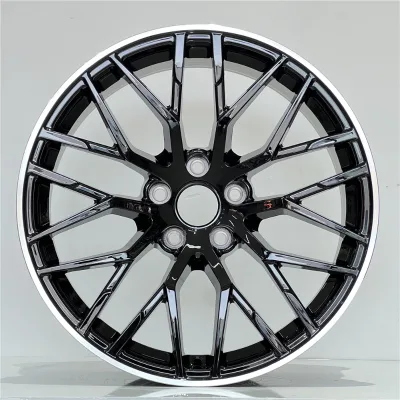
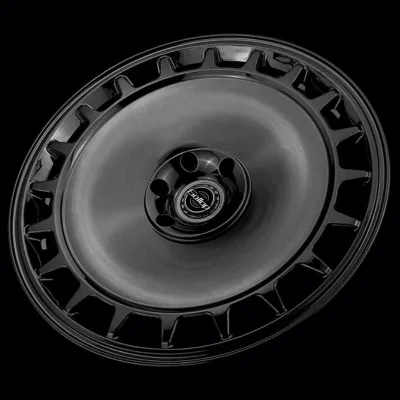


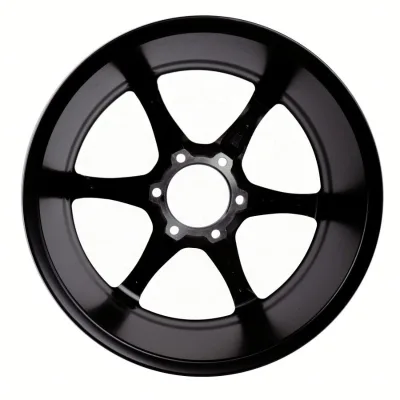
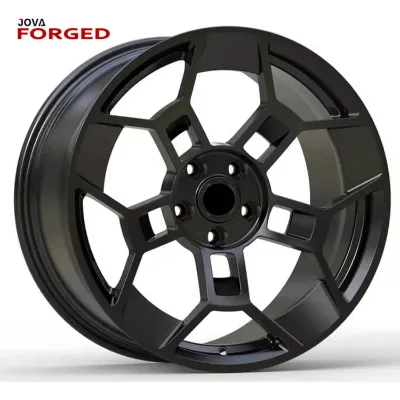


Comprehensive Sourcing Guide
Strategic Sourcing Guide for Replica Lexus Alloy Wheels
Understanding Product Specifications and Variability
When sourcing replica Lexus alloy wheels, buyers must first navigate a landscape defined by significant variability in technical specifications. The market does not offer a single monolithic product; rather, it presents a diverse array of models designed to mimic specific aesthetic and functional profiles. Based on available product data, the core material composition for these wheels is predominantly aluminum or alloy, a standard choice that balances weight reduction with structural integrity. The finishing processes observed include black coatings, which are popular for achieving a modern, aggressive look often associated with luxury performance vehicles.
The dimensional specifications are equally critical and vary widely across different listings. The wheel hub diameter ranges from 16 to 20 inches, with specific model numbers indicating sizes such as 17x7.5 and 20x10. The broader market data suggests a diameter range extending from 12 inches to 26 inches, covering a vast spectrum of vehicle requirements. Width specifications also fluctuate, with observed ranges from 8 to 12 inches. Buyers should note that specific model identifiers, such as KTA02, KTA22, and various numerical codes like 1354 or 816-818, correspond to distinct design profiles. These identifiers are essential for matching the wheel to the correct vehicle application, particularly for aftermarket and 4x4 alloy wheel configurations.
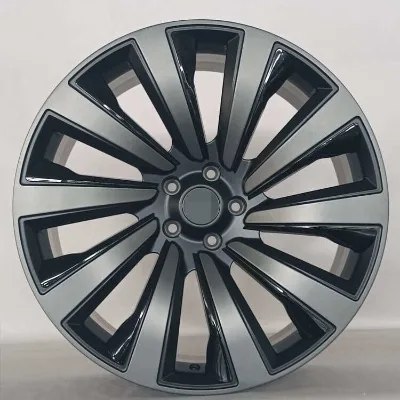
The spoke design is another key differentiator. The observed data highlights two primary types: equal diameter spokes and flat spokes. These design choices directly influence the visual weight and aerodynamic profile of the wheel. Furthermore, the wheel accessories available often include wheel covers and wheel spokes, which may be sold as separate components or integrated into the final assembly. The PCD (Pitch Circle Diameter) is a crucial fitment parameter, with observed ranges spanning from 100mm to 143.1mm, or offering customized options to accommodate specific vehicle hubs. Understanding these granular details is the first step in ensuring that the selected replica wheels are not only aesthetically appropriate but also mechanically compatible with the target vehicle platform.
Compliance and Certification Verification
In the realm of aftermarket automotive components, particularly wheels, compliance with international standards is non-negotiable for safety and legal liability. The supply chain for replica alloy wheels often involves manufacturers that seek to validate their products through recognized certification bodies. The observed data indicates that suppliers frequently list certifications such as ISO, TUV, DOT, and VIA. These acronyms represent distinct regulatory frameworks: ISO generally refers to quality management systems, TUV is a German technical inspection association known for rigorous safety testing, DOT indicates compliance with U.S. Department of Transportation standards, and VIA is a Japanese certification body.
Buyers must treat these certifications as observations rather than automatic guarantees of universal compliance for every listed item. The presence of "ISO" and "DOT" on a product listing suggests a baseline adherence to quality and safety protocols, but the specific scope of these certifications must be verified. For instance, a wheel intended for high-speed highway use requires different validation than one designed for off-road 4WD applications. The data shows variations in certification combinations, such as "ISO, TUV, DOT" or "TUV, VIA, DOT," indicating that different product lines may target different regional markets.
It is imperative for procurement teams to request valid, current certificates for the specific model number being ordered. Relying on general supplier claims without verifying the certificate's validity for the specific SKU can lead to significant risks. The absence of a specific certification in a listing does not necessarily mean the product is non-compliant, but it does require a higher level of due diligence. Buyers should verify that the manufacturing facility holds the necessary ISO standards, such as ISO 9001, which is a common background standard for quality management, though specific test results for impact and fatigue must be confirmed through the supplier's documentation.
Cost Drivers and Pricing Structures
The pricing for replica Lexus alloy wheels is influenced by a complex interplay of factors, including material costs, manufacturing complexity, and order volume. The observed price range in the market spans from $25 to $340 USD per unit. This wide disparity reflects differences in wheel size, design intricacy, and the level of finishing applied. Smaller diameter wheels or those with simpler spoke designs tend to cluster at the lower end of the spectrum, while larger, more complex 4x4 alloy wheels with specialized finishes command higher prices.
A significant driver of cost is the Minimum Order Quantity (MOQ). The data indicates an MOQ range from 1 to 120 units, with specific listings showing an MOQ of 4 pieces. Suppliers often structure their pricing tiers to incentivize larger orders. A buyer purchasing a single unit may face a premium price, whereas a bulk order of 120 units could access a significantly lower per-unit cost. Additionally, the customization factor plays a role in pricing. While customization is listed as available, any deviation from standard models—such as unique PCDs, specific finishes, or custom packaging—will likely incur additional tooling or setup fees.
Packaging also contributes to the overall cost structure. The observed packing details include "Carton," "Carton Box," and "Normal Packaging." Standard packaging is typically included in the base price, but specialized packaging requirements or the need for reinforced crates for international shipping may add to the final landed cost. Buyers should also consider the lead time implications on cost. The data shows a delivery time of 7 days if the item is in stock, versus 20-40 days after receiving an order. Rush orders or production runs that require extended lead times may affect the total procurement budget, especially if expedited shipping is required to meet project deadlines.
Typical Applications and Drive Compatibility
Replica alloy wheels are designed to serve a variety of automotive applications, with a primary focus on passenger cars and specific utility vehicles. The product data explicitly categorizes these wheels for "Passenger Car Use" and "Fj Wheels," indicating a strong alignment with popular SUV and crossover platforms. The drive wheel configuration is another critical application factor. The observed data lists both RWD (Rear-Wheel Drive) and 4WD (Four-Wheel Drive) configurations. This distinction is vital because the load-bearing requirements and torque specifications for 4WD vehicles differ significantly from standard passenger cars.
The versatility of these wheels is further demonstrated by the wide range of wheel diameters available, from 12 inches to 26 inches. This range allows buyers to source wheels for compact city cars, mid-size sedans, and large luxury SUVs. The specific model numbers, such as "LG03-04" or "BT-24," often correspond to specific vehicle generations or popular aftermarket trends. For example, models labeled as "Replica alloy wheel" or "4X4 Alloy Wheel" are specifically engineered to meet the aesthetic and performance expectations of owners looking to upgrade their vehicle's appearance without compromising on fitment.
When evaluating applications, buyers must ensure that the wheel's PCD and hub diameter match the vehicle's specifications exactly. The observed PCD range of 100mm to 143.1mm covers most common vehicle platforms, but the "Customized" option suggests that non-standard fitments are possible. This flexibility is particularly useful for buyers sourcing wheels for fleet vehicles or specific niche markets where standard off-the-shelf options may not exist. The condition of the wheels is consistently listed as "New," ensuring that buyers receive products ready for immediate installation without the need for refurbishment.
Supplier Evaluation and Origin Considerations
Evaluating suppliers for replica alloy wheels requires a focus on transparency, location, and operational capacity. The primary place of origin for the observed products is China, with specific mentions of Hunan as a production hub. This geographic concentration suggests a mature supply chain with established logistics networks, but it also necessitates careful vetting of individual suppliers. Buyers should verify the supplier's ability to provide consistent quality across different batches, as manufacturing standards can vary between facilities even within the same region.
The availability of customization is a key indicator of a supplier's flexibility and technical capability. Suppliers that offer customization in PCD, finish, and design are better positioned to meet the specific needs of B2B buyers than those offering only standard catalog items. However, the extent of customization should be clearly defined in the contract to avoid scope creep or unexpected costs. The lead time data, ranging from 7 days for stock items to 20-40 days for custom orders, provides insight into the supplier's inventory management and production capacity. Suppliers with shorter lead times for custom orders may have more efficient processes or larger raw material inventories.
When assessing suppliers, buyers should also look for evidence of robust quality control systems. While specific test results are not provided in the general data, the presence of certifications like TUV and DOT implies that the supplier has undergone external audits. Buyers should request references or case studies from previous B2B clients to gauge the supplier's reliability in meeting delivery schedules and maintaining product quality. The packing details, such as the use of cartons or carton boxes, should be evaluated to ensure they meet the requirements for international shipping and protection against damage during transit.
Quality Control and Long-Term Procurement Strategy
Implementing a rigorous quality control (QC) protocol is essential when sourcing replica alloy wheels to mitigate the risks associated with aftermarket automotive parts. Given the wide range of specifications and the potential for variation in manufacturing processes, buyers should establish clear acceptance criteria before production begins. This includes verifying the material composition (aluminum or alloy), checking the finishing quality for defects like scratches or uneven coating, and confirming the dimensional accuracy of the hub diameter and PCD.
Long-term procurement considerations extend beyond the initial purchase. Buyers should develop a relationship with suppliers that offers stability in pricing and consistent quality over time. The observed MOQ range of 1 to 120 units suggests that suppliers are willing to accommodate both trial orders and large-scale contracts. However, buyers should negotiate terms that allow for scalability, ensuring that the supplier can increase production capacity as demand grows without compromising quality. The standard packing dimensions, such as 460mm x 460mm x 220mm or 55 x 55 x 28, should be factored into logistics planning to optimize container loading and reduce shipping costs.
Furthermore, buyers must consider the lifecycle of the product. Replica wheels are subject to wear and tear, and the quality of the alloy and finishing will determine their longevity. Regular inspections of received goods should be conducted to identify any recurring quality issues. If a specific model, such as the "1354" or "816-818" series, shows signs of premature failure, the buyer should be prepared to switch suppliers or adjust specifications. By maintaining a proactive approach to quality control and supplier management, buyers can ensure a steady supply of high-quality replica Lexus alloy wheels that meet the expectations of their end customers.
Summary of Key Sourcing Parameters
To facilitate quick decision-making, the following table summarizes the critical parameters observed in the market for replica Lexus alloy wheels. This data serves as a reference point for buyers to validate supplier claims and align their procurement strategies with market realities.
| Parameter | Observed Range / Options | Verification Requirement |
|---|---|---|
| Material | Aluminum, Alloy | Request material test reports |
| Diameter | 12" to 26" (Common: 16"-20") | Match vehicle hub specs |
| Width | 8" to 12" | Verify fitment with tire size |
| PCD | 100mm - 143.1mm or Custom | Confirm exact vehicle PCD |
| Certifications | ISO, TUV, DOT, VIA | Validate specific certificate for SKU |
| MOQ | 1 - 120 units (Common: 4 pcs) | Negotiate tiered pricing |
| Lead Time | 7 days (Stock) to 40 days (Custom) | Plan production schedule accordingly |
| Origin | China (e.g., Hunan) | Verify factory location and audit |
| Finish | Black, Custom | Inspect sample for coating quality |
| Packing | Carton, Carton Box | Ensure damage-free transit |
By adhering to these guidelines and maintaining a disciplined approach to verification, buyers can successfully navigate the complex market for replica Lexus alloy wheels, ensuring they secure high-quality products that meet both aesthetic and safety standards.
FAQs
What certifications do replica lexus alloy wheels typically have?
These wheels often carry ISO, TUV, DOT, and VIA certifications. Buyers must verify that the specific certificate applies to the ordered model number, as compliance varies by product line and target regional market.
Which materials are used for replica lexus alloy wheels?
The primary materials observed are aluminum and alloy. These materials are selected to balance weight reduction with structural integrity, ensuring durability for both passenger car use and 4WD applications.
Can I customize the PCD and finish of these wheels?
Customization is available for PCD ranging from 100mm to 143.1mm and specific finishes like black. Any deviation from standard models may incur additional tooling fees and extend the production lead time.
What is the typical lead time for replica lexus alloy wheels?
Delivery takes 7 days if items are in stock, or 20-40 days after receiving an order for custom production. Buyers should account for this variance when planning their procurement schedules.
How do pricing and MOQ vary for these alloy wheels?
Prices range from 25 to 340 USD with MOQs between 1 and 120 units. Larger orders often access lower per-unit costs, while single-unit purchases may face premium pricing due to setup requirements.
Where are replica lexus alloy wheels typically manufactured?
Products originate from China, with specific production hubs noted in Hunan. Buyers should evaluate supplier capacity and quality control systems within this region to ensure consistent product standards.