Source Replacement Medical Battery for Syringe Pumps and Ventilators
Explore 30 verified options for replacement medical battery solutions tailored for critical care devices. Buyers can compare specifications, discharge rates, and capacities across Ni-MH, Ni-CD, and Li-ion packs from Chinese manufacturers to find the right fit for their equipment; compare the available evidence and request quotations based on your requirements.
Key considerations
Products List


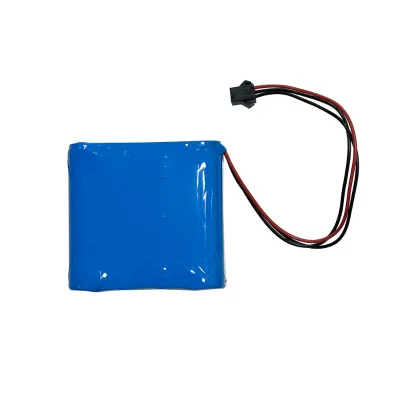


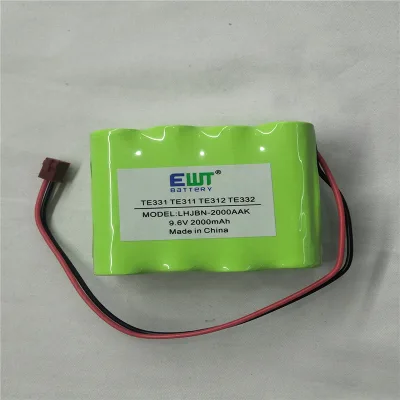


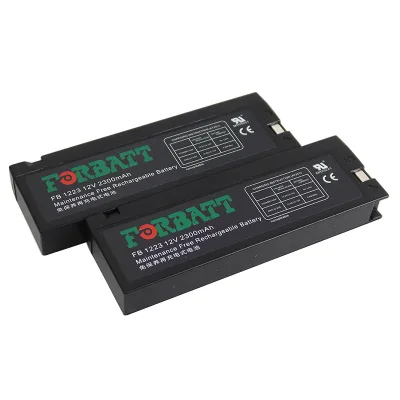


Comprehensive Sourcing Guide
Replacement Medical Battery Sourcing Guide
The market for replacement medical batteries presents a diverse array of options ranging from Ni-MH and Ni-CD packs to advanced Lithium-Ion solutions tailored for critical care equipment. Buyers must navigate a landscape where specific models like the HYHB-1172 and ECG-901A coexist with generic Lithium Ion Battery units, each serving distinct operational needs in hospital environments. Understanding the fundamental chemistry and form factor is the first step in ensuring compatibility with existing medical devices without risking equipment failure or patient safety.
Procurement decisions should prioritize the specific discharge rate and voltage requirements of the target device, as observed listings indicate a split between low and medium discharge capabilities. While some units are explicitly designed for high-drain applications like defibrillators, others serve lower-power monitoring systems. Buyers must verify that the selected battery pack matches the original equipment manufacturer's specifications regarding voltage, such as the 10.8V or 14.4V options found in current catalogs, to prevent underperformance or premature failure during critical procedures.
Product Scope and Observed Listing Signals
Current market listings reveal a wide spectrum of product types, including rechargeable and non-rechargeable variants, which significantly impacts the total cost of ownership and operational workflow. The observed data highlights specific models like the AED battery and the 22-4050-51 lithium battery, indicating that suppliers often stock specialized packs for devices such as syringe pumps and ventilators. Buyers should carefully distinguish between these specialized medical-grade packs and general-purpose battery solutions to ensure the product meets the rigorous reliability standards required in healthcare settings.
Physical dimensions and packaging styles also vary considerably, with standard sizes ranging from compact 67x47x36mm units to larger 140x70x43mm configurations. The presence of brown boxes, cartons, and individual packages suggests that suppliers offer different levels of protection and logistics support depending on the order volume. Procurement teams must align their storage and handling capabilities with the specific packaging requirements of the chosen battery type, ensuring that the physical attributes of the product do not create logistical bottlenecks in the supply chain.
Technical Specifications to Verify
Voltage and capacity are the most critical technical parameters that must be validated against the original device specifications to ensure seamless integration and reliable performance. Listings show capacities ranging from standard 1000mAh units to high-capacity 5000mAh and 6600mAh options, with voltages specifically noted as 10.8V, 12V, and 14.4V. Buyers must confirm that the rated capacity exceeds the minimum requirements of the medical device, particularly for applications like defibrillators where power delivery is non-negotiable for patient safety.
Chemistry and cell composition further define the suitability of a battery for specific medical applications, with options including Li-ion, Ni-MH, and Ni-CD chemistries. The availability of cells from reputable manufacturers like LG, SANYO, and Samsung suggests a tiered quality structure within the market, yet buyers must verify that the specific cell brand matches the device's internal management system. Additionally, the connection mode, whether series or parallel, must be confirmed to ensure the battery pack can be correctly integrated into the existing circuitry of the medical equipment.
Compliance and Safety Documentation
While specific certification statuses are not universally listed in the provided data, the medical industry inherently demands adherence to strict safety standards for battery-powered devices. Buyers should request documentation proving compliance with relevant international safety protocols, such as IEC 62133, which governs the safety of portable secondary cells and batteries. Without explicit verification of these standards, the risk of thermal runaway or electrical failure increases, potentially compromising the safety of both patients and medical staff during critical operations.
Warranty terms and manufacturer support are essential components of the safety documentation that must be reviewed before finalizing a purchase. The observed 1-year warranty on certain models indicates a baseline level of manufacturer confidence, but buyers should negotiate terms that cover potential defects in the battery management system or cell degradation. Ensuring that the supplier provides clear guidelines on handling, storage, and disposal is equally important, as improper management of medical batteries can lead to environmental hazards and regulatory violations.
Cost Drivers and Commercial Terms
Pricing in the medical battery sector is influenced by a complex mix of factors including capacity, chemistry, and the specific application requirements of the device. The observed price range of 1.06 to 1000 USD reflects the vast difference between small, low-capacity units and large, high-performance packs designed for critical care equipment. Buyers must analyze the total cost of ownership rather than just the unit price, considering factors like cycle life, replacement frequency, and the potential cost of downtime if a battery fails during a procedure.
Minimum Order Quantities (MOQ) and production lead times are significant commercial variables that can impact procurement planning and inventory management. With MOQs ranging from 1 to 1000 units and monthly capacities reaching 10,000 pieces, suppliers offer flexibility for both small clinics and large hospital networks. However, buyers should clarify lead times and daily production capabilities, such as the 10-12K daily output for battery packs, to ensure that supply can meet urgent replacement needs without causing operational delays.
Supplier Qualification and Quality Control
Supplier qualification requires a thorough assessment of their manufacturing capabilities and quality control processes to ensure consistent product performance. The observation of daily production volumes and specific model numbers like JW202 and ECG-912A suggests that suppliers have established production lines, but buyers must verify their ability to maintain strict quality standards across all batches. It is crucial to confirm that the supplier has a robust system for testing battery packs before shipment to prevent defective units from reaching the market.
Quality control measures should extend beyond final product testing to include the verification of raw materials and cell sourcing. The mention of specific cell brands like LG and Samsung indicates that some suppliers source high-quality components, but buyers must ensure that these cells are integrated correctly into the final pack. Implementing a rigorous incoming inspection process and requesting batch-specific test reports can help mitigate the risk of receiving substandard products that could fail during critical medical procedures.
Long-Term Procurement Checks
Establishing a long-term procurement strategy involves regular audits of supplier performance and product reliability to maintain a consistent supply of high-quality medical batteries. Buyers should track key performance indicators such as failure rates, delivery times, and responsiveness to quality issues to ensure that the supplier continues to meet the evolving needs of the medical facility. Regular reviews of the battery's performance in the field can provide valuable data for making informed decisions about future procurement cycles.
Continuous monitoring of market trends and technological advancements is essential for staying ahead of potential obsolescence or supply chain disruptions. As medical technology evolves, the demand for batteries with higher capacities, longer lifespans, and advanced safety features will likely increase. Buyers should maintain open communication with suppliers to stay informed about new product developments and ensure that their procurement strategy remains aligned with the latest industry standards and best practices.
FAQs
What types of replacement medical batteries are available?
The available types include Ni-MH, Ni-CD, and Lithium-Ion battery packs. These options support various medical devices such as syringe pumps, ventilators, and defibrillators. Customization is available to meet specific device requirements. The batteries are rechargeable and designed for reliable performance in critical medical applications.
Can these batteries be customized for specific devices?
Yes, customization is available for replacement medical batteries. Manufacturers offer tailored solutions for devices like AEDs and monitors. Specifications such as voltage, capacity, and physical dimensions can be adjusted. This ensures compatibility with existing medical equipment while maintaining safety and performance standards for clinical use.
What is the typical discharge rate for these packs?
The discharge rates vary by model, including low and medium discharge options. Low discharge rates are suitable for standby devices, while medium rates support active equipment. These characteristics ensure stable power delivery for medical tools. Buyers should select the rate that matches their device's operational demands for optimal reliability.
Which battery cells are used in these packs?
The battery packs utilize cells from reputable brands such as LG, SANYO, and Samsung. These high-quality cells ensure consistent performance and longevity. The use of established cell manufacturers helps maintain safety and efficiency. Buyers can rely on these components for dependable power in critical medical applications and devices.
What is the warranty period for these batteries?
The warranty period is typically one year for these replacement medical batteries. This coverage protects against manufacturing defects and ensures product reliability. Buyers should verify specific terms with suppliers. The warranty supports confidence in the battery's performance for essential medical equipment and devices during regular clinical operations.
How are these batteries packaged for shipment?
Packaging options include brown boxes, cartons, and individual packages. The choice depends on order volume and shipping requirements. Proper packaging ensures safe transit and protects battery integrity. Buyers can select the packaging type that best suits their logistics needs while maintaining product safety during delivery to medical facilities.