Source Repreve Recycled Polyester Mesh Fabric for Jackets, Bags, and Sportswear
Find 30 listings for Repreve Recycled Polyester Mesh Fabric suitable for downjackets, bags, and sportswear. Compare specifications like 66D*75D density, anti-static properties, and OEKO-TEX certification to identify suitable suppliers for custom woven applications; compare the available evidence and request quotations based on your requirements.
Updated
Key considerations
Products List

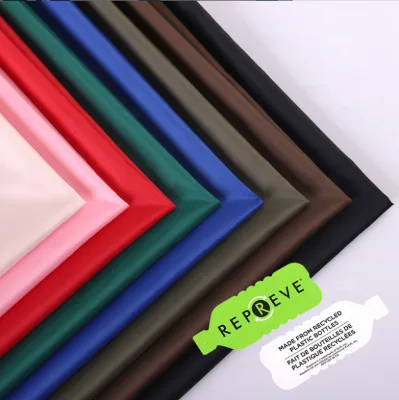
Recycled Polyester Plastic Repreve RPET Recycled Mesh Fabric for Sportswear
$1.05 - $1.30
MOQ: 1500 Meters


100% RPET Recycled Fabric 100% Repreve Polyester Pongee Fabric for Clothes
$1.05 - $1.30
MOQ: 1500 Meters

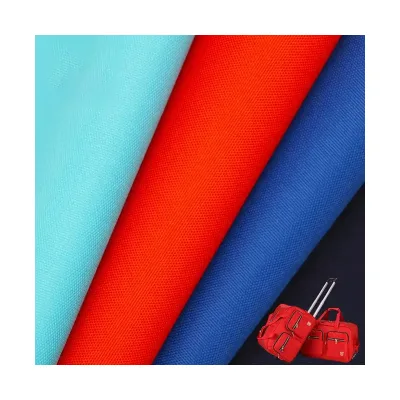
RPET / Repreve / Recycled Polyester Fabric Bag Fabric PU Waterproof Fabric
$1.05 - $1.30
MOQ: 1500 Meters


Recycled Polyester Plastic Repreve RPET Recycled Mesh Fabric for Sportswear
$1.36 - $2.88
MOQ: 1000 Meters


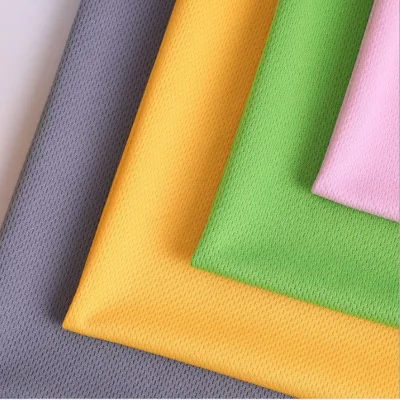
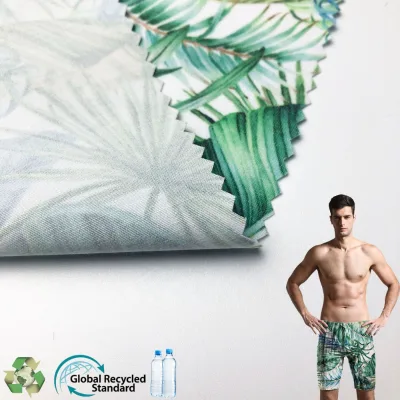
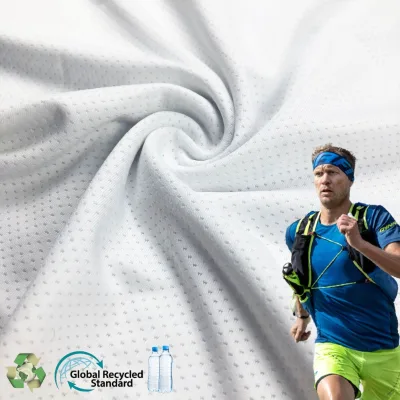
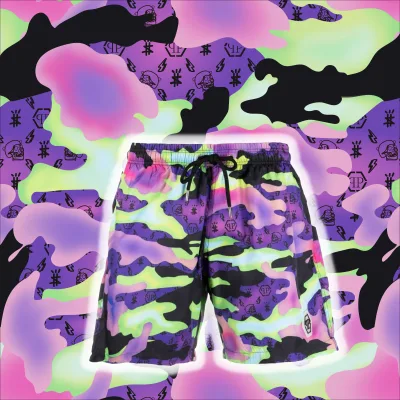
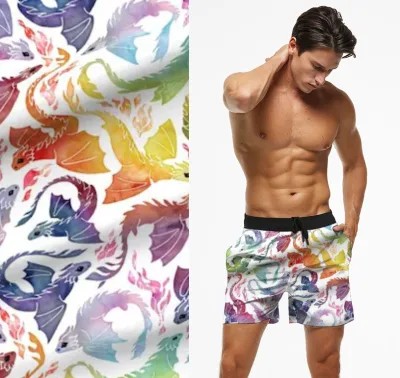
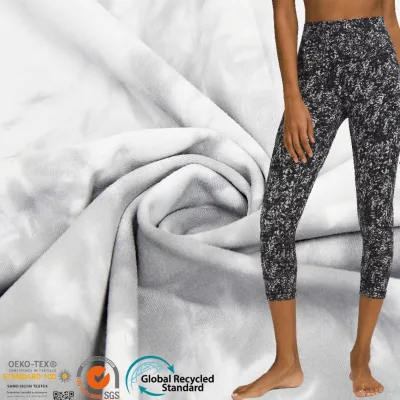

Cheap Custom Repreve 100 Recycled Polyester Warp Knitted Mesh Plastic Fabric
$1.09 - $1.38
MOQ: 3000 Meters


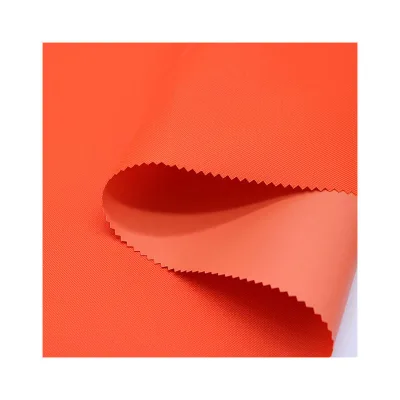
Soft Breathable Recycled 100 Polyester Mesh Tricot Fabric for Backpacks
$0.65 - $0.82
MOQ: 5000 Meters




Comprehensive Sourcing Guide
Repreve Recycled Polyester Mesh Fabric Sourcing Guide
Procurement teams evaluating Repreve Recycled Polyester Mesh Fabric must first distinguish between generic recycled polyester and specific certified recycled content. The supplied data indicates that 100% RPET fiber types are available, often woven into fabrics designed for down jackets, garments, and linings. Buyers should verify that the specific lot they intend to purchase carries the necessary chain-of-custody documentation to validate the recycled origin claim, as generic listings may not always specify the exact percentage of post-consumer material used in the final textile.
Commercial listings for these materials frequently highlight customization capabilities, including custom colors and designs, which suggests a flexible supply chain for brands seeking unique aesthetic outcomes. However, the observed product attributes also include specific applications like sportswear, swimwear, and leggings, indicating that the fabric's performance characteristics must align with the intended end-use. Sourcing decisions should prioritize suppliers who can demonstrate the technical consistency required for these diverse applications while maintaining the integrity of the recycled fiber content throughout the manufacturing process.
Product Scope and Observed Listing Signals
The market for recycled polyester mesh presents a wide range of product variations, from plain woven structures to printed designs suitable for boardshorts and activewear. Observed listings show that these fabrics are available in various widths, such as 56/57 inches or 57/58 inches, and can be produced in specific densities like 120*91. Buyers must carefully review the technical data sheets to ensure the fabric weight, typically around 200 g/m² in some observed cases, matches the thermal and structural requirements of their specific garment designs.
Listing signals also reveal that suppliers often offer free samples and accept custom designs, which facilitates the initial evaluation phase for potential buyers. The availability of specific color options, including blue, brown, and pink, alongside custom color requests, allows for greater design flexibility. However, procurement professionals should note that while some listings mention "very lightweight" specifications, others describe different weight classes, necessitating a direct comparison of physical properties before committing to a bulk order to avoid mismatches in fabric hand and drape.
Technical Specifications to Verify
When verifying technical specifications, buyers must confirm the exact fiber composition and weave structure, as the supplied context lists both 100% RPET and blends involving Spandex or Polyester. The presence of stretch properties in some listings suggests that the fabric may be engineered for high-mobility applications like yoga leggings or sports wear, while other entries describe woven structures suitable for jackets. It is critical to validate whether the specific fabric meets the required stretch recovery and dimensional stability for the intended garment, as these properties vary significantly between different weave types and fiber blends.
Density and width are equally critical parameters that influence the final yield and performance of the finished product. Observed data indicates widths ranging from 56 to 58 inches, with specific density counts like 120*91 threads per inch. Buyers should request physical samples to test for consistency in these metrics across different production batches, as variations in density can affect the fabric's opacity, durability, and ability to hold prints or dyes. Ensuring that the technical specifications align with the design team's requirements is essential to prevent production delays or quality issues downstream.
Compliance and Safety Documentation
Compliance and safety documentation are paramount when sourcing recycled polyester, particularly for markets with strict environmental and chemical regulations. The supplied context explicitly mentions OEKO-TEX STANDARD 100 certification, which indicates that the fabric has been tested for harmful substances and is safe for human skin contact. Buyers should verify that this certification is current and applies to the specific production batch they are purchasing, as certifications can sometimes be held by the mill but not necessarily applied to every individual fabric run.
In addition to chemical safety, the environmental claims regarding the recycled content must be substantiated with credible third-party verification. While the data confirms the use of 100% RPET, the specific standards governing the recycling process, such as GRS (Global Recycled Standard), should be confirmed to ensure the supply chain meets corporate sustainability goals. Procurement teams should request the relevant certificates of analysis and chain-of-custody documents to validate that the recycled content claims are accurate and that the fabric meets the necessary regulatory requirements for the target export markets.
Cost Drivers and Commercial Terms
Cost drivers for recycled polyester mesh are influenced by the complexity of the recycling process, the specific fiber blend, and the level of customization required. The observed price range of 0.45 to 7.35 USD reflects significant variation based on factors such as fabric weight, width, and the inclusion of special features like anti-static or waterproof treatments. Buyers should analyze the total cost of ownership, including the impact of minimum order quantities (MOQ) which range from 2 to 6000 units, as higher customization levels often necessitate larger production runs to achieve cost efficiency.
Commercial terms also play a crucial role in the overall procurement strategy, with many suppliers offering make-to-order production models and free samples. The availability of custom packaging and the ability to accept custom designs can add value but may also extend lead times. Buyers must negotiate clear terms regarding sample lead times, which are observed to be around 4-7 days, and establish realistic delivery schedules for bulk orders. Understanding the relationship between customization, MOQ, and pricing is essential for budgeting and planning inventory levels effectively.
Supplier Qualification and Quality Control
Supplier qualification requires a thorough assessment of the manufacturer's capabilities, particularly their ability to maintain consistent quality in recycled fiber production. The supplied data indicates that suppliers are located in regions like Shengze and Jiangsu, China, and offer professional service alongside factory-direct production. Buyers should verify the supplier's capacity to handle specific technical requirements, such as the production of stretch fabrics or the application of complex prints like sublimation and digital printing, to ensure they can meet the brand's quality standards.
Quality control processes must be robust to address the inherent variability often associated with recycled materials. Buyers should implement a rigorous inspection protocol that includes testing for color fastness, tensile strength, and dimensional stability before accepting bulk shipments. The observation that suppliers offer various packing options, including roll-packing with plastic bags, suggests flexibility, but the buyer must specify exact packaging requirements to prevent damage during transit. Establishing a clear quality assurance framework with the supplier is essential to mitigate risks and ensure consistent product performance.
Long-Term Procurement Checks
Long-term procurement checks should focus on the supplier's ability to maintain consistent supply and adhere to evolving sustainability standards. As the market for recycled materials grows, buyers must ensure that their suppliers can scale production without compromising the quality or the integrity of the recycled content claims. Regular audits and performance reviews are necessary to verify that the supplier continues to meet the agreed-upon specifications and maintains the necessary certifications for the duration of the contract.
Additionally, buyers should monitor market trends and technological advancements in recycled polyester production to stay competitive. The ability of suppliers to adapt to new design trends, such as the introduction of new colors or patterns, is a key indicator of their long-term viability. Establishing a strategic partnership with a supplier who demonstrates flexibility and a commitment to continuous improvement will help secure a reliable supply chain. Regular communication and collaborative planning are essential to navigate the dynamic nature of the textile market and ensure long-term success.
FAQs
What are the main features of this recycled polyester mesh fabric?
The fabric features anti-static and waterproof properties, making it suitable for various applications. It is woven from 100% RPET fiber and offers a plaid or printed pattern. The material is lightweight, with a weight of 200 g/m², and is available in customized colors like blue, brown, or pink. These attributes support its use in sportswear and garments.
Can I get a free sample of the recycled polyester mesh fabric?
Yes, free samples are available for this product. The sample lead time is typically 4-7 days. This allows buyers to verify the quality, texture, and customization options before placing a bulk order. The supplier accepts custom designs and offers professional service to ensure the sample meets specific requirements for garments or bags.
What certifications does the recycled polyester mesh fabric hold?
The fabric holds the OEKO-TEX STANDARD 100 certification, ensuring it meets strict safety and environmental standards. This certification confirms the material is free from harmful substances. It is particularly relevant for buyers in markets like America, Europe, and the Middle East who require compliant textiles for apparel, sportswear, and activewear production.
What is the minimum order quantity for this fabric?
The minimum order quantity ranges from 2 to 6000 units, depending on the specific product variant and customization needs. This flexibility supports both small trial orders and large-scale production runs. Buyers can choose from various packaging options, including roll-packing, to suit their logistics and storage requirements for the recycled polyester mesh fabric.
Where is the recycled polyester mesh fabric manufactured?
The fabric is manufactured in Shengze, Jiangsu, China. This location is a known hub for textile production, offering efficient supply chain capabilities. The factory provides make-to-order services, allowing for customized designs and colors. Buyers can leverage this origin for sourcing high-quality, woven fabrics with specific specifications like 56/57 inch width.
What are the available width specifications for this fabric?
The fabric is available in widths of 56/57 inches or 57/58 inches. These standard widths accommodate various garment and bag manufacturing needs. The material is woven with a density of 120*91, ensuring durability and consistency. Buyers can select the appropriate width based on their pattern cutting requirements and production efficiency goals.