Source Resin Dirty Clean Dishwasher Magnet for Kitchen Office Home
Compare 30 Resin Dirty Clean Dishwasher Magnet options from verified suppliers. Explore customizable materials, sizes, and designs suitable for kitchen, office, and home use with varying lead times and MOQs.
Key considerations
Products List
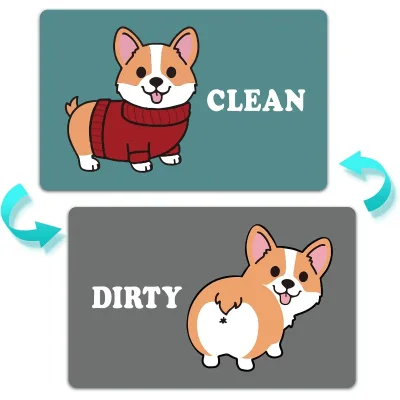
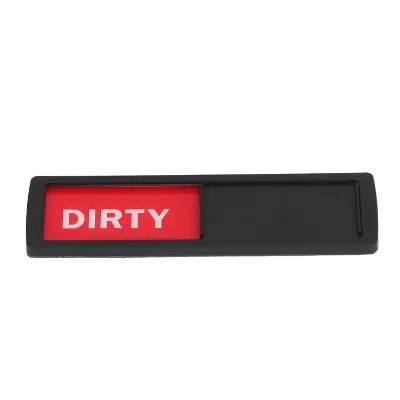
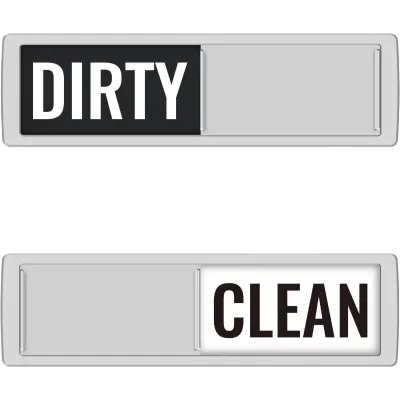
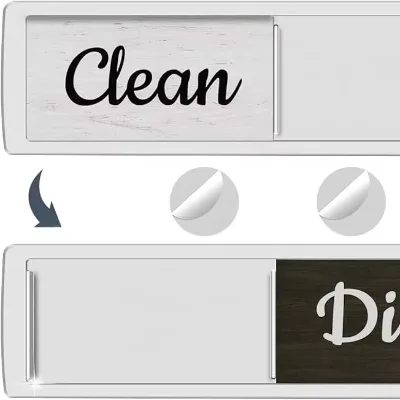
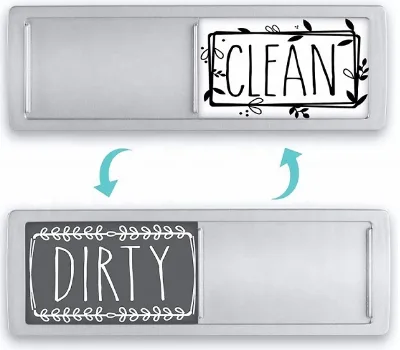

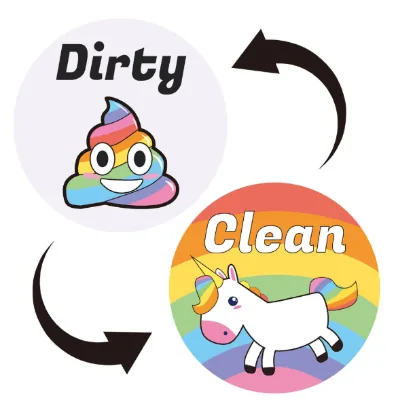
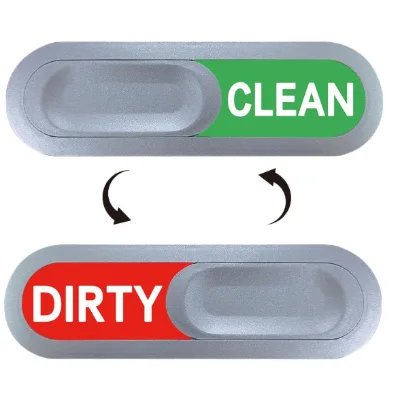
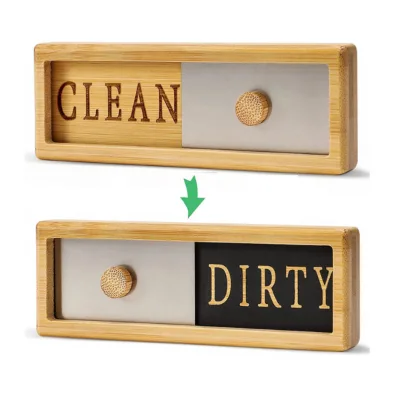
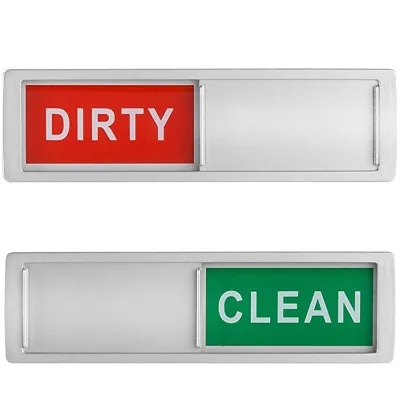
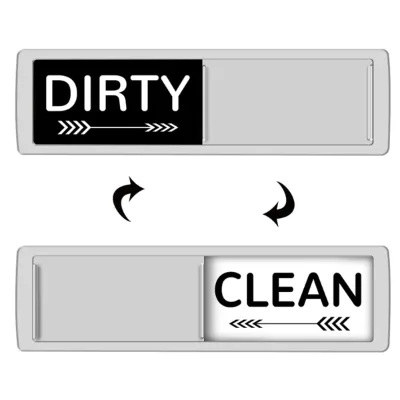
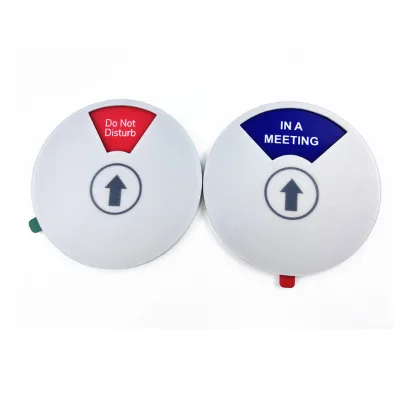
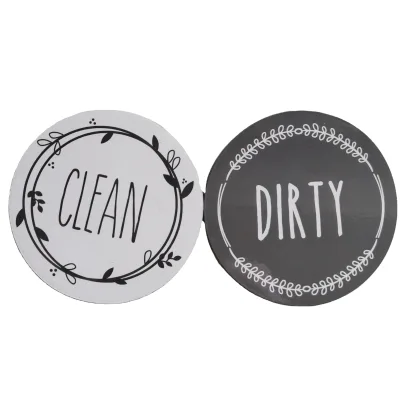

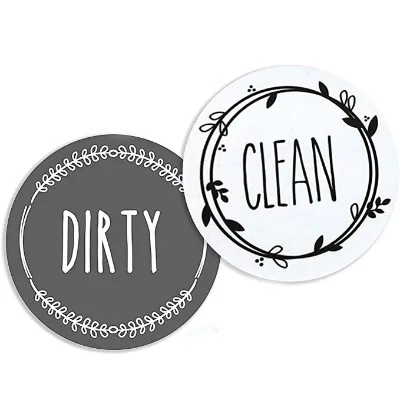
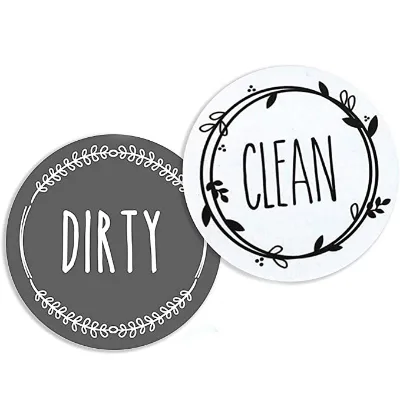


8 Placing Sets Table Top Dishwasher Kitchen Appliance Cleaning Dish Washing Machine
$140.00 - $160.00
MOQ: 114 Pieces


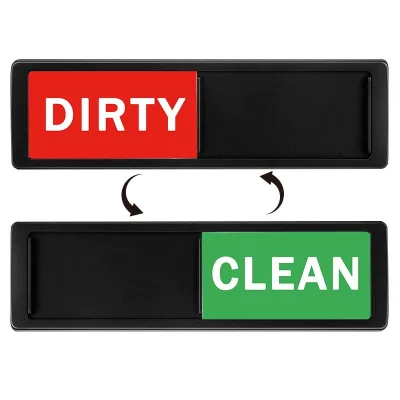
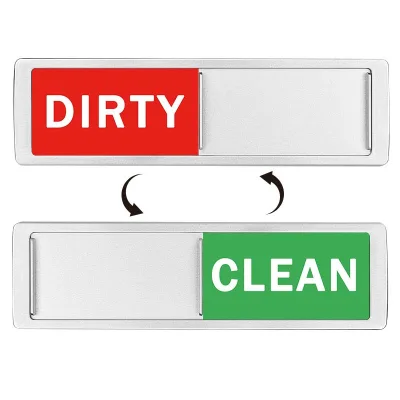


Comprehensive Sourcing Guide
Strategic Sourcing Guide for Resin Dirty Clean Dishwasher Magnets
Procuring specialized kitchen accessories like resin dirty clean dishwasher magnets requires a nuanced understanding of material science, supply chain logistics, and application-specific performance. Unlike standard promotional items, these magnets serve a functional role in household management, demanding durability, aesthetic consistency, and reliable adhesion. The global market for such items is fragmented, with manufacturers primarily located in China, specifically in regions known for acrylic and resin processing. Buyers must navigate a landscape where customization is the norm rather than the exception, and where product attributes vary significantly between suppliers. This guide provides a disciplined framework for evaluating potential suppliers and defining product requirements to ensure a successful procurement cycle.
Material Composition and Physical Specifications
The core of the product lies in its material composition. While the search term specifies "resin," the actual market data indicates a diverse range of materials available for this application, including PE, PVC, plastic, paper, and acrylic. The choice of material directly influences the product's weight, flexibility, and resistance to moisture. For a dishwasher magnet, the material must withstand high humidity and temperature fluctuations typical of a kitchen environment. Resin offers a premium feel and can be molded into complex shapes, but acrylic and PVC are also common alternatives that provide similar durability at different price points.
Physical dimensions are another critical specification. Observed data suggests that single package sizes can vary widely, ranging from compact units measuring 18x6x1 cm to larger configurations up to 20x10x10 cm. The thickness of the product is equally important; standard offerings often cite a thickness of 4mm, though "customized" is a frequently available option. This variability means that buyers cannot assume a standard thickness across all suppliers. The weight of the single item is also a logistical factor, with observed gross weights ranging from 0.001 kg for lightweight paper or thin plastic variants to 0.500 kg for heavier, multi-component resin or acrylic units. When defining the Request for Quotation (RFQ), buyers should explicitly state the desired thickness and weight tolerance to avoid receiving products that are too flimsy or too heavy for the intended magnetic strength.
Functional Design and Customization Capabilities
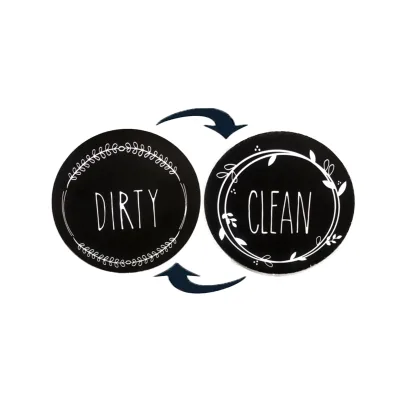
The primary function of a dirty clean dishwasher magnet is to communicate the status of the dishwasher cycle to household members. Consequently, the design must be clear, legible, and aesthetically pleasing. The market offers a wide array of design styles, from modern and contemporary to traditional cross motifs. The shape is typically rectangular, but "customized" shapes are a standard offering, allowing buyers to align the product with specific branding or interior design themes.
Customization extends beyond the visual design to the printing process. Suppliers frequently offer multiple printing techniques, including silkscreen printing, UV printing, offset, digital, and laser engraving. The choice of printing method affects the durability of the graphics. For instance, UV printing and laser engraving often provide superior resistance to water and oil compared to standard silkscreen methods, which is crucial for a product that will be exposed to kitchen splashes. The color options are generally "customized," allowing for brand-specific palettes, though standard "other" color categories are also available. Buyers should verify the specific ink types used to ensure they meet food-safe or non-toxic standards if the product is intended for environments with direct food contact, although the magnet itself is typically external to the appliance.
Application Scenarios and Usage Context
While the core keyword focuses on household use, the application data reveals a broader scope. These magnets are utilized in kitchens, offices, schools, and hospitals. In a commercial setting like a hospital or school, the durability and ease of cleaning become paramount. The product features often include being waterproof, oil-proof, writable, and quick-drying. These attributes are not merely marketing claims but functional requirements for high-traffic environments.
The "Dirty" and "Clean" indicators are often accompanied by additional text or symbols, such as a cross or other stylistic elements. The application extends to art and collectible markets, suggesting that some variations are designed for display rather than purely functional use. When sourcing for commercial clients, buyers must prioritize the "Durable" and "Easy-Installation" features. The installation method is typically magnetic, which requires the magnet to have sufficient holding power to remain attached to the stainless steel or metal surface of the dishwasher without sliding or falling off during vibration or movement.
Cost Drivers and Minimum Order Quantities
Understanding the cost structure is essential for budgeting and negotiation. The Minimum Order Quantity (MOQ) is a significant variable in this market. Data indicates a wide range, with some suppliers requiring an MOQ of 1000 units, while others offer lower thresholds starting at 100 pieces. This disparity often correlates with the level of customization required. Standard, off-the-shelf designs may have lower MOQs, whereas custom molds, specific resin formulations, or unique printing setups often necessitate higher volume commitments to amortize setup costs.
The price range observed in the market is substantial, spanning from $0.10 to $250 per unit. This variance is driven by the material cost, the complexity of the design, the printing technique, and the order volume. A simple paper or thin plastic magnet will sit at the lower end, while a heavy, custom-molded resin unit with multi-color UV printing and specialized packaging will command a higher price. Lead times also vary, with typical delivery windows ranging from 7 to 20 days. Buyers should factor in the time required for sample approval and mold creation if customization is involved, as these steps can extend the overall timeline beyond the standard production window.
Supplier Evaluation and Quality Assurance
Evaluating suppliers requires a focus on their technical capabilities and after-sales support. The observed data highlights several key service attributes, including online technical support, onsite installation assistance, free spare parts, and return and replacement policies. A supplier that offers "Project Solution Capability," such as graphic design and 3D model design, is often better equipped to handle complex customization requests.
Warranty periods are another indicator of supplier confidence. Some suppliers offer warranties of more than 5 years, while others provide a standard 3-year warranty. This difference may reflect the quality of the materials used or the manufacturing process. For resin products, the risk of cracking or fading over time is a primary concern. Buyers should request samples to test the magnetic strength, the adhesion of the print, and the resistance of the material to water and heat. It is also critical to verify the place of origin, as manufacturing hubs in Guangdong and Anhui, China, have different specializations. Guangdong is often associated with a broader range of plastic and resin products, while Anhui may have specific strengths in acrylic and signage.
Long-Term Procurement and Compliance Considerations
Long-term procurement success depends on establishing a reliable supply chain that can scale with demand. Buyers should consider the supplier's ability to maintain consistent quality over multiple production runs. The "Accept Customized" attribute for material, printing, and packing suggests that flexibility is a key selling point, but this flexibility must be managed carefully to prevent quality drift.
Compliance and certification checks are vital, although specific certification data is not explicitly provided in the source material. Buyers must independently verify that the materials used, particularly resins and inks, comply with relevant safety standards for kitchenware and consumer goods. This includes checking for restrictions on heavy metals, phthalates, and other hazardous substances. The "Waterproof" and "Oil proof" features should be validated through third-party testing if the product is intended for export to markets with strict safety regulations.
Furthermore, the packaging specifications must be considered for logistics efficiency. Single package sizes vary, and the gross weight impacts shipping costs. Buyers should negotiate packaging standards that minimize damage during transit while optimizing container space. The ability of the supplier to provide "Return and Replacement" services in case of quality issues is a critical risk mitigation strategy.
Comparative Analysis of Product Attributes
To assist in decision-making, the following table summarizes the key variable attributes observed in the market for resin dirty clean dishwasher magnets. This comparison highlights the range of options available and the factors that influence the final product specification.
| Attribute Category | Standard/Observed Options | Customization Potential | Impact on Procurement |
|---|---|---|---|
| Material | PE, PVC, Plastic, Paper, Resin, Acrylic | High (Accept Customized) | Determines durability, weight, and cost. Resin offers premium feel; PVC/PE offers flexibility. |
| Printing | Silkscreen, UV, Offset, Digital, Laser | High (Accept Customized) | UV/Laser offers better water resistance. Silkscreen is cost-effective for large runs. |
| Thickness | 4mm | High (Customized) | Affects rigidity and magnetic holding strength. 4mm is a common baseline. |
| MOQ | 100 pcs to 10,000 pcs | Variable by Supplier | Lower MOQs (100) suitable for testing; Higher MOQs (1000+) reduce unit cost. |
| Warranty | 3 years to >5 years | Variable by Supplier | Indicates manufacturer confidence in material longevity and adhesive quality. |
| Origin | Guangdong, Anhui (China) | N/A | Guangdong often has broader resin capabilities; Anhui strong in acrylic/signage. |
| Features | Waterproof, Oil-proof, Writable, Durable | High (Accept Customized) | Essential for kitchen environments. Verify claims with samples. |
| Design Style | Modern, Contemporary, Cross, Rectangular | High (Customized) | Must align with target market aesthetics. |
Conclusion
Sourcing resin dirty clean dishwasher magnets is a process that balances functional requirements with aesthetic and logistical constraints. The market offers significant flexibility in terms of material, printing, and design, but this flexibility requires careful management to ensure quality and cost-effectiveness. Buyers must clearly define their specifications regarding thickness, material type, and printing method to avoid ambiguity. Evaluating suppliers based on their technical support, warranty terms, and ability to handle customization is crucial for building a resilient supply chain. By focusing on the specific attributes of waterproofing, durability, and magnetic strength, and by verifying these claims through rigorous sampling, buyers can secure products that meet the demanding conditions of modern kitchen environments. The wide range of MOQs and price points allows for strategies ranging from low-volume testing to high-volume commercial deployment, provided that the supplier's capabilities align with the buyer's long-term goals.
FAQs
What materials are available for resin dirty clean dishwasher magnets?
Suppliers offer PE, PVC, plastic, paper, resin, and acrylic materials. You can request customized material options to suit specific durability needs or budget constraints for kitchen environments.
Which printing methods ensure durability for dishwasher magnets?
Silkscreen, UV, offset, digital, and laser printing are available options. UV and laser methods typically provide superior water and oil resistance compared to standard silkscreen techniques for kitchen use.
Can I customize the size and thickness of the magnet?
Yes, you can specify custom sizes and thicknesses like 4mm or other dimensions. Suppliers accept customized requests to align with your specific branding or interior design themes.
What is the typical minimum order quantity for these magnets?
Minimum order quantities range from 100 pieces to 1000 units depending on the supplier. Lower MOQs are often available for standard designs, while custom molds may require higher volumes.
How long does delivery take for customized orders?
Delivery times typically range from 7 to 20 days after order confirmation. Customization steps like mold creation may extend the timeline beyond the standard production window.
Which features make these magnets suitable for commercial kitchens?
Key features include waterproof, oil-proof, writable, and durable properties. These attributes ensure the product withstands high humidity and frequent cleaning in hospitals, schools, and offices.