Source Resin Coated Photo Paper for Posters Portraits Albums
Find 30 listings of Resin Coated Photo Paper from suppliers in China. Compare specifications like GSM, surface finish, and ink compatibility for high-end photo prints and gift wrapping applications.
Key considerations
Products List


$780.00 - $820.00
MOQ: 20 Tons


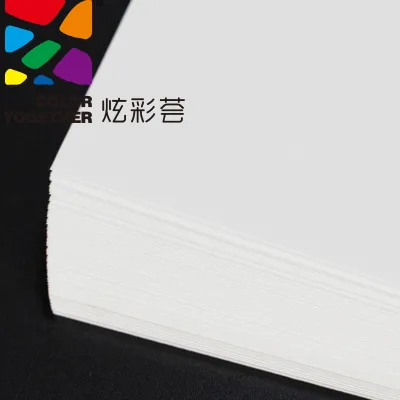
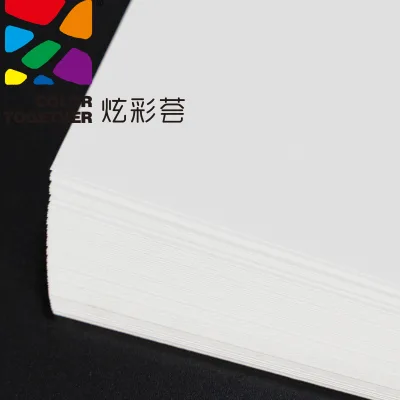

Eco-Solvent Photo Paper, Waterproof Photo Paper, Photo Paper Inkjet Paper
$0.35 - $0.48
MOQ: 2500 Square Meters


High-Glossy Resin-Coated Inkjet Photographic Photo Paper for Professional Studio Prints
$1000000.00 - $10000000.00
MOQ: 1 Pieces

Glossy Coated Art Offset Printing Paper for High-Resolution Photo Albums
$1000000.00 - $10000000.00
MOQ: 1 Sets


Guaranteed Quality Proper Price Waterbased Photo Paper High Gloss Album Paper Frame Picture Photo
$0.66 - $0.98
MOQ: 1000 Square Meters


Comprehensive Sourcing Guide
Strategic Sourcing Guide for Resin Coated Photo Paper Procurement
Understanding Technical Specifications and Material Composition
When sourcing resin coated (RC) photo paper, the primary objective is to align material properties with specific printing and application requirements. The core of this product category lies in the substrate composition, which typically utilizes wood pulp as the base material. In the observed market data, the pulp material is consistently identified as wood pulp, often sourced in a virgin state to ensure high brightness and structural integrity. The brightness levels for high-quality RC paper generally fall within the 98-100% range, a critical metric for achieving vibrant color reproduction and deep blacks in digital prints.
The resin coating is a defining characteristic of this paper type. While the supplied facts indicate a PVC coating material in specific listings, the broader category often involves polyethylene or similar resin layers that provide the waterproof and moisture-proof attributes essential for RC paper. The surface finish is a major differentiator, with options ranging from high glossy to matte and semi-glossy. Buyers must verify the specific surface finish required for their workflow, as the data shows options like "High Glossy," "Matte," and "Semi-Glossy" coexist in the market. The coating side is frequently double-sided, which can be advantageous for specific printing techniques, though single-sided applications are also common.
Weight and grammage are critical specifications that dictate the paper's stiffness and suitability for various formats. The observed gram weight ranges span from 115 to 300 GSM, with some broader market data indicating ranges up to 450 GSM. This variance allows procurement managers to select paper that balances durability with cost-efficiency. For instance, a 300g weight is noted for specific high-end applications, while lighter weights may suffice for standard photo prints. The paper is often cast coated, a process that enhances surface smoothness and ink absorption characteristics. Understanding these technical parameters is the first step in defining a precise Request for Quotation (RFQ) that filters out incompatible products.
Compliance, Certification, and Standard Verification
In the B2B procurement of photo paper, verifying compliance with industry standards and certifications is paramount, even when specific supplier claims vary. While the supplied context mentions ISO9001 and FSC as background information, buyers should treat these as verification targets rather than guaranteed attributes for every listing. The procurement strategy must include a rigorous check to confirm if a specific supplier holds valid ISO9001 certification for their manufacturing processes and FSC certification for their wood pulp sourcing. These certifications are not merely marketing tools; they indicate a commitment to quality management systems and sustainable forestry practices, which are increasingly demanded by global brands.
Standardization of dimensions is another critical area of compliance. The observed data lists various standard sizes, including A3, A4, A5, A6, 4R, and 5R, alongside custom sizes. Furthermore, specific width standards such as 17", 18", 24", 36", 42", 44", 50", and 60" are noted, often paired with length specifications like 30m. Buyers must ensure that the ordered product matches the exact standard dimensions required by their printing equipment to avoid waste and machine jams. The "prod_standard" field in supplier data often reflects these variations, and it is the buyer's responsibility to cross-reference these with their internal technical requirements.
Safety and environmental compliance also extend to the chemical composition of the inks and coatings used. The product data specifies the use of water-based dye inks and water base inks, which are generally preferred for their lower volatile organic compound (VOC) emissions compared to solvent-based alternatives. However, the presence of PVC coating in some listings necessitates a review of local environmental regulations regarding PVC usage. Procurement teams should request Material Safety Data Sheets (MSDS) and verify that the adhesive used, described as a "strong hot melt adhesive" in some contexts, meets relevant safety standards for the intended application, particularly if the paper is used for food or gift wrapping.
Cost Drivers and Pricing Dynamics
The pricing of Resin Coated Photo Paper is influenced by a complex interplay of material costs, production processes, and order volume. The observed price range in the market is extremely wide, spanning from $0.1 to $10,000,000. This vast disparity highlights that price is not a linear function of the product but is heavily dependent on the scale of the transaction, the specific model number, and the customization level. For example, a single roll of standard size paper will have a unit price significantly different from a bulk order of custom-sized rolls for large-format printing.
Material costs are a primary driver. The use of virgin wood pulp and high-brightness coatings commands a premium over recycled or lower-grade alternatives. The type of coating, whether PVC or other resins, also impacts the base cost. Additionally, the surface finish plays a role; high-glossy finishes often require more complex coating processes than matte finishes, potentially affecting the price. The "prod_model" identifiers, such as CS180, CS158, or PP007, likely correspond to specific product tiers with varying cost structures. Buyers should not assume that a higher model number indicates a higher price; instead, they must request detailed price lists that correlate specific models with their respective cost drivers.
Order volume and payment terms are significant factors in the final landed cost. The observed Minimum Order Quantity (MOQ) ranges from 1 to 5,000 units, indicating that suppliers offer flexibility for small trials but require substantial commitments for bulk pricing. Payment terms, such as the observed "30% in Advance, 70% Paid Before Shipment" structure, affect cash flow and risk exposure. Buyers with strong credit standing may negotiate more favorable terms, while those requiring immediate delivery might face higher costs due to expedited shipping or premium pricing for smaller, urgent orders. Understanding these dynamics allows procurement teams to optimize their budget by balancing order size with unit cost and payment flexibility.
Typical Applications and Usage Scenarios
Resin Coated Photo Paper is versatile, serving a wide array of applications across different industries. The primary use case identified in the data is for high-end photo prints and portfolio folders, where the high brightness and glossy finish are essential for visual impact. The "Wholesale Professional Digital High Printing Photo" designation underscores its suitability for professional photography studios and commercial printing services. The paper's features, including moisture proof, anti-curl, and waterproof properties, make it ideal for creating durable prints that can withstand handling and environmental exposure.
Beyond traditional photography, the data indicates usage in gift wrapping and food wrapping. The "Gift Wrapping Paper" and "Food Wrapping Paper" applications suggest that the paper's greaseproof and anti-rust features are valuable in packaging contexts. The strong hot melt adhesive mentioned in the specifications supports its use in applications where the paper needs to be bonded to other surfaces or used in self-adhesive formats. For large-format applications, the availability of widths up to 60" and lengths of 30m makes it suitable for posters, banners, and large-scale portraits. The "Digital Inkjet Printing Printer" compatibility ensures that the paper works seamlessly with modern printing technologies, allowing for high-resolution output.
The specific model numbers and standard sizes also point to specialized uses. For instance, the A3/A4/A5/A6 standards are common in office and personal printing, while the larger 17" to 60" widths are tailored for architectural and engineering firms, as well as advertising agencies. The "Cast Coated" finish and "High Glossy" surface are particularly beneficial for applications requiring sharp detail and color accuracy, such as art reproductions and high-quality marketing materials. Buyers should evaluate their specific end-use requirements to select the paper variant that offers the optimal balance of durability, aesthetics, and cost.
Supplier Evaluation and Geographic Considerations
Evaluating suppliers for Resin Coated Photo Paper requires a multi-faceted approach that considers geographic origin, production capabilities, and reliability. The observed data highlights suppliers located in Henan and Shanghai, China, indicating that the majority of production capacity is concentrated in these regions. Buyers should be aware that geographic concentration can lead to economies of scale but also introduces supply chain risks related to regional logistics or regulatory changes. Verifying the specific origin of the product is essential for calculating accurate shipping costs and lead times.
Supplier reliability is often reflected in their customization capabilities and production standards. The availability of "Customization" for size and potentially other attributes is a strong indicator of a flexible supplier. However, buyers must distinguish between suppliers who offer true customization and those who merely list standard sizes as "custom." The "prod_model" variations suggest that suppliers have distinct product lines, and evaluating which models align with the buyer's needs is crucial. Additionally, the "Quality: A" designation in some listings provides a baseline for quality expectations, but buyers should seek third-party verification or sample testing to confirm this rating.
Payment and logistics terms are also key evaluation criteria. The observed payment terms of "Tt, 30% in Advance, 70% Paid Before Shipment" are standard but require careful financial planning. Buyers should assess the supplier's ability to meet these terms without compromising cash flow. Furthermore, the "One Roll in One Standard Export Carton Box" packing method suggests a focus on protecting the product during transit, which is vital for maintaining the integrity of the paper. Suppliers with robust packaging and clear shipping protocols are generally more reliable partners for long-term procurement relationships.
Quality Control and Long-Term Procurement Strategy
Implementing a robust quality control (QC) strategy is essential for ensuring consistent performance of Resin Coated Photo Paper. Given the wide range of observed specifications, buyers should establish clear acceptance criteria for brightness, surface finish, and coating adhesion. The "Moisture Proof," "Anti-Curl," and "Waterproof" features should be verified through sample testing, as these attributes are critical for the paper's longevity and print quality. Regular audits of the supplier's production processes, particularly regarding the coating application and drying stages, can help prevent defects such as uneven gloss or ink smearing.
Long-term procurement considerations involve building a sustainable supply chain that can adapt to market fluctuations. The variability in MOQs and price ranges suggests that buyers should diversify their supplier base to mitigate risks associated with single-source dependency. Developing a strategic partnership with suppliers who offer customization and consistent quality can lead to better pricing and priority treatment during high-demand periods. Additionally, maintaining a buffer stock of critical paper sizes can help manage lead times and ensure business continuity.
Finally, continuous monitoring of market trends and technological advancements is necessary to stay competitive. As digital printing technologies evolve, the requirements for photo paper may shift towards higher brightness, faster drying times, or more eco-friendly materials. Buyers should stay informed about new product models and standards, such as the "CS180" or "PP007" models, to ensure their procurement strategy remains aligned with industry best practices. By combining rigorous quality control with a flexible, forward-looking procurement strategy, organizations can secure a reliable supply of high-quality Resin Coated Photo Paper that meets their evolving needs.
FAQs
What materials are used for Resin Coated Photo Paper?
The primary material is wood pulp, often in a virgin state to ensure high brightness. The coating material is typically PVC, providing waterproof and moisture-proof properties essential for professional digital printing applications.
Which surface finishes are available for this photo paper?
Available surface finishes include high glossy, matte, and semi-glossy options. Some products feature a double-sided coating process, allowing flexibility for various printing techniques and specific application requirements like posters or portraits.
Can I customize the size of the Resin Coated Photo Paper?
Yes, customization is available for specific dimensions including A3, A4, A5, A6, and 4R sizes. Customized sizes are also offered, allowing buyers to match exact requirements for large-format printing or specific standard widths.
What are the typical pricing and payment terms for bulk orders?
Prices range widely from 0.1 to 10,000,000 USD depending on volume and model. Payment terms typically require 30% in advance with the remaining 70% paid before shipment, ensuring secure transactions for both parties.
Which printers are compatible with this Resin Coated Photo Paper?
The paper is compatible with digital inkjet printing printers and all inkjet printers using water-based dye or water base inks. This ensures high-quality output for professional digital high printing photo applications and portfolio folders.
What is the minimum order quantity for purchasing this paper?
The minimum order quantity ranges from 1 to 5000 units depending on the specific product model and supplier. This flexibility allows buyers to start with small trials or commit to larger bulk orders for cost efficiency.
Where are the suppliers of this photo paper located?
Suppliers are primarily located in Henan and Shanghai, China. These regions offer concentrated production capacity, though buyers should verify specific origins to calculate accurate shipping costs and lead times for their procurement needs.