Source Retro Rechargeable Camping Lamp for Hiking, Emergency, and Outdoor Events
Compare 30 Retro Rechargeable Camping Lamp options featuring LED light sources, USB charging, and various battery capacities. Buyers can evaluate specifications like lumen output, runtime, and housing materials from Ningbo and China suppliers to find suitable units for everyday carry or emergency use.
Key considerations
Products List


Retro Lamp Portable Camping Lantern USB Recharge Camping Tent Travel Light
$3.00 - $5.00
MOQ: 3000 Pieces

Portable USB Rechargeable LED Vintage Camping Light Camping Lantern Hand Lamp
$4.00 - $6.00
MOQ: 3000 Pieces


Cordless Camping Light with Table Lamp Rechargeable LED Portable Lamp
$12.00 - $13.00
MOQ: 3000 Pieces


Vintage Camping Light Retro LED Lamp Rechargeable Dimming Outdoor Lantern
$27.00 - $30.00
MOQ: 1000 Pieces

Portable Camping Lamp USB Rechargeable Bright Light Vintage Lantern with Bluetooth
$15.00 - $25.00
MOQ: 1000 Pieces

Retro Camping Light Campsite Lantern Nightlight Lamp Hiking Tent for Outdoor
$30.00 - $40.00
MOQ: 300 Pieces

Retro Rechargeable Bamboo Table Lamp Camping lantern with USB Powerbank
$10.00 - $20.00
MOQ: 1000 Pieces


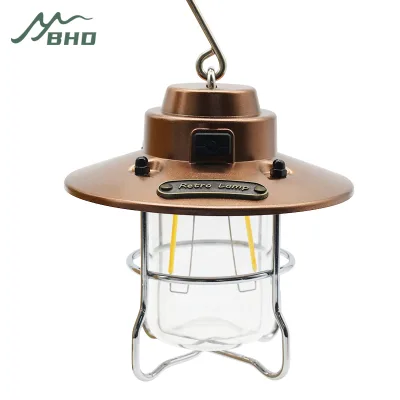


High Quality Wholesale Multifunctional Portable Rechargeable LED Camping Lamp
$10.18 - $11.08
MOQ: 100 Pieces
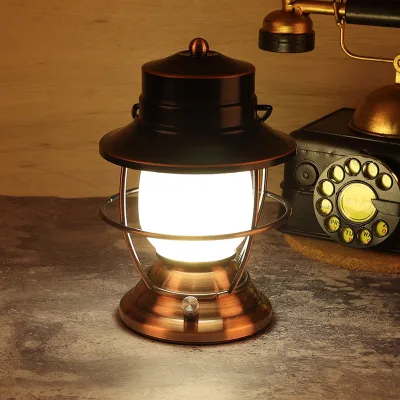
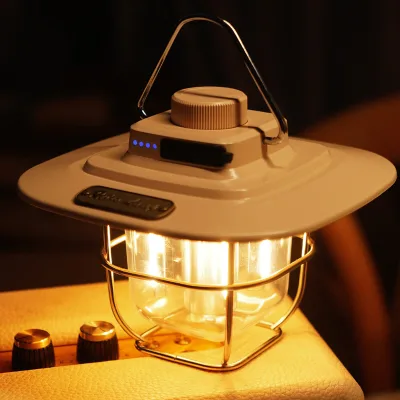

Rechargeable Retro Camping Lamp Camping Lantern Light with Telescopic Design
$16.00 - $68.00
MOQ: 500 Pieces


Comprehensive Sourcing Guide
Strategic Sourcing Guide for Retro Rechargeable Camping Lamps
Technical Specifications and Product Variants
When sourcing retro rechargeable camping lamps, buyers must first navigate the diverse technical specifications that define product performance and aesthetic appeal. The market offers distinct variations in power sources, battery configurations, and lighting technologies, all of which influence the final utility of the device. A primary observation in the current supply landscape is the prevalence of USB charging capabilities, specifically utilizing Type-C interfaces. This standardization simplifies the charging ecosystem for end-users, allowing for compatibility with modern power banks and adapters. However, buyers should verify the specific voltage requirements, as observed data indicates a common operating voltage of 12V for certain models, while charging inputs may operate at 5V.
Battery technology is a critical differentiator in this category. The supply chain frequently features 18650 lithium-ion cells, with observed capacities ranging from 1500mAh to 2000mAh. These batteries are often built-in, requiring specific charging protocols. Runtime expectations vary significantly based on the selected lighting mode and battery capacity. Some product profiles indicate a working time of less than 10 hours, while others suggest a broader range of 6 to 24 hours. This discrepancy underscores the necessity for buyers to request detailed discharge curves from suppliers rather than relying on general marketing claims. The light source is predominantly LED, with specific configurations such as 2835*44PCS beads or combinations of red and white LEDs. Color temperature options generally include white light at 5000K and warm light at 3500K, catering to different atmospheric needs for camping or emergency use.
Physical dimensions and housing materials also play a pivotal role in the "retro" aesthetic and durability. Observed product models feature housing materials such as ABS plastic or a combination of iron and ABS. The dimensions vary widely, with some units measuring approximately 25x11cm, while others are compact at 11.7x17cm. The crust color is a key visual identifier, with white and black finishes being the most common observations. Some models incorporate unique design elements, such as imitation tungsten wire wicks or specific bulb configurations to mimic vintage oil lamps. Buyers must carefully cross-reference these physical attributes with their target market's preferences to ensure the product aligns with the desired retro styling.
Compliance and Certification Verification
In the realm of electrical lighting products, compliance and certification are non-negotiable aspects of the procurement process. While specific product listings may reference certifications such as CE and RoHS, buyers must treat these as claims that require independent verification rather than guaranteed attributes for every unit in a batch. The CE mark indicates conformity with health, safety, and environmental protection standards for products sold within the European Economic Area, while RoHS restricts the use of specific hazardous materials in electrical and electronic equipment.
The verification process should begin with a request for valid test reports from accredited laboratories. Buyers should not rely solely on the supplier's word or the presence of a logo on the product packaging. It is essential to confirm that the test reports correspond to the exact model number and production batch being sourced. For instance, if a supplier lists a model with the code CL-15 or LY1911, the certification documents must explicitly reference these identifiers. Additionally, the origin of the product, often cited as Ningbo or generally China, should be matched with the manufacturing facility's compliance history.
Beyond CE and RoHS, buyers should consider other regional standards depending on the target market. For example, products destined for North America may require UL or ETL certification, while those for Japan might need PSE marks. The absence of these certifications in the provided data does not imply non-compliance but highlights the need for due diligence. Buyers must also verify the safety of the battery components, ensuring they meet international transport regulations for lithium-ion batteries, especially given the rechargeable nature of these lamps. The charging adapter specifications, such as the Type-C connector and 5V 1A input, must also align with the safety standards of the destination country to prevent electrical hazards.
Cost Drivers and Pricing Dynamics
Understanding the cost structure of retro rechargeable camping lamps is vital for maintaining healthy profit margins. The observed price range in the market spans from 1 to 68 USD, a wide variance that reflects differences in material quality, battery capacity, and feature sets. Several key factors drive these costs. First, the battery type and capacity are significant cost components. Models utilizing higher capacity 18650 batteries (e.g., 2000mAh) or those with more complex charging circuits will naturally command a higher price point compared to basic units with 1500mAh cells.
Secondly, the housing material and manufacturing complexity influence pricing. Products featuring a combination of iron and ABS materials, or those with intricate retro designs like imitation tungsten filaments, incur higher tooling and assembly costs than simple ABS plastic units. The packaging also plays a role; options such as a color box with a bubble bag (141010cm, 300g) add to the overall unit cost compared to minimal packaging. Furthermore, the level of customization available, such as logo printing or color variations, introduces additional expenses that must be factored into the total landed cost.
The Minimum Order Quantity (MOQ) is another critical cost driver, with observed ranges spanning from 2 to 5000 units. Lower MOQs allow for smaller initial investments but often come with a higher per-unit cost due to setup fees and reduced economies of scale. Conversely, larger orders can significantly reduce the unit price but require greater capital commitment and storage capacity. Buyers should analyze their sales forecasts to determine the optimal order size that balances cash flow with cost efficiency. It is also important to consider the lead time associated with different order volumes, as expedited production for small batches may incur premium charges.
Typical Applications and Market Segmentation
Retro rechargeable camping lamps serve a diverse range of applications, extending beyond traditional outdoor camping scenarios. The primary use case remains outdoor recreation, including camping, hiking, and emergency preparedness. The "Everyday Carry" (EDC) designation found in product attributes highlights the growing trend of consumers seeking portable lighting solutions for daily use, such as power outages, home emergencies, or nighttime walks. The versatility of these lamps is enhanced by their multiple lighting modes, including lantern modes and adjustable brightness levels, which cater to various ambient needs.
The aesthetic appeal of the retro design also positions these products for indoor decorative use. The warm light options (3500K) and vintage styling make them suitable for home decor, patio lighting, or event settings where a cozy atmosphere is desired. The non-waterproof nature of many observed models suggests they are best suited for dry environments or covered outdoor areas, rather than harsh weather conditions. However, the compact size and rechargeable nature make them ideal for indoor emergency kits, ensuring that households have a reliable light source during power failures.
Market segmentation for these products often targets two distinct consumer groups: the practical outdoor enthusiast and the style-conscious urban dweller. The former prioritizes runtime, battery capacity, and durability, while the latter focuses on design, color temperature, and portability. Suppliers offering customization options can effectively target both segments by providing tailored designs that appeal to specific brand identities or promotional needs. Understanding these application nuances allows buyers to curate product lines that meet the specific demands of their target customers, ensuring higher conversion rates and customer satisfaction.
Supplier Evaluation and Quality Assurance
Evaluating suppliers for retro rechargeable camping lamps requires a rigorous approach to ensure product consistency and reliability. Buyers should prioritize suppliers who demonstrate transparency in their manufacturing processes and provide comprehensive documentation. Key evaluation criteria include the supplier's ability to meet specific technical specifications, such as the exact battery capacity, charging time, and lumen output. For instance, if a buyer requires a lamp with a runtime of 6-24 hours, the supplier must provide evidence that their production process consistently achieves this performance metric.
Quality control measures should be a central part of the supplier selection process. Buyers should inquire about the supplier's in-house testing protocols, including checks for battery safety, light output consistency, and structural integrity. The use of high-quality materials, such as ABS or iron+ABS combinations, should be verified through material certificates or sample inspections. Additionally, the packaging quality, which protects the product during transit, should be assessed to prevent damage. Suppliers who offer color boxes and bubble bags as standard packaging demonstrate a commitment to product protection.
Communication and responsiveness are also critical indicators of a reliable supplier. Buyers should assess the supplier's ability to provide timely updates on order status, handle customization requests, and resolve any issues that arise during production. The ability to provide samples for pre-shipment inspection is a strong positive signal, allowing buyers to verify the product's quality before committing to a large order. Furthermore, suppliers with a history of meeting certification requirements, such as CE and RoHS, are generally more trustworthy, as they have demonstrated adherence to international standards.
Long-Term Procurement and Supply Chain Resilience
Establishing a long-term procurement strategy for retro rechargeable camping lamps involves more than just securing a single order; it requires building a resilient supply chain capable of adapting to market changes. One of the primary considerations is the stability of the supply of critical components, particularly the 18650 batteries and LED beads. Fluctuations in the global market for these components can impact production schedules and costs. Buyers should work with suppliers who have diversified sourcing strategies and maintain adequate inventory levels to mitigate these risks.
Customization capabilities are another factor that enhances long-term value. Suppliers that offer flexible customization options, such as logo printing, color variations, and packaging design, enable buyers to differentiate their products in a competitive market. This flexibility allows for the creation of unique product lines that can respond to seasonal trends or specific customer demands. Additionally, the ability to scale production up or down based on demand is crucial for managing inventory levels and avoiding overstock or stockouts.
Sustainability and environmental considerations are increasingly important in the procurement landscape. Buyers should evaluate suppliers' commitment to environmental standards, such as RoHS compliance, which restricts the use of hazardous materials. The use of energy-saving lighting technologies, such as LED bulbs, aligns with global sustainability goals and appeals to environmentally conscious consumers. Furthermore, the packaging materials should be evaluated for their recyclability and environmental impact. By prioritizing suppliers who demonstrate a commitment to sustainability, buyers can future-proof their supply chain and align with evolving consumer expectations.
Summary of Key Product Attributes
To facilitate quick reference and decision-making, the following table summarizes the key technical and operational attributes observed in the current market for retro rechargeable camping lamps. This data serves as a baseline for comparison and verification during the sourcing process.
| Attribute Category | Observed Specifications | Notes for Verification |
|---|---|---|
| Power Source | USB Charging (Type-C), Solar Panel (some models) | Verify voltage (12V/5V) and charging adapter compatibility. |
| Battery | 18650 Lithium (1500mAh - 2000mAh), Built-in | Confirm capacity and battery life (6-24h vs <10h). |
| Light Source | LED (2835*44PCS, Red+White), Imitation Tungsten | Check color temperature (3500K/5000K) and lumen output (20-200lm, 180lm). |
| Housing Material | ABS, Iron+ABS | Inspect for durability and finish quality (White/Black). |
| Dimensions | 25x11cm, 11.7x17cm, 95x95x128mm | Verify size against packaging requirements. |
| Switch Type | Push-Button, Rotary Switch | Test functionality and tactile feel. |
| Certifications | CE, RoHS (Claimed) | Request valid test reports for specific models. |
| Origin | Ningbo, China | Confirm manufacturing location and logistics capabilities. |
| Packaging | Color Box + Bubble Bag, Color Box | Assess protection level and branding options. |
By adhering to these guidelines and maintaining a disciplined approach to verification, buyers can effectively navigate the complexities of sourcing retro rechargeable camping lamps. The focus on technical accuracy, compliance, and supplier reliability ensures the acquisition of high-quality products that meet market demands while minimizing risk.
FAQs
What battery capacity is standard for these lamps?
Standard models typically feature 18650 batteries with capacities ranging from 1500mAh to 2000mAh. Buyers should verify specific discharge curves as runtime varies between 3 to 24 hours depending on the lighting mode selected.
Can these lamps be customized for branding?
Yes, customization is available for logos, colors, and packaging. Suppliers offer options like color boxes with bubble bags, allowing buyers to tailor the product to specific brand identities or promotional needs.
Which certifications are commonly listed for these products?
Commonly listed certifications include CE and RoHS for compliance with safety and environmental standards. Buyers must request valid test reports from accredited laboratories to verify these claims for specific production batches.
How is the charging process configured for these lamps?
Most units utilize Type-C USB charging with a 5V 1A input adapter. Charging times typically range from 3 to 6 hours, though some models may require longer depending on the specific battery capacity installed.
What is the typical price range for these lamps?
The observed price range spans from 1 to 68 USD depending on features and materials. Costs are driven by battery capacity, housing materials like iron or ABS, and the level of customization required.
Which lighting modes are available for these lamps?
Available modes include lantern settings and adjustable brightness levels with color temperatures of 5000K or 3500K. Some models feature specific LED configurations like red and white combinations for varied atmospheric needs.