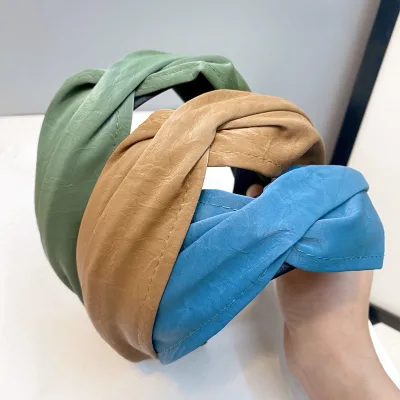
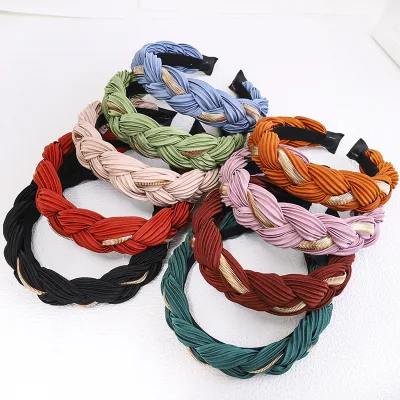
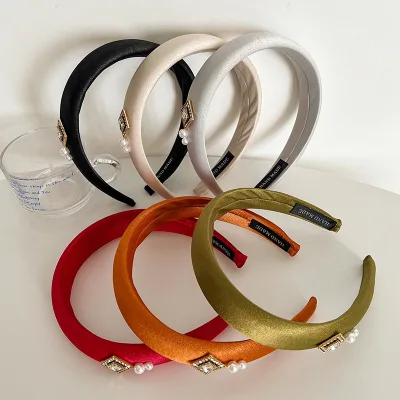
Source Retro Leather Braided Plastic Headband for Party, Festival, and Gift
Find and compare 30 Retro Leather Braided Plastic Headband options from Zhejiang suppliers. Evaluate PU and fabric materials, custom design services, and bulk pricing for women's fashion accessories.
Key considerations
Products List
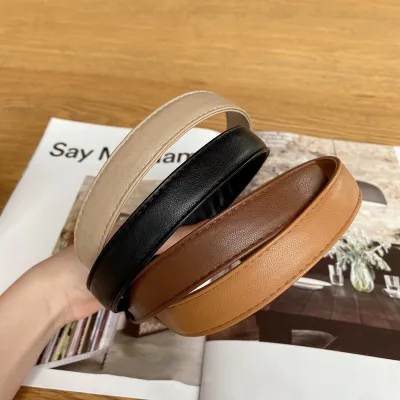


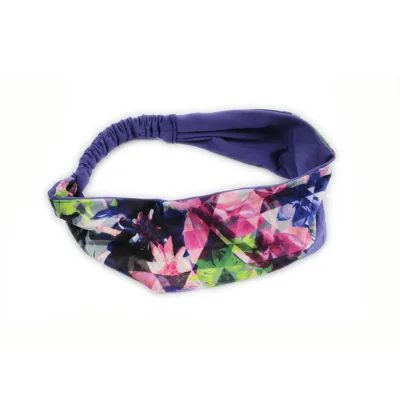
Good Elasticity Comfortable Head Band No Tight Feeling When Wearing Headband
$0.32 - $0.42
MOQ: 3000 Pieces

Elegant Luxury Design Head Band Suitable for Party Wedding and Dating Headband
$0.29 - $0.40
MOQ: 3000 Pieces
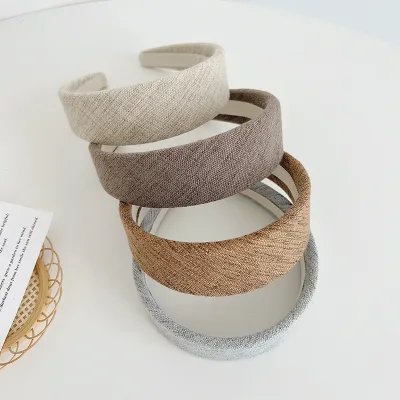
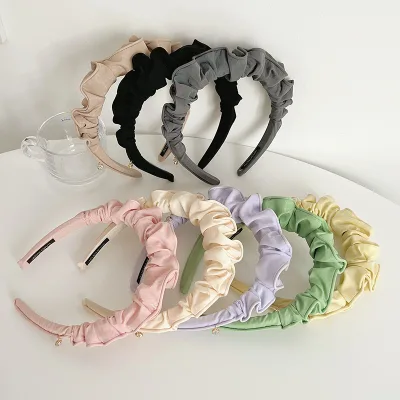
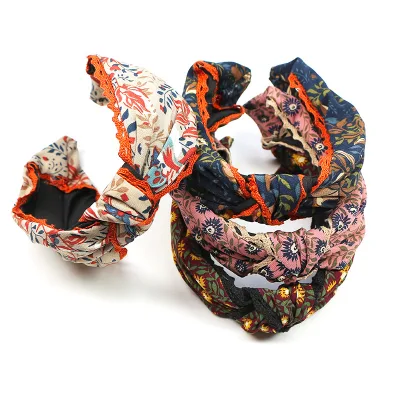


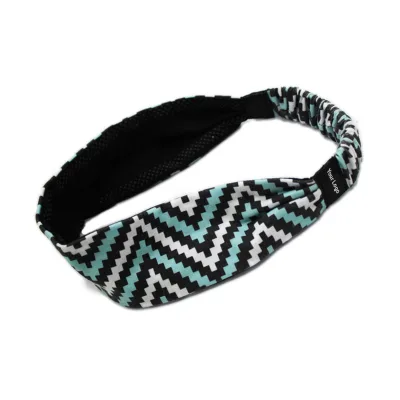

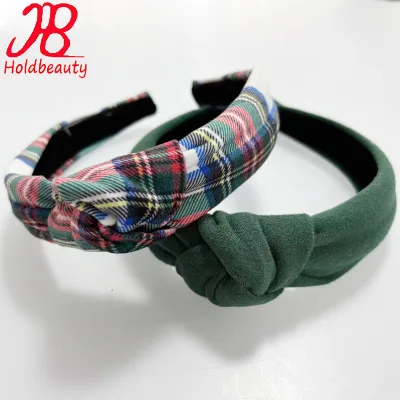
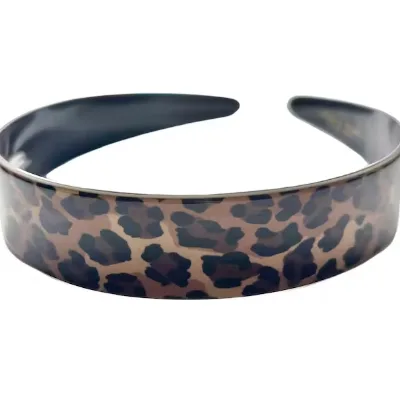
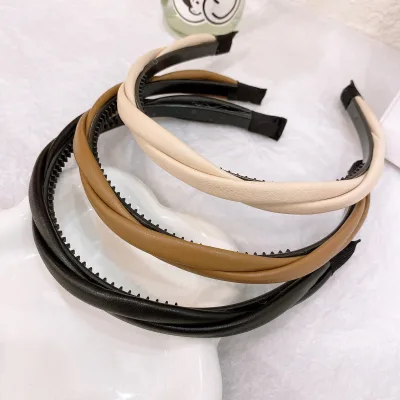


Comprehensive Sourcing Guide
Retro Leather Braided Plastic Headband Sourcing Guide
Sourcing headbands that blend retro aesthetics with modern durability requires a careful balance of material science and design verification. The term "retro leather braided plastic" often describes a composite accessory where a structural core, typically plastic or elastic, is wrapped or braided with PU leather or fabric to achieve a vintage look. Buyers must distinguish between genuine leather, which carries specific regulatory and cost implications, and synthetic alternatives like PU, which offer consistency and lower price points. The observed market data indicates a strong presence of PU-based products originating from Zhejiang, China, suggesting that the "leather" component in most listings is likely synthetic. This distinction is critical for compliance, cost forecasting, and managing customer expectations regarding texture and longevity.
The procurement strategy for these items hinges on understanding the hybrid nature of the product. While the visual appeal suggests a high-end textile or leather good, the underlying structure often relies on plastic or elastic bands for fit and resilience. This duality means that quality control must address both the mechanical integrity of the inner band and the aesthetic finish of the outer wrapping. Buyers should focus on suppliers who demonstrate expertise in both molding processes for the core and weaving or wrapping techniques for the exterior. The prevalence of "European and American Style" in the data suggests that designs often lean towards bold, solid colors and large, statement-making silhouettes, which are currently trending in casual and party wear markets.
Product Scope and Observed Listing Signals
The current market landscape for headbands is diverse, ranging from simple elastic bands to complex, multi-material constructions. Observed listings reveal a wide price range, from as low as $0.02 to $7.50, reflecting significant variation in material quality, packaging, and order volume. The most common material identified is PU, often paired with fabric or plastic cores, indicating that true leather is a niche segment within this category. The "retro" aesthetic is frequently achieved through braiding techniques or the use of solid, rich colors like black, camel, brown, and wine red. These visual cues are essential for buyers targeting specific demographics, such as ladies and girls, for occasions ranging from daily use to festivals and parties.
Minimum Order Quantities (MOQs) vary drastically, from as low as 12 pieces for sample or small-batch testing to 3,000 pieces for large-scale production runs. This variance allows buyers to scale their procurement strategy based on demand certainty. Many suppliers offer customization services, including mold making and sample creation, which is vital for brands seeking unique designs. The observed data highlights that many suppliers are based in Yiwu City and Zhejiang Province, a major hub for small commodity manufacturing. Buyers should leverage this geographic concentration to negotiate better logistics and potentially lower shipping costs, while also verifying the supplier's capacity to handle the specific MOQs required for their business model.
Technical Specifications to Verify
Verifying the physical dimensions and structural integrity of headbands is paramount to ensuring customer satisfaction. Key specifications to confirm include the width, diameter, and overall size of the headband. Observed data points to widths of 3cm and diameters of 5cm to 6cm, which are standard for comfortable, non-slip wear. Buyers must ensure that the "onesize" or "adult" sizing claims are accurate, as headbands that are too tight can cause discomfort, while those that are too loose may fail to stay in place. The material composition should be explicitly defined; for instance, confirming whether the "leather" is PU or fabric, and whether the core is plastic or elastic, directly impacts the product's durability and flexibility.
Packaging and weight specifications are also critical for logistics and retail presentation. Single package sizes are often around 15x15x3 cm, with gross weights near 0.05 kg, which helps in calculating shipping volumes and costs. Buyers should verify the packaging method, whether it is individual polybags, cardboard cards, or bulk packaging, as this affects both product protection and shelf appeal. Additionally, the presence of customization options for packaging, such as branded cards or specific carton configurations, can add value for retail clients. It is essential to confirm that the product model numbers, such as KFG5428 or Zl-456, correspond to the exact design and material specifications agreed upon in the purchase order.
Compliance and Safety Documentation
Safety and regulatory compliance are non-negotiable for hair accessories, particularly those intended for children or frequent daily use. While the supplied data does not specify exact certifications, buyers must ensure that all materials, especially the PU leather and plastic components, comply with relevant safety standards in their target markets. This includes verifying that the products are free from harmful substances such as phthalates, lead, or formaldehyde, which are often regulated in consumer goods. Buyers should request test reports from accredited laboratories to confirm that the materials meet standards like CPSIA for the US market or REACH for the European Union.
Documentation should also cover the origin and manufacturing processes to ensure ethical and legal compliance. The observed origin of Zhejiang, China, is a major manufacturing hub, but buyers must verify that the suppliers adhere to local labor laws and environmental regulations. Requesting a detailed bill of materials can help trace the source of the PU and plastic components, ensuring they are sourced from reputable suppliers. Additionally, buyers should confirm that the product labeling includes accurate material composition, care instructions, and country of origin, as these are often required by customs and retail regulations. Clear compliance documentation reduces the risk of product recalls and legal liabilities.
Cost Drivers and Commercial Terms
The cost of headbands is influenced by several factors, including material choice, production complexity, and order volume. PU leather is generally more cost-effective than genuine leather, allowing for competitive pricing, but the braiding or wrapping process can add labor costs. The observed MOQs range from 12 to 3,000 pieces, with lower MOQs typically commanding higher unit prices due to setup and production inefficiencies. Buyers should negotiate based on volume tiers, seeking discounts for larger orders while maintaining quality standards. Payment terms such as L/C, T/T, and Western Union are common, and buyers should choose methods that offer security and flexibility based on their relationship with the supplier.
Packaging and customization services also impact the final cost. Options like custom mold making and sample creation may incur additional fees, but they are essential for unique product development. Buyers should clarify whether these costs are included in the unit price or charged separately. The observed data indicates that many suppliers offer free samples, which is a valuable tool for quality verification before committing to large orders. Additionally, buyers should consider the total landed cost, including shipping and duties, when evaluating price quotes. Transparent communication about all potential costs helps in accurate budgeting and prevents unexpected expenses during the procurement process.
Supplier Qualification and Quality Control
Selecting a reliable supplier requires thorough due diligence to ensure consistent quality and timely delivery. Buyers should verify the supplier's production capabilities, including their ability to handle mold making and sample creation, which indicates a higher level of technical expertise. The observed data suggests that many suppliers offer high-quality products with customized designs, but buyers must validate these claims through sample evaluation. Requesting physical samples allows for a hands-on assessment of material quality, stitching integrity, and overall finish. This step is crucial for identifying potential issues before mass production begins.
Quality control processes should be clearly defined and agreed upon with the supplier. Buyers should establish clear acceptance criteria for defects, such as loose threads, uneven braiding, or color mismatches. Implementing a pre-shipment inspection can help catch issues early, reducing the risk of receiving substandard goods. Additionally, buyers should assess the supplier's communication and responsiveness, as these factors are critical for resolving any issues that may arise during production. Building a strong relationship with the supplier can lead to better cooperation and more favorable terms in the long run. Regular audits and performance reviews can help maintain high standards and ensure continuous improvement.
Long-Term Procurement Checks
Sourcing headbands is not a one-time transaction but an ongoing process that requires continuous monitoring and adaptation. Buyers should regularly review supplier performance metrics, such as on-time delivery rates, defect rates, and responsiveness to issues. This data can help identify reliable partners and areas for improvement. Additionally, staying informed about market trends and consumer preferences is essential for maintaining product relevance. The observed data indicates a demand for versatile headbands suitable for various occasions, from daily use to parties, suggesting that buyers should offer a diverse range of styles and colors.
Long-term success also depends on building a resilient supply chain. Diversifying suppliers can mitigate risks associated with single-source dependencies, such as production delays or quality issues. Buyers should also consider the environmental impact of their sourcing decisions, exploring options for sustainable materials and packaging where possible. Engaging in open dialogue with suppliers about future product developments can lead to innovative solutions and competitive advantages. By maintaining a proactive approach to procurement, buyers can ensure a steady supply of high-quality headbands that meet the evolving needs of their customers.
FAQs
What materials are used for these headbands?
The headbands are primarily made from PU and fabric materials. Some listings specify PU for a leather-like finish while others use fabric for elasticity. Both materials are selected to ensure durability and comfort for daily use or party occasions.
Can I customize the design and packaging?
Yes, customization is available for both design and packaging. Buyers can request specific styles, colors, and packaging options like cartons or polybags. Suppliers also offer sample making and mould making services to meet unique design requirements.
What is the minimum order quantity for these items?
The minimum order quantity varies by supplier and design. Some listings require as few as 12 pieces, while others set the MOQ at 600 or 2400 pieces per color. Buyers should check specific product pages to confirm the exact threshold for their order.
Which occasions are these headbands suitable for?
These headbands are suitable for parties, festivals, casual wear, and daily use. They are designed as gifts for ladies and girls, fitting various styles including European and American fashion trends. The solid colors and large elements make them versatile accessories.
Where are these products manufactured?
The products are manufactured in Zhejiang Province, China, specifically in Yiwu City. This region is known for its extensive manufacturing capabilities in hair accessories. The origin is consistently listed as Zhejiang for the majority of the available headband listings.
What payment methods are accepted by suppliers?
Suppliers accept various payment methods including L/C, T/T, and Western Union. These options provide flexibility for international buyers conducting B2B transactions. Buyers should confirm specific payment terms with the supplier before finalizing the order.
Are samples available for testing quality?
Free samples are available for buyers to test product quality. Suppliers provide sample making services to help verify the material and finish before placing a bulk order. This allows buyers to ensure the headbands meet their specific standards and expectations.