Source Reusable Eco Friendly Cosmetic Scoop for makeup, skincare, and cream application
Find 30 options for a Reusable Eco Friendly Cosmetic Scoop suitable for various beauty routines. Buyers can compare customization, materials, and pricing to select the right tool for makeup, skincare, or cream application needs.
Key considerations
Products List


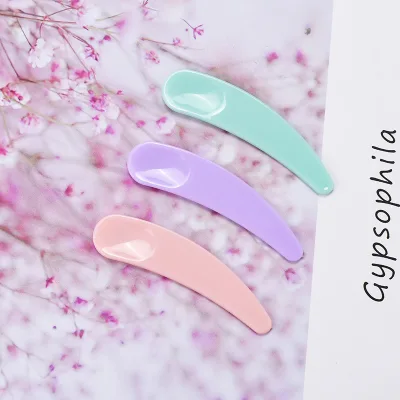

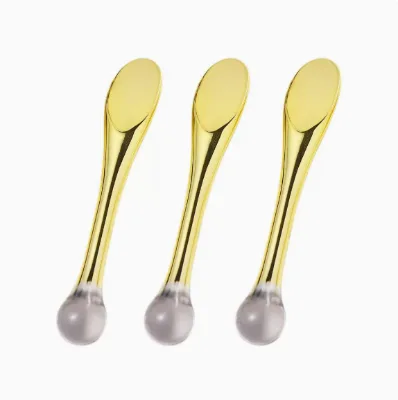
Mini Cosmetic Spatula Facial Cream Spoon Small Makeup Scoop with Logo Printing
$0.05 - $0.10
MOQ: 2000 Pieces

Cosmetic Packaging Crescent Spoon Cream Spatula Small Makeup Scoop Facial Cream Mask Spoon
$0.05 - $0.10
MOQ: 2000 Pieces


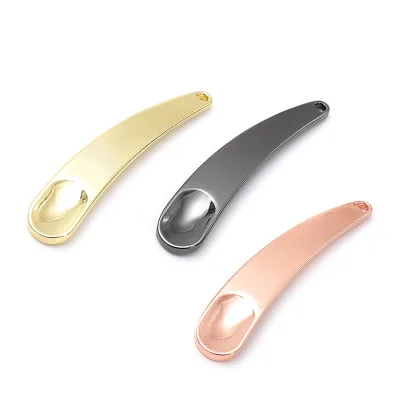
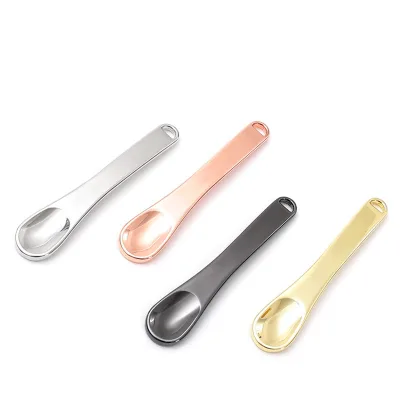
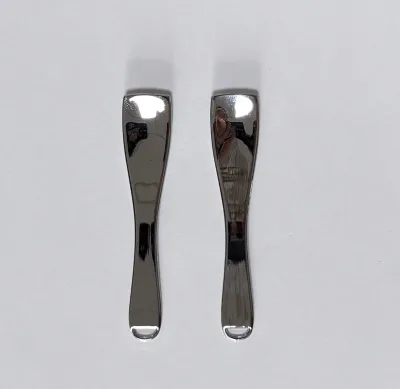
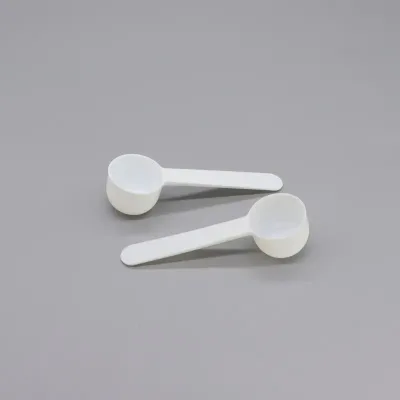
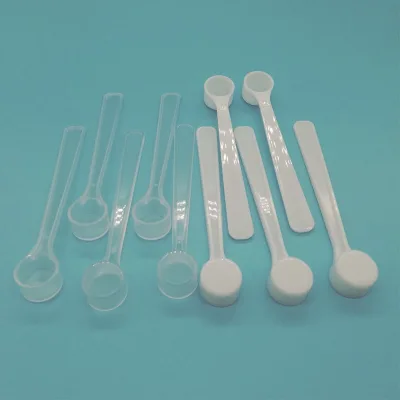
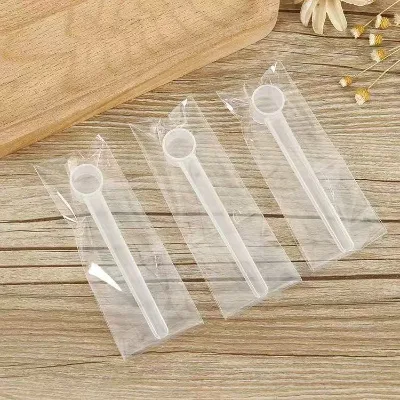
Customizable Graduated Plastic Protein Powder Scoop Accurate Plastic Scoop
$0.01 - $0.02
MOQ: 10000 pieces





Comprehensive Sourcing Guide
Strategic Sourcing Guide for Reusable Eco-Friendly Cosmetic Scoops
Understanding Product Specifications and Material Composition
When sourcing reusable eco-friendly cosmetic scoops, the primary objective is to identify products that balance durability with environmental responsibility. The market offers a diverse range of specifications, and buyers must carefully distinguish between stock items and fully customized solutions. Based on current market observations, the core material for these tools is predominantly plastic, which allows for versatile manufacturing processes while maintaining the necessary structural integrity for repeated use. The physical dimensions of these scoops vary significantly depending on their intended application. For instance, specific models are defined by precise standard measurements, such as a 13mm by 60mm profile, which dictates the scoop's capacity and reach within cosmetic containers. Other variations exist in handle length, categorized explicitly as either short-handled or long-handled designs, allowing procurement teams to select the tool that best fits the ergonomics of their target user base.
Weight is another critical specification that influences shipping costs and user perception. Observed data indicates that individual units typically weigh between 6g and 10g, a range that suggests a lightweight yet sturdy construction. However, bulk packaging weights can differ; for example, certain single-package configurations may register a gross weight of 0.600 kg, which includes the product and its immediate protective wrapping. The surface finish of these scoops is equally important for both aesthetics and functionality. Common finishing processes include embossing and hot stamping, which can be used to apply branding or decorative elements. The color options available in the market are extensive, ranging from standard stock colors like white, black, pink, green, and purple to fully customized color requests. Some listings also highlight specific metallic finishes such as gold, silver, and rose gold, which are often achieved through surface treatments rather than the base material itself.
Compliance, Certification, and Environmental Claims
In the realm of eco-friendly procurement, verifying compliance and environmental claims is paramount. Buyers must navigate the distinction between verified certifications and general marketing assertions. While some background information may reference standards such as ISO 27001 or ISO 17065, these are not explicitly confirmed as standard certifications for the specific cosmetic scoop products listed in the current data set. Therefore, a prudent sourcing strategy involves direct verification of any environmental claims with the supplier rather than relying on implied standards. The "eco-friendly" attribute is often supported by the material's recyclability. Many products in this category are explicitly labeled as recyclable, a feature that aligns with modern sustainability goals. However, the definition of "recyclable" can vary by region and local waste management infrastructure, making it essential for buyers to confirm the specific recycling protocols applicable to the product's material composition.
Furthermore, the production standards for these items are often described as "customized" or "standard," depending on the order volume. For custom orders, the production standard is tailored to the buyer's specific requirements, whereas stock items adhere to a pre-defined industry standard. It is crucial to note that while some suppliers may claim adherence to specific international standards, the provided data does not confirm universal certification across all listed products. Consequently, buyers should request third-party test reports or material safety data sheets (MSDS) to validate the safety and environmental impact of the plastic used. The shelf life of these products is another metric of quality; observed ranges indicate a potential shelf life of 3 to 5 years, suggesting that the materials are durable enough to withstand long-term storage and use without degradation. This longevity is a key component of the "reusable" claim, as it ensures the product remains functional and safe for extended periods.
Cost Drivers and Pricing Structures
The pricing structure for reusable cosmetic scoops is influenced by several dynamic factors, primarily driven by the order volume and the level of customization required. The observed price range in the market spans from $0.01 to $5.00 per unit, a wide spectrum that reflects the difference between basic stock items and highly customized, branded products. The most significant cost driver is the Minimum Order Quantity (MOQ). The market data reveals a stark contrast between stock and custom orders. For stock items, the MOQ can be as low as 30 pieces, making it accessible for small businesses or trial runs. In contrast, custom orders, which involve specific branding, colors, or packaging, typically require a much higher commitment, with MOQs reaching up to 10,000 pieces. This high threshold for customization is a standard industry practice to amortize the costs of mold creation and setup.
Additional cost factors include the complexity of the surface finish and packaging. Products featuring embossing or hot stamping may incur higher unit costs due to the additional processing steps involved. Similarly, the choice of packaging plays a role in the final price. While some suppliers offer simple poly-bag packing, others provide more elaborate solutions such as poly-bag plus standard carton configurations, which can increase the unit price due to the materials and labor required. The production capability of the supplier also impacts pricing; facilities with a monthly capacity of 500,000 pieces can often offer more competitive rates for large orders due to economies of scale. However, buyers must balance these potential savings against the high MOQ requirements. It is also important to consider the "advantage" of the material, such as stainless steel alternatives, which might command a different price point compared to plastic options, although the current data focuses heavily on plastic compositions.
Typical Applications and Functional Versatility
Reusable cosmetic scoops are designed for a wide array of applications within the beauty and personal care industry. The primary function of these tools is to facilitate the hygienic application of various cosmetic products, including eye creams, face creams, and moisturizers. The design is optimized for specific skin types, with many products targeting combination skin, though they are generally suitable for all skin types. The tools are marketed as unisex and intended for adult users, reflecting their broad appeal across different demographics. The functional benefits extend beyond simple application; many scoops are promoted for their role in preserving product integrity. By preventing direct contact between fingers and the product, these scoops help maintain the efficacy of active ingredients, supporting claims related to moisturizing, anti-aging, whitening, and sun care.
The versatility of these scoops is further enhanced by their adaptability to different product formats. Whether used for scooping cream from a jar or applying a specific dosage, the design ensures precision and control. The "short handled" and "long handled" variations allow users to choose based on the depth of the container and personal preference. Additionally, the ability to customize the logo and color means these tools can serve as effective branding assets for cosmetic companies. The "recyclable" nature of the material adds an eco-conscious dimension to their application, appealing to consumers who prioritize sustainability. The product's usage is not limited to just scooping; it also aids in the precise measurement of product, which can be crucial for skincare routines that require specific dosages. This functional versatility makes the cosmetic scoop an essential accessory in both professional spa settings and at-home beauty routines.
Supplier Evaluation and Production Capabilities
Evaluating suppliers for reusable cosmetic scoops requires a thorough assessment of their production capabilities, customization options, and logistical readiness. The market data indicates that suppliers generally offer OEM (Original Equipment Manufacturer) and ODM (Original Design Manufacturer) services, allowing buyers to leverage existing designs or create unique products. The availability of customization is a key indicator of a supplier's flexibility, with options for custom colors, logos, and packaging. For instance, the ability to accept customized logos and colors is a standard offering, enabling brands to align the product with their identity. However, the MOQ for these customizations can be substantial, often requiring a minimum of 10,000 pieces, which necessitates careful planning and inventory management.
When evaluating suppliers, buyers should also consider the geographic origin of the products. The majority of the observed products originate from China, with specific manufacturing hubs identified in regions like Zhejiang. This concentration of production can offer competitive pricing and a mature supply chain, but it also requires buyers to verify the supplier's ability to meet international shipping and compliance standards. The production capability of these suppliers is significant, with some facilities capable of producing up to 500,000 pieces per month. This high capacity suggests that suppliers can handle large-volume orders, but it also implies that they may prioritize large clients. Buyers should inquire about lead times and the supplier's ability to scale production up or down based on demand fluctuations. Additionally, the availability of free samples is a valuable indicator of a supplier's confidence in their product quality and their willingness to engage in the evaluation process.
Quality Control and Long-Term Procurement Considerations
Ensuring consistent quality in reusable cosmetic scoops involves rigorous quality control measures and a clear understanding of long-term procurement needs. The physical attributes of the product, such as weight and dimensions, must be strictly controlled to ensure they meet the specified standards. For example, the weight range of 6g to 10g and the standard size of 13mm by 60mm should be verified through random sampling during production. The surface finish, whether embossed or hot-stamped, must be consistent and free from defects that could affect the product's appearance or functionality. The shelf life of the product, ranging from 3 to 5 years, should be validated through stability testing to ensure the material does not degrade over time.
Long-term procurement considerations also include the sustainability of the supply chain. Buyers should assess the supplier's commitment to environmental practices, such as the use of recyclable materials and efficient manufacturing processes. The "eco-friendly" claim should be backed by verifiable data, such as third-party certifications or material composition reports. Furthermore, the packaging of the products should be designed to minimize waste while ensuring the product arrives in perfect condition. Options like poly-bag packing or standard cartons should be evaluated for their environmental impact and cost-effectiveness. Finally, buyers should establish a clear communication channel with the supplier to address any issues that may arise during the production or delivery process. By maintaining a proactive approach to quality control and supplier relationship management, buyers can ensure a steady supply of high-quality, eco-friendly cosmetic scoops that meet their brand's standards and customer expectations.
FAQs
Can I customize the color and logo for this cosmetic scoop?
Yes, customization for color and logo is available for this product. Buyers can select from options like gold, silver, or rose gold, and request custom logos, though custom orders typically require a minimum quantity of 10,000 pieces.
What is the minimum order quantity for stock versus custom items?
The minimum order quantity is 30 pieces for stock items and 10,000 pieces for custom orders. This distinction allows small businesses to trial stock products while larger brands can commission fully customized solutions with specific branding.
How much does a single reusable cosmetic scoop weigh?
A single unit typically weighs between 6g and 10g. This lightweight design ensures ease of use while maintaining structural integrity, though bulk packaging may have a higher gross weight depending on the specific packing configuration used.
What materials are used to make these cosmetic scoops?
The primary material used is plastic, which is noted as recyclable. Some listings also mention stainless steel as an advantage, but the core product described is a plastic tool designed for hygienic application of creams and lotions.
Which surface finishes are available for these cosmetic tools?
Available surface finishes include embossing and hot stamping. These processes allow for the application of branding or decorative elements, enhancing the aesthetic appeal and functionality of the scoop for various cosmetic applications.
Can suppliers provide free samples for evaluation?
Yes, suppliers offer free samples for product evaluation. This allows buyers to verify the quality, weight, and finish before committing to larger orders, which is particularly useful when assessing the recyclable plastic material and surface treatments.
What is the production capacity for these cosmetic scoops?
The production capacity is up to 500,000 pieces per month. This high volume capability supports large-scale orders, ensuring that suppliers can meet demand for both standard stock items and customized production runs efficiently.