Source reusable non-stick silicone candle molds for baking, soap, and crafts
Compare 30 listings for reusable non-stick silicone candle molds with customizable logos and various dimensions. Buyers can evaluate specifications like FDA certification, packaging options, and sample times from suppliers in China.
Key considerations
Products List


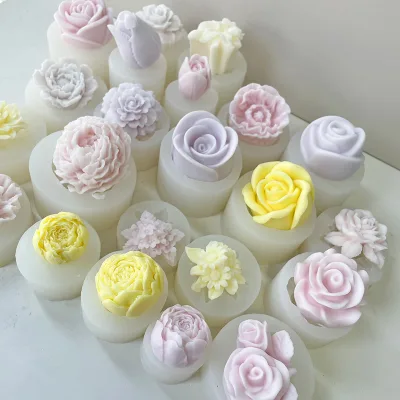



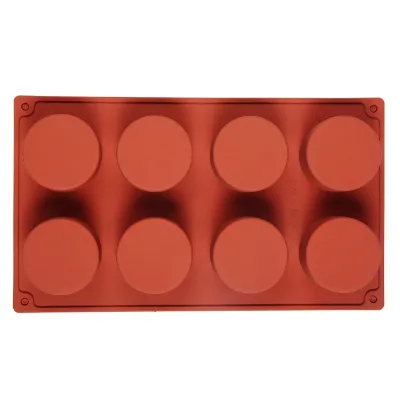


High Quality Low MOQ Cheap Multi Shape Irregular Candle Silicon Candle Mould
$0.60 - $2.00
MOQ: 100 Pieces
Comprehensive Sourcing Guide
Strategic Sourcing Guide for Reusable Non-Stick Silicone Candle Molds
The global market for candle-making supplies has seen a significant shift toward reusable, high-performance tools that enhance both artisanal creativity and industrial efficiency. Among these, reusable non-stick silicone candle molds have emerged as a critical component for manufacturers and hobbyists alike. Sourcing these items requires a disciplined approach that balances material integrity, dimensional precision, and supply chain reliability. This guide provides a comprehensive framework for buyers to evaluate potential suppliers, verify product specifications, and mitigate procurement risks without relying on unverified claims.
Material Composition and Physical Properties
The foundation of any high-quality candle mold lies in its material composition. In the context of the current market data, silicone is the predominant material identified for these products. Silicone offers distinct advantages over traditional materials like plastic or metal, primarily due to its thermal stability and flexibility. Buyers must verify that the silicone used is food-grade or specifically rated for candle-making, as this ensures the material can withstand the heat of molten wax without degrading or releasing harmful fumes.
Physical attributes such as hardness and texture are equally critical. The observed product data indicates a "Soft" hardness rating, which is essential for the demolding process. A soft silicone mold allows the candle to be easily released without breaking, even when intricate designs are involved. This flexibility is a key differentiator from rigid molds, which often require forceful extraction that can damage delicate candle structures. Furthermore, the non-stick nature of the silicone is a functional observation rather than a guaranteed performance metric for every unit. Buyers should request sample testing to confirm that the surface does not adhere to the wax, ensuring a clean release and preserving the mold's longevity.
Technical Specifications and Dimensional Standards
Precision in manufacturing is paramount for consistent candle production. The technical specifications of silicone molds vary significantly based on the intended design and capacity. Market observations reveal a wide range of dimensions, with specific models adhering to strict size standards. For instance, one model is documented with dimensions of 18.512.42cm, while another measures 29.5223.1cm. These variations indicate that buyers must carefully match mold dimensions to their specific production needs, whether for small votives or large pillar candles.
The weight of the molds also varies, with data points showing weights ranging from 13g for small sizes to 39g for larger variants, and other models weighing up to 75g or 100g. These weight differences often correlate with the thickness of the silicone walls and the overall volume of the mold. Thicker walls generally provide better heat retention and durability but add to the shipping cost. Buyers should establish a clear specification sheet that includes length, width, height, and weight for each model they intend to purchase. Relying on generic descriptions can lead to mismatches in production output.
| Model Reference | Dimensions (cm) | Weight (g) | Shape | Color Options |
|---|---|---|---|---|
| KR391 | 18.512.42 | N/A | N/A | White |
| KR396 | 29.5223.1 | N/A | N/A | N/A |
| KR378 | 22172.2 | N/A | N/A | N/A |
| KR724 | 8.58.59 | N/A | N/A | N/A |
| KR316 | 31.623.54.3 | N/A | N/A | N/A |
| KR356 | 27.525.12.3 | N/A | N/A | N/A |
| GP-SWM001 | S: 6.44.9, L: 9.77 | 75 | Round | Pink, Blue |
Compliance, Certification, and Safety Standards
Safety compliance is a non-negotiable aspect of sourcing silicone products, particularly those intended for use with heat and potential food or cosmetic contact. The market data explicitly mentions FDA certification as a high-confidence fact for certain products. This certification indicates that the silicone material meets specific safety standards for food contact, which is often a proxy for safety in candle-making where the mold may come into contact with wax that is later used in environments where food safety is a concern.
However, buyers must exercise caution. The presence of an FDA certification claim in one product listing does not automatically extend to all products from the same supplier or category. Each batch or model should be verified individually. Buyers should request current certification documents directly from the supplier rather than relying on marketing materials. Additionally, while the data mentions "Made in China" and specific origins like Zhongshan and Guangdong, the geographic origin does not dictate quality. Instead, the focus should remain on the specific manufacturing controls and quality assurance protocols employed by the supplier.
Customization Capabilities and Branding Options
One of the primary drivers for sourcing silicone molds in a B2B context is the ability to customize products for branding or specific design requirements. The observed data highlights that customization is highly welcome, with options for OEM (Original Equipment Manufacturer) and ODM (Original Design Manufacturer) services. This means suppliers are generally open to producing molds with unique shapes, sizes, or internal structures tailored to a buyer's specifications.
Branding is another critical area. Suppliers frequently offer the acceptance of customized logos, allowing businesses to imprint their brand directly onto the mold or its packaging. The packaging itself is also customizable, with options ranging from simple OPP bags to paper boxes or fully branded custom packaging. This flexibility is essential for companies looking to create a cohesive brand identity. However, buyers should clarify the minimum order quantities (MOQ) required for these customizations. While standard MOQs in the market range from 1 to 1000 units, custom logo printing or unique mold designs often require higher volume commitments to be economically viable.
Cost Drivers and Pricing Dynamics
Understanding the cost structure of silicone candle molds is essential for budgeting and margin analysis. The observed price range in the market spans from $0.10 to $3.80 USD per unit. This wide variance is influenced by several factors, including the complexity of the mold design, the weight of the silicone used, and the level of customization required. Simpler, smaller molds with standard dimensions will naturally fall at the lower end of the price spectrum, while larger, intricately designed molds with custom branding will command higher prices.
MOQ is another significant cost driver. Suppliers often offer tiered pricing, where the unit cost decreases as the order volume increases. The data indicates an MOQ range of 1 to 1000 units, suggesting that buyers can start with small test orders but should plan for larger volumes to achieve optimal pricing. Additionally, the sample time, observed as 3 days in some cases, can impact the overall procurement timeline and cost. Faster sample turnaround may incur premium fees, while longer lead times might reduce the unit cost but delay product launch.
Supplier Evaluation and Quality Control Protocols
Evaluating a supplier for silicone candle molds requires a multi-faceted approach that goes beyond price comparison. Buyers should assess the supplier's production capacity, quality control processes, and ability to meet customization requests. The availability of samples is a crucial step in this evaluation. With a sample time of approximately 3 days noted in the market, buyers can quickly test the physical properties of the mold, such as its flexibility, non-stick performance, and dimensional accuracy.
Quality control should be a continuous process. Buyers must verify that the supplier maintains consistent standards across batches. This includes checking for defects such as air bubbles, uneven walls, or incomplete curing, which can affect the mold's performance. The "Non-Disposable" attribute observed in the data suggests that these molds are designed for long-term use, making durability a key quality metric. Buyers should request test reports or performance data to confirm that the molds can withstand repeated heating and cooling cycles without degrading.
Long-Term Procurement and Supply Chain Resilience
For sustainable procurement, buyers must consider the long-term relationship with their supplier. The "Reusable" nature of these molds implies a need for consistent supply over an extended period. Buyers should evaluate the supplier's ability to scale production as their business grows. The diversity of models available, from small round molds to large rectangular ones, indicates that a robust supplier can offer a wide range of solutions to meet evolving market demands.
Logistics and packaging also play a vital role in long-term success. The data shows various packaging options, including separate OPP protective bags and cartons. Proper packaging is essential to prevent damage during transit, especially for delicate silicone molds. Buyers should ensure that the supplier uses packaging that protects the molds from crushing or deformation. Furthermore, the "Disposable" attribute being marked as "Non-Disposable" reinforces the need for durable packaging that can be reused or recycled, aligning with modern sustainability goals.
In conclusion, sourcing reusable non-stick silicone candle molds requires a strategic approach that prioritizes material quality, dimensional precision, and supplier reliability. By carefully analyzing technical specifications, verifying certifications, and understanding cost drivers, buyers can build a resilient supply chain that supports high-quality candle production. The flexibility of customization and the variety of available models provide ample opportunities for businesses to differentiate their products in a competitive market.
FAQs
What materials are used for these candle molds?
The molds are made of silicone, which offers thermal stability and flexibility. This material allows for easy demolding of intricate designs without breaking the candle structure during removal.
Can I customize the logo on the molds?
Yes, suppliers accept customized logos on the products and packaging. OEM and ODM services are highly welcome for buyers seeking specific branding or unique design requirements for their business.
What is the minimum order quantity for these molds?
The minimum order quantity ranges from 1 to 1000 units depending on the supplier and customization level. Some specific models like GP-ECM003 have a defined MOQ of 100 pieces for standard orders.
Are these molds certified for safety standards?
Certain products in this category hold FDA certification for safety compliance. Buyers should verify specific certification documents for each batch to ensure the silicone meets required safety standards for heat and contact.
How long does it take to get a sample?
The sample time is typically around 3 days for standard requests. This quick turnaround allows buyers to test physical properties like hardness and non-stick performance before committing to larger production runs.
What packaging options are available for these molds?
Packaging options include OPP bags, paper boxes, or fully customized solutions. Specific items may come in separate OPP protective bags or cartons to ensure the molds arrive without damage during transit.
Which dimensions are available for these silicone molds?
Dimensions vary by model, with examples ranging from 8.5*8.5*9cm to 31.6*23.5*4.3cm. Buyers must select specific models like KR391 or GP-SWM001 based on their required length, width, and height specifications.
Are these molds reusable or disposable?
The molds are non-disposable and designed for long-term reuse. Their soft silicone construction ensures durability through repeated heating and cooling cycles without degrading or losing their shape over time.