Source Reusable Plain Chair Cover for Home, Business, and Balcony
Compare 30 listings for Reusable Plain Chair Cover featuring high elasticity, dust-proof protection, and machine-washable care. Buyers can evaluate options for living rooms, bedrooms, and balconies with varying customization and OEM/ODM support.
Key considerations
Products List


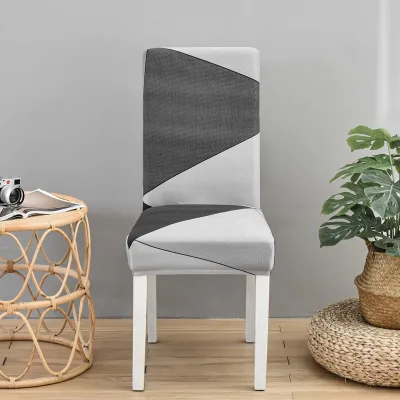
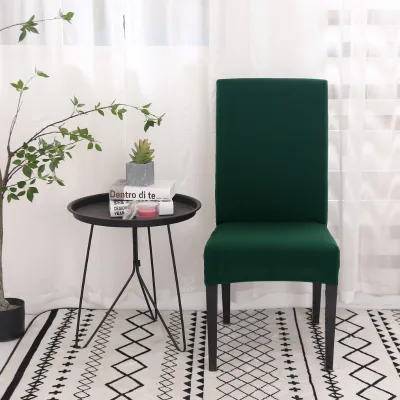
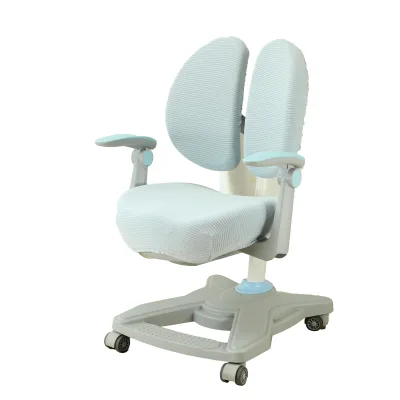
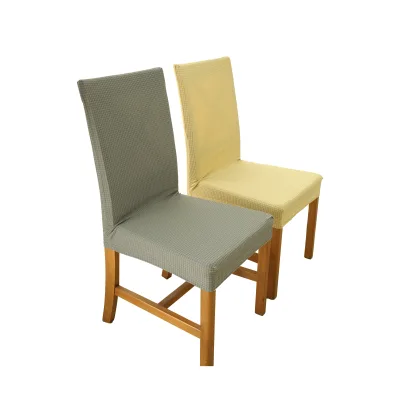


Comprehensive Sourcing Guide
Strategic Sourcing Guide for Reusable Plain Chair Covers
The global market for reusable chair covers has expanded significantly as businesses and homeowners seek sustainable, cost-effective solutions for furniture protection. For procurement professionals targeting the specific niche of reusable plain chair covers, the sourcing landscape requires a nuanced understanding of material properties, manufacturing capabilities, and supply chain logistics. This guide synthesizes observed market data and technical attributes to provide a disciplined framework for evaluating potential suppliers and products. The focus remains on the intersection of functional durability, aesthetic simplicity, and commercial viability.
Technical Specifications and Material Composition
When evaluating reusable plain chair covers, the primary technical differentiator lies in the material composition and the resulting physical properties. Based on current market observations, the dominant material for this category is 100% polyester. This synthetic fiber is selected for its balance of cost, durability, and ease of maintenance. Buyers must verify that the fabric possesses specific functional attributes such as high elasticity, which allows the cover to fit snugly over various chair shapes without tearing.
The construction of the cover also dictates its performance. Observed data indicates that covers are available in both "Flocked" and "Plain" patterns, with "Twill" and "Crocheted" being noted craftsmanship styles. For a "plain" requirement, the focus shifts to the weave density and finish. Key technical features observed in high-performing units include waterproof and oilproof capabilities, alongside resistance to high temperatures and anti-static properties. These features are critical for commercial environments where spills and static electricity are common hazards.
Furthermore, the physical dimensions and thickness play a vital role in the product's longevity. Specifications such as "Medium" thickness are common, offering a balance between protection and drape. The standard size is often listed as 90x45x45 cm, though customization is frequently available to accommodate unique furniture dimensions. Buyers should confirm whether the product adheres to standard sizing or requires bespoke manufacturing, as this impacts the lead time and unit cost. The shape of the cover, whether round or rectangular, must align precisely with the target furniture to ensure a secure fit that does not slip during use.
Compliance, Certification, and Safety Standards
In the B2B procurement of textile products, compliance with safety and quality standards is non-negotiable. While specific certification names are not universally mandated for all chair covers, buyers must verify that the supplier adheres to recognized industry standards for textile safety. The product origin is frequently cited as China, with specific manufacturing hubs like Foshan, Guangdong, known for textile production.
Buyers should request documentation regarding the chemical safety of the dyes and finishes used, particularly given the "Waterproof" and "Oilproof" claims. These treatments often involve chemical coatings that must meet international regulations for hazardous substances. Additionally, the "Anti Cat Scratch" feature observed in some listings suggests a need for durability testing. While specific test results are not provided in general market data, procurement teams should demand evidence of abrasion resistance and tensile strength testing.
For products intended for commercial use, such as in hotels or offices, fire retardancy is a critical compliance area. Although not explicitly listed in the provided attributes, this is a standard requirement for furniture textiles in many jurisdictions. Buyers must explicitly ask suppliers if the polyester fabric meets local fire safety codes. The "Warranty Period" of up to 3 years observed in some listings serves as an indicator of the manufacturer's confidence in their product's durability, but it should be backed by clear terms regarding what constitutes a defect versus normal wear and tear.
Cost Drivers and Pricing Dynamics
The pricing structure for reusable chair covers is influenced by several variable factors. The observed price range in the market spans from $0.01 to $20.00 USD, a wide variance that reflects differences in material quality, customization levels, and order volume. The primary cost driver is the level of customization. Products labeled with "Customized" specifications or specific model numbers like "CHANMIAN" or "GEMIAN" often command higher prices due to the additional setup and production time required.
Order volume is another significant determinant of cost. The Minimum Order Quantity (MOQ) varies widely, ranging from 1 piece to 100,000 pieces. Suppliers offering an MOQ of 1 are typically targeting small businesses or individual buyers, resulting in a higher per-unit cost. Conversely, suppliers with an MOQ of 100 pieces or higher can offer more competitive pricing by optimizing their production runs. Buyers should be aware that the "Sample Time" of 15 days and "Delivery Time" of 20-25 days can impact the total cost of ownership if expedited shipping is required.
Payment terms also affect the financial dynamics of the transaction. A common term observed is a 40% deposit via T/T (Telegraphic Transfer). This upfront requirement helps suppliers secure raw materials but increases the buyer's initial capital outlay. The packaging method, whether "Carton" or "Woven Bag," also influences shipping costs. Bulkier packaging increases freight charges, so buyers should negotiate packaging specifications to minimize volume while ensuring product protection during transit.
Typical Applications and Usage Scenarios
Reusable plain chair covers are versatile and serve a broad spectrum of applications. The primary usage categories identified are "Home Decoration" and "Business" environments. In residential settings, these covers are ideal for protecting furniture in living rooms, bedrooms, and balconies. The "Modern Simplicity" style and "All Seasons" suitability make them a practical choice for year-round use, offering protection against dust and daily wear without compromising the aesthetic of the room.
In the commercial sector, the applications are equally diverse. The "Application" field frequently lists "Chairs / Furniture," indicating suitability for office spaces, conference rooms, and dining areas. The "Anti Cat Scratch" and "High Elasticity" features are particularly valuable in households with pets, while the "Waterproof" and "Oilproof" attributes are essential for restaurants and cafes where spills are inevitable. The "Cushion: Optional" feature allows buyers to select covers that provide additional comfort or simply act as a protective layer.
The "Suitable for: Chair" specification confirms that these products are designed specifically for seating, but the "Round" and "Rectangular" shape options suggest adaptability to different chair designs. Whether for a dining chair with a round back or an office chair with a rectangular frame, the availability of customization ensures a precise fit. The "Practicality" type classification underscores the functional nature of these products, prioritizing utility and protection over purely decorative elements.
Supplier Evaluation and Sourcing Strategy
Selecting the right supplier requires a rigorous evaluation process that goes beyond price comparison. Buyers should prioritize suppliers who demonstrate flexibility in "OEM/ODM" services. The acceptance of OEM (Original Equipment Manufacturer) and ODM (Original Design Manufacturer) indicates that the supplier can tailor products to specific branding or design requirements. This is crucial for businesses looking to create a unified brand identity across their furniture.
The "Craftsmanship" of the product is another key evaluation metric. Whether the covers are "Handmade" or machine-produced affects the consistency and finish of the final product. Handmade items may offer superior attention to detail but come with higher costs and longer lead times. Buyers must balance these factors based on their volume needs. The "Status: New" attribute suggests that suppliers are offering current, up-to-date inventory, which is preferable for ensuring the latest design trends and material technologies.
When evaluating suppliers, buyers should also consider their logistical capabilities. The "Packing" methods, such as "Carton and Woven Bag," should be assessed for their ability to protect the product during international shipping. Suppliers with a history of reliable delivery, as indicated by the "Delivery Time" of 20-25 days, are preferable to those with uncertain timelines. Additionally, the "Sample Time" of 15 days should be factored into the project timeline to ensure that product validation does not delay the overall procurement schedule.
Quality Control and Long-Term Procurement Considerations
Maintaining consistent quality is essential for long-term procurement success. Buyers should implement a quality control protocol that includes pre-shipment inspections. Key checkpoints should include the integrity of the "High Elasticity" seams, the uniformity of the "Plain" pattern, and the effectiveness of the "Waterproof" coating. The "Cleaning Method" of "Machine Washable" is a critical feature that must be verified through testing to ensure the cover retains its properties after multiple wash cycles.
Long-term considerations also involve the scalability of the supply chain. Suppliers with a high MOQ capacity, such as 100,000 pieces, are better positioned to handle sudden increases in demand. However, buyers must ensure that the supplier can maintain quality consistency at high volumes. The "Warranty Period" of 3 years is a strong indicator of a supplier's commitment to product longevity, but it is essential to understand the terms of this warranty. Does it cover manufacturing defects only, or does it include wear and tear?
Finally, buyers should consider the environmental impact of their procurement choices. The use of 100% polyester raises questions about sustainability and recyclability. While the product is reusable, which reduces waste compared to disposable covers, the end-of-life disposal of synthetic fibers remains a concern. Procurement teams should inquire about the supplier's recycling programs or the use of recycled polyester materials. By prioritizing suppliers who demonstrate a commitment to sustainability and quality, buyers can build a resilient and responsible supply chain for reusable chair covers.
Comparative Analysis of Product Attributes
To facilitate decision-making, the following table summarizes the key attributes observed in the market for reusable plain chair covers. This comparison helps buyers identify the most suitable product based on their specific requirements.
| Attribute Category | Observed Options | Strategic Implication |
|---|---|---|
| Material | 100% Polyester | High durability, easy cleaning, cost-effective. |
| Pattern | Plain, Flocked, Printed, Twill | "Plain" offers versatility; "Flocked" adds texture. |
| Features | Waterproof, Oilproof, Anti-Static, High Elasticity | Essential for commercial and pet-friendly environments. |
| MOQ Range | 1 to 100,000 Pieces | Flexible for startups; bulk pricing for large enterprises. |
| Lead Time | 15 Days (Sample), 20-25 Days (Delivery) | Plan inventory buffers to accommodate production cycles. |
| Customization | Available (OEM/ODM) | Enables branding and specific sizing requirements. |
| Packing | Carton, Woven Bag, Bag Packaging | Affects shipping volume and product protection. |
| Origin | China (Foshan, Guangdong) | Major manufacturing hub with established supply chains. |
This structured approach to sourcing ensures that buyers can navigate the complexities of the reusable chair cover market with confidence, focusing on technical specifications, supplier reliability, and long-term value.
FAQs
What material is used for reusable plain chair covers?
The primary material is 100% polyester, selected for its durability and cost-effectiveness. This synthetic fiber allows for easy maintenance and offers resistance to stains and shrinking while maintaining high elasticity for a snug fit.
Can these covers be customized for specific furniture dimensions?
Yes, customization is available for buyers needing specific sizes or designs. While standard sizes like 90x45x45 cm exist, suppliers accept custom orders to ensure the cover fits unique chair shapes perfectly without slipping.
What is the typical minimum order quantity for these covers?
The minimum order quantity varies significantly, ranging from just one piece to 100,000 pieces depending on the supplier. Lower MOQs suit small businesses, while higher volumes often secure better pricing and optimized production runs.
How long does it take to receive a sample order?
Sample production typically requires 15 days to complete before shipping begins. This lead time ensures the quality of handmade or specialized finishes is verified before the bulk production and delivery phase, which takes 20 to 25 days.
Which features protect the furniture from daily wear and spills?
Key protective features include waterproof, oilproof, and anti-static properties alongside high elasticity. These attributes ensure the cover resists dust, cat scratches, and wrinkles while remaining machine washable for long-term hygiene and use.
Where are these chair covers primarily manufactured?
Most products originate from China, with specific manufacturing hubs located in Foshan, Guangdong. This region is known for textile production and offers a wide range of suppliers capable of handling both OEM and ODM requests.
What payment terms are commonly accepted by suppliers?
A standard payment term involves a 40% deposit via Telegraphic Transfer before production starts. This upfront requirement helps secure raw materials, with the balance typically settled upon shipment or according to specific contract agreements.