Source Reusable Wedding Dress Dust Cover for storage, travel, and display
Compare 30 options for a Reusable Wedding Dress Dust Cover designed for storage, travel, and display. Buyers can evaluate specifications like size, material, and customization to find the right supplier for their needs.
Key considerations
Products List
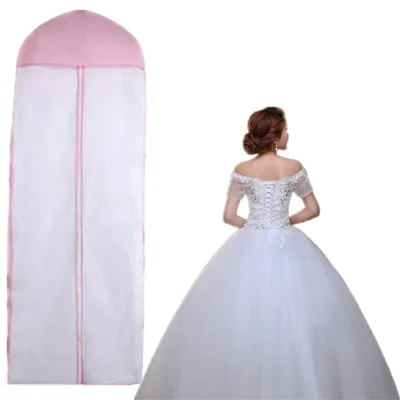

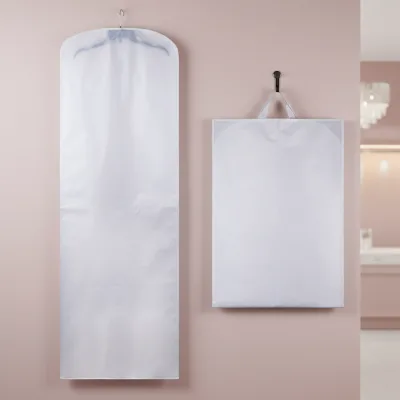
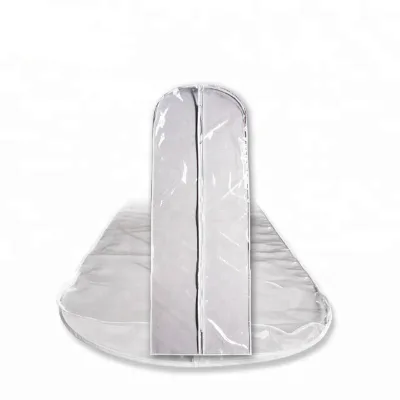
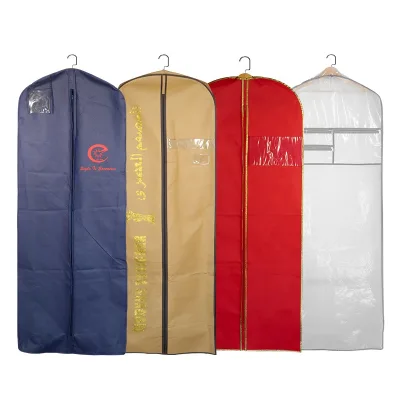
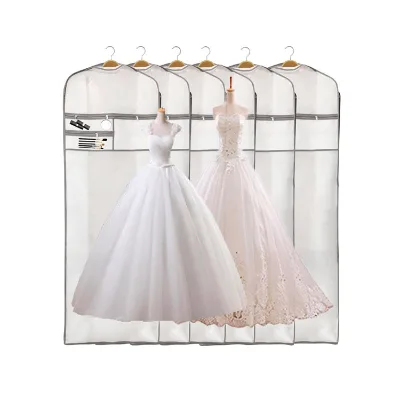
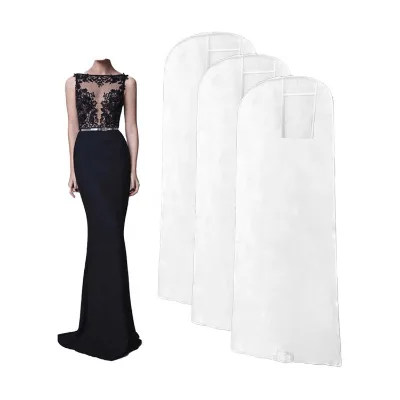


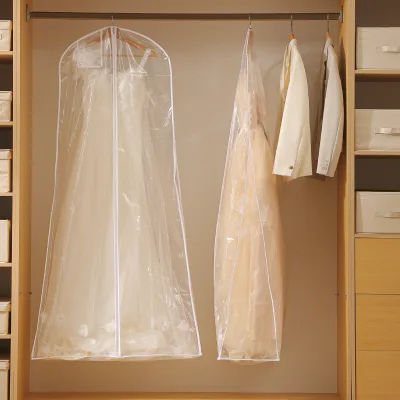

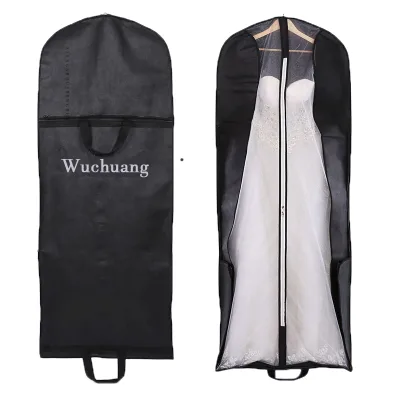




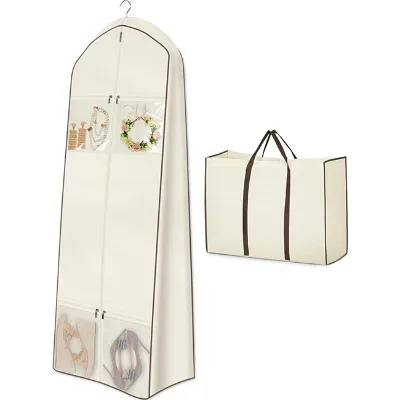
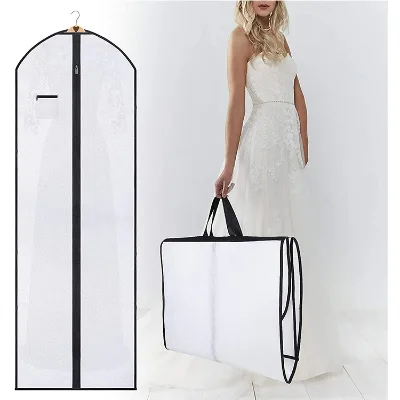


Comprehensive Sourcing Guide
Reusable Wedding Dress Dust Cover Sourcing Guide
Sourcing reusable wedding dress dust covers requires a careful balance between protective functionality and logistical efficiency. These specialized garment bags are designed to safeguard delicate bridal attire during storage, transit, and display, ensuring that intricate fabrics and embellishments remain free from dust, moisture, and physical damage. Buyers must navigate a market where product attributes vary significantly, from material composition to closure mechanisms, to find solutions that align with specific operational needs. The following guide provides evidence-based procurement strategies to help buyers make informed decisions when evaluating suppliers and products in this category.
The procurement process for these items involves verifying critical specifications such as material durability, size compatibility, and customization options. While many listings highlight features like portability and dustproofing, buyers must distinguish between marketing claims and verifiable product attributes. Understanding the observed market signals, including price ranges and minimum order quantities (MOQs), allows buyers to benchmark offers and negotiate effectively. This guide focuses on practical verification steps and commercial considerations to mitigate risk and ensure the acquisition of high-quality protective packaging solutions.
Product Scope and Observed Listing Signals
The market for reusable wedding dress dust covers presents a diverse range of products, with observed listing prices ranging from $0.21 to $5.66 USD. This wide variance often reflects differences in material quality, branding, and order volume. Buyers should note that the observed Minimum Order Quantity (MOQ) ranges from 5 to 5,000 pieces, indicating flexibility for both small-scale retailers and large institutional buyers. High-confidence data points reveal that common brands in this space include Aifan, Shiyong, and Jingcheng, each offering distinct product lines tailored to different market segments.
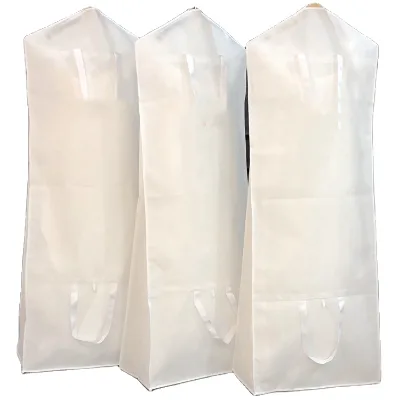
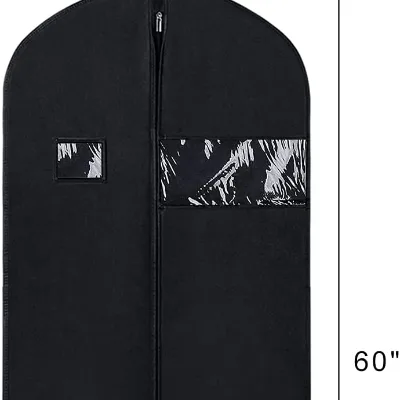
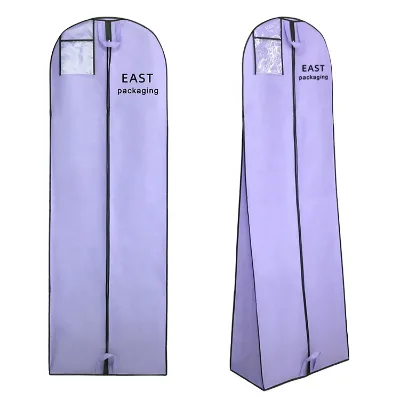
Product attributes vary significantly across listings, with some items specified as non-woven fabric while others incorporate PVC plastic types or satin hangers. Sizes also differ, with common dimensions including 1806010cm and 160*55cm, catering to various garment lengths and bulk requirements. Some products are marketed with specific model numbers like "fancy bag-8589" or "hs-014," which may indicate specialized designs or manufacturer-specific standards. Buyers must carefully cross-reference these specifications with their actual storage and transportation needs to avoid mismatches in capacity or durability.
Technical Specifications to Verify
Material composition is a primary technical factor, with non-woven fabric and plastic linings being common choices. Non-woven materials are often preferred for their breathability and cost-effectiveness, while plastic linings may offer enhanced moisture resistance. Buyers should verify the specific material grade and thickness, as these factors directly impact the cover’s ability to protect against dust and tearing. Additionally, the presence of features like silk printing or heat transfer printing suggests potential for branding, which may be relevant for corporate gifting or retail resale.
Closure mechanisms and structural design are equally critical for functionality. Zipper closures are frequently cited, providing secure sealing against dust ingress, while flexible functional designs allow for easy packing and storage. Buyers must confirm the single package size and gross weight, which are essential for calculating shipping costs and storage space requirements. For instance, some listings indicate a single gross weight of 0.150 KG or 0.350kg, which can significantly affect logistics planning for bulk orders. Verifying these physical attributes ensures that the product meets both protective and logistical requirements.
Compliance and Safety Documentation
While specific certification statuses are not uniformly provided in the observed data, buyers should prioritize suppliers who can demonstrate adherence to relevant safety and quality standards. For products involving plastic components or printed materials, verifying compliance with international safety regulations is crucial to prevent the release of harmful substances. Buyers should request documentation confirming that materials are free from hazardous chemicals, particularly if the covers are intended for direct contact with delicate fabrics or for use in environments with strict health and safety protocols.
Customization options, such as OEM logo acceptance, introduce additional compliance considerations. When suppliers apply custom logos via silk printing or heat transfer, buyers must ensure that the inks and adhesives used meet environmental and safety standards. It is advisable to request material safety data sheets (MSDS) or test reports for printed components to verify that they do not compromise the integrity of the garment or pose risks to end-users. Proactive verification of these documentation requirements helps mitigate liability and ensures that the sourced products align with broader corporate sustainability and safety goals.
Cost Drivers and Commercial Terms
Pricing in this category is heavily influenced by order volume, material selection, and customization requirements. The observed MOQ range of 5 to 5,000 pieces suggests that economies of scale play a significant role in unit costs. Buyers placing larger orders may benefit from lower per-unit prices, but must balance this against inventory holding costs and storage constraints. Additionally, products offering OEM services or customized logos may incur higher setup fees or minimum order thresholds, which should be factored into the total cost of ownership.
Commercial terms such as packing methods and lead times also impact overall procurement costs. Standard packing, such as 1pc/opp, is common, but buyers should verify if bulk packing options are available to reduce shipping volume and associated freight charges. While specific lead times are not detailed in the observed data, buyers should establish clear expectations with suppliers regarding production schedules and delivery windows. Negotiating favorable payment terms and clarifying responsibilities for shipping and insurance can further optimize the financial outcome of the procurement process.
Supplier Qualification and Quality Control
Supplier qualification should begin with verifying the place of origin, with Zhejiang and Guangdong in China being prominent manufacturing hubs for these products. Buyers should assess the supplier’s production capacity and quality control processes to ensure consistency in product attributes. Given the variability in materials and specifications, requesting physical samples is a critical step in validating the supplier’s ability to meet technical requirements. Samples allow buyers to inspect the zipper quality, material durability, and print accuracy before committing to a larger order.
Quality control measures should include checks for structural integrity, such as the strength of seams and the reliability of closure mechanisms. Buyers should also verify that the product dimensions match the specified single package size and gross weight, as discrepancies can lead to logistical issues. Establishing clear acceptance criteria and inspection protocols with the supplier helps ensure that the delivered goods meet the agreed-upon standards. Regular communication and periodic audits can further reinforce quality assurance and build a reliable supply chain partnership.
Long-Term Procurement Checks
Long-term procurement success depends on the ability to adapt to changing market conditions and customer preferences. Buyers should monitor trends in material innovation, such as the development of more sustainable or durable fabrics, to stay competitive. Additionally, keeping abreast of regulatory changes in target markets ensures that sourced products remain compliant with evolving safety and environmental standards. Regularly reviewing supplier performance and product quality helps identify potential issues early and allows for timely corrective actions.
Building a diversified supplier base can mitigate risks associated with single-source dependencies. By engaging with multiple suppliers across different regions, buyers can ensure continuity of supply and leverage competitive pricing. Furthermore, maintaining open lines of communication with suppliers fosters collaboration on product improvements and customization options. Continuous evaluation of procurement strategies and market dynamics enables buyers to optimize their sourcing operations and deliver high-quality protective solutions to their customers.
FAQs
What material is used for the Reusable Wedding Dress Dust Cover?
The product is made from non-woven fabric with a plastic lining option. Some listings specify PVC plastic types for durability. This material choice ensures the cover remains lightweight while providing effective dust protection for wedding gowns during storage or travel.
Can I customize the logo on the wedding dress dust cover?
Yes, OEM and customized logo services are available for this product. Buyers can request specific branding to be applied via silk printing or heat transfer methods. This customization allows businesses to create branded packaging for their clients or internal inventory management.
What is the minimum order quantity for these dust covers?
The minimum order quantity varies by supplier, ranging from 100 pieces to 5000 pieces. Specific listings indicate MOQs of 1000 pieces for certain models, while others accept orders as low as 100 pieces. Buyers should verify the exact MOQ with the specific manufacturer before placing an order.
How large is the standard size for the garment dust cover?
Standard dimensions for the cover are typically 180 by 60 by 10 centimeters. Another common specification lists the size as 160 by 55 centimeters. These sizes are designed to accommodate wedding dresses and other formal garments while remaining portable for travel or storage.
Where are these wedding dress dust covers manufactured?
These products originate from manufacturing facilities in China, specifically in Zhejiang and Guangdong provinces. The location indicates a concentration of textile and packaging production capabilities in these regions. Buyers sourcing from these areas can expect established supply chains for garment accessories.
What closure type is used for the wedding dress cover bag?
The product features a zipper closure to secure the garment inside. This design ensures the dress remains protected from dust and moisture while allowing easy access. The zipper mechanism is integrated into the non-woven fabric structure for a seamless finish.