Source Reversible Four-Way Stretch Sports Suit for Soccer, Cycling, Rugby
Find 30 listings for the Reversible Four-Way Stretch Sports Suit suitable for soccer, cycling, and rugby. Buyers can compare sizes, materials, and customization options across verified suppliers offering OEM services.
Key considerations
Products List


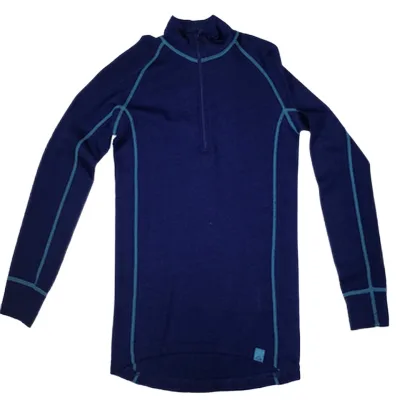


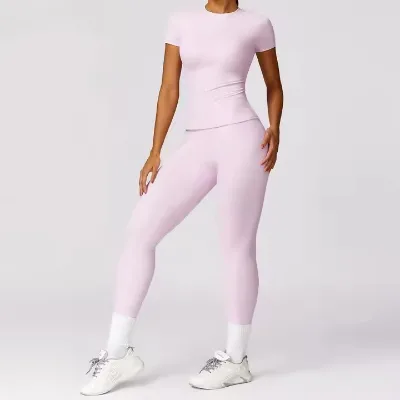


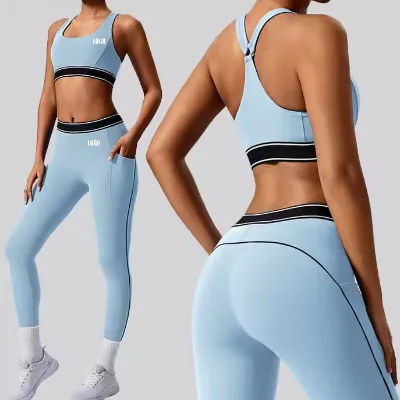


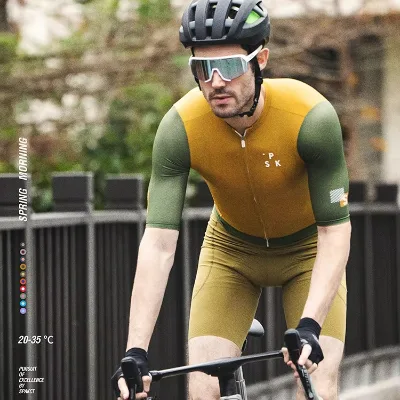




Comprehensive Sourcing Guide
Sourcing Guide for Reversible Four-Way Stretch Sports Suits
Understanding Technical Specifications and Material Composition
When sourcing a reversible four-way stretch sports suit, the primary focus must be on the technical attributes that define performance and durability. The core functionality of a four-way stretch fabric relies on the interplay between the warp and weft yarns, allowing the material to expand and recover in both horizontal and vertical directions. This is critical for sports such as soccer, rugby, basketball, and cycling, where dynamic movement is constant. Based on observed market data, the material composition for these garments is predominantly polyester, with specific listings indicating a 100% polyester content. This synthetic fiber choice is deliberate, offering superior moisture-wicking capabilities and quick-drying properties essential for high-intensity activities.
The construction of the suit often involves specific technical processes. Automated cutting is a frequently observed technique in the supply chain, ensuring precision in pattern matching, which is vital for reversible garments where both sides must align perfectly. Additionally, digital heat transfer printing is a common method for applying team names, logos, and custom designs. This method allows for vibrant, durable graphics that do not compromise the stretch of the fabric. The fabric itself is often described as breathable, a feature that helps regulate body temperature during prolonged physical exertion.
Size specifications vary significantly across different suppliers, reflecting the diverse needs of the market. Observed size ranges include standard increments like S, M, L, XL, and XXL, extending up to 5XL or even 6XL in some catalogs. Other listings specify ranges from XS to XL or YS to XL, indicating that buyers must verify the specific size chart of the target supplier. The "reversible" aspect implies a dual-sided design, often utilizing a solid pattern on one side and a patterned design on the other, or two distinct colorways. This design element adds versatility, allowing a single suit to serve multiple team aesthetics or personal preferences.
Compliance, Certification, and Safety Standards
In the B2B procurement of sports apparel, verifying compliance with safety and quality standards is non-negotiable. While specific certification names were not explicitly detailed in the provided product attributes, buyers must rigorously verify that the polyester materials used meet international safety standards for textiles. This includes checking for restrictions on harmful substances, such as azo dyes or heavy metals, which are common concerns in garment manufacturing. The origin of the products, often listed as Guangxi or Zhejiang in China, suggests a concentration of manufacturing hubs where buyers should request proof of compliance with local and international export regulations.
The "Standard" attribute observed in the data lists numerical values (2, 4, 6, 8, 10, 12, 14, 16) alongside size indicators (S, M, L, XL, XXL). In the context of sports suits, these numbers may refer to specific sizing standards, fabric weights, or compliance codes, but their exact definition requires direct clarification with the supplier. Buyers should not assume these numbers represent a universal standard without verification. Instead, they should request documentation confirming that the fabric and finished garments adhere to relevant ISO standards or specific national standards for sportswear.
Furthermore, the "Supply Type" is noted as "Oem Service," which implies that the manufacturer is capable of producing goods under the buyer's brand or specifications. This necessitates a thorough review of the supplier's quality management systems. Buyers should inquire about the supplier's adherence to labor standards and environmental regulations, particularly if the final product is destined for markets with strict sustainability requirements. The absence of explicit certification names in the source data means that the onus is on the buyer to demand third-party test reports and compliance certificates before placing a large order.
Cost Drivers and Pricing Dynamics
The pricing of reversible four-way stretch sports suits is influenced by several interconnected factors. The observed price range in the market spans from 1.2 USD to 72.47 USD, a wide variance that reflects differences in material quality, customization complexity, and order volume. The lower end of the spectrum likely corresponds to basic, non-customized suits with standard sizing, while the higher end may include premium fabrics, complex digital printing, or specialized reversible constructions.
Minimum Order Quantity (MOQ) is a significant cost driver. The observed MOQ range extends from 1 unit to 1000 units. Suppliers offering an MOQ of 1 are typically catering to sample orders or very small boutique brands, often at a higher unit cost. Conversely, suppliers requiring an MOQ of 1000 units are geared toward large-scale production, where economies of scale can significantly reduce the per-unit price. Buyers must balance their budget constraints with their inventory needs to determine the optimal MOQ.
Additional cost factors include the complexity of the customization. The availability of "Customization" and "Team Name" options suggests that adding logos, specific colorways, or unique patterns incurs extra charges. The use of digital heat transfer printing, while efficient for small runs, may have different cost structures compared to traditional screen printing for large batches. Packaging is another variable; the observed packing methods range from "1 Suit/Polybag" to "1 set/OPP. 100 set/CTN," and the choice of packaging can impact shipping costs and the final retail presentation.
Typical Applications and Usage Scenarios
The versatility of the reversible four-way stretch sports suit makes it suitable for a broad spectrum of athletic and recreational activities. The observed usage categories include ball sports, soccer, racing, cycling, rugby, football, basketball, and hockey. These activities demand high mobility, making the four-way stretch property essential. The fabric's ability to move with the athlete ensures that the suit does not restrict movement during sprints, jumps, or rapid directional changes.
Beyond competitive sports, the suit is also utilized for fitness, gym workouts, yoga, and tennis. The breathable and quick-drying features are particularly beneficial in these settings, where sweat management is crucial for comfort and performance. The "Funtion" attribute noting "for Game and Casual" indicates that these suits are designed to transition seamlessly from the field to everyday wear, appealing to consumers who value both performance and style.
The "Gender" attribute is listed as "Unisex," and the "Age Group" spans from child to adult. This universality allows teams and organizations to source a single product line for mixed-gender groups or multi-age teams, simplifying the procurement process. The "Style" is described as "Fashion," suggesting that the design is not purely utilitarian but also considers aesthetic trends, making the suits attractive for team uniforms that need to look professional and modern.
Supplier Evaluation and Selection Criteria
Selecting the right supplier for a reversible four-way stretch sports suit requires a multi-faceted evaluation strategy. The "Place of Origin" data points to specific regions in China, such as Guangxi and Zhejiang. While these regions are known for textile manufacturing, buyers should verify the specific capabilities of the factory. Key evaluation criteria include the supplier's experience with OEM services, their capacity for digital heat transfer printing, and their ability to handle automated cutting processes.
The "Samples" attribute indicates that samples are available with a lead time of 7-10 days, although one listing notes "Not Support" for a 7-day sample order. This discrepancy highlights the importance of clarifying sample availability and lead times early in the negotiation process. Buyers should request physical samples to assess the quality of the reversible construction, the stretch recovery of the fabric, and the durability of the printing.
Payment terms are another critical factor. The observed "Pay Terms" include T/T (Telegraphic Transfer) and "Wu," which likely refers to a specific trade term or currency arrangement. Buyers must ensure that the payment terms align with their financial policies and risk tolerance. Additionally, the "Customization" availability should be confirmed, including the minimum requirements for custom orders and the turnaround time for producing customized suits.
Quality Control and Inspection Protocols
Implementing a robust quality control (QC) protocol is essential to ensure that the received goods meet the specified requirements. Given the reversible nature of the suit, QC should focus on the alignment of patterns and colors on both sides of the garment. Any misalignment can be immediately visible and detrimental to the product's aesthetic appeal. The "Pattern Type" being "Solid" or "Patterned" requires careful inspection to ensure that the printing is crisp and does not bleed into the reverse side.
The "Feature" attributes such as "Breathable," "Quick-Drying," and "Moisture-Wicking" should be verified through physical testing or by reviewing the supplier's test reports. Buyers should check for consistent stitching, especially in areas of high stress like the shoulders and knees, to prevent premature wear. The "Single gross weight" of 1.000 kg and "Single package size" of 30X18X5 cm provide benchmarks for checking if the packaging and product weight match the specifications, which can indicate issues with missing components or incorrect packaging.
Inspection should also cover the sizing accuracy. With size ranges varying from S-5XL to XS-XL, buyers must ensure that the size labels correspond to the actual measurements of the garment. The "Uniform Size" being "Personal Sizes" suggests a potential for made-to-order production, which requires precise measurement verification before shipping.
Long-Term Procurement and Relationship Management
Establishing a long-term procurement strategy for reversible four-way stretch sports suits involves more than just securing a one-time order. The "Supply Type" of OEM Service implies a partnership where the supplier acts as an extension of the buyer's brand. Building a strong relationship with the supplier can lead to better pricing, priority production slots, and improved communication. Buyers should maintain open lines of communication regarding design changes, seasonal trends, and volume fluctuations.
The "Lead Time" for sample orders and production runs is a critical factor in supply chain planning. While some suppliers offer 7-10 day sample lead times, others may not support such rapid turnaround. Buyers must factor these lead times into their inventory planning to avoid stockouts. The "Number of Pieces" being "1 Piece" for some listings suggests that individual units are available, but bulk orders may have different lead times.
Sustainability and ethical sourcing are becoming increasingly important in the B2B apparel market. Buyers should inquire about the supplier's environmental practices, such as waste management and energy usage in the automated cutting and printing processes. As the market evolves, suppliers who can demonstrate a commitment to sustainability will likely become preferred partners. Finally, maintaining a clear record of all specifications, including material composition, size charts, and customization details, will ensure consistency across future orders and facilitate smoother communication with the supplier.
FAQs
What materials are used for reversible four way stretch sports suits?
These suits are predominantly made from 100% polyester fabric. This synthetic material offers superior moisture-wicking and quick-drying properties essential for high-intensity activities like soccer and cycling.
Which size ranges are available for these sports suits?
Available sizes range from S to 5XL, with some listings specifying XS to XL or YS to XL. Buyers must verify specific size charts as ranges vary significantly across different suppliers.
Can buyers customize team names and logos on these suits?
Yes, customization is available for team names and logos using digital heat transfer printing. This method allows for vibrant designs without compromising the fabric's four-way stretch capability.
How does the lead time for sample orders vary?
Sample lead times typically range from 7 to 10 days, though some suppliers do not support rapid 7-day sample orders. Buyers should confirm availability before placing sample requests.
What are the standard packaging options for these suits?
Packaging options include one suit per polybag or one set per OPP bag with 100 sets per carton. The choice of packaging impacts shipping costs and retail presentation.
Where are the manufacturers of these suits located?
Manufacturers are primarily located in Guangxi and Zhejiang, China. These regions are known textile hubs, but buyers should verify specific factory capabilities and compliance standards.
What is the typical price range for these sports suits?
The observed price range spans from 1.2 to 72.47 USD depending on customization and volume. Lower prices often reflect basic non-customized suits while higher prices include premium features.
Which sports are these suits suitable for playing?
These suits are designed for ball sports, soccer, racing, cycling, rugby, basketball, and hockey. They are also suitable for fitness, gym workouts, yoga, and tennis activities.