Source Reversible Cross Strap Sports Bra for Gym, Yoga, and Cycling
Explore 30 listings for the Reversible Cross Strap Sports Bra, comparing features like breathable fabrics, quick-dry technology, and seamless designs. Buyers can evaluate options from China suppliers offering OEM customization and various size ranges to match specific athletic needs.
Key considerations
Products List
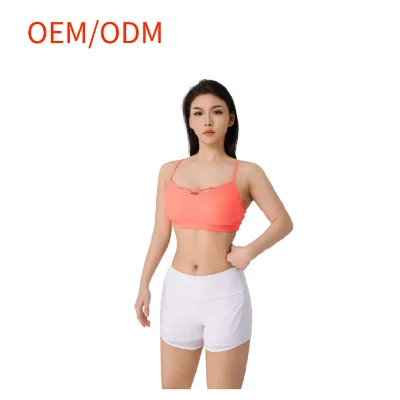


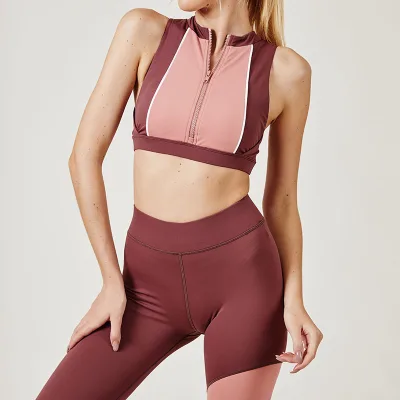
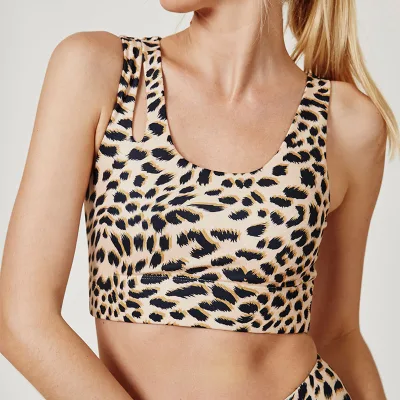


Padded Strappy Cross Back Cropped Yogatop Active Wear Sports Bra for Women
$8.06 - $8.90
MOQ: 200 Pieces

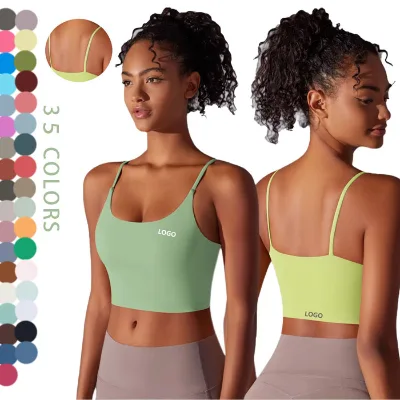
Comprehensive Sourcing Guide
Strategic Sourcing Guide for Reversible Cross Strap Sports Bras
Understanding Technical Specifications and Material Composition
When sourcing a Reversible Cross Strap Sports Bra, the primary objective is to identify products that balance structural integrity with the specific aesthetic and functional requirements of the design. The core keyword implies a garment that can be worn with either side facing out, necessitating high-quality finishing on both the interior and exterior surfaces. Based on the observed product attributes, the material composition is a critical determinant of performance. The supply chain data indicates a prevalence of synthetic blends, specifically Nylon and Spandex, or Polyester and Spandex. One observed specification lists a material ratio of 91% Nylon and 9% Spandex, while another cites 73% Polyester and 27% Spandex. These ratios are significant because the Spandex content, ranging from 5% to 27% in observed listings, directly influences the elasticity and recovery of the fabric, which is essential for the cross-strap mechanism to maintain tension without sagging.
The weaving method and fabric weight also play pivotal roles in the durability of the cross-strap design. The available data points to a "Woven" construction method with a fabric weight of approximately 220 grams. This weight suggests a mid-to-heavy gauge fabric, which is preferable for high-impact activities as it provides better compression and support compared to lightweight knits. The "Plain dyed" and "Printed" techniques observed indicate that the colorfastness of the reversible sides must be verified. Since the product is reversible, the dyeing process must ensure that both sides of the fabric exhibit consistent color depth and resistance to fading, particularly if the "Patterned" or "Print" attributes are utilized. Buyers must verify that the printing method, such as "Digital Print," does not compromise the breathability or the tactile feel of the fabric on the reverse side.
Design Features and Functional Attributes
The functional design of a Reversible Cross Strap Sports Bra extends beyond aesthetics to include specific features that enhance user experience during athletic activities. The observed product attributes highlight several key features: "Anti-bacterial," "Breathable," "Quick dry," and "Seamless" construction. These attributes are not merely marketing terms but technical requirements for high-performance activewear. The "Quick dry" and "Moisture-wicking" capabilities are essential for managing sweat during intense workouts, ensuring the garment remains comfortable and does not become heavy with moisture. The "Anti-bacterial" treatment is particularly relevant for reusable garments that may be worn for extended periods or require frequent washing without degrading the fabric's integrity.
The closure and strap systems are critical components of the cross-strap design. The data indicates a "Back closure" with a "Three hook-&-eye" system, alongside "Adjusted-straps" and "Non-convertible straps." While some models may feature a back closure, the reversible nature of the bra often requires a design where the closure mechanism is either hidden or integrated seamlessly to maintain the aesthetic on both sides. The "Elastic Waist" is noted for related items like yoga sets, but for the bra itself, the focus remains on the strap adjustability. The "Cross strap" configuration must be engineered to distribute weight evenly across the shoulders and back, reducing pressure points. Buyers should verify that the "Seamless" attribute is achieved through advanced knitting techniques rather than glued seams, which might fail under the stress of the cross-strap tension.
Compliance, Certification, and Safety Standards
In the B2B procurement of athletic wear, compliance with safety and quality standards is non-negotiable. While the supplied product facts do not explicitly list specific certification bodies (such as OEKO-TEX or GRS), buyers must rigorously verify that the materials used meet international safety standards for textiles. The presence of synthetic fibers like Nylon and Polyester requires verification that the dyes and chemical treatments used do not contain harmful substances such as azo dyes or heavy metals. The "Anti-bacterial" claim, in particular, necessitates third-party testing to validate the efficacy of the treatment and ensure it does not pose health risks to the end-user.
Furthermore, the origin of the product, identified as "China" with specific mentions of "Guangdong," implies a need for supply chain transparency. Buyers should request documentation confirming that the manufacturing facilities adhere to labor standards and environmental regulations. The "OEM" and "ODM" service models suggest that the supplier is capable of customizing the product, but this also means the buyer must ensure that any custom designs or materials comply with the regulations of the destination market. For instance, if the product is intended for the European Union, compliance with REACH regulations is mandatory. Similarly, for the United States, adherence to CPSIA standards for children's wear (if applicable) or general textile safety guidelines is required. The "Standard" attribute listed as "XXL, XL, L, M, S" indicates a size range, but buyers must verify that the sizing conforms to the specific regional standards of their target market to avoid returns and customer dissatisfaction.
Cost Drivers and Pricing Dynamics
The pricing of reversible cross strap sports bras is influenced by a complex interplay of factors, including material costs, labor intensity, and order volume. The observed price range of $2.9 to $15.28 USD reflects the variability in product quality, material composition, and order quantities. The lower end of this range likely corresponds to basic models with standard Polyester/Spandex blends and minimal customization, while the higher end may reflect premium Nylon blends, advanced seamless construction, and complex reversible printing techniques. The "MOQ" (Minimum Order Quantity) range of 1 to 3000 units significantly impacts the unit cost. Suppliers often offer tiered pricing, where the cost per unit decreases as the order volume increases.
Material costs are a primary driver, with Nylon generally being more expensive than Polyester. The specific ratio of Spandex also affects the price; higher Spandex content (e.g., 27%) typically commands a premium due to the enhanced elasticity and performance. Additionally, the "Customization" aspect, including "Customized Labels" and "OEM/ODM Designs," adds to the cost. The "Digital Print" method, while offering high design flexibility, may incur higher setup costs compared to traditional printing methods. Buyers should also consider the "Single package size" of 30x25x10 cm and the "Single gross weight" of 0.500 kg when calculating logistics costs. The "Carton" packing method is standard, but the efficiency of the packing process can influence the overall shipping cost. Understanding these cost drivers allows buyers to negotiate effectively and allocate their budget to the most critical aspects of the product.
Supplier Evaluation and Quality Control Protocols
Selecting the right supplier is paramount to ensuring the quality and reliability of the sourced sports bras. The "OEM Service" and "Small Orders: Accepted" attributes suggest that the supplier base includes a mix of large-scale manufacturers and smaller, more flexible producers. Buyers should evaluate suppliers based on their ability to meet the specific technical requirements of the reversible cross-strap design. This includes verifying their capacity for "Plain dyed" and "Printed" techniques, as well as their expertise in "Seamless" construction. The "7 days sample order lead time" is a positive indicator of a supplier's responsiveness and agility, but buyers must ensure that the sample quality matches the final production standards.
Quality control (QC) protocols must be robust and comprehensive. Given the "Patterned" and "Print" attributes, visual inspection is crucial to ensure that the print alignment is consistent on both sides of the reversible garment. The "Anti-bacterial" and "Quick dry" claims require functional testing to validate performance. Buyers should implement a multi-stage QC process, including pre-production sample approval, in-line inspection during manufacturing, and final random inspection before shipment. The "Standard" size range of "XXL, XL, L, M, S" must be verified against the buyer's specific size chart to ensure fit accuracy. Additionally, the "Fabric Weight" of 220 grams should be consistently maintained across the production batch to ensure uniformity in feel and performance.
Typical Applications and Market Segmentation
The versatility of the Reversible Cross Strap Sports Bra makes it suitable for a wide range of applications and market segments. The observed "Usage" attributes include "Ball Sports," "Cycling," "Fitness," "Water Sports," "Gym," "Yoga," and "Dancing." This broad applicability indicates that the product can target multiple consumer demographics, from casual fitness enthusiasts to professional athletes. The "All" season attribute suggests that the garment is designed for year-round use, which is a significant advantage for inventory management and sales planning. The "Adults" age group designation confirms that the product is intended for the general adult market, rather than a niche segment like children or seniors.
The "Patterned" and "Print" options allow for customization that can appeal to different fashion trends and consumer preferences. For example, a "Patterned" design might be more appealing to consumers looking for style, while a "Plain dyed" option might cater to those prioritizing functionality. The "Reversible" feature adds a unique value proposition, offering two looks in one garment, which can be a strong selling point in competitive markets. Buyers should consider the specific needs of their target market when selecting the design and material. For instance, "Water Sports" usage may require a higher focus on "Quick dry" and "Anti-UV" properties, while "Yoga" and "Dancing" might prioritize "Breathable" and "Seamless" features for comfort and flexibility.
Long-Term Procurement Considerations and Sustainability
Sourcing a Reversible Cross Strap Sports Bra is not just a one-time transaction but a strategic decision that impacts long-term business success. The "Customization" and "OEM/ODM" capabilities of the supplier are essential for maintaining a competitive edge in a dynamic market. Buyers should look for suppliers who can adapt to changing trends and consumer preferences, offering new designs and materials as needed. The "Small Orders: Accepted" feature is particularly valuable for testing new products or responding to fluctuating demand without the risk of overstocking.
Sustainability is increasingly becoming a critical factor in B2B procurement. While the supplied data does not explicitly mention sustainable materials, buyers should inquire about the environmental impact of the production process. The use of recycled Polyester or Nylon, for example, could be a differentiating factor. Additionally, the "Anti-bacterial" treatment should be evaluated for its environmental safety, ensuring that it does not release harmful chemicals into the water supply. The "Carton" packing method should be assessed for its recyclability and the efficiency of the packaging design to minimize waste. By prioritizing suppliers who demonstrate a commitment to sustainability and ethical manufacturing, buyers can build a resilient supply chain that aligns with modern consumer values and regulatory requirements.
Conclusion
Sourcing a Reversible Cross Strap Sports Bra requires a meticulous approach that balances technical specifications, material quality, and supplier reliability. The observed product attributes provide a solid foundation for understanding the potential of this category, from the specific material blends of Nylon and Polyester to the functional features like "Anti-bacterial" and "Quick dry" capabilities. By carefully evaluating the cost drivers, compliance requirements, and long-term procurement considerations, buyers can make informed decisions that ensure the delivery of high-quality products to their customers. The flexibility offered by "OEM" and "ODM" services, combined with the ability to accept "Small Orders," allows for a responsive and adaptable supply chain. Ultimately, the success of the procurement strategy depends on the buyer's ability to navigate the complexities of the market while maintaining a focus on quality, compliance, and sustainability.
FAQs
How is the fabric composition defined for this sports bra?
The fabric is typically a blend of synthetic fibers like Nylon and Spandex or Polyester and Spandex. Specific ratios observed include 91% Nylon with 9% Spandex or 73% Polyester with 27% Spandex to ensure elasticity and recovery for the cross-strap design.
What features ensure performance during athletic activities?
Key performance features include quick-drying, moisture-wicking, breathable, and anti-bacterial properties. These attributes help manage sweat and maintain comfort during high-intensity workouts like yoga, cycling, or gym sessions.
Which closure and strap types are available for this item?
Available options include back closures with three hook-and-eye systems and adjustable non-convertible straps. Some related yoga sets feature elastic waists, but the bra focus remains on secure strap adjustability and back support.
Can I order small quantities for testing new designs?
Yes, small orders are accepted with a minimum order quantity as low as one piece for samples. The supplier supports 7-day sample order lead times, allowing for quick design validation before committing to larger bulk production runs.
What customization options exist for branding and labels?
Customization is fully supported including OEM and ODM designs with customized labels. Buyers can request specific patterns, digital prints, and fabric weights, ensuring the final product aligns with their unique brand identity and market requirements.
How is the product packed and what are the dimensions?
The standard packing involves one set per OPP bag, with a single package size of 30x25x10 cm. The single gross weight is 0.500 kg, and bulk shipments are typically packed in cartons for efficient logistics handling.
What is the typical price range for these sports bras?
The observed price range in USD is between 2.9 and 15.28 per unit. This variation depends on material quality, such as Nylon versus Polyester blends, and the level of customization or order volume required by the buyer.