Source Reversible Heavyweight Men Sweatsuit for Gym, Track, and Casual Wear
Find and compare 30 listings for the Reversible Heavyweight Men Sweatsuit, featuring breathable polyester-cotton blends and custom logo options. Evaluate fabric weights from 280 to 320 grams, various printing methods, and OEM customization services for track and field or gym use.
Key considerations
Products List


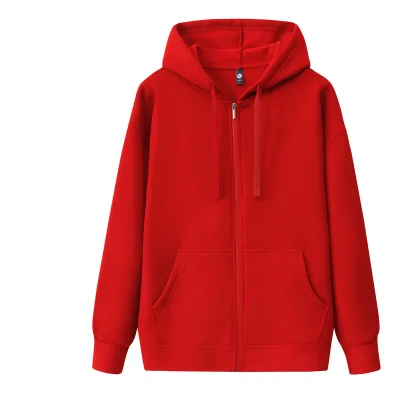


Men's Custom Embroidered Logo Gym Heavyweight Oversized Casual Tracksuit
$6.98 - $20.88
MOQ: 100 Pieces


Custom Logo Heather Grey Black Men Tracksuit Sweatsuit Customize Jogging Suit
$22.00 - $32.00
MOQ: 100 Pieces


2021 New Autumn and Winter Men's Casual Hooded Two-Piece Men's Casual Sports Suit
$15.00 - $30.00
MOQ: 100 Pieces
Comprehensive Sourcing Guide
Reversible Heavyweight Men Sweatsuit Sourcing Guide
Sourcing a reversible heavyweight men’s sweatsuit requires a nuanced understanding of both the structural complexity of dual-sided garments and the specific material properties that define "heavyweight" performance. Unlike standard single-layer tracksuits, reversible designs demand precise alignment of seams, consistent fabric weight on both sides, and durable construction to withstand the additional stress of flipping and wearing in two configurations. Buyers must recognize that while the core keyword emphasizes reversibility and weight, the actual product landscape often includes variations in fabric composition, such as polyester-cotton blends or pure cotton, which significantly impact breathability, drape, and care requirements. The observed market signals indicate a strong presence of OEM services, suggesting that most suppliers are equipped to handle custom branding, logo placement, and pattern adjustments, which are critical for private label success.
The procurement strategy must balance aesthetic customization with functional durability, particularly given the observed focus on features like breathability and specific collar styles such as O-necks. While the term "heavyweight" implies warmth and structure, the supplied data reveals a range of fabric weights, including 280g, 300g, and 320g options, which buyers should evaluate based on their target climate and usage scenario. Furthermore, the presence of "custom sample" support and short lead times for samples indicates that the supply chain is agile, allowing for rapid iteration. However, this agility must be managed carefully to ensure that the reversible mechanism does not compromise the integrity of the garment’s fit or the longevity of the printing and embroidery techniques used.
Product Scope and Observed Listing Signals
The current market for men’s sweatsuits is characterized by a high degree of customization, with suppliers offering extensive options for colors, patterns, and branding. Observed listings highlight the availability of over 200 color options and support for custom patterns, which is particularly relevant for buyers seeking unique reversible designs that can present distinct looks on each side. The product attributes indicate a strong emphasis on visual identity, with keywords such as "Logo," "Custom," and "Embroidered Tracksuit" suggesting that branding is a primary driver for purchase decisions. Buyers should note that while "reversible" is the core search term, many listed products are standard tracksuits that can be customized with dual-sided branding or contrasting inner linings, effectively achieving a reversible aesthetic without the structural complexity of a true double-faced garment.
Material composition and construction techniques vary significantly across the observed listings, reflecting different price points and quality tiers. The data shows a mix of materials, including polyester-cotton blends and pure cotton, with fabric weights ranging from 280 to 320 grams, which aligns with the "heavyweight" descriptor often used in marketing. Technical processes such as automated cutting, heat-transfer printing, silk screen printing, and embroidery are commonly cited, indicating that buyers have multiple avenues for applying logos and designs. It is crucial to verify whether the "reversible" claim refers to a true double-knit fabric or a single-layer garment with a contrasting inner face, as this distinction affects both the manufacturing cost and the final product’s durability. The observed "Flat Pack" shipping method and single-item selling units suggest that suppliers are optimized for direct-to-consumer or small-batch e-commerce fulfillment, which may influence packaging and logistics decisions.
Technical Specifications to Verify
When evaluating technical specifications, buyers must prioritize the verification of fabric weight consistency across both sides of the garment, especially for reversible designs. The observed fabric weights of 280g, 300g, and 320g provide a baseline for "heavyweight" classification, but it is essential to confirm that the weight is uniform on both sides to prevent imbalance during wear. Additionally, the collar style, often listed as O-Neck, and the fit type, typically Regular Fit, should be validated against size charts to ensure consistency, particularly since the observed data includes size S and regular length specifications. Buyers should also verify the sleeve style and whether the garment is unlined or fully lined, as this impacts the garment’s thermal properties and suitability for autumn or cooler climates.
Printing and embroidery techniques require careful scrutiny to ensure durability, particularly for reversible garments where the inner side may be exposed to friction. The observed methods include heat-transfer printing, silk screen printing, discharge printing, and digital printing, each with distinct advantages and limitations regarding wash fastness and hand feel. For embroidered designs, buyers should confirm the needle detection protocols, as the supplied data indicates that some suppliers perform needle detection, which is a critical safety step for removing broken needles from finished goods. The weaving method, listed as woven, should be cross-referenced with the fabric composition to ensure that the structure supports the intended reversible functionality without excessive stretching or distortion.
Compliance and Safety Documentation
Compliance and safety documentation are non-negotiable for B2B procurement, particularly when dealing with garments that may be marketed to diverse consumer bases. Buyers must request evidence of needle detection processes, as the observed data confirms that some suppliers perform this check, which is vital for preventing metal contamination in finished products. Additionally, suppliers should provide material safety data sheets (MSDS) for any dyes or finishes used, particularly if discharge printing or digital printing is employed, as these methods may involve chemical agents that require proper handling and disposal. Buyers should also verify that the suppliers adhere to relevant labor standards and environmental regulations, although specific certification names should not be assumed without direct confirmation from the supplier.
The origin of the products, primarily Guangdong, China, suggests a mature manufacturing ecosystem, but buyers must still ensure that all exported goods meet the regulatory requirements of their target markets. This includes compliance with flammability standards, chemical restrictions such as REACH or CPSIA, and labeling requirements for fiber content and care instructions. Buyers should explicitly ask suppliers to confirm their understanding of these regulations and to provide documentation that demonstrates adherence, rather than relying on general claims of quality. The absence of specific certification names in the observed data underscores the need for proactive verification, as compliance status can vary significantly between different factories and even different production batches within the same facility.
Cost Drivers and Commercial Terms
Cost drivers for reversible heavyweight men’s sweatsuits are influenced by material selection, customization complexity, and order volume. The observed price range of $2.5 to $32 USD reflects a wide spectrum of quality and customization levels, with lower prices likely corresponding to basic single-layer designs and higher prices reflecting true reversible constructions with premium fabrics and intricate branding. Buyers should anticipate that custom samples, which are supported by many suppliers, may incur additional costs or require a deposit, although the observed data indicates that sample orders are generally supported with a 7-day lead time. The MOQ range of 2 to 1000 units offers flexibility for small businesses and startups, but buyers should be aware that lower MOQs may come with higher per-unit costs due to setup fees for printing and embroidery.
Commercial terms such as payment methods, shipping options, and return policies should be clearly defined before placing orders. The observed "Flat Pack" shipping method suggests efficient logistics, but buyers should confirm the packaging dimensions and weight to calculate accurate freight costs. The single gross weight of 0.800kg to 1.000kg per item provides a basis for estimating shipping volumes, but buyers should verify if this weight includes packaging materials. Additionally, buyers should negotiate clear terms for quality disputes and returns, particularly given the complexity of reversible garments, which may have higher rates of customer returns if the design does not meet expectations. Understanding these commercial nuances is essential for accurate margin calculation and risk management.
Supplier Qualification and Quality Control
Supplier qualification should focus on verifying the supplier’s capability to handle complex garment constructions, such as reversible designs, and their commitment to quality control. Buyers should request references or case studies of previous reversible or dual-sided garment projects to assess the supplier’s technical expertise. The observed emphasis on OEM services and customization suggests that many suppliers are experienced in working with private labels, but buyers should still conduct due diligence to ensure that the supplier has the necessary equipment and skilled labor for automated cutting, embroidery, and various printing techniques. Quality control processes should include in-line inspections during production and final random inspections before shipment, with clear acceptance criteria for defects such as misaligned seams, uneven printing, or fabric inconsistencies.
Buyers should also evaluate the supplier’s responsiveness and communication capabilities, as these factors are critical for managing custom orders and resolving issues quickly. The observed support for custom samples and short lead times indicates a customer-centric approach, but buyers should test this responsiveness during the sampling phase to ensure that the supplier can meet deadlines and address feedback effectively. Additionally, buyers should inquire about the supplier’s quality management systems and whether they have any internal standards for fabric testing, color fastness, and dimensional stability. Establishing a strong relationship with a qualified supplier is essential for long-term success, particularly when dealing with complex products like reversible sweatsuits.
Long-Term Procurement Checks
Long-term procurement checks should focus on continuous monitoring of supplier performance, product quality, and market trends. Buyers should establish key performance indicators (KPIs) for delivery times, defect rates, and communication responsiveness, and review these metrics regularly to identify areas for improvement. The observed trend towards customization and diverse fabric options suggests that the market is evolving, and buyers should stay informed about new materials, printing techniques, and design innovations to remain competitive. Additionally, buyers should periodically re-evaluate their supplier base to ensure that they are getting the best value and quality, considering factors such as price stability, reliability, and ethical sourcing practices.
Buyers should also maintain open lines of communication with their suppliers to discuss future product developments and potential collaborations. This proactive approach can lead to better pricing, priority production slots, and access to new technologies. Furthermore, buyers should consider diversifying their supplier base to mitigate risks associated with single-source dependencies, particularly for complex products like reversible sweatsuits. By implementing robust long-term procurement checks, buyers can ensure a stable supply chain, maintain high product quality, and achieve sustainable growth in their private label offerings.
FAQs
Can I customize the design of the Reversible Heavyweight Men Sweatsuit?
Yes, customization is available for this product. You can select from over 200 color options and request specific patterns or logos. The supplier supports OEM services with heat-transfer or embroidery printing methods to meet your unique branding needs.
What materials are used for the Reversible Heavyweight Men Sweatsuit?
The product is constructed from a blend of polyester and cotton or pure cotton. Fabric weight options include 280 grams, 300 grams, and 320 grams to ensure durability. These materials provide a comfortable fit suitable for autumn wear and athletic activities.
How long does it take to receive a sample order?
A sample order can be produced within 7 days. This lead time applies to custom samples which are available upon request. Buyers should note that bulk production times may vary based on order quantity and specific customization requirements.
What is the minimum order quantity for this product?
The minimum order quantity ranges from 2 to 1000 units depending on the specific supplier and product configuration. Some listings support single item sales while others require larger batches. Buyers should verify the exact MOQ with the manufacturer before placing an order.
Where are the manufacturers of this sweatsuit located?
The products originate from Guangdong, China. This region is a known hub for textile manufacturing and offers various suppliers for OEM services. Buyers can expect consistent quality standards and efficient logistics from these established production centers.
What packing methods are used for the sweatsuit?
Items are typically packed in flat packs or individually in poly bags. Some configurations fit into boxes or follow customer-specific packaging requirements. The single package size is approximately 20x15x5 cm with a gross weight of around 1 kg.