Source eco-friendly breathable polyester cotton tracksuit for gyms, travel, and casual wear
Compare 30 listings for eco-friendly breathable polyester cotton tracksuits featuring custom designs and OEM services. Buyers can evaluate fabric blends, customization options, and supplier capabilities across multiple origins.
Key considerations
Products List

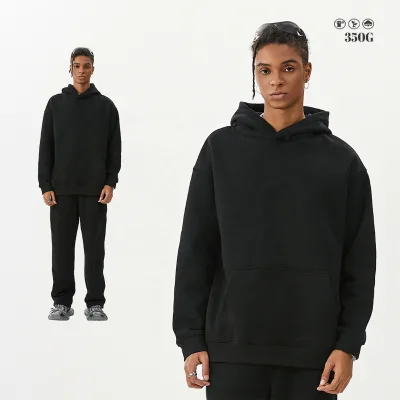
Bottoms Custom Tracksuits for Men Cotton Polyester Sportswear Tracksuit Wholesale
$25.90 - $29.90
MOQ: 50 pieces


High Quality Outdoor Breathable Custom Logo Polyester Long-Sleeved Tracksuit
$19.80 - $21.50
MOQ: 2 Pieces



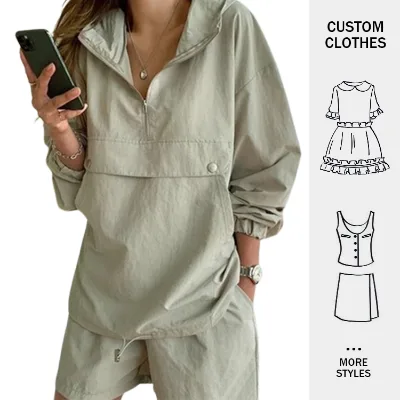

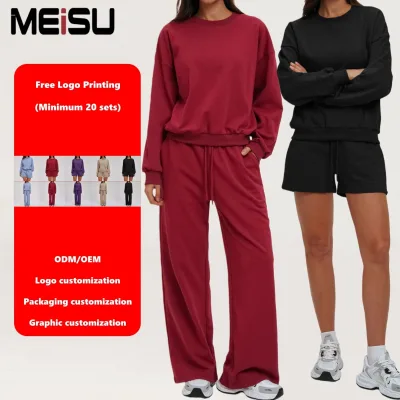
Customizable Versatile Tracksuit for Fitness Enthusiasts and Casual Outings
$15.00 - $29.00
MOQ: 30 Pieces


Comprehensive Sourcing Guide
Strategic Sourcing Guide for Eco-Friendly Breathable Polyester Cotton Tracksuits
The global demand for functional activewear has driven a significant shift toward hybrid fabric compositions that balance durability with comfort. For procurement professionals targeting the specific niche of eco-friendly breathable polyester cotton tracksuits, the sourcing landscape requires a nuanced understanding of material science, supply chain logistics, and manufacturing capabilities. This guide synthesizes available market data and technical observations to provide a structured approach for acquiring high-performance sportswear sets. The focus remains on verifying claims regarding breathability, fabric composition, and customization potential while navigating the complexities of OEM services in the Asian manufacturing sector.
Material Composition and Fabric Performance Analysis
The core of any tracksuit procurement strategy lies in the material specification. The intersection of polyester and cotton offers a unique value proposition: polyester provides structural integrity, moisture-wicking capabilities, and resistance to shrinking, while cotton contributes to softness and breathability. In the current market, observed product attributes frequently list materials as "Polyester/Cotton" blends or "Customized Fabric," indicating that the exact ratio is often a negotiable variable rather than a fixed standard. Buyers must recognize that "eco-friendly" claims in this context typically relate to the sourcing of fibers or the dyeing processes, rather than the inherent biodegradability of the synthetic component.
When evaluating the "Breathable" and "Quick-Drying" features observed in product listings, it is essential to understand the physical mechanisms at play. Polyester fibers are hydrophobic, meaning they repel water and facilitate rapid evaporation, which is critical for athletic performance. The addition of cotton, however, can alter the wicking rate. A high-quality blend ensures that the fabric remains breathable without becoming heavy when saturated with sweat. Procurement teams should request detailed fabric specifications, including GSM (grams per square meter), to determine the weight and drape of the material. The observed product data indicates that fabric is often customizable, allowing buyers to tailor the blend ratio to specific climate requirements, such as the "Autumn" or "Spring" seasons noted in various listings.
Technical Specifications and Customization Parameters
Customization is a dominant feature in the tracksuit market, with suppliers offering extensive flexibility in design and production. The "Product Type" is consistently identified as "Sportswear" or "Tracksuit," with styles ranging from "Sets" to specific models like "TRACKSUIT2201" or "LZ120010." The ability to customize is not merely aesthetic; it extends to functional elements. Observed attributes highlight "Customized Logo Printing" via embroidery or other methods, "Custom Color" options, and "Custom Designs." This level of flexibility is crucial for brands looking to differentiate their products in a crowded marketplace.
Size and fit specifications are equally critical. While some listings specify standard sizes like "XL," the prevailing trend is toward "Customized" sizing to accommodate diverse demographic needs. The "Age Group" is generally listed as "Adults," with some products marked as "Unisex," suggesting a broad market applicability. Packaging specifications also vary, with observations ranging from "1set/Polybag" to "Boxed/Bagged" configurations. The single package size is typically compact, often around 40x35x5 cm or 40x30x2 cm, which optimizes shipping efficiency. However, buyers must verify the "Single Gross Weight," as observed values range from 1.200 Kg to 1.500kg, which directly impacts freight costs. Understanding these physical parameters is essential for accurate logistics planning and cost estimation.
Compliance, Certification, and Quality Verification
One of the most significant challenges in sourcing "eco-friendly" apparel is verifying the validity of sustainability claims. The supplied product data does not explicitly list specific certifications such as GOTS (Global Organic Textile Standard) or OEKO-TEX. Therefore, buyers must treat "eco-friendly" as a claim that requires independent verification rather than an inherent attribute of the listed products. The presence of "OEM Service" and "Supply Type: OEM Service" indicates that the manufacturer is capable of producing goods to specific client standards, but the baseline compliance depends on the buyer's requirements.
To ensure compliance, procurement teams should implement a rigorous verification process. This includes requesting third-party test reports for chemical restrictions, such as azo dyes or formaldehyde levels, which are common concerns in textile manufacturing. The "Feature" attributes listed, such as "Breathable" and "Quick-Drying," should be backed by laboratory test results rather than marketing assertions. Buyers should also inquire about the "Supply Ability," which is observed at 100,000 sets per month, to ensure the supplier can scale production without compromising quality control. Additionally, the "Standard" attribute, observed as "253015" in some contexts, likely refers to packaging dimensions or a specific internal quality metric, but its exact definition must be clarified with the supplier to avoid ambiguity.
Cost Drivers and Pricing Dynamics
The pricing structure for polyester cotton tracksuits is influenced by several dynamic factors, including material costs, customization complexity, and order volume. The observed price range in the market spans from 3 to 38 USD, a wide variance that reflects differences in fabric quality, design intricacy, and order quantity. The "MOQ" (Minimum Order Quantity) is a critical cost driver, with observed ranges from 1 to 500 units, though specific listings often cite a "MOQ" of 50PCS or a "Customize MOQ" of 50sets. Lower MOQs may result in higher per-unit costs due to the setup expenses for custom dyeing and printing.
Lead times also play a significant role in the total cost of ownership. While some suppliers offer "7 Days Sample Order Lead Time," the data indicates that this is "Not Support" for certain configurations, suggesting that sample development can be time-consuming. The estimated delivery time for bulk orders is typically 15-30 days, but this can extend based on the complexity of the "Customized Fabric" or "Custom Designs." Buyers should factor in the cost of shipping, with options including UPS, EMS, DHL, and FedEx, which vary in speed and price. Understanding these cost drivers allows procurement teams to negotiate more effectively and align their budget with their timeline requirements.
Supplier Evaluation and Operational Capabilities
Selecting the right supplier requires a thorough assessment of their operational capabilities and geographic location. The observed product origins are primarily in "Guangdong, China," "Guangxi," and generally "China," regions known for their robust textile manufacturing infrastructure. These locations offer access to a comprehensive supply chain, from raw material sourcing to finished product assembly. However, the presence of multiple origins suggests that buyers should verify the specific factory location to ensure it aligns with their ethical sourcing policies and logistical preferences.
Supplier evaluation should extend beyond basic product listings. Key indicators of reliability include the "Supply Ability" of 100,000 sets per month and the acceptance of "Customize Sample" orders. The ability to produce "Custom Lables" and "Customized Logo Printing" demonstrates a mature production line capable of handling complex branding requirements. Buyers should also assess the supplier's responsiveness to inquiries regarding "Service: Oemservice" and their willingness to provide detailed technical documentation. A supplier that can accommodate "Custom Color" and "Graphic" patterns while maintaining consistent quality is essential for long-term partnerships.
Quality Control and Long-Term Procurement Strategy
Establishing a robust quality control (QC) framework is vital for maintaining brand reputation in the sportswear sector. Given the variability in observed attributes, such as "Texture: Quick-Drying" versus "Fabric: Customized Fabric," buyers must define clear QC criteria before production begins. This includes setting acceptable tolerances for color matching, stitching quality, and fabric weight. The "Pattern" attributes, ranging from "Logo" to "Graphic," require precise inspection to ensure that printed designs do not crack or fade after washing.
For long-term procurement, building a strategic relationship with the supplier is more beneficial than transactional buying. This involves collaborating on the "Design" phase to create unique products that leverage the "Polyester/Cotton" blend effectively. Buyers should also consider the "Closure Type," observed as "Buttons," and ensure that hardware quality meets durability standards. By focusing on continuous improvement and open communication, procurement teams can mitigate risks associated with supply chain disruptions and ensure a steady flow of high-quality tracksuits that meet the evolving demands of the market.
Application Scenarios and Market Positioning
The versatility of polyester cotton tracksuits makes them suitable for a wide range of applications, from professional athletic training to casual streetwear. The "Season" attributes, including "Autumn" and "Spring," indicate that these garments are designed for transitional weather, offering warmth without excessive bulk. The "Gender" classifications of "Men" and "Unisex" further expand the potential market, allowing brands to target diverse consumer segments. The "Style" of "Sets" ensures a cohesive look, which is highly valued in team sports and corporate wellness programs.
Understanding the specific use cases helps in tailoring the product specifications. For instance, a tracksuit intended for high-intensity training might prioritize the "Quick-Drying" feature, while a casual version might emphasize the "Breathable" quality and softness of the cotton blend. The "Product Name: Customized Track Suit" suggests that buyers can position the product as a premium offering by emphasizing the customization options. By aligning the product features with the intended application, brands can maximize the value proposition and achieve better market penetration.
Conclusion
Sourcing eco-friendly breathable polyester cotton tracksuits requires a balanced approach that combines technical knowledge with strategic supplier management. By carefully analyzing material compositions, verifying customization capabilities, and implementing rigorous quality control measures, procurement professionals can navigate the complexities of the global sportswear market. The observed data highlights a vibrant ecosystem of suppliers capable of delivering high-quality, customizable products, but success depends on the buyer's ability to ask the right questions and verify claims. As the market continues to evolve, maintaining a focus on sustainability, performance, and operational efficiency will be key to securing a competitive advantage in the tracksuit sector.
FAQs
What fabric blends are available for these tracksuits?
Products commonly use Polyester/Cotton blends or customized fabric options. Buyers can request specific ratios to balance durability with softness, ensuring the material meets seasonal needs for autumn or spring wear.
Can I customize the logo and color of the tracksuit?
Yes, suppliers offer customized logo printing via embroidery and accept custom colors. You can also request custom designs and labels, allowing for full branding flexibility while maintaining the tracksuit's breathable and quick-drying features.
What is the minimum order quantity for custom tracksuits?
The standard minimum order quantity is 50 pieces or 50 sets. Some listings indicate an MOQ range from 1 to 500 units, but the baseline for customization typically starts at 50 units to cover setup costs.
How long does it take to receive sample orders?
Sample lead times vary, with some suppliers not supporting 7-day sample orders. Estimated delivery for bulk orders is typically 15 to 30 days, depending on the complexity of the customized fabric and design requirements.
Which shipping methods are supported for these products?
Suppliers support major international carriers including UPS, EMS, DHL, and FedEx. These options allow for flexible logistics planning, ensuring timely delivery of the tracksuits from origins in Guangdong, Guangxi, or other parts of China.
What are the packaging dimensions and weight per set?
Single package sizes typically range from 40x30x2 cm to 40x35x5 cm. The single gross weight varies between 1.200 kg and 1.500 kg, with packing options including polybags or boxed configurations for single sets.