Source Reversible Metal Zipper Head for Bags, Garments, and Shoes
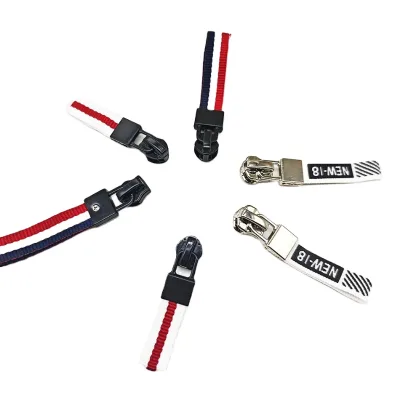
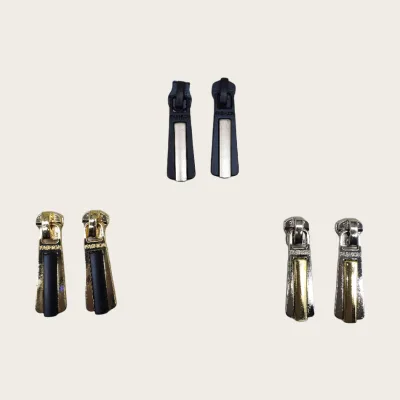
Explore 30 listings for the Reversible Metal Zipper Head, featuring brass and nickel finishes. Compare specifications like 5# size, auto-lock sliders, and custom colors to find suitable components for bags, garments, and shoes; compare the available evidence and request quotations based on your requirements.
Key considerations
Products List

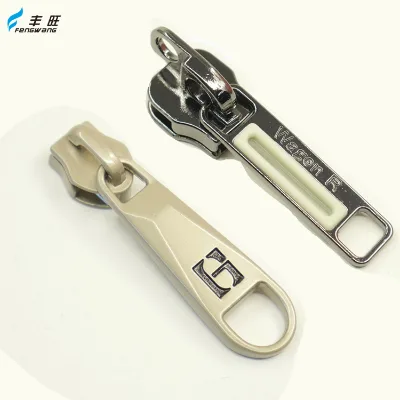


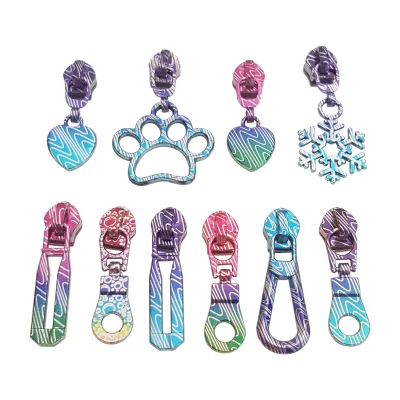
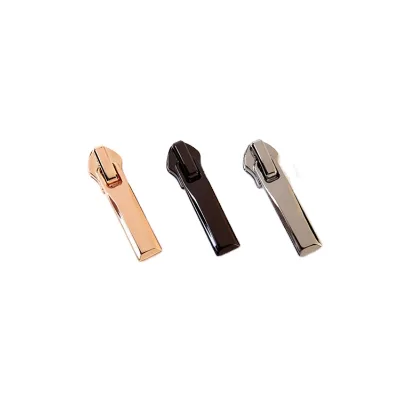


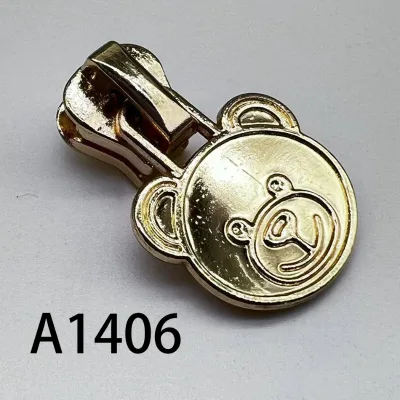


Comprehensive Sourcing Guide
Reversible Metal Zipper Head Sourcing Guide
Procuring reversible metal zipper heads requires a nuanced understanding of slider mechanics, material integrity, and supply chain reliability. These components are critical for high-end apparel, luggage, and technical bags where durability and aesthetic finish are paramount. Buyers must distinguish between standard one-way sliders and true reversible mechanisms, as the latter involves more complex internal engineering to allow bidirectional movement along the chain. This guide provides evidence-based insights to help sourcing professionals navigate the market, verify technical claims, and mitigate risks associated with metal hardware procurement.
The following sections detail the specific attributes, compliance requirements, and commercial terms observed in current listings. By focusing on verified product signals and standard industry practices, buyers can establish clear specifications for their suppliers. This approach ensures that the final hardware meets both functional performance standards and regulatory safety requirements, particularly regarding heavy metal content and surface plating quality. The guidance is structured to support informed decision-making at every stage of the sourcing lifecycle.
Product Scope and Observed Listing Signals
Current market listings indicate a wide range of metal zipper head options, with brass and various plated finishes being the most prevalent materials. Observed data shows that products are frequently described with customization options for color, logo, and slider design, reflecting the high degree of personalization available in this category. Buyers should note that while "reversible" is a key feature for certain applications, many listings also offer auto-lock or one-way slider types, which serve different functional needs. It is essential to verify the specific slider type required for the end product, as reversible mechanisms are distinct from standard locking systems.
The observed price range and minimum order quantities (MOQ) vary significantly, with MOQs ranging from small batches of 100 pieces to large industrial orders of one million units. This variance suggests that suppliers cater to both prototype development and mass production needs. Listings often highlight features such as nickel-free plating and eco-friendly designs, which are increasingly important for global brands adhering to strict sustainability and safety standards. Buyers must carefully review these claims against actual product specifications, as marketing terms may not always align with technical realities.
Technical Specifications to Verify
Technical verification begins with confirming the zipper size compatibility, with common sizes including 3#, 4#, 5#, 7#, 8#, and 10#. The 5# size is frequently cited in listings, but buyers must ensure the slider matches the specific chain pitch of their zipper tape. Material composition is another critical factor, with brass being a dominant material due to its corrosion resistance and machinability. Buyers should request detailed material certificates to confirm the alloy composition, especially if the product is intended for markets with strict regulations on heavy metals like lead and cadmium.
The slider mechanism itself must be tested for smooth operation and durability, particularly for reversible types which undergo more stress during use. Listings often mention "auto-lock" features, but buyers must distinguish between true locking mechanisms and simple friction-based stops. Additionally, the finish quality, whether it is painted, plated, or polished, affects both aesthetics and longevity. Buyers should specify the desired color and finish, such as shine gold, white nickel, or antique brass, and request physical samples to verify the color accuracy against standard color cards like Hi-Ana.
Compliance and Safety Documentation
Compliance with international safety standards is non-negotiable for metal zipper heads, especially those used in children's apparel or items with direct skin contact. Buyers must verify that the plating process adheres to regulations limiting heavy metal content, such as the EU's REACH regulation or California's Proposition 65. Listings often claim "nickel-free" status, but this must be backed by third-party test reports from accredited laboratories. Without such documentation, buyers risk non-compliance and potential product recalls in regulated markets.
Quality management systems also play a crucial role in ensuring consistent product quality. Suppliers may claim adherence to standards like ISO 9001 or SGS certification, which indicate a structured approach to quality control. Buyers should request copies of these certificates and verify their validity through the issuing bodies. Additionally, specific industry standards like NGF may apply depending on the region and end-use. Understanding these regulatory requirements helps buyers select suppliers who can provide the necessary documentation to support their product's market entry.
Cost Drivers and Commercial Terms
Several factors influence the final cost of reversible metal zipper heads, including material prices, plating complexity, and order volume. Brass prices fluctuate based on global market conditions, directly impacting the base cost of the slider. Customization options, such as unique logos, specific colors, or non-standard sizes, often incur additional setup fees and higher unit costs. Buyers should clarify all customization requirements upfront to avoid unexpected charges and ensure accurate quoting.
Commercial terms, including minimum order quantities and lead times, vary widely among suppliers. Some suppliers offer low MOQs for sample orders, while others require large volumes for production runs. Lead times for samples are often short, around seven days, but production lead times can extend significantly depending on the order size and customization complexity. Buyers should negotiate clear terms regarding payment schedules, shipping responsibilities, and penalties for delays to protect their supply chain interests.
Supplier Qualification and Quality Control
Supplier qualification involves assessing their manufacturing capabilities, quality control processes, and track record. Buyers should verify the supplier's production facilities, including their plating lines and assembly processes, to ensure they meet quality standards. Requesting references from existing clients can provide insights into the supplier's reliability and consistency. Additionally, buyers should inquire about the supplier's internal quality control measures, such as 100% QC passes before shipment, to minimize the risk of defective products.
Sampling is a critical step in the qualification process, allowing buyers to evaluate the physical product before committing to a large order. Buyers should request samples to test the slider's functionality, finish quality, and compatibility with their zipper tape. It is also advisable to conduct independent testing on samples to verify compliance with safety and performance standards. Establishing a clear communication channel with the supplier for feedback and issue resolution is essential for maintaining quality throughout the production process.
Long-Term Procurement Checks
Long-term procurement success depends on continuous monitoring of supplier performance and market trends. Buyers should establish key performance indicators (KPIs) to track metrics such as on-time delivery, defect rates, and responsiveness to issues. Regular audits of the supplier's quality control processes can help identify potential problems before they impact production. Additionally, staying informed about changes in regulations and material costs allows buyers to adjust their sourcing strategies proactively.
Building a strong relationship with the supplier can lead to better pricing, priority production, and collaborative innovation. Buyers should engage in regular reviews with their suppliers to discuss performance, address concerns, and explore opportunities for improvement. This collaborative approach fosters trust and ensures that both parties are aligned on quality and delivery expectations. By maintaining a disciplined approach to supplier management, buyers can secure a reliable supply of high-quality reversible metal zipper heads for their products.
FAQs
What sizes are available for reversible metal zipper heads?
Reversible metal zipper heads are commonly available in sizes 3#, 4#, 5#, 7#, 8#, and 10#, with size 5# being a standard specification for garments and bags. Buyers should match the slider size to the zipper tape gauge before ordering. Other sizes can often be arranged through customization, so confirm the exact size requirement with the supplier when requesting samples or quotes.
Can reversible metal zipper heads be customized with a logo or color?
Yes, customization is available for reversible metal zipper heads, including custom logos on the puller and slider designs. Tape colors can be selected from a color card offering more than 500 shades, and finishes such as shine gold or white nickel plating are offered. Provide artwork and specifications when requesting a sample so the factory can confirm feasibility, cost, and lead time.
How should I choose between auto lock and reversible slider types?
Choose an auto lock slider when the zipper must stay securely closed, which suits bags, luggage, and garments under tension. A reversible slider is better for two-way applications such as jackets and outerwear where the puller can flip along the tape. Both types are offered in brass metal construction, so confirm the intended use with your supplier before confirming the order.
What materials and finishes are used for these metal zipper heads?
The zipper heads are made of brass or other metals with plating or painted finishes. Common color options include black, silver, nickel, antique brass, antique copper, shine gold, and white nickel. Some listings also feature nickel-free finishes for eco-friendly requirements. Specify the material and finish in your inquiry, as appearance and durability vary between plating methods and base metals.
Can I get free samples before placing a bulk order?
Yes, samples are offered free of charge, and sample orders are supported with a 7-day lead time. This lets you verify slider function, size accuracy, finish quality, and color matching before committing to production. Note that shipping costs for samples may still apply, so clarify freight arrangements and confirm the sample specification matches your intended bulk order.
What are the typical MOQ and packaging options for zipper heads?
Minimum order quantities vary by listing, with observed requirements ranging from 100 pieces up to 1,000,000 pieces, and one listing specifies an MOQ of 2,000 pieces. Standard packing is typically 50 to 100 pieces per bag, though packing can follow the customer's request. Confirm the exact MOQ, unit price, and packing format directly with the supplier for your target quantity.
Which applications are reversible metal zipper heads suitable for?
These zipper heads are used for bags, garments, shoes, and home textile products. Open-end and close-end zipper types in sizes 3# through 10# cover applications from lightweight clothing to heavy luggage. One-way auto lock and reversible slider styles serve different functional needs. Match the slider type, size, and finish to the end product's fabric weight and usage conditions before ordering.