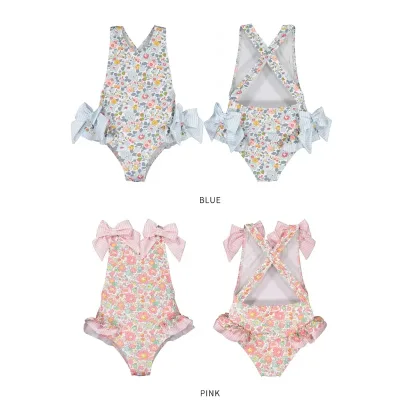
Source Reversible Ruffled Baby Girl Swimsuit for Beach, Pool, and Play
Source the Reversible Ruffled Baby Girl Swimsuit from 30 verified listings. Compare options featuring nylon and polyester blends, floral patterns, and custom OEM services. Evaluate specifications like cheeky bottoms and off-the-shoulder designs for your procurement needs; compare the available evidence and request quotations based on your requirements.
Updated
Key considerations
Products List


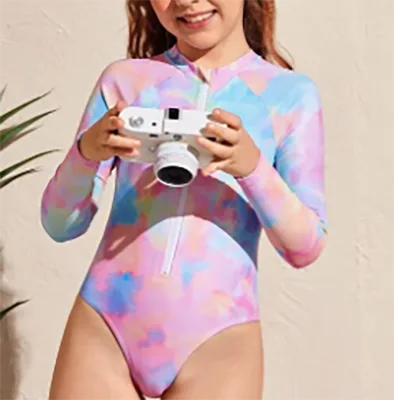


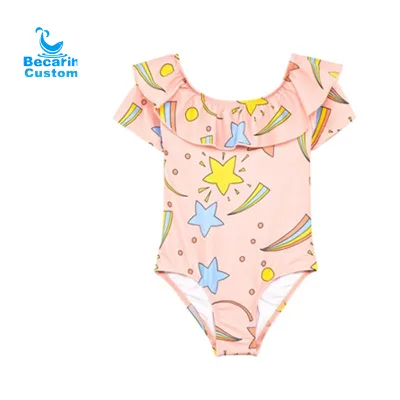


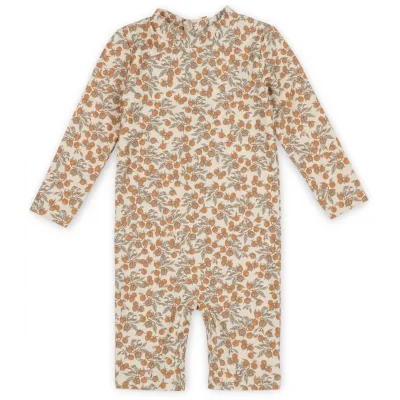
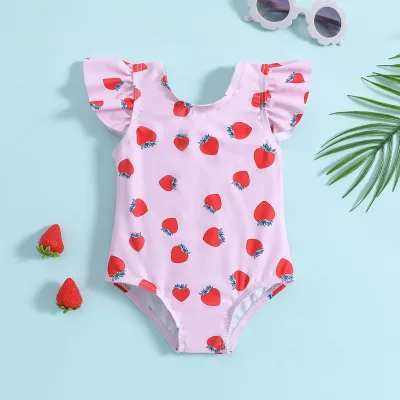
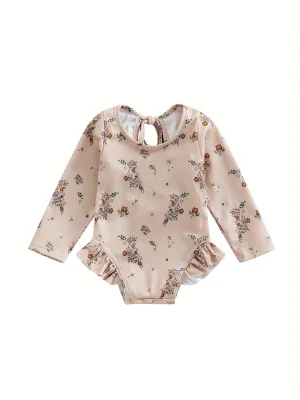
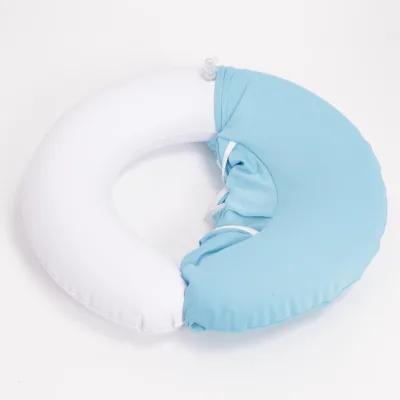
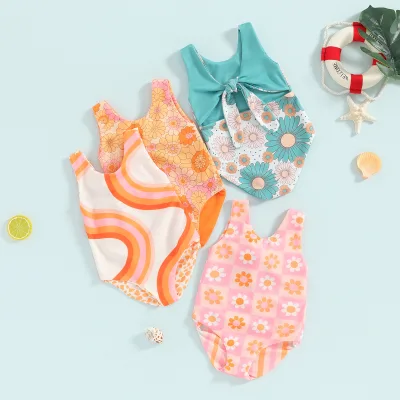
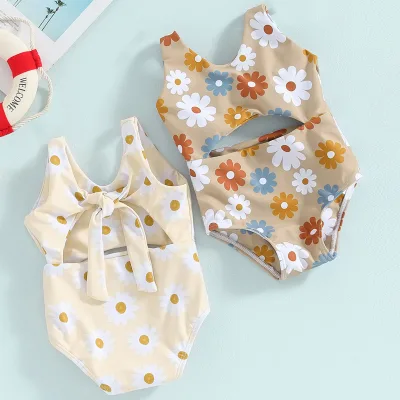


Baby Girls Swimsuit Two Pieces Upf50+ Children Swimwear Beach Bathing Suits
$4.70 - $5.30
MOQ: 500 Pieces

Little Kid Girl off Shoulder Ruffled Swimsuits Swimwear, Two Piece Swimming Suit
$3.80 - $4.50
MOQ: 500 Pieces


Lovely Cute Kids Pink Color Ruffled Little Girls One Piece Baby Swimwear
$4.00 - $5.00
MOQ: 500 Pieces

Flounce Ruffle Beach Suits for Girls Children Two Piece Bathing Suit Swimwear
$4.50 - $5.50
MOQ: 500 Pieces
Comprehensive Sourcing Guide
Reversible Ruffled Baby Girl Swimsuit Sourcing Guide
Sourcing reversible ruffled baby girl swimsuits requires careful attention to material composition and design specifics, as the market offers varied options ranging from simple nylon blends to complex polyester-spandex mixes. Buyers must distinguish between in-stock items and OEM services, noting that some suppliers provide gradient color techniques while others focus on digital print floral patterns. The observed product landscape includes two-piece sets and single items, with origins primarily in Fuzhou and Guangdong, China, indicating a concentrated manufacturing hub for these specialized garments.
Procurement teams should evaluate the specific occasion and style requirements, such as swimming pool use or sandbeach activities, to ensure the selected product aligns with end-user expectations. Attributes like off-the-shoulder necklines, push-up bra types, and cheeky bottom styles suggest a target demographic seeking fashionable yet functional swimwear. Understanding these design nuances is critical, as reversible features and ruffle decorations add complexity to production, potentially affecting lead times and quality control processes during the sourcing phase.
Product Scope and Observed Listing Signals
The current market signals indicate a diverse range of product models, including GR-SWM113X21 and GR-SWM92X11, which cater to different aesthetic and functional needs. Buyers will encounter listings with varying material compositions, such as pure nylon or blends of spandex and polyester, each offering distinct durability and stretch properties. The presence of both "no brand" and OEM brand options allows for flexible branding strategies, while the availability of free sizes for ages 0-6 years highlights the importance of precise sizing verification for infant apparel.
Supply types fluctuate between in-stock items and OEM services, with minimum order quantities (MOQs) ranging from 50 pieces to 2000 pieces, depending on the supplier's capacity and customization level. Some listings support sample orders with a seven-day lead time, which is crucial for rapid prototyping and quality assessment before committing to bulk production. Additionally, shipping methods like air express and packing formats such as carton or individual OPP bags influence logistics planning and cost structures, requiring buyers to align these details with their distribution channels.
Technical Specifications to Verify
Technical verification must begin with fabric weight and composition, as observed weights like 120 grams per square meter significantly impact the garment's drape and opacity. Buyers should confirm whether the material is nylon or a polyester-spandex blend, ensuring it meets the necessary elasticity and quick-drying requirements for swimwear. The presence of needle detection services is a critical quality control step, particularly for baby garments, to ensure no metallic fragments remain in the finished product, thereby safeguarding consumer safety.
Design elements such as digital print floral patterns, gradient colors, and ruffle decorations require close inspection for durability and colorfastness. Specifications like single package sizes of 10x5x2 cm and gross weights of 0.170 kg help in calculating shipping volumes and costs accurately. Additionally, verifying the neckline style, such as off-the-shoulder designs, and bottom types, like cheeky cuts, ensures the product matches the intended fashion trends while maintaining appropriate coverage and comfort for young children.
Compliance and Safety Documentation
Compliance documentation is paramount when sourcing baby swimwear, as regulatory standards for infant apparel are stringent and vary by destination market. Buyers must request evidence of OEKO-TEX certification or equivalent standards to ensure the fabrics are free from harmful substances, given the sensitive skin of babies. Although specific certification statuses may not be explicitly listed in all product descriptions, verifying this documentation is a non-negotiable step to mitigate liability and ensure product safety.
Quality assurance processes should include checks for structural integrity, particularly around ruffles and reversible seams, which are prone to wear and tear. Buyers should inquire about the testing protocols for colorfastness, especially for digital prints and gradient colors, to prevent dye transfer during washing. Confirming that the supplier adheres to recognized safety standards, such as those indicated by prod_standard values like 122 or 0.1kg weight limits, helps in establishing a baseline for product reliability and regulatory compliance.
Cost Drivers and Commercial Terms
Cost drivers for reversible ruffled swimsuits include the complexity of the reversible construction, the use of specialized printing techniques like digital print, and the addition of decorative elements such as ruffles. Material costs also play a significant role, with nylon and polyester-spandex blends offering different price points based on quality and origin. Buyers should analyze the MOQ requirements, which can range from 50 to 2000 pieces, as higher volumes often lead to better unit prices but require greater capital investment and storage capacity.
Commercial terms such as sample order lead times, which can be as short as seven days, and shipping methods like air express, impact the overall procurement timeline and costs. Packing options, whether in cartons or individual OPP bags, affect handling efficiency and retail presentation. Buyers must negotiate clear terms regarding customization fees, tooling costs for OEM services, and payment schedules to avoid unexpected expenses, ensuring that the total landed cost aligns with their margin targets.
Supplier Qualification and Quality Control
Supplier qualification involves assessing their production capabilities, particularly their experience with reversible garments and intricate designs like ruffles and gradient prints. Buyers should verify the supplier's location, with many originating from Fuzhou or Guangdong, China, regions known for their textile manufacturing expertise. Checking for needle detection services and other quality control measures is essential to ensure that the final product meets safety and durability standards, reducing the risk of defects and returns.
Quality control protocols should include pre-production sample approvals, in-line inspections, and final random inspections before shipment. Buyers must ensure that the supplier can consistently replicate the desired patterns, colors, and fits across large production runs. Establishing clear communication channels and defining acceptance criteria for defects, such as loose threads or misaligned prints, helps in maintaining high quality standards and building a reliable supply chain for baby swimwear products.
Long-Term Procurement Checks
Long-term procurement success depends on continuous monitoring of supplier performance, including adherence to lead times, quality consistency, and responsiveness to design changes. Buyers should regularly review product feedback from end-users to identify any issues with fit, comfort, or durability, particularly for reversible features and ruffle decorations. Maintaining a diversified supplier base can mitigate risks associated with single-source dependencies, ensuring continuity of supply even during peak seasons or unexpected disruptions.
Strategic partnerships with suppliers who offer flexible OEM services and robust customization options can enhance product differentiation and market competitiveness. Buyers should stay informed about emerging trends in baby swimwear, such as new fabric technologies or design innovations, to keep their offerings relevant. Regular audits and performance evaluations help in identifying areas for improvement and fostering a collaborative relationship that supports long-term growth and mutual success in the competitive baby apparel market.
FAQs
What materials are used for the Reversible Ruffled Baby Girl Swimsuit?
The swimsuit is constructed from a blend of Spandex and Polyester, with some variants using Nylon. These materials provide elasticity and durability suitable for children's swimwear. The fabric weight is approximately 120 grams, ensuring comfort and breathability during water activities. This composition supports the garment's shape and resistance to chlorine damage.
Can I customize the pattern on the Reversible Ruffled Baby Girl Swimsuit?
Yes, customization is available for this swimwear. Options include digital printing for floral or other patterns, allowing for unique designs. The product supports OEM branding, enabling you to apply your own logo or specific design elements. This flexibility helps retailers create distinct product lines that stand out in the competitive children's swimwear market.
What is the minimum order quantity for the Reversible Ruffled Baby Girl Swimsuit?
The minimum order quantity varies by supplier but typically starts at 50 pieces. Some listings indicate an MOQ of 1 to 2000 pieces depending on the specific model and customization requirements. Buyers should verify the exact MOQ with the manufacturer, as it impacts pricing tiers and production scheduling for bulk orders of children's swimwear.
How long is the sample order lead time for the Reversible Ruffled Baby Girl Swimsuit?
Sample orders are supported with a lead time of 7 days. This allows buyers to evaluate the quality, fit, and design details before committing to larger production runs. The quick turnaround facilitates efficient decision-making for retailers looking to stock reversible ruffled baby girl swimsuits, ensuring timely integration into their seasonal inventory planning.
Where are the reversible ruffled baby girl swimsuits manufactured?
These swimwear items are manufactured in China, with origins noted in Fuzhou and Guangdong provinces. This location is a major hub for textile and apparel production, offering access to skilled labor and established supply chains. Buyers can expect consistent quality and competitive pricing due to the region's expertise in producing children's swimwear and beachwear.
What packaging options are available for the Reversible Ruffled Baby Girl Swimsuit?
Packaging options include individual OPP bags or cartons, depending on the order size and supplier preference. Each piece is typically packed in a single OPP bag for retail readiness, while bulk orders may use carton packaging for efficient shipping. This ensures the swimwear remains clean and protected during transit, maintaining product quality for end consumers.