Source Reversible Polarity Switching Rectifier for Electroplating, Battery Charging, and Testing
Find and compare 30 Reversible Polarity Switching Rectifier models from China. Evaluate specifications such as 12KW output power, 0-500A current, and 90% efficiency for electroplating, battery charging, and industrial testing applications.
Key considerations
Products List
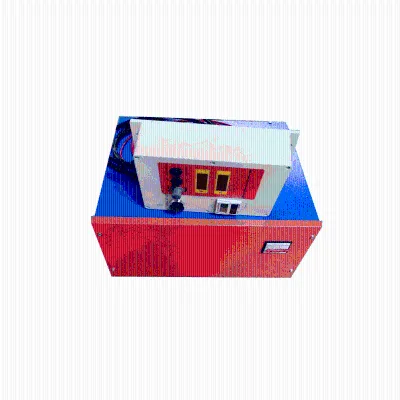


15V 5000 AMP Reversing Polarity Hard Chrome Plating Rectifier
$4600.00 - $5300.00
MOQ: 1 Pieces
Linyi City Lanshan District Wenbo Power Supply Equipment Factory

15V 2000A Plating Rectifier Switching Dcpower Supply
$400.00 - $1500.00
MOQ: 1 Pieces
Linyi City Lanshan District Wenbo Power Supply Equipment Factory

6V 48V 100A Auto Polarity Reverse Rectifier for Wastewater
$800.00 - $1200.00
MOQ: 1 Pieces
Linyi City Lanshan District Wenbo Power Supply Equipment Factory


24V 7000A Pr Function Polarity Reverse Water Electrolysis Rectifier
$10300.00 - $11000.00
MOQ: 1 Pieces

Frequency Switching 15V 4000A Hard Chrome Galvanized Plating Rectifier
$500.00 - $1799.00
MOQ: 1 Pieces


Comprehensive Sourcing Guide
Reversible Polarity Switching Rectifier Sourcing Guide
Procuring a Reversible Polarity Switching Rectifier requires a nuanced understanding of industrial power electronics, particularly when the application demands dynamic current direction changes for processes like electroplating, battery charging, or specialized motor testing. These devices are not standard DC power supplies; they are sophisticated systems capable of managing complex load characteristics while maintaining stability during polarity reversals. Buyers must recognize that the term "reversible polarity" often intersects with constant voltage (CV) and constant current (CC) control modes, where the output can be adjusted to meet specific process requirements without compromising the integrity of the connected equipment. The core challenge lies in selecting a unit that balances high-frequency switching efficiency with the robust protection mechanisms necessary to handle inductive loads and potential short-circuit scenarios inherent in reversible operations.
The market for these rectifiers is dominated by manufacturers specializing in high-frequency switch-mode technology, which offers significant advantages in size, weight, and energy efficiency compared to traditional transformer-based units. Observed listings indicate a wide range of capabilities, from low-power units suitable for laboratory settings to high-capacity systems designed for heavy industrial electroplating lines. Buyers should note that specifications such as output voltage, current capacity, and switching frequency vary significantly across suppliers. For instance, some units offer outputs up to 500A at 12V, while others provide higher voltage ranges up to 100V or more with varying current limits. Understanding these variations is critical for matching the rectifier to the specific electrical demands of the production line, ensuring that the selected equipment can handle peak loads without thermal overload or performance degradation.
Product Scope and Observed Listing Signals
The product scope for reversible polarity switching rectifiers encompasses a variety of industrial power supply solutions, primarily characterized by their ability to manage DC output with precise control over voltage and current parameters. Typical applications include electroplating, where polarity reversal is sometimes required for specific surface treatment processes, and battery charging systems that benefit from controlled charging modes such as CC/CV. The observed market signals indicate a strong presence of units utilizing IGBT modules and silicon-controlled rectifiers, which are essential for achieving the high switching frequencies and efficient power conversion required in modern industrial environments. These components enable the rectifiers to maintain a smooth waveform and high efficiency, often cited around 90%, which is crucial for reducing energy costs and heat generation in continuous operation scenarios.
Listing signals also reveal a diversity in physical specifications and packaging, reflecting the varied needs of different industrial sectors. Units are often packaged in wooden boxes or plywood cases to ensure safe transport, with dimensions and weights varying based on the internal transformer and cooling system design. Some listings highlight the use of copper transformers, which are preferred for their superior conductivity and durability in high-current applications. Additionally, the presence of features such as remote control capabilities, programmable settings, and self-excited switching power supply modes suggests that these devices are designed for integration into automated systems. Buyers should pay close attention to these signals to determine if the rectifier supports the specific control and monitoring requirements of their facility, such as parallel switching for increased capacity or frequency modulation for precise voltage regulation.
Technical Specifications to Verify
When evaluating technical specifications, buyers must prioritize the output parameters that directly impact their process efficiency and equipment safety. Key attributes to verify include the output voltage and current ranges, which should align with the requirements of the connected loads. For example, some units offer a 0-12V output with up to 500A current, while others provide 0-100V ranges with lower current capacities. It is essential to confirm whether the rectifier supports constant voltage and constant current modes, as this determines its suitability for applications like electroplating or battery charging. Additionally, the switching frequency, often in the range of 20KHZ, should be considered for its impact on electromagnetic interference and component stress, ensuring that the unit operates within acceptable limits for the surrounding environment.
Protection mechanisms and control modes are equally critical in the selection process, as they determine the reliability and longevity of the rectifier under varying load conditions. Buyers should verify the presence of over-current, over-voltage, and short-circuit protection features, which are standard in high-quality units but must be explicitly confirmed in technical datasheets. The control mode, whether it be silicon-controlled, remote control, or programmable, should match the operational needs of the facility. Furthermore, the starting mode, such as self-excited switching, and the voltage regulating mode, like frequency modulation, should be assessed for their ability to provide stable startup and precise output regulation. These technical details ensure that the rectifier can handle the dynamic demands of reversible polarity operations without compromising performance or safety.
Compliance and Safety Documentation
Compliance with international safety and environmental standards is a non-negotiable aspect of sourcing industrial rectifiers, particularly those used in sensitive applications like electroplating or battery manufacturing. Buyers must verify that the supplier provides comprehensive certification documentation, including CE, RoHS, ISO, and potentially UL or CCC marks, depending on the target market. These certifications indicate that the product has undergone rigorous testing for electrical safety, electromagnetic compatibility, and environmental impact. It is crucial to request copies of these certificates and verify their validity with the issuing bodies, as counterfeit or expired certifications can pose significant legal and operational risks. The presence of multiple certifications, such as CE, SGS, and ISO, suggests a higher level of quality assurance and adherence to global standards.
In addition to certifications, buyers should inquire about the specific safety features integrated into the rectifier design. These may include thermal protection, short-circuit protection, and over-voltage protection, which are essential for preventing damage to both the rectifier and the connected equipment. The operation environment specifications, such as temperature ranges and humidity limits, should also be reviewed to ensure that the unit can function reliably in the intended installation location. Furthermore, the warranty terms, typically ranging from one to two years, provide an additional layer of protection and indicate the manufacturer's confidence in their product. Buyers should ensure that the warranty covers both parts and labor, and that the supplier has a clear process for handling claims and providing technical support.
Cost Drivers and Commercial Terms
The cost of a Reversible Polarity Switching Rectifier is influenced by several factors, including the output power, current capacity, and the complexity of the control system. High-power units with advanced features such as remote control, programmability, and parallel switching capabilities tend to be more expensive due to the increased use of high-quality components like IGBT modules and copper transformers. Buyers should also consider the cost of customization, as some suppliers offer tailored solutions to meet specific application requirements, which can add to the overall price. Additionally, the packaging and shipping costs, which vary based on the weight and dimensions of the unit, should be factored into the total cost of ownership. Understanding these cost drivers helps buyers make informed decisions and negotiate better terms with suppliers.
Commercial terms, including minimum order quantities (MOQ), payment terms, and lead times, are also critical considerations in the procurement process. While some suppliers may offer low MOQs to accommodate small-scale projects, others may require larger orders to achieve economies of scale. Buyers should clarify these terms early in the negotiation process to avoid unexpected costs or delays. Payment terms, such as advance payment or letter of credit, should be aligned with the buyer's financial policies and risk tolerance. Lead times, which can vary based on the complexity of the order and the supplier's production capacity, should be confirmed to ensure that the equipment arrives in time for installation and commissioning. Clear communication regarding these commercial terms helps establish a transparent and mutually beneficial relationship with the supplier.
Supplier Qualification and Quality Control
Supplier qualification is a vital step in ensuring the reliability and quality of the purchased rectifiers. Buyers should assess the supplier's manufacturing capabilities, including their production facilities, quality control processes, and technical support resources. Suppliers with a strong track record in the industry, as evidenced by their certifications and customer testimonials, are generally more reliable. It is also important to verify the supplier's ability to provide after-sales support, including technical assistance, spare parts, and maintenance services. A supplier that offers comprehensive support can help minimize downtime and extend the lifespan of the equipment, providing greater value over the long term.
Quality control measures implemented by the supplier should be thoroughly reviewed to ensure that the products meet the required specifications and standards. Buyers should inquire about the testing procedures used during production, including electrical performance tests, safety checks, and environmental stress tests. Suppliers that conduct rigorous quality control processes are more likely to deliver products that perform reliably in the field. Additionally, buyers should consider requesting sample units or conducting factory audits to verify the supplier's claims and assess the quality of their products firsthand. These due diligence steps help mitigate the risk of receiving substandard equipment and ensure that the purchased rectifiers meet the buyer's expectations for performance and durability.
Long-Term Procurement Checks
Long-term procurement checks involve monitoring the performance and reliability of the rectifiers over time to ensure they continue to meet the operational needs of the facility. Buyers should establish a maintenance schedule that includes regular inspections, cleaning, and testing of the equipment to identify potential issues before they lead to failures. Monitoring key performance indicators, such as output stability, efficiency, and temperature rise, can provide early warnings of degradation or malfunction. Additionally, keeping detailed records of maintenance activities and repairs can help track the equipment's history and inform future procurement decisions. These proactive measures help maximize the lifespan of the rectifiers and minimize the risk of unexpected downtime.
Furthermore, buyers should stay informed about advancements in rectifier technology and industry standards to ensure that their equipment remains competitive and compliant. This may involve participating in industry forums, attending trade shows, or consulting with technical experts to gain insights into new developments. Regularly reviewing the supplier's product portfolio and service offerings can also help identify opportunities for upgrades or replacements that may improve efficiency or reduce costs. By maintaining a forward-looking approach to procurement, buyers can ensure that their investment in reversible polarity switching rectifiers continues to deliver value and support their operational goals over the long term.
FAQs
What is the output voltage range for this rectifier?
The output voltage ranges from 0 to 12 volts for the standard model. Some variants support up to 100 volts or 360 volts depending on the specific configuration selected for your electroplating application needs.
Can the unit operate continuously at full load?
Yes, the device is designed to run for 24 hours at full load without interruption. It maintains stable performance within an operation environment ranging from -15 to 45 degrees Celsius for industrial reliability.
Which certifications does the product hold?
The rectifier holds multiple certifications including RoHS, ISO, CE, CCC, UL, FCC, CB, and CSA. Additional certificates like SGS are also available to ensure compliance with international safety and quality standards.
How is the output current controlled?
Output current is controlled via Silicon Controlled Rectifiers with a constant voltage and constant current mode. The system supports a current range of 0 to 500 amps or 0 to 120 amps based on the specific model.
What is the warranty period for this equipment?
The product comes with a standard two-year warranty covering manufacturing defects and performance issues. This warranty ensures long-term reliability for industrial applications such as electroplating and charging systems.
Is customization available for this rectifier?
Customization is available to meet specific client requirements for voltage, current, or packaging. Buyers can request tailored solutions while maintaining the core high-frequency switching power supply technology and efficiency ratings.