Find RGB LED Outdoor Karaoke Bluetooth Speaker with Microphone for Events, Parties, and Home Use
Explore 30 options for the RGB LED Outdoor Karaoke Bluetooth Speaker with Microphone, featuring active amplification, digital displays, and versatile connectivity. Buyers can compare models with built-in batteries, remote controls, and support for USB and memory cards suitable for stage or home theatre setups.
Key considerations
Products List


Extra Bass Speaker Outdoor DJ Party Karaoke Speaker with Wireless Microphone
$11.20 - $12.00
MOQ: 100 Pieces


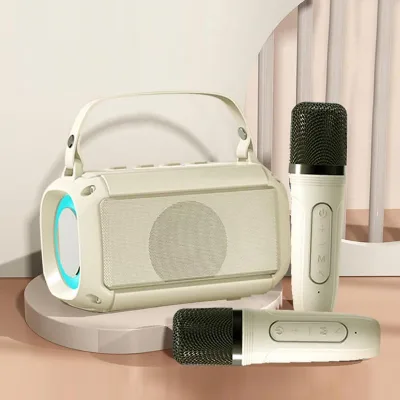


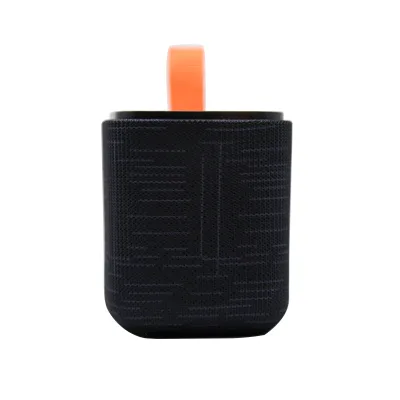

Portable Outdoor Bluetooth Speaker with Built-in Microphone for Karaoke
$6.00 - $11.50
MOQ: 500 Pieces


Comprehensive Sourcing Guide
Strategic Sourcing Guide for RGB LED Outdoor Karaoke Bluetooth Speakers with Microphone
Sourcing a robust RGB LED outdoor karaoke Bluetooth speaker with a microphone requires a disciplined approach that balances aesthetic appeal with acoustic performance and environmental durability. The global market for portable audio systems has seen a surge in demand for devices that combine entertainment features with rugged utility. For B2B buyers, the primary challenge lies in navigating a fragmented supply chain where product attributes often vary significantly between listings. This guide provides a structured framework for evaluating potential suppliers and products, ensuring that procurement decisions are grounded in verified data rather than marketing claims. The focus remains on understanding the technical specifications, compliance requirements, and cost structures inherent to this specific product category.
Technical Architecture and Acoustic Performance
The core functionality of an outdoor karaoke speaker relies on the integration of active amplification, digital display interfaces, and specialized sound channel configurations. In the current market, buyers encounter products with varying sound channel counts, ranging from single-channel units to more complex 5-speaker systems. When sourcing for outdoor environments, the distinction between a single-channel and a multi-channel system is critical. Single-channel units often utilize a bass reflex enclosure structure, which is designed to enhance low-frequency response, a feature essential for karaoke applications where vocal clarity and bass impact are paramount. Conversely, 5-speaker configurations are typically associated with home theatre systems, offering a broader soundstage that may be less portable but more immersive for stationary outdoor events.
The amplification type is almost universally active in this category, meaning the speaker contains built-in power amplifiers. This design simplifies the setup process but requires careful attention to power management. The signal-to-noise ratio (SNR) is a key metric for audio fidelity. Market observations indicate SNR values typically falling within the 70-90dB range. A higher SNR, such as 81-90dB, suggests a cleaner audio output with less background hiss, which is preferable for professional or semi-professional karaoke events. However, units with an SNR of 70-80dB are also common and may suffice for casual use. Buyers must verify the specific SNR of the target model, as this directly impacts the listening experience in noisy outdoor settings.
Connectivity is another pillar of technical performance. The standard for wireless transmission has shifted toward Bluetooth V5.0, which offers improved range, stability, and lower power consumption compared to older versions. This standard ensures that mobile phones and portable players can connect seamlessly without significant latency. Additionally, the inclusion of a microphone is non-negotiable for karaoke functionality. The microphone system often supports recording functions, allowing users to capture performances directly to the device or an external storage medium. Extended storage options, such as SD card slots and USB disk support, provide flexibility for users who do not wish to rely solely on Bluetooth streaming.
Environmental Durability and Structural Design
Outdoor applications impose unique stressors on electronic equipment, including exposure to moisture, dust, temperature fluctuations, and physical impact. The structural design of the speaker plays a vital role in mitigating these risks. Most units in this category are constructed with plastic materials, which offer a favorable balance between weight, cost, and durability. The speaker material is often specified as plastic, which is lightweight and resistant to corrosion. However, the mere mention of plastic does not guarantee weather resistance. Buyers must inquire about the specific IP (Ingress Protection) rating of the enclosure, as this rating defines the device's ability to withstand dust and water ingress.
The physical dimensions and weight are also critical factors for outdoor logistics. Observed specifications indicate that some models adhere to a standard weight of approximately 2kg, while others may have specific dimensional constraints, such as 1189696mm. These dimensions influence the portability of the unit. A desktop speaker structure is common, designed to sit on a table or stand, but for true outdoor mobility, a handle or integrated carrying mechanism is often required. The presence of an RGB LED lighting system adds a layer of complexity to the design. These lights are not merely decorative; they serve as a visual cue for the audio rhythm, enhancing the party atmosphere. The LED lighting is typically customizable, allowing buyers to request specific color patterns or synchronization modes.
Power management is intrinsically linked to outdoor usability. The built-in battery capacity is a decisive factor for how long a speaker can operate without access to mains power. A battery capacity of 1000mAh is observed in several models, which provides a baseline for portable operation. However, the actual runtime depends heavily on the volume level, the intensity of the LED lighting, and the efficiency of the active amplification system. For extended outdoor events, buyers should prioritize models with higher capacity batteries or those that support external power solutions. The charging mechanism, often integrated into the microphone or speaker body, must be robust to handle frequent use.
Compliance, Certification, and Safety Standards
Navigating the regulatory landscape is a critical step in the procurement process. While specific certification statuses for individual products are not universally guaranteed, buyers must verify that the supplier adheres to relevant international standards. The product origin is frequently listed as China, a major manufacturing hub for consumer electronics. This origin point necessitates a rigorous check of compliance with destination market regulations, such as the CE mark for Europe, FCC for the United States, or RoHS for hazardous substance restrictions.
The Bluetooth Standard, specifically V5.0, implies compliance with radio frequency regulations in most jurisdictions. However, the integration of wireless transmission requires that the device does not interfere with other electronic equipment. Buyers should request test reports or certification documents that confirm the device meets the radio frequency emission limits of their target market. Additionally, the electrical safety of the built-in battery and charging circuitry must be verified. Lithium-ion batteries, commonly used in portable speakers, are subject to strict transport regulations due to fire risks. The supplier must demonstrate that the battery cells meet safety standards for shipping, particularly for air freight.
Environmental standards are also gaining prominence. The use of plastic materials and electronic components must align with waste electrical and electronic equipment (WEEE) directives in many regions. While the specific standard "2kg" is observed as a product weight specification, it does not constitute an environmental certification. Instead, buyers should look for explicit statements regarding the recyclability of materials and the absence of hazardous substances like lead or mercury. The packaging, often a retail box or color box, should also be evaluated for its environmental impact, with a preference for suppliers who utilize recyclable materials.
Cost Drivers and Pricing Dynamics
The pricing of RGB LED outdoor karaoke speakers is influenced by a complex interplay of factors, including component quality, feature set, and order volume. The observed price range in the market spans from $3 to $122 USD, reflecting the vast diversity in product tiers. At the lower end of the spectrum, products may feature basic plastic construction, lower SNR ratings, and minimal LED functionality. These units are often targeted at budget-conscious buyers or promotional giveaways. Conversely, the higher price points correspond to units with advanced features, such as superior sound channels, higher capacity batteries, and more sophisticated LED control systems.
The Minimum Order Quantity (MOQ) is a significant cost driver. Observed MOQs range from 1 to 3000 units, offering flexibility for different buyer profiles. Small businesses or startups may benefit from low MOQ options, allowing them to test the market with minimal financial risk. However, larger orders typically unlock economies of scale, reducing the unit cost significantly. The customization options, such as logo printing and color variations, also impact the final price. Customization is generally available, but it often incurs additional setup fees and may require a higher MOQ to be cost-effective.
Lead times and delivery methods further influence the total cost of ownership. The observed lead time for production is typically 2-3 work days, which is relatively short. However, the delivery time can vary significantly, ranging from 7-9 work days to 15-18 work days, depending on the shipping method and destination. Shipping methods such as FedEx, UPS, DHL, or DDP (Delivered Duty Paid) offer different levels of speed and cost. DDP shipping is often preferred for B2B transactions as it simplifies the customs clearance process, but it may come at a premium. Buyers must balance the urgency of their needs against the budget constraints when selecting a shipping method.
Supplier Evaluation and Quality Assurance
Selecting the right supplier is as important as selecting the right product. The market contains numerous manufacturers, and the quality of their output can vary widely. A robust supplier evaluation process should begin with a thorough review of the supplier's production capabilities and quality control systems. Buyers should verify the supplier's experience in manufacturing Bluetooth speakers and their track record in delivering products that meet international standards. The ability to provide samples for testing is a crucial indicator of a supplier's confidence in their product quality.
Quality assurance should extend beyond the initial product inspection. Buyers should inquire about the supplier's testing protocols for key performance indicators, such as SNR, battery life, and Bluetooth connectivity stability. The presence of a recording function and the reliability of the microphone system are also critical areas for testing. For outdoor speakers, environmental testing is essential. Buyers should request data on the speaker's performance under various temperature and humidity conditions to ensure it can withstand outdoor use.
The supplier's responsiveness and communication skills are also vital. A reliable supplier should be transparent about their production process, lead times, and any potential risks. The ability to accommodate customization requests, such as logo printing or specific packaging requirements, is a sign of a flexible and customer-oriented partner. Buyers should also assess the supplier's after-sales support, including warranty policies and technical assistance. A supplier that offers a comprehensive warranty and responsive support team can mitigate the risks associated with product failures and ensure long-term satisfaction.
Long-Term Procurement and Market Trends
The market for portable audio equipment is dynamic, with trends shifting towards more integrated and smart features. The integration of RGB LED lighting and Bluetooth connectivity has become a standard expectation for karaoke speakers. However, future trends may include enhanced voice recognition, app-based control, and improved battery efficiency. Buyers should consider these trends when planning their procurement strategy. Investing in products that are adaptable to future technological advancements can extend the lifecycle of the inventory and reduce the need for frequent replacements.
Sustainability is another long-term consideration. As environmental regulations become stricter, suppliers who prioritize eco-friendly materials and manufacturing processes will gain a competitive advantage. Buyers should look for suppliers who are proactive in reducing their carbon footprint and minimizing waste. This approach not only aligns with regulatory requirements but also appeals to environmentally conscious consumers.
Finally, the scalability of the supply chain is crucial for long-term success. Buyers should ensure that their suppliers have the capacity to scale production in response to demand fluctuations. The observed lead times and delivery times suggest that the supply chain is relatively agile, but buyers should verify this capacity during the negotiation phase. Building a strong, collaborative relationship with suppliers can lead to better pricing, priority production, and access to new product innovations. By focusing on these long-term considerations, buyers can secure a competitive edge in the market and ensure the sustained success of their product offerings.
FAQs
Can I customize the logo on these speakers?
Yes, customized logos are available for these units. Buyers can request specific branding on the product, though this often requires meeting a minimum order quantity and may incur additional setup fees depending on the supplier.
What is the typical lead time for production?
The production lead time is typically 2 to 3 work days for these models. This short turnaround allows for rapid manufacturing, but the total delivery time will vary based on the selected shipping method and destination.
Which battery capacity is standard for this speaker?
A 1000mAh built-in battery is a standard specification observed for these portable karaoke speakers. This capacity supports portable operation, though actual runtime depends on volume levels and the intensity of the RGB LED lighting.
How does the sound channel configuration vary?
Sound channels vary from single-channel units to 5-speaker systems depending on the specific model. Single-channel models often use a bass reflex enclosure for enhanced bass, while 5-speaker configurations are better suited for home theatre setups.
What Bluetooth version do these speakers support?
These speakers commonly support the Bluetooth V5.0 standard for wireless connectivity. This version ensures stable transmission with lower power consumption, allowing seamless pairing with mobile phones and portable players without significant latency.
Are there options for memory card support?
Yes, many models include memory card support and USB disk support for extended storage. This feature allows users to play audio files directly from SD cards or USB drives without relying solely on Bluetooth streaming.
What is the minimum order quantity for these speakers?
The minimum order quantity ranges from 1 to 3000 units depending on the supplier and customization needs. Low MOQ options are available for testing the market, while larger orders typically unlock better economies of scale.