Source RGB Infinity Mirror Cube with Chasing Light Effect for Bars, Clubs, and Studios
Compare 30 listings for the RGB Infinity Mirror Cube with Chasing Light Effect from verified suppliers in Guangdong. Options include metal frames, fogless features, and custom shapes suitable for commercial and outdoor environments.
Key considerations
Products List


$65.48 - $68.00
MOQ: 50 Square Meters


Custom Magic LED 3D Decorative Infinity Mirror Tunnel Mirror for Bar
$50.33 - $160.00
MOQ: 10 Square Meters


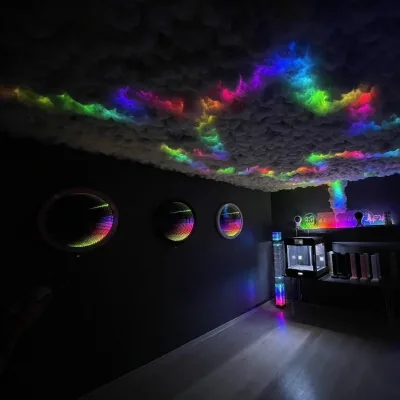
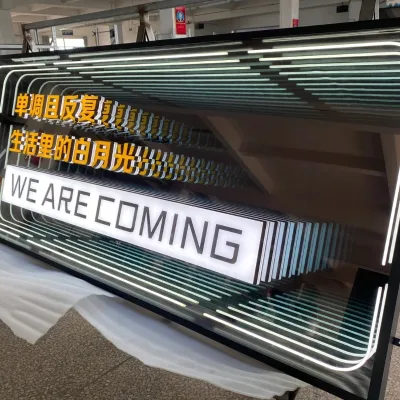
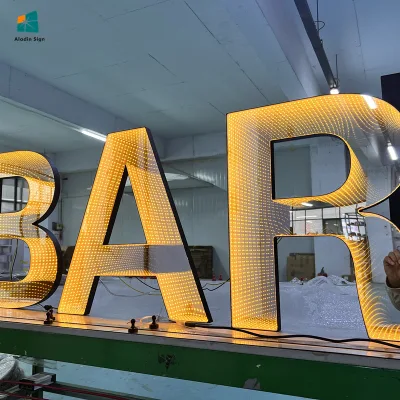
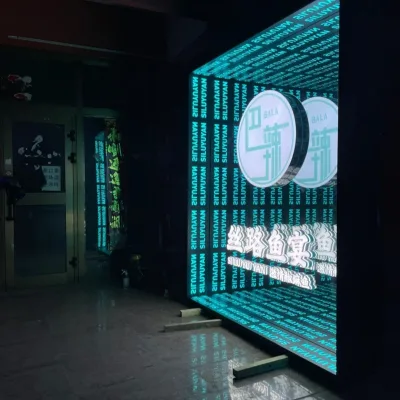
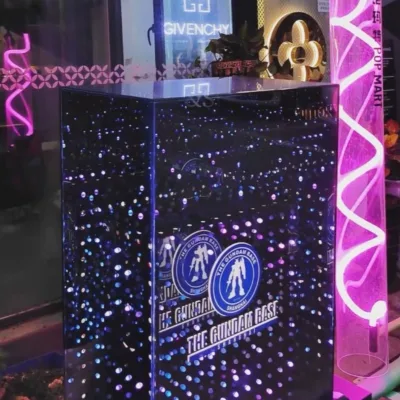


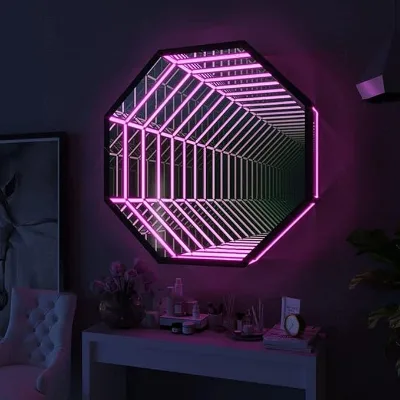


Elegant Color Mirror with Magical Light Transformations Rainbow Mirror
$1.98 - $9.64
MOQ: 1000 Square Meters

$1.98 - $9.64
MOQ: 1000 Square Meters


Comprehensive Sourcing Guide
Strategic Sourcing Guide for RGB Infinity Mirror Cubes with Chasing Light Effects
Procuring specialized lighting fixtures like an RGB infinity mirror cube with a chasing light effect requires a disciplined approach that balances aesthetic customization with rigorous technical verification. In the B2B marketplace, these products often appear under generic terms such as "LED Infinity Mirror" or "Infinite Mirror," yet the specific functional requirements of RGB color cycling and dynamic chasing patterns demand precise supplier vetting. The following guide outlines the essential steps for sourcing these units, leveraging observed market data and standard industry practices to ensure a successful procurement cycle.
Technical Specifications and Functional Verification
When evaluating potential suppliers for an RGB infinity mirror cube, the primary focus must be on the optical and electronic specifications that define the "chasing light effect." Unlike static mirrors, these units rely on a specific arrangement of LED strips behind a two-way mirror and a reflective backing to create the illusion of infinite depth. The core technology involves a controller that manages the color changing sequence. Buyers must verify that the supplier provides a controller capable of RGB color mixing and specific pattern programming, including the "chasing" or "flowing" light sequences that define this product category.
Observed product attributes in the current market indicate that many suppliers offer units with "Silver Mirror" finishes and "LED" lighting sources. While some listings specify "Lighted" as a special function, the specific RGB capability and chasing algorithm are often custom configurations. The voltage requirements observed in similar commercial-grade units typically range from 220V/50Hz, but for cube-specific or low-voltage applications, 12V or 24V DC systems are common. It is critical to confirm the input voltage and the type of driver used, as mismatched voltages can lead to immediate failure. Furthermore, the "Color Temperature" for RGB units is variable, but the underlying white balance or the specific LED chip quality (often measured by Color Rendering Index or Ra) should be checked. While some standard mirrors list an Ra of 60, high-end RGB units intended for commercial display often require higher fidelity to ensure color accuracy during the chasing effect.
The physical construction is equally vital. The "Frame Material" is frequently listed as "Metal," providing the necessary rigidity for a cube structure. The "Shape" can vary from "Rectangle" to "Customized Shape," but a cube implies a specific geometric constraint. Buyers should verify the "Sides" configuration; while many mirrors are "Single Sided," a cube with a chasing effect may require reflective surfaces on multiple faces or a specific internal cavity depth to achieve the infinite loop visual. The "Finish" is often "Silver," but the quality of the silvering and the anti-fog coating are essential for longevity, especially in humid environments where "Fogless" and "Waterproof" attributes are claimed.
Compliance, Certification, and Safety Standards
Safety compliance is non-negotiable when sourcing electrical lighting products for commercial or outdoor use. The market data indicates that reputable suppliers often hold certifications such as UL, ISO, CE, and ROHS. These certifications are not merely marketing labels; they represent adherence to specific safety and environmental standards. For an RGB infinity mirror cube, the electrical safety of the LED driver and the wiring harness is paramount. The CE mark indicates conformity with health, safety, and environmental protection standards for products sold within the European Economic Area, while UL certification is the benchmark for safety in North America.
The "ROHS" directive is critical for verifying that the product does not contain hazardous substances like lead, mercury, or cadmium, which are often found in older electronic components. Additionally, if the product is intended for "Outdoor" usage, as noted in some product attributes, it must meet specific IP (Ingress Protection) ratings to ensure it is "Waterproof" and "Rustproof." The "Special Function" attributes listed in supplier catalogs often include "Fogless," which implies a heating element or a hydrophobic coating to prevent condensation. Buyers must request test reports or certification documents that explicitly validate these claims for the specific model, rather than relying on general product descriptions.
For commercial installations, the "Product Standard" may also need to align with local building codes regarding fire safety and electrical load. While some suppliers list standards like "600600mm" or "800800mm," these are often dimensional references for flat mirrors. For a cube, the structural integrity and fire rating of the frame and internal components must be verified. The "Customized" nature of many of these units means that standard certifications might need to be re-validated for the specific custom configuration, particularly if the chasing light effect involves a custom PCB or controller design.
Cost Drivers and Pricing Dynamics
The pricing of RGB infinity mirror cubes is influenced by several distinct factors, including the complexity of the chasing light algorithm, the quality of the LED components, and the customization level. The observed price range in the market spans from $0.20 to $350, a wide disparity that reflects the difference between simple decorative items and high-end, custom-engineered commercial fixtures. The lower end of the spectrum typically corresponds to basic models with standard LED strips and simple color cycling, often with minimal packaging. In contrast, the higher price points are associated with units featuring high-brightness LEDs, advanced controllers for complex chasing patterns, robust metal frames, and specialized packaging like "Sea Worthy Strong Wooden Crates."
The "MOQ" (Minimum Order Quantity) is another significant cost driver. Data shows an observed MOQ range from 1 piece to 1000 pieces. Suppliers offering an MOQ of 1 piece often charge a premium per unit to cover setup costs for custom designs. Conversely, bulk orders can significantly reduce the unit cost. The "Payment Term" of "100% TT in Advance" is common for custom orders, which impacts cash flow and risk management for the buyer. Buyers should negotiate payment terms based on the order size and the supplier's reputation.
Additional cost factors include the "Product Weight," which affects shipping costs. A unit weighing 6kg, for example, will incur higher freight charges than a lighter alternative. The "Shipment" lead time of 10-15 days or "Within 2 Weeks After Deposit" also influences the total cost of ownership, as expedited shipping or rush orders often carry surcharges. The "Brand Name" and "Lighting solutions service" provided by the supplier can also add value, potentially justifying a higher price point if the supplier offers design support, installation guidance, or extended warranties.
Typical Applications and Usage Scenarios
The versatility of RGB infinity mirror cubes with chasing light effects makes them suitable for a wide range of commercial and outdoor applications. The "Usage" attributes listed in the market data, such as "Commercial" and "Outdoor," highlight their adaptability. In commercial settings, these units are frequently used as focal points in retail stores, hotels, bars, and nightclubs. The dynamic chasing light effect creates an immersive atmosphere that draws attention and enhances the visual appeal of the space.
For outdoor applications, the "Waterproof" and "Rustproof" attributes are critical. These units can be installed in building facades, poolside areas, or garden features, provided they meet the necessary IP ratings for weather resistance. The "Modern" style and "Customized" shape options allow architects and designers to integrate these lighting elements seamlessly into contemporary building designs. The "Silver Mirror" finish and "LED" technology ensure energy efficiency and a sleek aesthetic that complements modern interior and exterior design trends.
The "Special Function" of being "Fogless" is particularly valuable in high-humidity environments such as bathrooms, saunas, or outdoor pools, where condensation can obscure the mirror surface. The "Magnified" function, if available, adds another layer of utility, making these units suitable for vanity areas or diagnostic spaces. The "Unfolded" state mentioned in some product attributes suggests that the units may be designed for easy installation or transport, which is beneficial for large-scale commercial projects requiring multiple units.
Supplier Evaluation and Selection Criteria
Selecting the right supplier for an RGB infinity mirror cube requires a thorough evaluation of their capabilities, reliability, and communication. The "prod_origin" is frequently listed as "Guangdong, China" or simply "China," indicating that the majority of these products are manufactured in this region. Buyers should verify the specific factory location and capacity to ensure they can meet the required production volume and quality standards. The "Customization" availability is a key differentiator; suppliers that offer "Custom Designs" and "Customized Shape" options are better equipped to meet unique project requirements.
When evaluating suppliers, buyers should request samples to test the "Chasing Light Effect" and the overall build quality. The "Product Weight" and "Packing" details, such as "Bubble Bag, PE Foam, Carton" or "Wooden Cases," provide insight into the supplier's attention to detail during shipping. A supplier that uses "Sea Worthy Strong Wooden Crates" demonstrates a commitment to protecting the product during transit, which is crucial for fragile glass and electronic components.
Communication and responsiveness are also vital. The "Delivery Time" of "Within 2 Weeks After Deposit" or "10-15 Days" should be clearly understood and agreed upon in the contract. Buyers should assess the supplier's ability to handle "Payment Term" negotiations and their willingness to provide detailed technical documentation, including wiring diagrams and controller programming instructions. The presence of a "Brand Name" and a professional "Lighting solutions service" can indicate a more established and reliable supplier.
Quality Control and Long-Term Procurement Considerations
Ensuring consistent quality in RGB infinity mirror cubes involves a multi-stage quality control process. Buyers should implement incoming inspection protocols that verify the "Color Temperature," "Color Rendering Index," and the functionality of the "Chasing Light Effect." The "LED" components should be tested for brightness consistency and color accuracy across the entire spectrum. The "Metal" frame must be inspected for structural integrity and finish quality to prevent rust or corrosion over time.
Long-term procurement considerations include the availability of spare parts and the lifespan of the LED components. The "Support Dimmer" feature and the ability to adjust the chasing pattern are important for future maintenance and customization. Buyers should inquire about the warranty period and the supplier's policy on defective units. The "Standard" specifications, such as "300400mm" or "800600mm," should be clearly defined to ensure that the delivered units match the project requirements.
Finally, buyers should consider the environmental impact and sustainability of the products. The "ROHS" certification ensures that the materials used are environmentally friendly. The energy efficiency of the "LED" technology contributes to lower operational costs and a reduced carbon footprint. By prioritizing suppliers who adhere to high standards of quality and sustainability, buyers can ensure a reliable and cost-effective supply chain for their RGB infinity mirror cube projects.
Summary of Key Procurement Factors
To facilitate a clear comparison of the critical factors discussed, the following table summarizes the essential attributes buyers should verify during the sourcing process.
| Attribute Category | Key Verification Points | Market Observation Notes |
|---|---|---|
| Technical Specs | RGB Controller, Chasing Algorithm, Voltage, LED Type | Voltage often 220V/50Hz; LED is standard; Chasing effect is custom |
| Certifications | UL, CE, ROHS, IP Rating (for outdoor) | UL/ISO/CE/ROHS listed; Waterproof/Rustproof claims require validation |
| Materials | Frame (Metal), Mirror (Silver), Finish | Frame is Metal; Mirror is Silver; Finish is Silver |
| Customization | Shape, Size, Design, Pattern | Shapes include Rectangle, Round, Customized; Design is Custom |
| Logistics | MOQ, Lead Time, Packaging, Payment | MOQ 1-1000; Lead time 10-15 days; Payment 100% TT Advance |
| Applications | Commercial, Outdoor, Indoor, Wet Areas | Usage: Commercial, Outdoor; Special Functions: Fogless, Lighted |
By adhering to these guidelines and maintaining a rigorous focus on evidence-based verification, buyers can successfully navigate the complex landscape of sourcing RGB infinity mirror cubes with chasing light effects, ensuring high-quality results for their specific projects.
FAQs
How can I verify the chasing light effect works correctly?
Verify the effect by requesting a video sample showing the RGB color cycling and flow patterns. Ensure the supplier provides a controller capable of programming specific sequences, as standard units may only offer basic color changes without dynamic chasing algorithms.
What certifications are required for outdoor use?
Reputable suppliers typically hold UL, CE, and ROHS certifications for electrical safety and environmental compliance. For outdoor applications, confirm the product meets specific IP ratings to ensure it is waterproof and rustproof against weather exposure.
Which frame materials ensure structural integrity for cubes?
Metal frames are commonly used to provide the necessary rigidity for cube structures. Verify the finish quality is silver and the material prevents rust, especially if the unit is intended for humid or outdoor commercial environments.
Can I customize the shape and size of the cube?
Yes, many suppliers offer customized shapes and sizes to meet specific project requirements. You can request dimensions like 50*50*6cm or other custom configurations, though this may affect the minimum order quantity and lead time.
What is the typical lead time for custom orders?
Typical delivery times range from 10 to 15 days or within two weeks after deposit. Custom orders with specific chasing light patterns may require additional time for controller programming and quality testing before shipment.
How does the MOQ affect the unit price?
The minimum order quantity significantly impacts the unit price, with ranges observed from 1 piece to 1000 pieces. Lower MOQs often carry a premium per unit, while bulk orders can reduce costs but require higher upfront capital.
What voltage requirements should I expect for these units?
Commercial-grade units often operate on 220V/50Hz, but some applications may use 12V or 24V DC systems. Confirm the input voltage and driver type with the supplier to prevent immediate failure due to mismatched electrical specifications.