Source Rechargeable Mini Wireless Speaker for Home, Stage, and Desktop
Explore 30 options for the Rechargeable Mini Wireless Speaker suitable for home theatre, stage, and desktop use. Buyers can compare specifications like battery capacity, output power, and connectivity to find the ideal unit for portable audio needs; compare the available evidence and request quotations based on your requirements.
Key considerations
Products List


Speaker Wireless Bluetooth Speaker Portable Speakers with Retial Box Outdoor Mini Speakers
$14.49 - $14.74
MOQ: 2000 Pieces


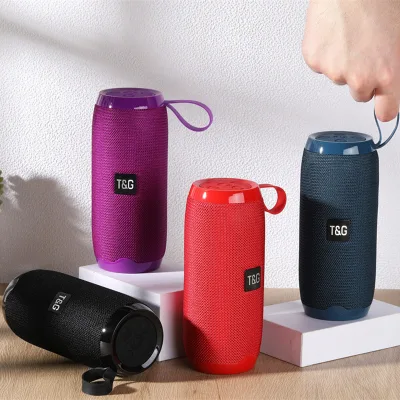


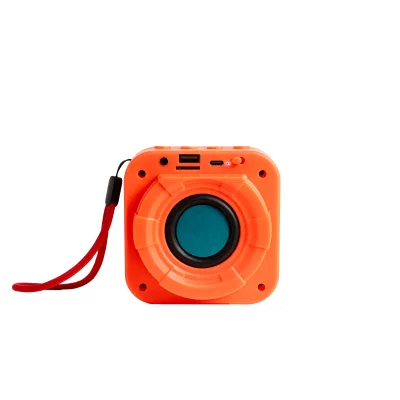

Wireless Bluetooth Speaker Colorful RGB Night Light Outdoor Portable Mini Speaker
$1.52 - $1.60
MOQ: 1000 Pieces
Comprehensive Sourcing Guide
Rechargeable Mini Wireless Speaker Sourcing Guide
Procuring rechargeable mini wireless speakers requires a disciplined approach to balancing portability with acoustic performance. Buyers must navigate a market where "mini" denotes varying form factors, from pocket-sized units to desktop-friendly designs. The core challenge lies in aligning the physical constraints of small enclosures with the electrical demands of battery-powered operation. Sourcing decisions should prioritize verified battery capacity and efficient power management systems to ensure consistent playback times. Understanding the trade-offs between size, weight, and sound output is essential for selecting the right product for specific end-user needs.
This guide provides a structured framework for evaluating suppliers and products in this category. It focuses on critical technical parameters, compliance requirements, and commercial terms that directly impact procurement success. By adhering to evidence-based verification steps, buyers can mitigate risks associated with inconsistent quality or non-compliant products. The following sections detail the specific attributes to scrutinize, from Bluetooth connectivity standards to packaging specifications, ensuring a robust sourcing strategy.
Product Scope and Observed Listing Signals
The current market for rechargeable mini wireless speakers exhibits significant variation in specifications, reflecting diverse application scenarios. Observed listings indicate a wide price range, typically between $1.01 and $50 USD, which correlates with differences in component quality and feature sets. Minimum order quantities (MOQs) vary substantially, ranging from single units for sampling to 10,000 pieces for large-scale distribution. Buyers should note that "universal" compatibility is a common claim, but actual performance depends on the specific Bluetooth version and supported protocols. Understanding these signals helps in filtering suppliers based on volume requirements and budget constraints.
Key product attributes observed include active amplification types and various connection methods, predominantly Bluetooth. Usage scenarios span home theater systems, karaoke, computers, portable players, mobile phones, stage/DJ setups, TVs, and radios. This versatility suggests that buyers should define their primary use case early in the sourcing process. For instance, stage/DJ applications may require higher power output and durability, while mobile phone usage prioritizes compactness and ease of pairing. The presence of features like memory card support, USB disk support, and radio functionality adds value but also increases complexity in verification.
Technical Specifications to Verify
Technical verification must begin with audio performance metrics, particularly sound channel configuration and frequency response. Listings often cite 2-channel stereo output, but buyers should verify the actual frequency response range, which typically spans from 100Hz to 10kHz or 20kHz. Higher frequency response ranges generally indicate better clarity in treble reproduction. Additionally, the signal-to-noise ratio (SNR) is a critical indicator of audio purity, with observed values ranging from 70dB to 80dB. A higher SNR ensures cleaner sound, especially at higher volumes, which is vital for professional or high-fidelity applications.
Battery and power specifications are equally crucial for portable devices. Buyers must confirm the battery capacity, which varies from 300mAh to 1800mAh depending on the model. Playing time is directly influenced by this capacity, with observed durations ranging from 1-2 hours to 3.5 hours. Power source options include both battery and USB power supply, offering flexibility in charging methods. Bluetooth version is another key differentiator, with versions 5.0 and 5.3 offering improved connectivity, range, and power efficiency. Verifying these specs ensures the product meets the expected performance standards for its intended use.
Compliance and Safety Documentation
Compliance with international safety and electromagnetic compatibility standards is non-negotiable for electronic devices. Buyers must request certificates such as CE, which indicates conformity with health, safety, and environmental protection standards for products sold within the European Economic Area. While ISO 27001 is mentioned in some contexts, it pertains to information security management rather than product safety, so buyers should prioritize product-specific certifications. Verifying these documents ensures that the speakers do not pose electrical hazards or emit excessive electromagnetic interference, protecting both the buyer and the end-user from liability.
Waterproof ratings are another important compliance aspect, particularly for speakers marketed for outdoor or mobile use. Observed ratings include IPX3, which offers protection against water spray from any direction. Buyers should clarify the exact IP rating required for their application, as higher ratings provide greater durability in harsh environments. Additionally, checking for RoHS compliance ensures that the product is free from hazardous substances, aligning with global environmental regulations. Ensuring proper documentation prevents customs delays and enhances market acceptance in regulated regions.
Cost Drivers and Commercial Terms
Cost structures in this category are influenced by several factors, including battery capacity, Bluetooth version, and additional features like touch control or TWS support. Higher battery capacities and advanced Bluetooth versions typically command higher prices due to increased component costs. Customization options, such as custom logos, often have minimum order quantities, such as 3000 pieces, which can affect the overall unit cost. Buyers should negotiate based on volume tiers and clearly define the scope of customization to avoid unexpected charges.
Packaging and shipping dimensions also impact total landed costs. Observed packing standards vary, with some products packed in color boxes and others in bulk cartons. Standard carton dimensions and weights, such as 51.746.722.5cm and 20kg, help in calculating freight costs accurately. Buyers should request detailed packing lists, including accessories like charging cables and manuals, to ensure completeness. Understanding these commercial terms allows for precise budgeting and avoids hidden costs associated with logistics and packaging.
Supplier Qualification and Quality Control
Supplier qualification requires a thorough assessment of manufacturing capabilities and quality control processes. Buyers should verify the supplier's origin, with Guangdong being a common hub for electronics manufacturing, known for its supply chain efficiency. Requesting samples is essential to evaluate build quality, audio performance, and battery life firsthand. Suppliers should provide detailed product specifications, including dimensions, weight, and material composition, to ensure consistency with procurement requirements.
Quality control measures should include pre-shipment inspections to verify product functionality and packaging integrity. Buyers should establish clear acceptance criteria for defects, such as battery failure or Bluetooth connectivity issues. Regular communication with suppliers regarding production updates and quality reports helps maintain transparency. Implementing a robust quality control plan reduces the risk of receiving substandard products and ensures that the final goods meet the specified technical and compliance standards.
Long-Term Procurement Checks
Long-term procurement success depends on continuous monitoring of supplier performance and product reliability. Buyers should track key performance indicators such as defect rates, delivery times, and customer feedback. Regular audits of supplier facilities can help identify potential issues before they impact production. Maintaining open lines of communication with suppliers fosters collaboration and enables quick resolution of any emerging problems. This proactive approach ensures a stable supply chain and consistent product quality over time.
Additionally, buyers should stay informed about technological advancements in the Rechargeable Mini Wireless Speaker market. New Bluetooth versions, improved battery technologies, and enhanced audio features may emerge, offering opportunities for product upgrades. Periodically reviewing product specifications and market trends helps in making informed decisions about future orders. By adapting to changes and maintaining high standards, buyers can sustain a competitive edge and meet evolving customer demands effectively.
FAQs
What is the battery capacity of the Rechargeable Mini Wireless Speaker?
The battery capacity varies by model, with options including 300mAh, 500mAh, 1200mAh, and 1800mAh. These capacities support playing times ranging from one to three and a half hours depending on the specific unit selected for your needs.
Can I customize the logo on the Rechargeable Mini Wireless Speaker?
Custom logo services are available for bulk orders starting at 3000 pieces. This customization option allows buyers to brand the product effectively while meeting the minimum order quantity requirements set by the manufacturer for personalized designs.
Which Bluetooth version does the Rechargeable Mini Wireless Speaker support?
The device supports Bluetooth versions 5.0 and 5.3 for stable wireless connectivity. These versions ensure an effective connection distance of up to 10 meters, providing reliable performance for various audio streaming applications across different devices.
How long does it take to charge the Rechargeable Mini Wireless Speaker?
Charging typically requires three hours to fully power the internal battery. This duration ensures the speaker is ready for extended use, supporting playback times that range from one to three and a half hours depending on the specific model capacity.
What is the output power of the Rechargeable Mini Wireless Speaker?
Output power ranges from 3W to 10W across different models in the product line. This variation allows users to select a unit that fits their specific audio requirements, whether for desktop use or portable outdoor scenarios with varying volume needs.
Where is the Rechargeable Mini Wireless Speaker manufactured?
The product originates from Guangdong, China, where manufacturing facilities produce these units. This location is a known hub for electronics production, ensuring that the speakers meet specific regional standards and are ready for international distribution and shipping.
What is the minimum order quantity for the Rechargeable Mini Wireless Speaker?
Minimum order quantities range from 1 to 10000 pieces depending on the specific product configuration. Buyers can source small batches for testing or large volumes for distribution, with customization options available for orders meeting the higher quantity thresholds.