Find RoHS Wire to Board Connector for PCB, RF, and Audio Applications
Source 30 verified options for RoHS Wire to Board Connector solutions suitable for PCB assembly, RF systems, and audio equipment. Buyers can compare specifications like pitch, rated voltage, and interface types across diverse models including BNC and DC/DC variants.
Key considerations
Products List


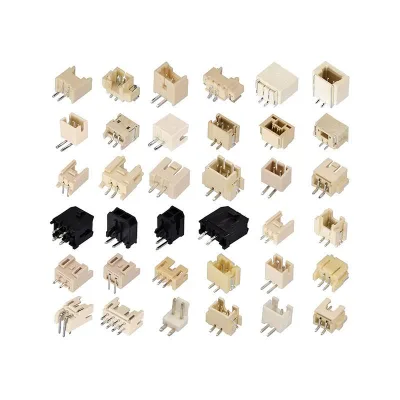


$0.71 - $0.72
MOQ: 500 Pieces


Comprehensive Sourcing Guide
Strategic Sourcing Guide for RoHS Wire-to-Board Connectors
Procuring wire-to-board connectors that comply with Restriction of Hazardous Substances (RoHS) directives requires a disciplined approach to technical verification and supplier evaluation. In the current B2B landscape, the intersection of environmental compliance and electrical performance is critical for maintaining supply chain integrity. Buyers must navigate a complex array of specifications, from pitch dimensions and current ratings to material composition and packaging standards. This guide outlines the essential factors for sourcing these components, focusing on the evidence-based attributes observed in the market and the necessary verification steps for procurement professionals.
Understanding Technical Specifications and Interface Types
The technical foundation of any wire-to-board connector lies in its interface type, pitch, and electrical ratings. When sourcing RoHS-compliant units, buyers must first identify the specific application requirements. The market offers diverse interface types, including DC/DC and BNC configurations, each serving distinct signal transmission needs. For instance, certain terminal blocks are designed specifically for the transmission of electrical signals, while others prioritize high-frequency applications such as UHF, RF, and microwave systems.
Pitch size is a decisive factor in board density and assembly feasibility. Observed standards in the sector include 2.5mm pitch and 4.2mm pitch options, which dictate the spacing between contact points. The physical shape of the connector, such as U-shaped terminals, also influences how wires are terminated and secured. Buyers should verify that the selected model, whether identified by codes like WWB247H-00410M or HP-BK, aligns with the mechanical constraints of the printed circuit board (PCB).
Electrical ratings must be rigorously checked to ensure safety and reliability. Typical specifications for these components include a rated voltage of 250V AC/DC and a rated current of 2A AC/DC. Insulation resistance is another critical parameter, often requiring a minimum of 1000 MΩ to prevent leakage. Furthermore, the contact resistance should be minimized, with maximum limits often set around 10MΩ. The operating temperature range is equally vital; components must function reliably within specified limits, such as -25℃ to +85℃, to withstand environmental stress during operation.
Compliance Verification and Certification Standards
RoHS compliance is a non-negotiable baseline for modern electronics manufacturing, but it is often accompanied by other critical certifications. While RoHS restricts hazardous substances, buyers must also look for UL certification, which validates safety standards for electrical components. The presence of UL certification indicates that the product has undergone rigorous testing for fire and electrical hazards. Additionally, ISO and CE certifications are frequently observed, signaling adherence to international quality management systems and European safety standards.
It is important to distinguish between the product's inherent certifications and the broader standards of the manufacturing facility. For example, while a specific connector model may carry RoHS and ISO CE marks, the production facility might also adhere to UL94 standards for flammability. Buyers should request current certification documents directly from the supplier rather than relying on marketing claims. The verification process should confirm that the material composition, particularly the copper or silver-plated copper used in contacts, meets the specific heavy metal limits defined by RoHS directives.
| Certification Type | Purpose | Verification Requirement |
|---|---|---|
| RoHS | Restricts hazardous substances | Request third-party test reports for lead, mercury, cadmium, etc. |
| UL | Safety and fire resistance | Verify active UL file number and component listing. |
| ISO/CE | Quality management and EU compliance | Check for valid ISO 9001 or CE declaration of conformity. |
| REACH | Chemical safety in EU | Confirm compliance with SVHC (Substances of Very High Concern) lists. |
Material Composition and Production Processes
The material selection for wire-to-board connectors directly impacts conductivity, durability, and environmental compliance. Copper is a primary material used for its excellent electrical conductivity, often appearing in various forms such as bare copper or silver-plated copper. The silver plating enhances corrosion resistance and maintains low contact resistance over time, which is essential for high-reliability applications.
The production process also plays a significant role in the final product quality. Different manufacturing methods, such as injection molding for plastic housings and ceramic processes for specific terminal blocks, yield different mechanical properties. Buyers should verify that the production process ensures dimensional stability and consistent insulation properties. For example, a product utilizing injection molding for its housing must demonstrate high-temperature resistance, a characteristic often required for components operating in demanding environments.
Packaging is another aspect of material handling that affects product integrity. Common packaging methods include bags, tubes, tape reels, and plastic boxes, often consolidated into cartons for shipping. The choice of packaging must protect the connectors from physical damage and environmental contamination during transit. Some suppliers offer specialized packaging like polybags with tape or plastic boxes to ensure the terminals remain organized and free from static discharge, which is crucial for sensitive electronic components.
Cost Drivers and Pricing Dynamics
The cost of wire-to-board connectors is influenced by a complex interplay of factors, including material costs, production complexity, and order volume. The observed price range in the market spans from $0 to $18, reflecting the diversity of product types and specifications. Lower-cost items may be standard terminal blocks with basic copper contacts, while higher-priced units often feature silver plating, specialized pitches, or advanced insulation materials.
Minimum Order Quantity (MOQ) is a significant cost driver. The market exhibits a wide MOQ range, from 1 unit for sampling purposes to 10,000 units for bulk production. Buyers must balance the need for inventory against the cost per unit. Smaller MOQs allow for flexibility and reduced capital risk but often come with a higher unit price. Conversely, larger orders typically reduce the per-unit cost but require significant upfront investment and storage capacity.
Customization is another factor that can influence pricing. While standard products are generally more affordable, custom solutions involving specific colors, pin counts, or unique interface types may incur additional tooling and setup costs. However, the availability of customization options allows buyers to tailor components to specific design requirements, potentially reducing overall system costs by improving integration efficiency.
Typical Applications and Industry Use Cases
Wire-to-board connectors are ubiquitous across various industries, serving as the critical link between wiring harnesses and circuit boards. Their applications range from simple signal transmission to complex power distribution systems. In the automotive sector, these connectors must withstand vibration and temperature fluctuations, making high-temperature resistance and robust insulation essential. Similarly, in the RF and microwave industries, connectors must maintain signal integrity at high frequencies, necessitating precise pitch and low contact resistance.
The versatility of these components is evident in their use across PCB, audio, video, and power applications. For instance, connectors with a 2.5mm pitch are often used in compact consumer electronics, while those with a 4.2mm pitch might be found in industrial control panels. The ability to conduct electricity efficiently while transmitting signals makes them indispensable in transmission systems. Furthermore, the environmental protection characteristics of RoHS-compliant connectors make them suitable for products destined for global markets with strict environmental regulations.
Supplier Evaluation and Quality Control Protocols
Selecting the right supplier is as important as selecting the right component. Buyers should evaluate suppliers based on their ability to provide consistent quality, adherence to certifications, and responsiveness to customization requests. A reliable supplier will offer free samples, allowing buyers to physically inspect the product for fit, finish, and material quality before committing to a larger order.
Quality control protocols should be a central part of the supplier evaluation process. Buyers must verify that the supplier implements rigorous testing procedures, including checks for insulation resistance, withstand voltage, and temperature stability. The supplier should be able to provide data on contact resistance and operating frequency ranges to ensure the components meet the specific needs of the application. Additionally, the supplier's location, such as Shanghai or Zhejiang in China, can impact lead times and logistics, which should be factored into the procurement strategy.
Long-Term Procurement Considerations
Sourcing wire-to-board connectors is not a one-time transaction but a long-term relationship that requires ongoing management. Buyers should consider the supplier's capacity for scalability, ensuring they can meet increasing demand without compromising quality. The availability of ODM and OEM services is a key indicator of a supplier's flexibility and ability to support product evolution.
Sustainability is also a growing consideration in long-term procurement. RoHS compliance is just the beginning; buyers should look for suppliers who are committed to broader environmental standards, such as REACH and ISO 9001. This commitment ensures that the supply chain remains resilient against regulatory changes and market shifts. Furthermore, maintaining a diverse supplier base can mitigate risks associated with supply chain disruptions, ensuring continuity of production for critical electronic assemblies.
In conclusion, successful procurement of RoHS wire-to-board connectors requires a meticulous approach to technical specification, compliance verification, and supplier evaluation. By focusing on the core attributes of material, certification, and application, buyers can secure components that meet both current performance standards and future regulatory requirements. The interplay of cost, quality, and customization options must be carefully balanced to achieve optimal value and reliability in electronic manufacturing.
FAQs
Can I get free samples of these connectors?
Yes, free samples are available for many models to verify quality before bulk orders. Buyers should request samples directly from suppliers to test fit and material properties like copper or silver-plated copper contacts.
What certifications do these connectors typically have?
Common certifications include UL, RoHS, ISO, and CE marks to ensure safety and environmental compliance. These standards verify that the components meet strict limits for hazardous substances and electrical safety requirements.
Which materials are used for the contacts?
Contacts are primarily made of copper or silver-plated copper for high conductivity and corrosion resistance. Silver plating is often used to maintain low contact resistance over time in demanding applications.
How do I choose the correct pitch size?
Select based on board density requirements, with common options being 2.5mm or 4.2mm pitch. The pitch dictates the spacing between contact points and must align with the mechanical constraints of your printed circuit board.
What is the typical operating temperature range?
Components generally operate reliably between -25℃ and +85℃ to withstand environmental stress. This range ensures the connectors function correctly during operation without suffering from thermal degradation or insulation failure.
Can suppliers offer customization for these parts?
Yes, customization is available for specific colors, pin counts, and interface types. Buyers can tailor components to unique design requirements, though custom solutions may involve additional tooling costs compared to standard items.
What is the minimum order quantity for bulk purchases?
MOQs vary widely from 1 unit for sampling up to 10,000 units for large production runs. Lower quantities allow for flexibility but often carry a higher unit price compared to bulk orders.